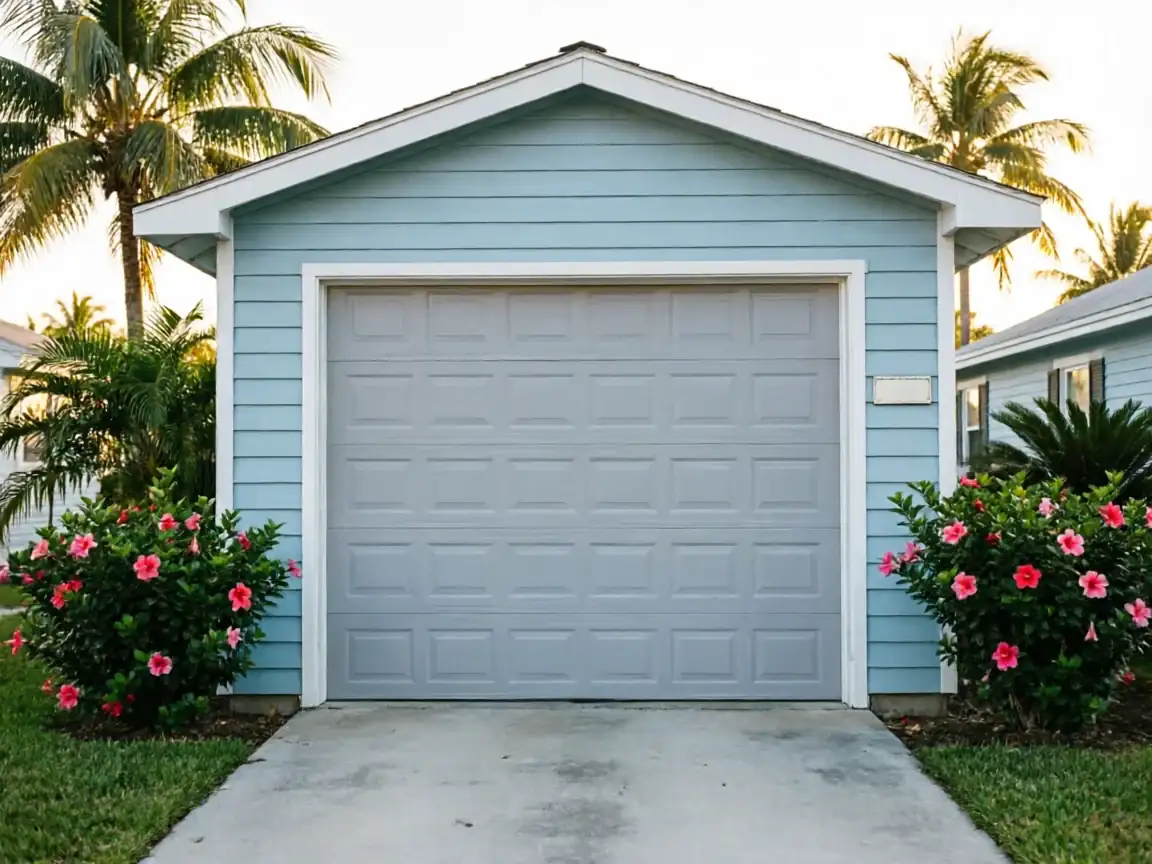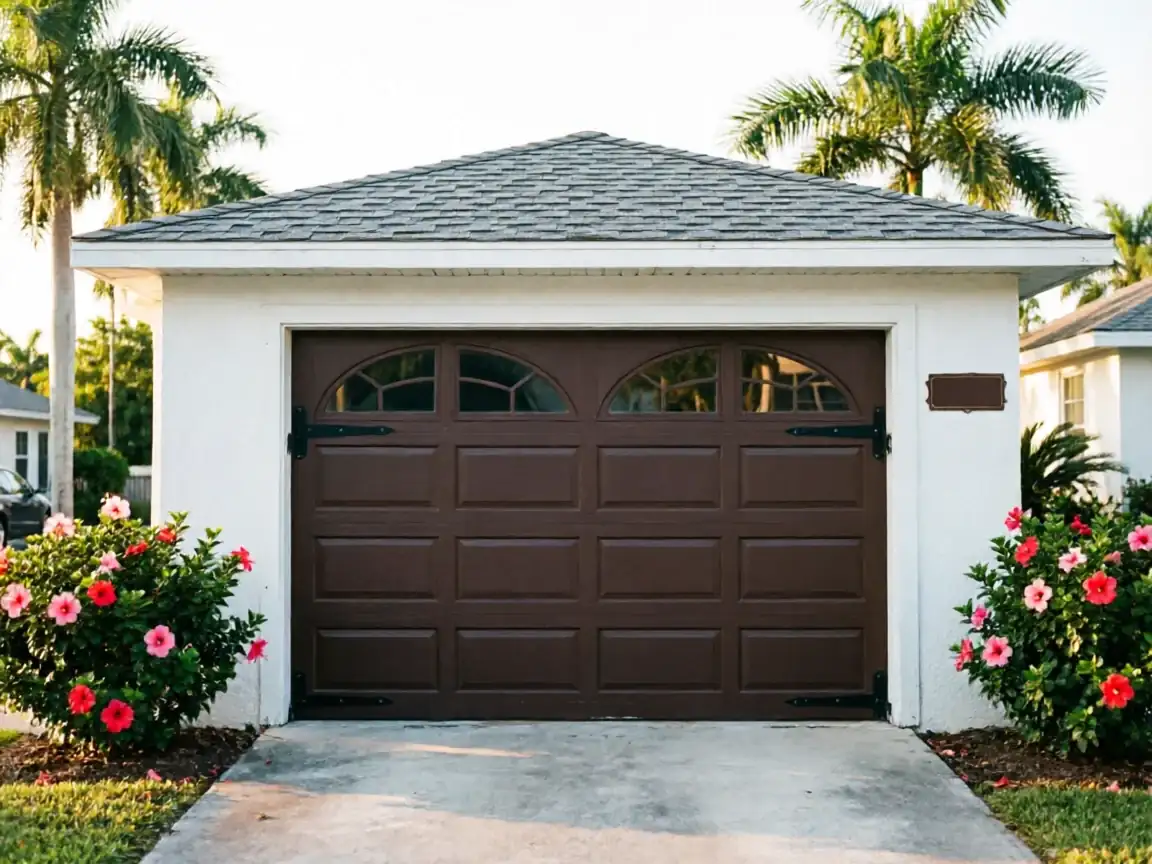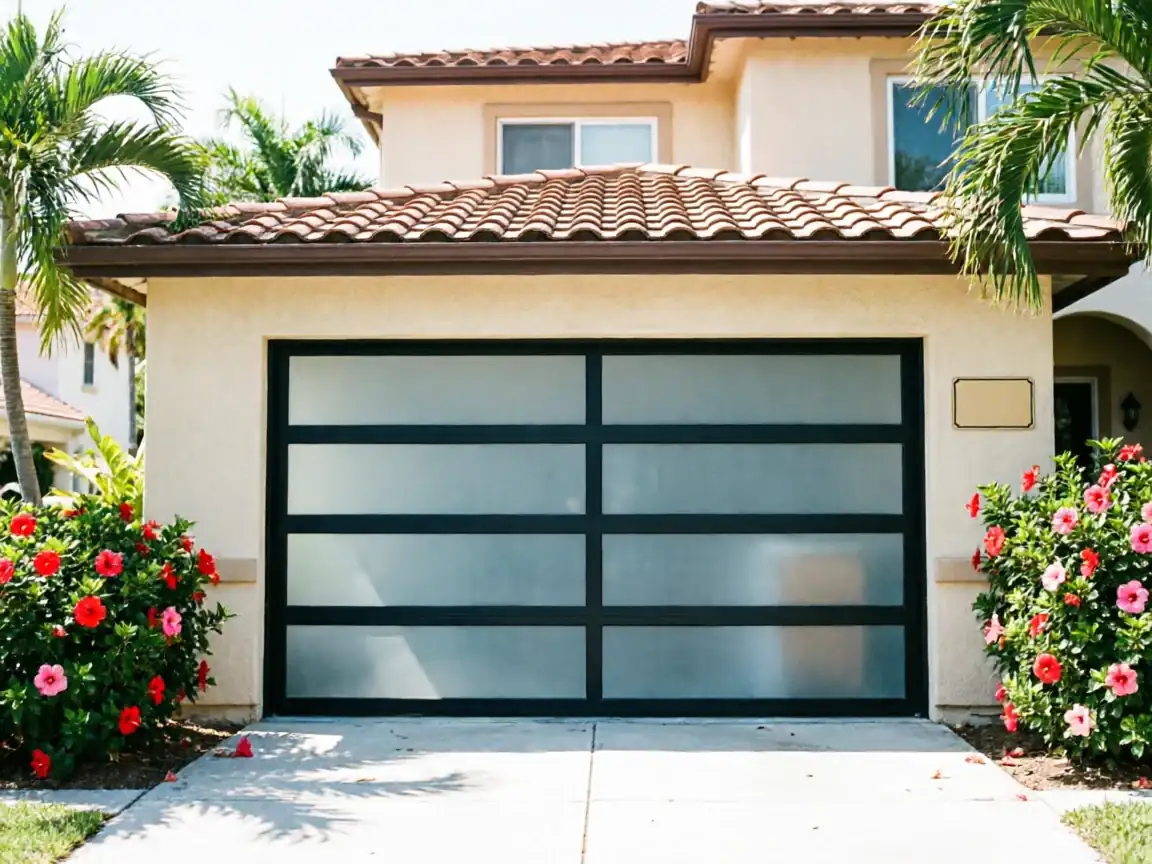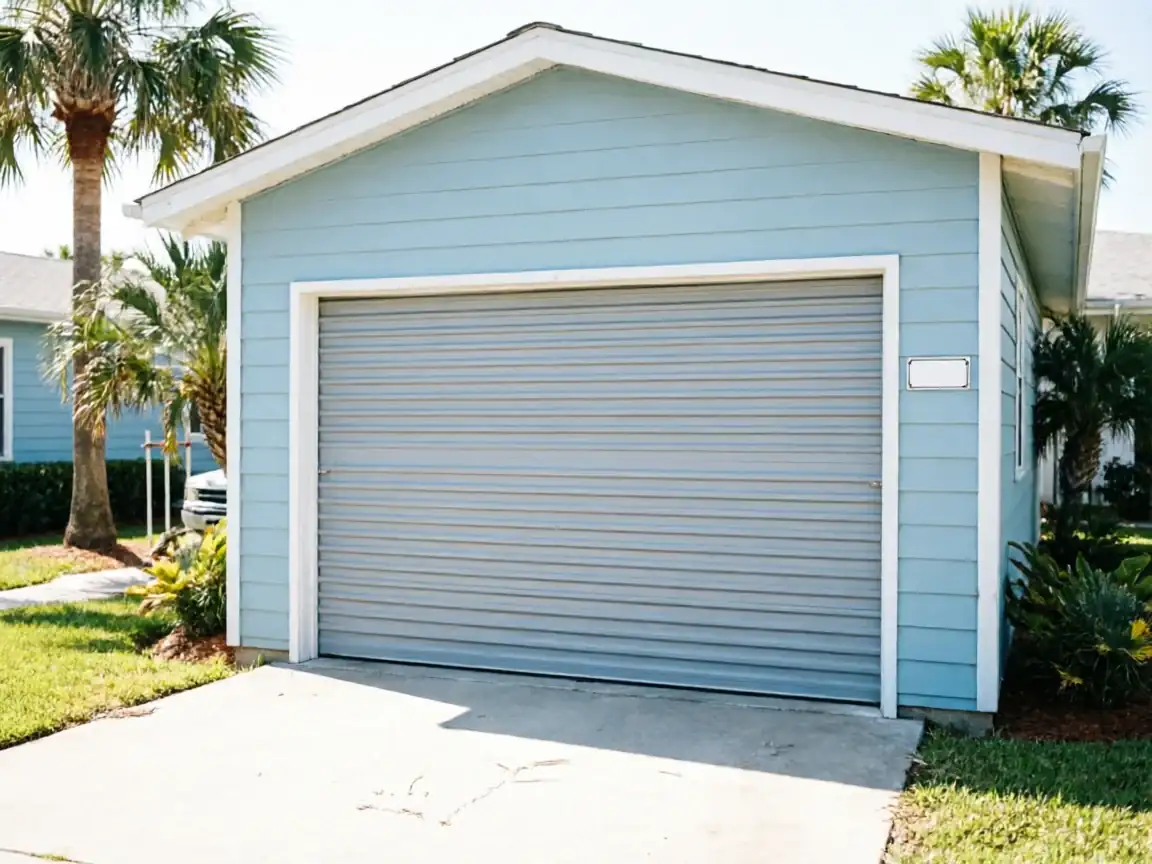
Where We Stop
We run out of Estero, 12 miles from McGregor, and McGregor is inside the stretch of road we cover every week
We don't have a depot sitting in McGregor and we won't pretend otherwise - the truck comes from Estero, and on a bad day that drive time is part of the job, not hidden from it. What we do have is a decent read on what's behind the doors in this particular pocket of the service area, because the housing here isn't the same mix you'd find ten minutes down the road toward the coast. That matters more than a few extra minutes on the road.
- 12 miles
McGregor sits among the roughly 3,964 households we count in this specific area
A smaller slice than the 71,428 households across the whole territory we work. Smaller numbers mean less guessing - fewer eras of construction, fewer oddball door widths, a narrower band of hardware to carry on the truck when we head out this way.
The Split Between Old and New
Across the wider service area, homes went up anywhere from 1970 to 2006, with the midpoint landing around 1986. McGregor sits a touch earlier than that midpoint, with a local median build year of 1984. That two-year gap sounds small until you're standing in front of a header that was framed for a door spec nobody sells anymore.
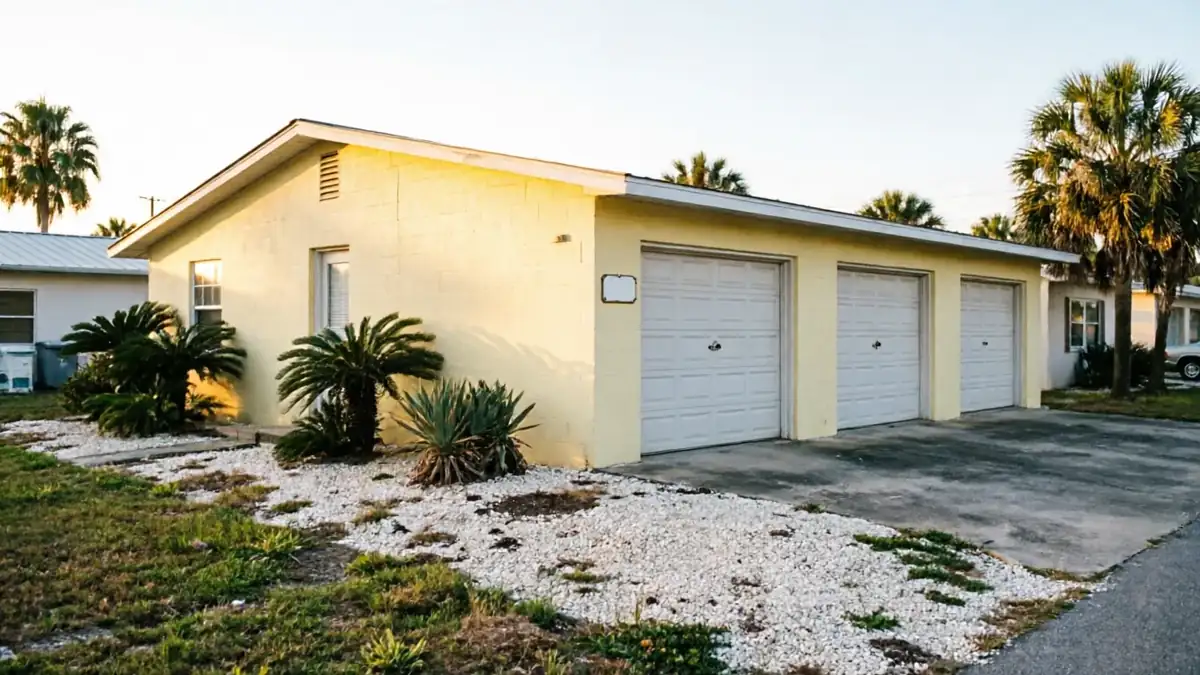
A house built in 1984 was framed before a lot of the lighter, wider-track opener systems became standard, and before insulated steel doors were the default on a mid-income build. The area overall runs mostly 1980s-90s stock across the twenty-some named pockets we track, and McGregor leans toward the earlier end of that window rather than the later one. That's not a knock on the neighborhood - median household income here runs $88,578, a bit under the area-wide $92,575, which tracks with houses that are a few years older and haven't all been through a full door replacement cycle yet.
So when we get a call from this stretch, we're not expecting a 2004 double-wide carriage door. We're expecting something closer to its original hardware, possibly its original door.
What That Means for Doors
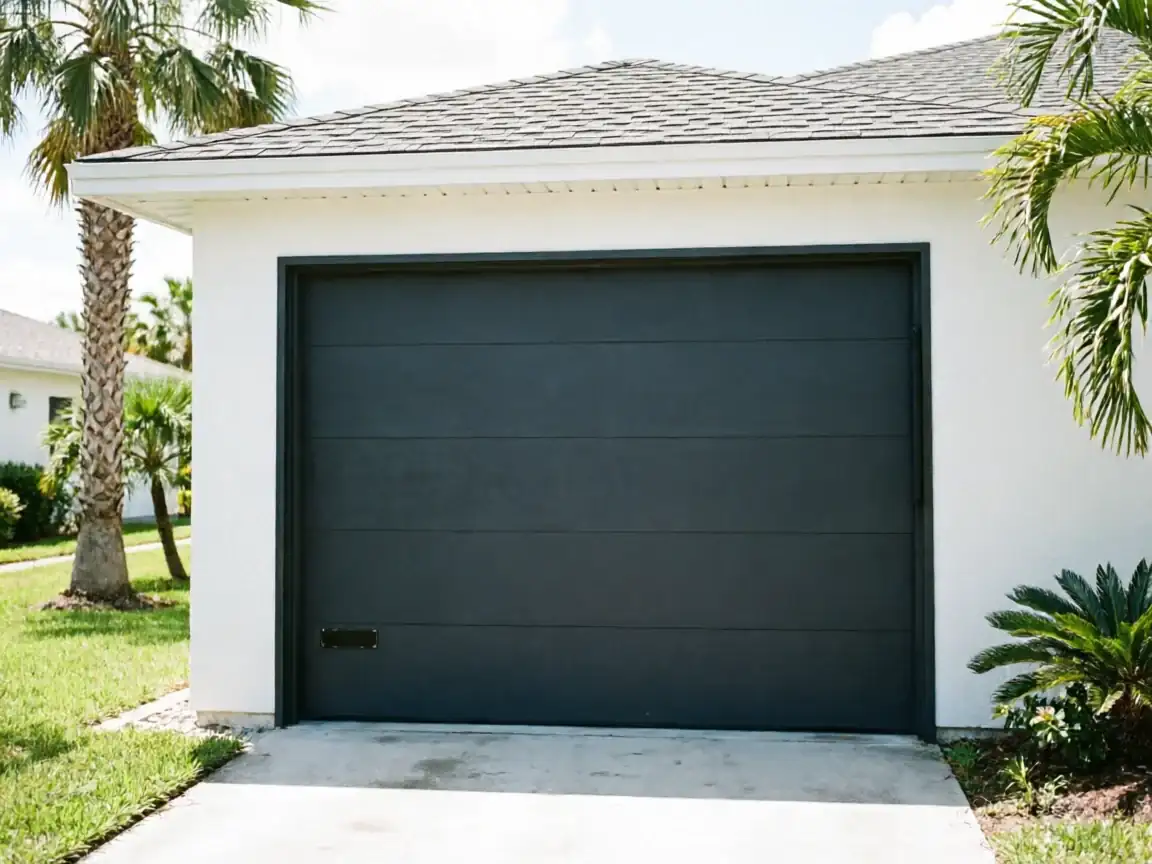
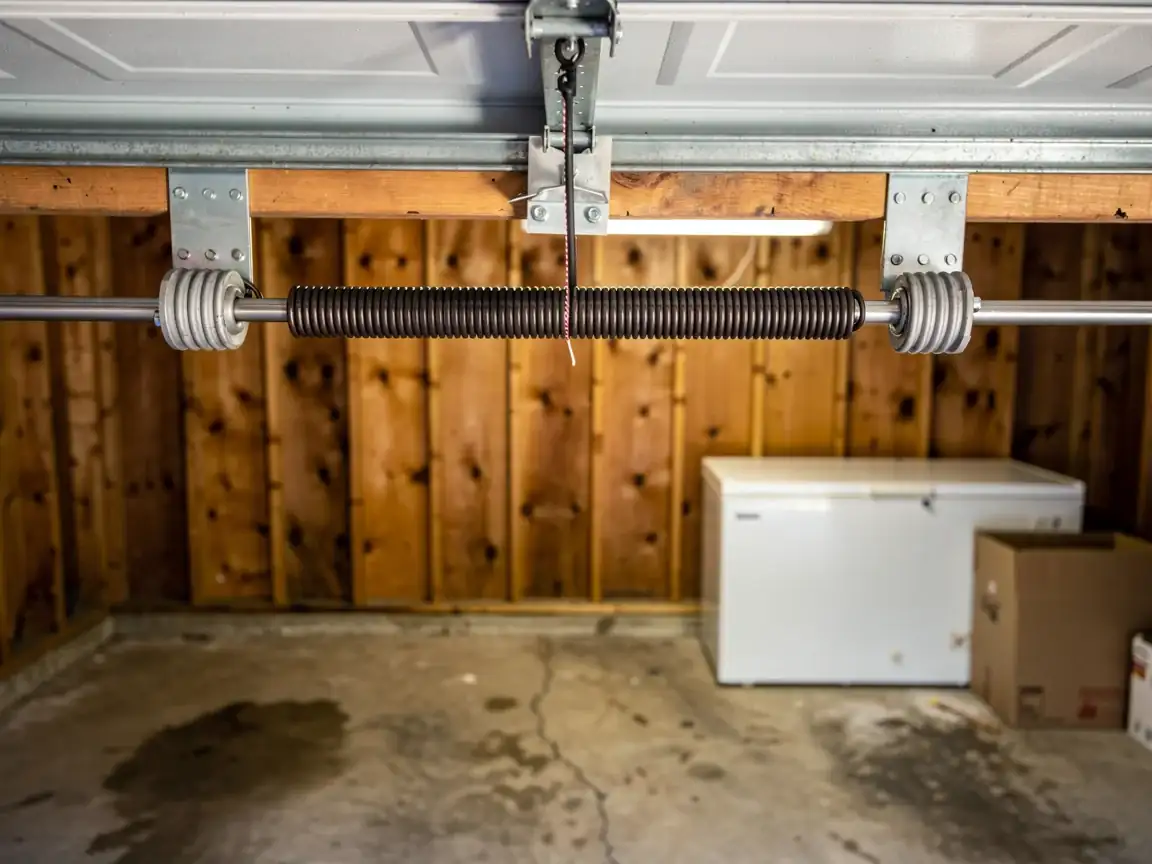
A 1984-era door in this climate band - mild temperate, nothing that swings to brutal extremes - doesn't get beaten up by freeze-thaw cycling the way it would further north. The failures we see out this way are age and fatigue failures, not weather failures: torsion springs that have simply cycled past their rated life, rollers worn to the point the door rattles on the way up, and single-layer steel or wood-composite panels that have started to sag at the bottom seam from decades of humidity rather than cold.
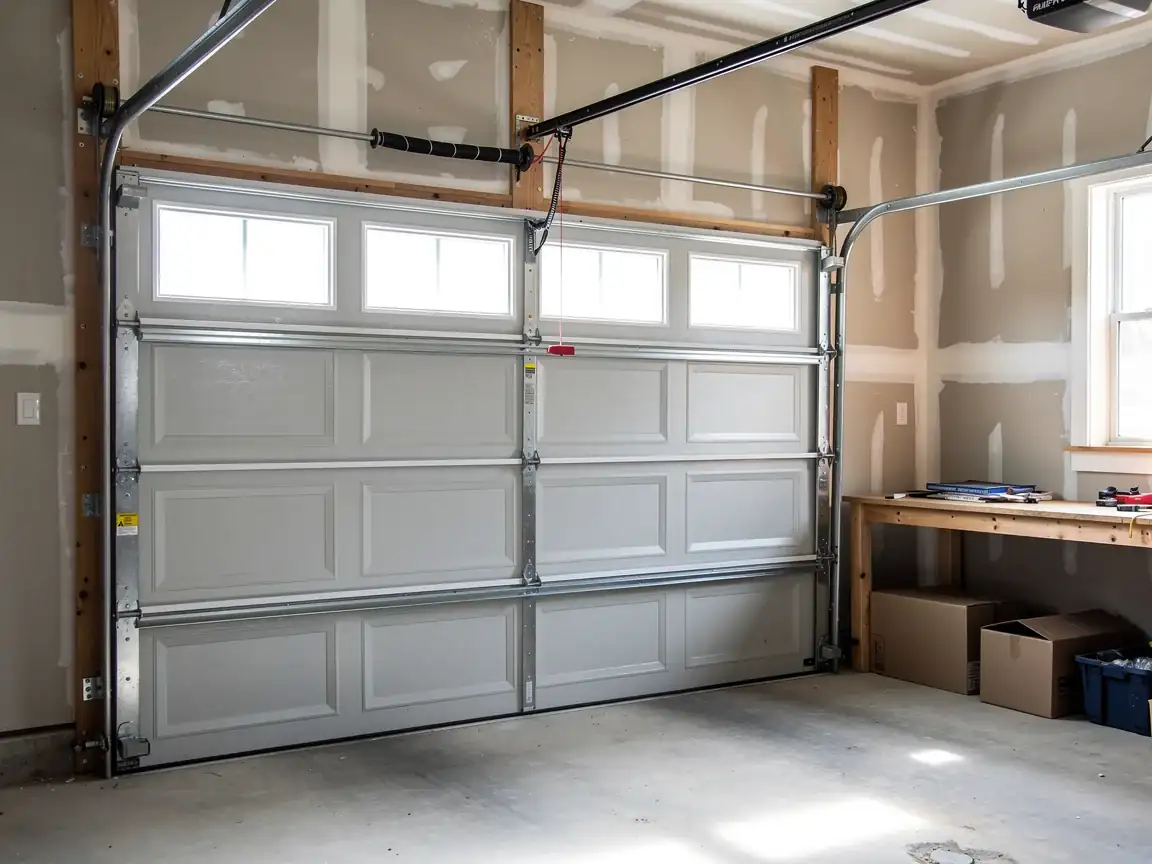
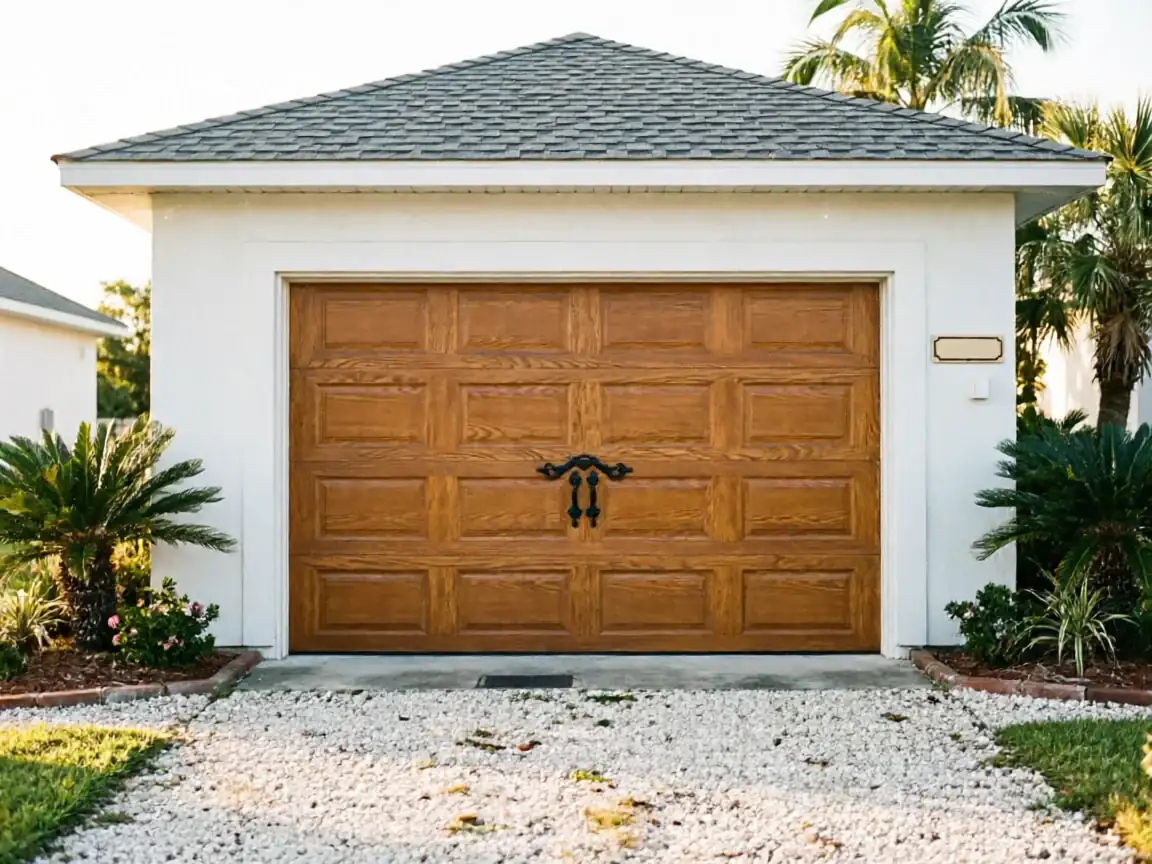
Openers from that build era are also a known quantity - chain-drive units that have outlived their logic boards, with owners still running them off a wall switch because nobody ever added a remote. We carry the springs and roller sets that fit this generation of door, because this is the generation we expect to find.
Here's the limitation: if a door from this era needs an exact-match panel rather than a full replacement, that panel may not be a same-day part. Older panel profiles sometimes take longer to source than the repair itself, and we'll tell you that up front rather than promise a fix we can't back.
What Was Built Here
The broader strokes still apply even with McGregor's earlier lean
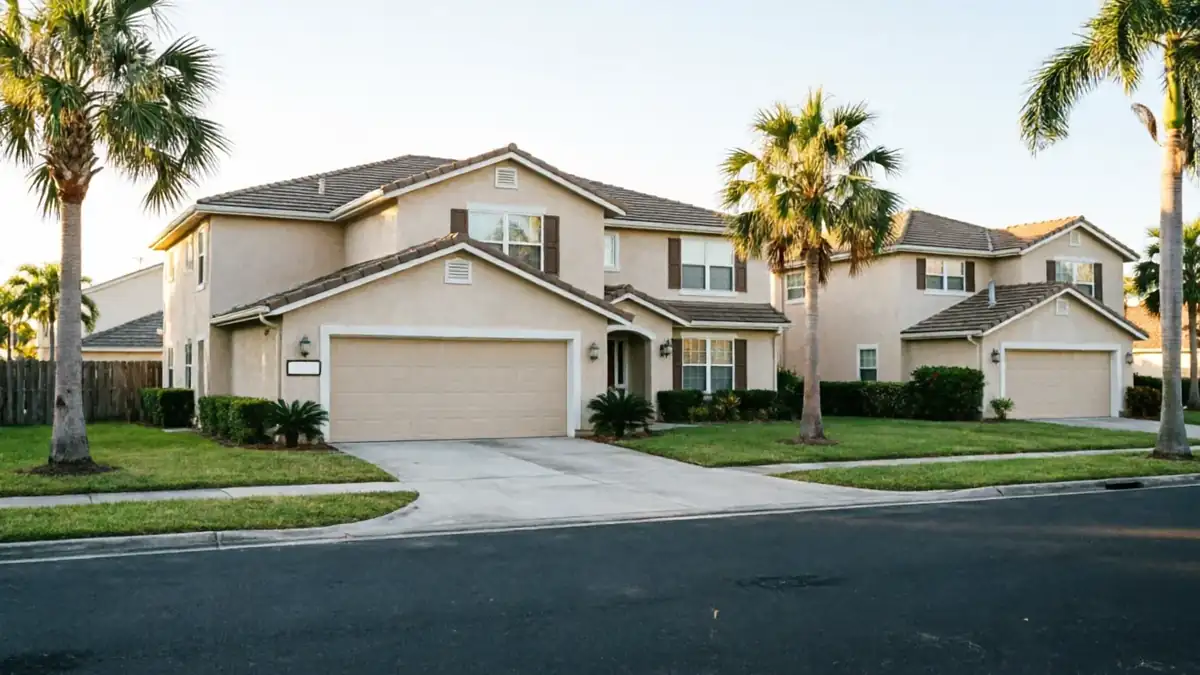
This is part of a service area where the housing stock mostly dates to the 1980s and 90s, built across more than twenty distinct pockets rather than one subdivision pushed out all at once. McGregor's median year of 1984 puts it on the older side of that range, closer to the first wave of that building push than the last.
With 3,964 households in this specific area and a median income of $88,578
This isn't a neighborhood of teardown-and-rebuild turnover. Doors here tend to get repaired, not replaced on a whim, and that's consistent with what we see on service calls - owners who want the existing door fixed right rather than swapped for something new, at least until the repair costs start outweighing the door's remaining life.
- 3,964 households
- $88,578 median household income