What Causes It Around Here
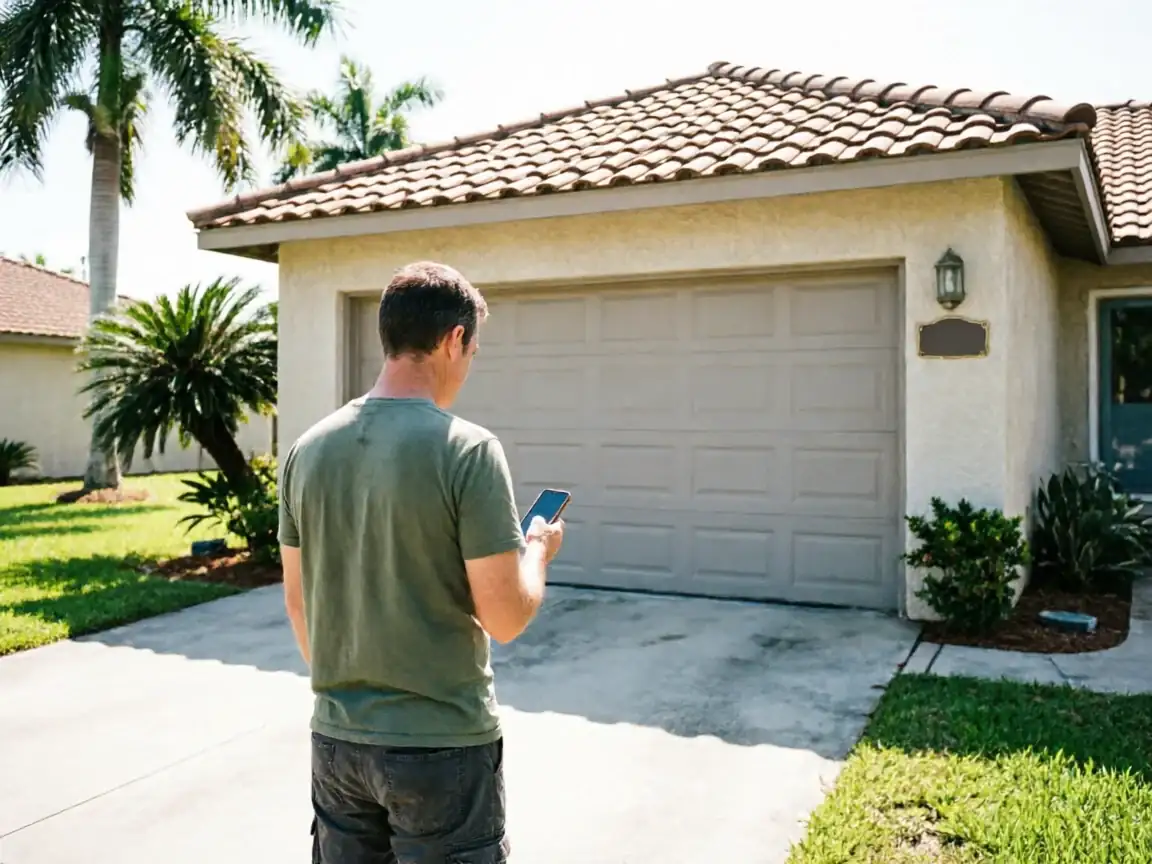
Most homes across the Estero service area went up between 1970 and 2006
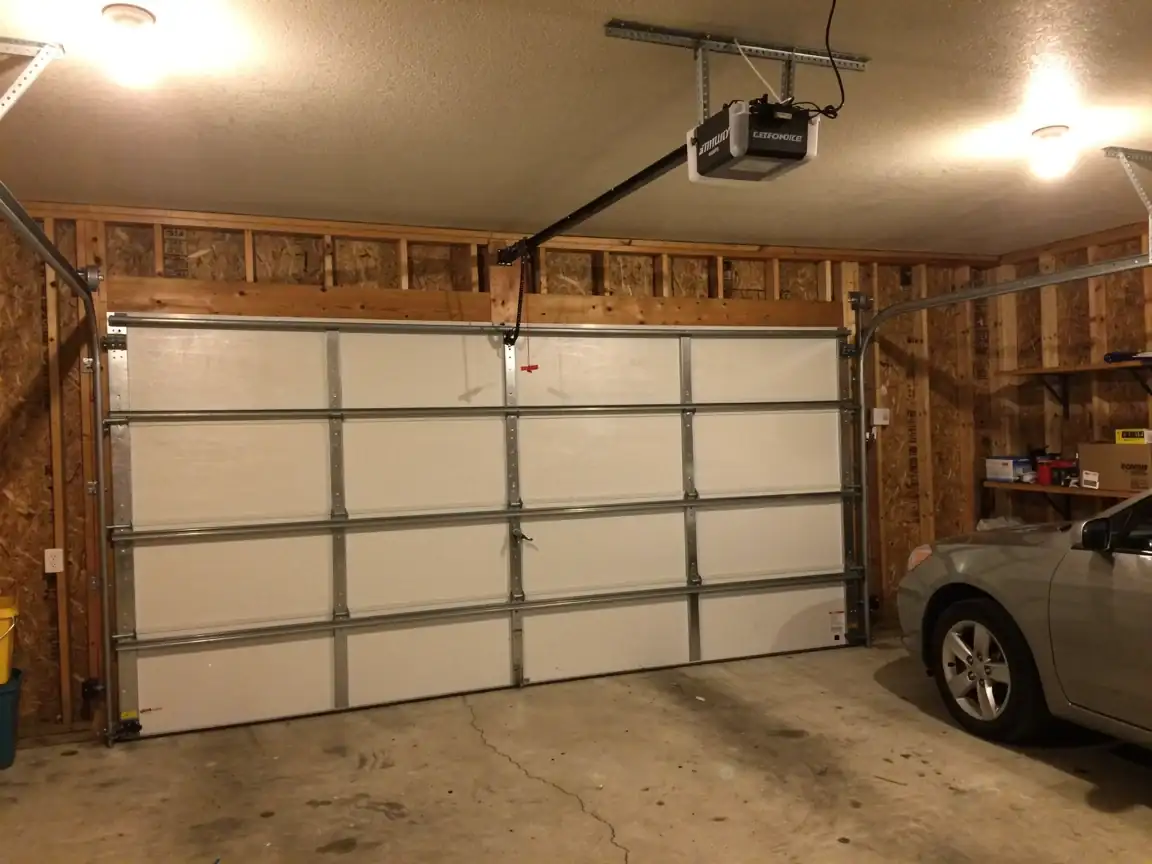
With a lot of that stock clustering around 1986 construction, and across the 20 named areas we cover the pattern skews heavily toward 1980s and 90s builds. That matters for openers because a chain-drive unit installed when one of these houses was framed is now past the point where parts are easy to find, and a lot of homeowners are still running the original motor because it never fully died - it just got slower, louder, and less reliable about reversing on obstruction.
The climate here is mild temperate
Which sounds like it should be easy on equipment, and in some ways it is - no deep freeze cracking housings, no snow load testing the rail. But steady heat and humidity work on rubber grommets, foam weatherseal, and circuit boards in a slower, quieter way than a hard winter would. Capacitors age faster, drive gears get brittle, and the safety-reverse sensors that were standard in the 90s start throwing false trips or stop tripping at all. That second failure mode is the one that should worry you - a sensor that stops working is more dangerous than a motor that stops working.
With 36,333 owner-occupied houses across the service area, we see this same aging-opener pattern on repeat
A working door, a tired motor, and a safety system nobody's tested since it was installed.
- 36,333 owner-occupied
What You Pay
We're not going to put a number here that isn't backed by a real quote, because opener jobs vary more than people expect - belt-drive versus chain-drive, a single door versus a double, whether the existing rail and bracket can be reused or need replacing, and whether you want battery backup for power outages. A straight swap on a single door with a compatible rail costs less than a double-door install that also needs new wiring run to a wall console.
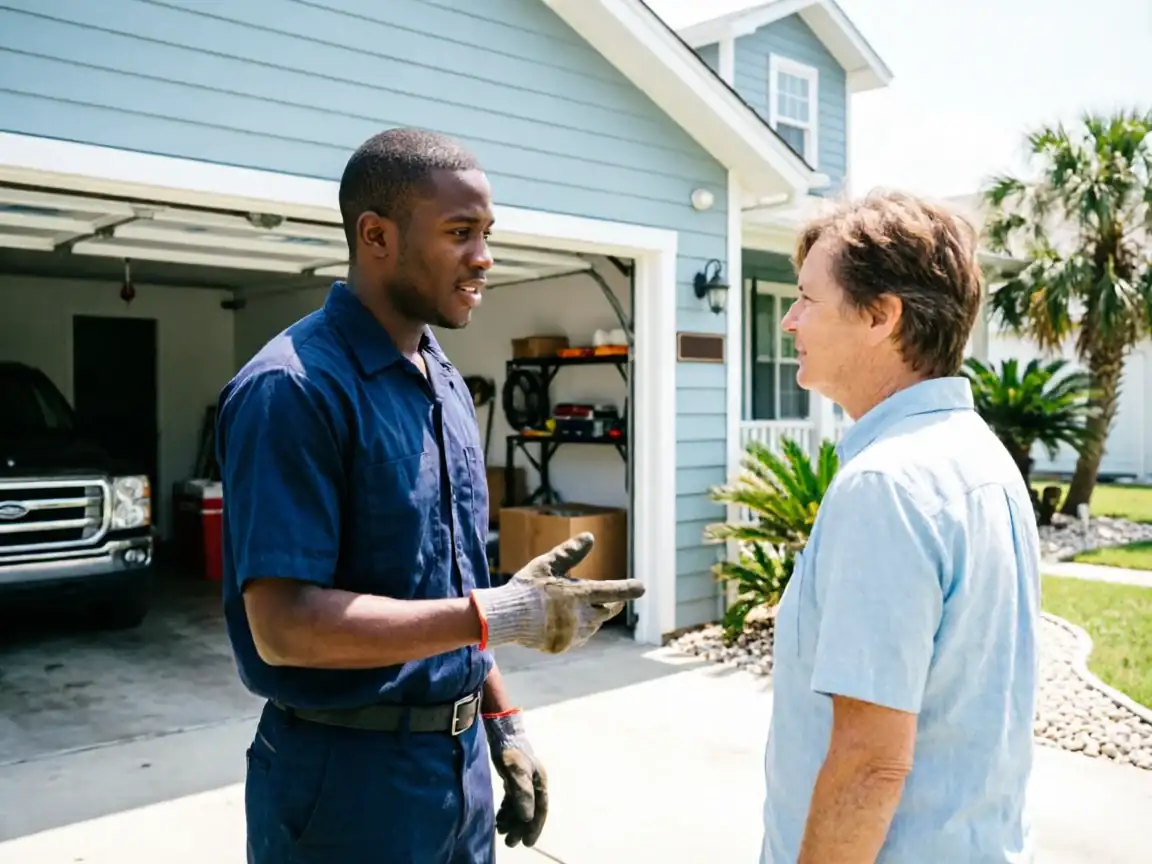
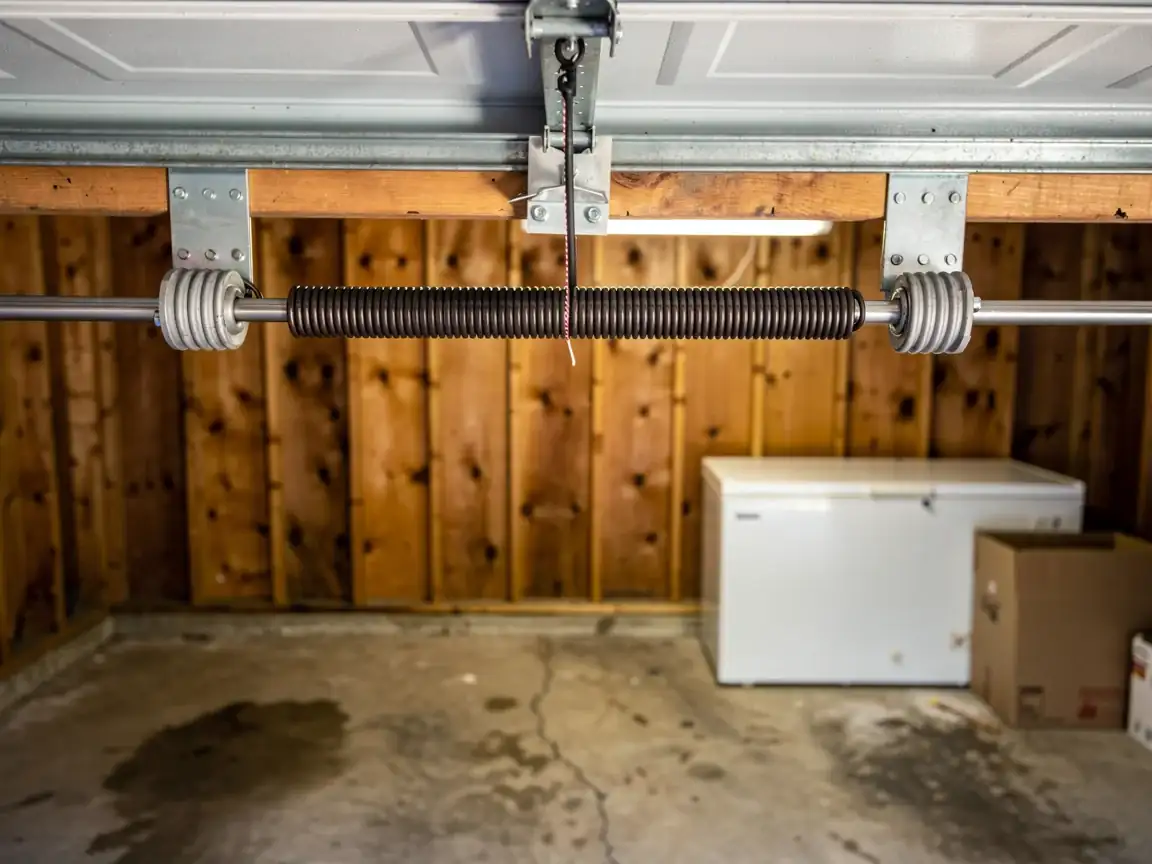
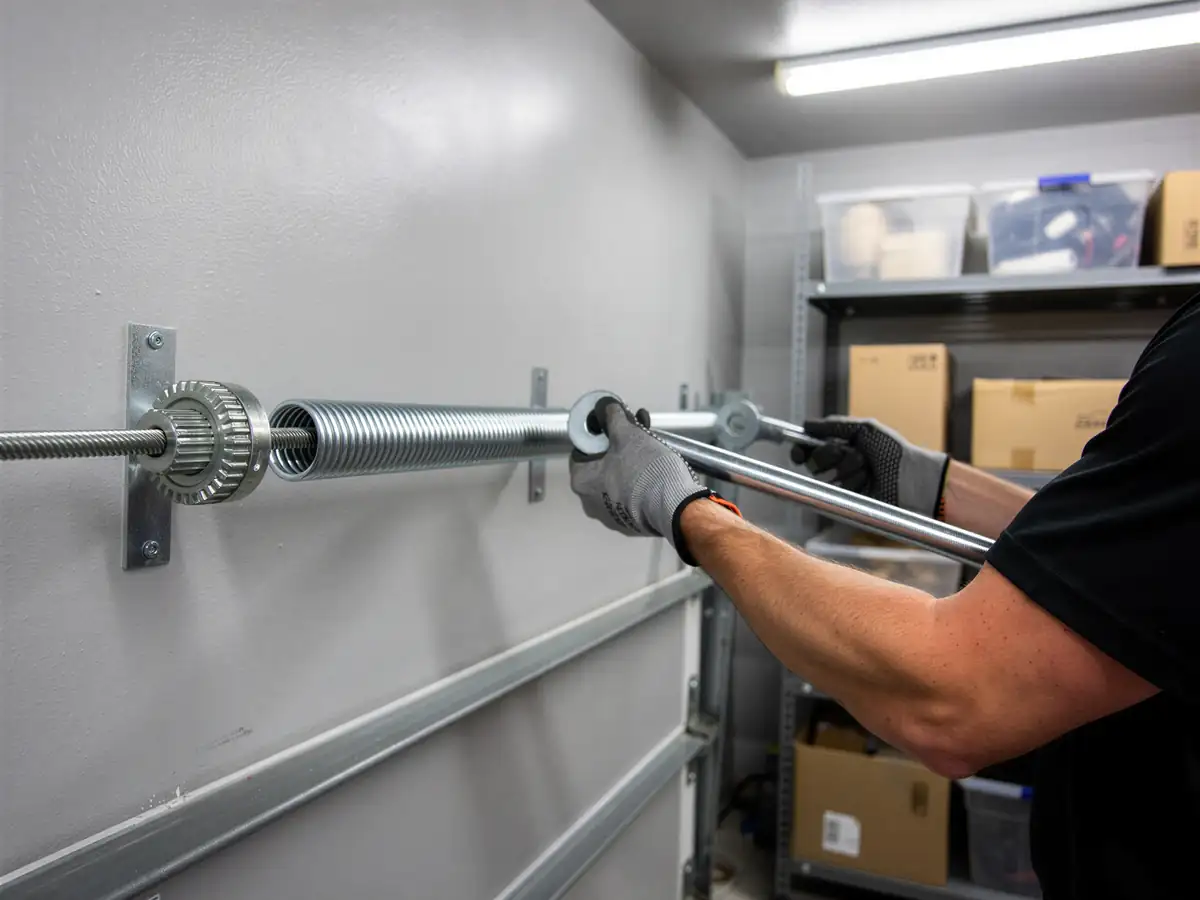
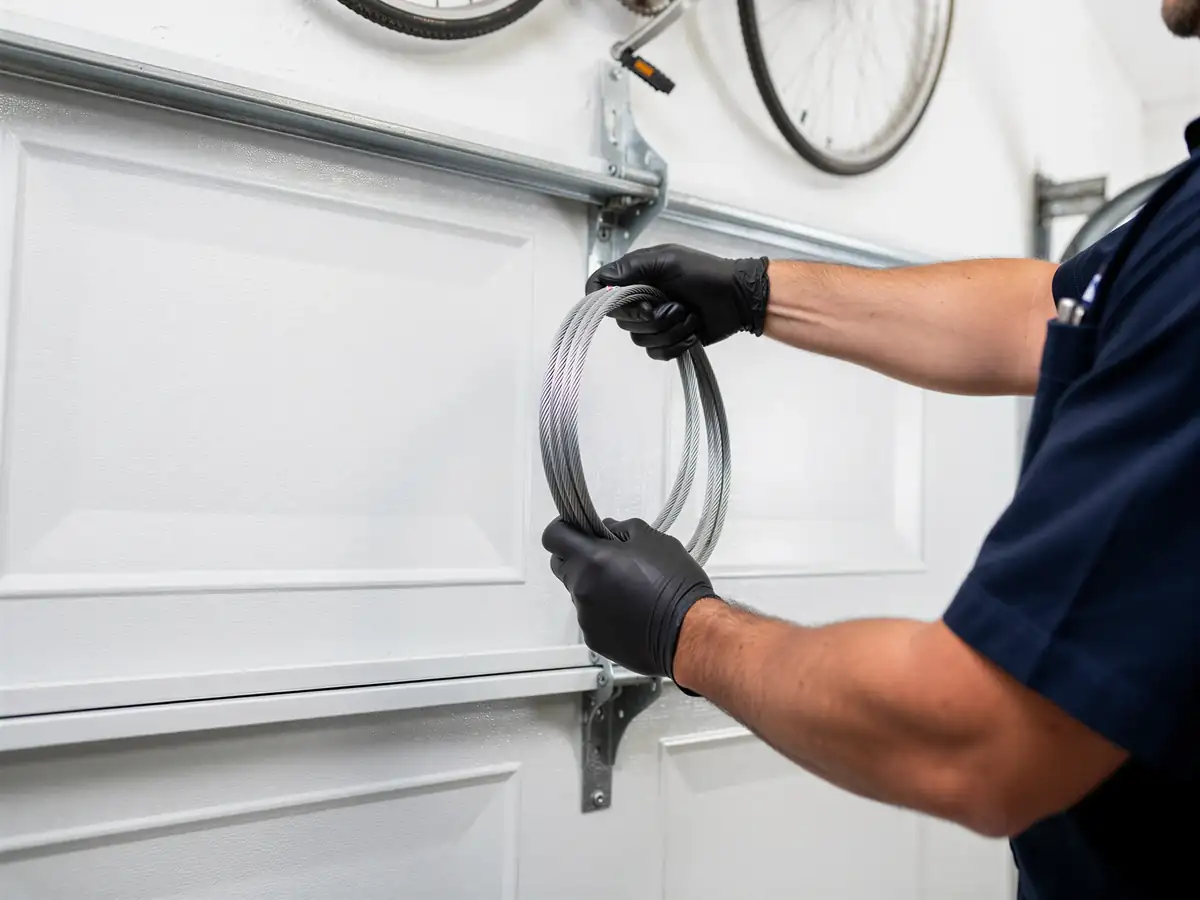
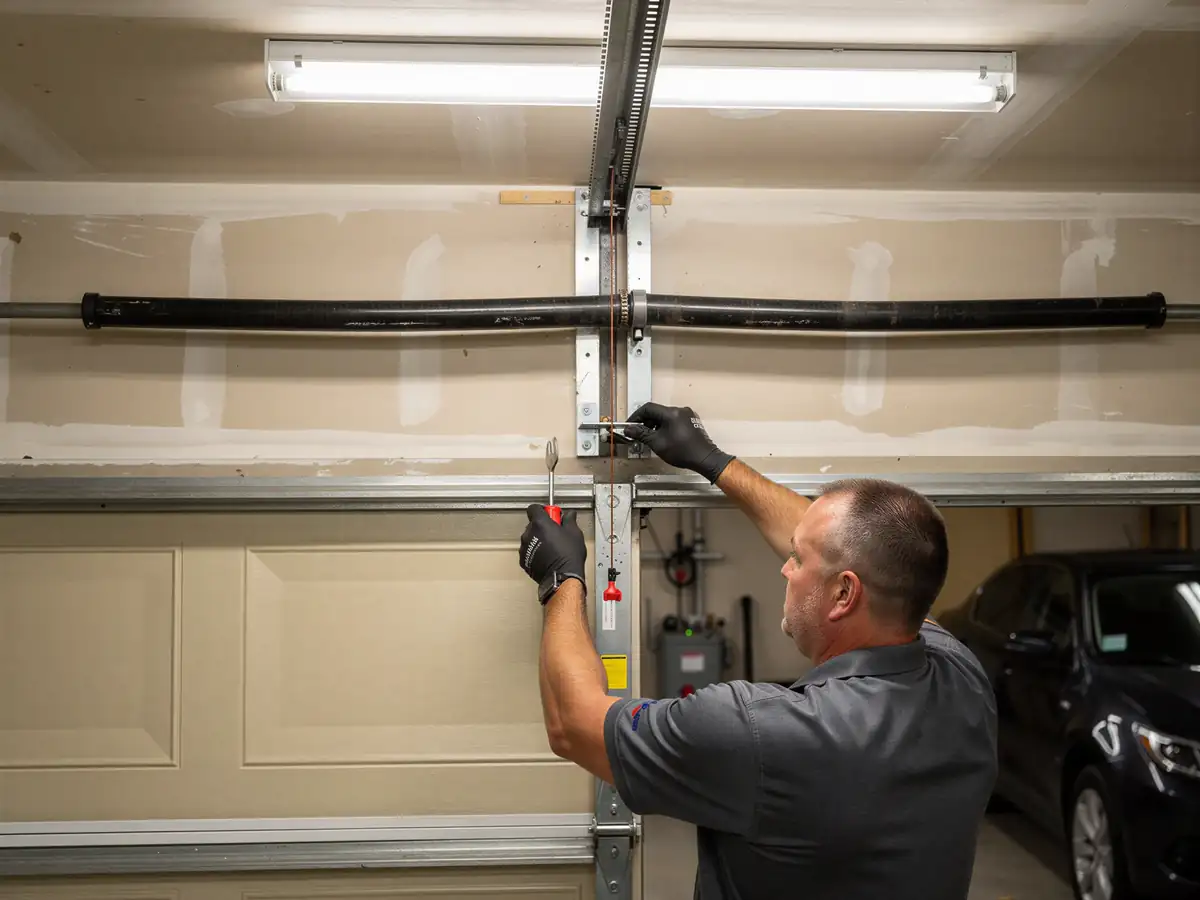
What we can tell you is how the quote gets built: we look at the door weight and size, the opener horsepower that actually matches it, and whatever condition the existing hardware is in before we give a number. If your springs or cables are also near the end of their life, we'll flag that separately rather than bundle it in - replacing an opener on a door with a bad spring just moves the failure point, it doesn't fix it.
One honest limitation: if your opener is a legacy model from before rolling-code safety standards, we're not going to try to repair the logic board or chase down a part that stopped being made years ago. At that point replacement is the faster, safer, and usually cheaper path, and we'll say so instead of running up a bill trying to keep an old unit alive.
What Is on the Truck
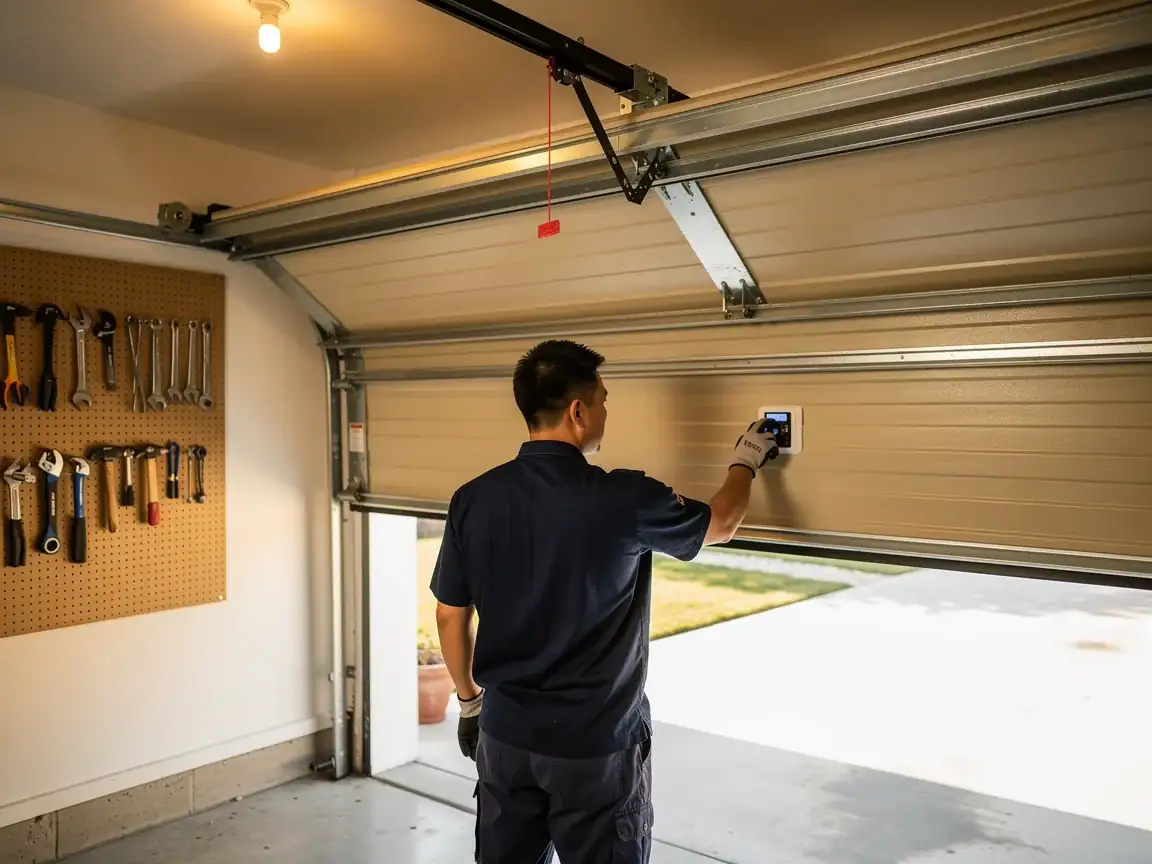
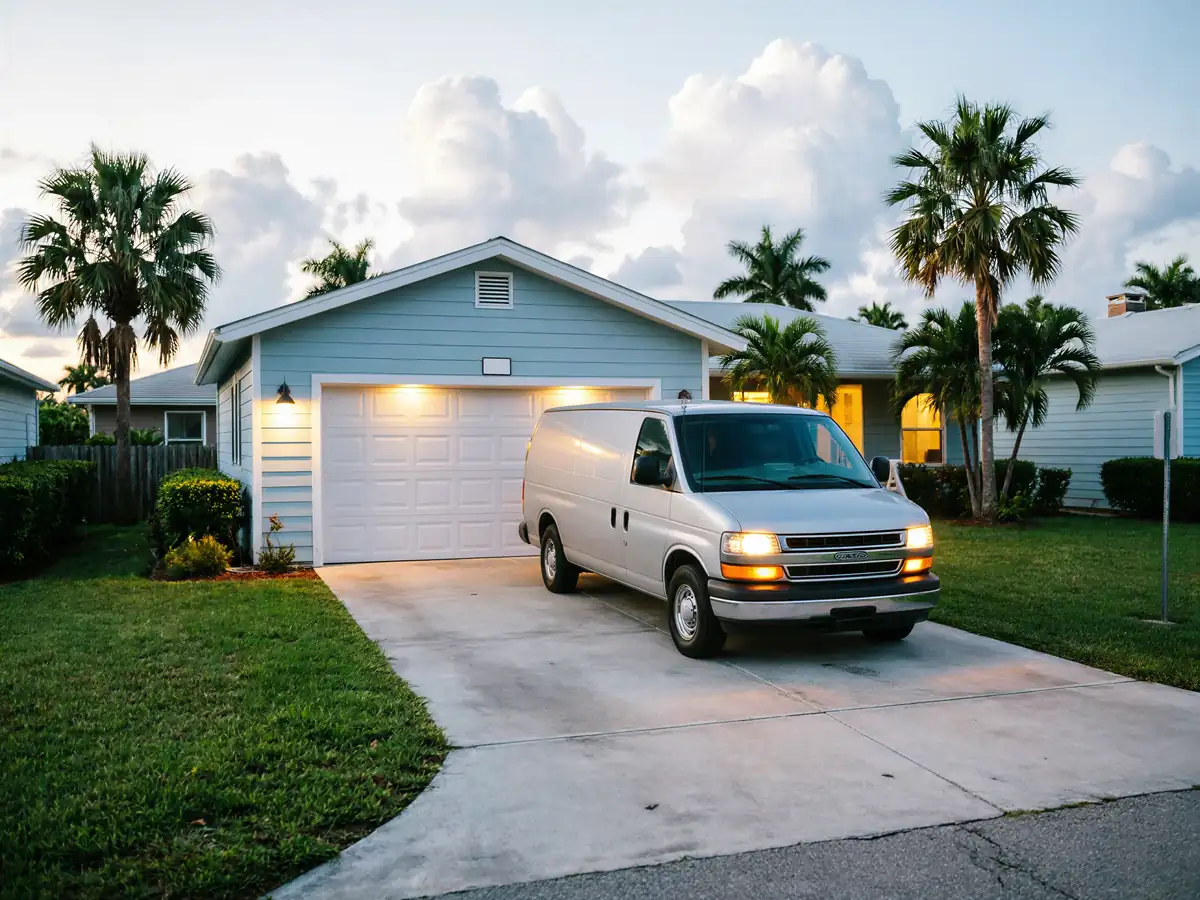
For opener installs we carry both belt-drive and chain-drive units in the horsepower ranges that match the door sizes common in this housing stock - single doors from the 1970s-90s builds and the wider double doors that show up more in the later 1990s-2006 construction. We stock rail sections, trolley carriages, and the wall console and remote hardware that pairs with current rolling-code systems, since that's the piece most often missing or incompatible on an older house.
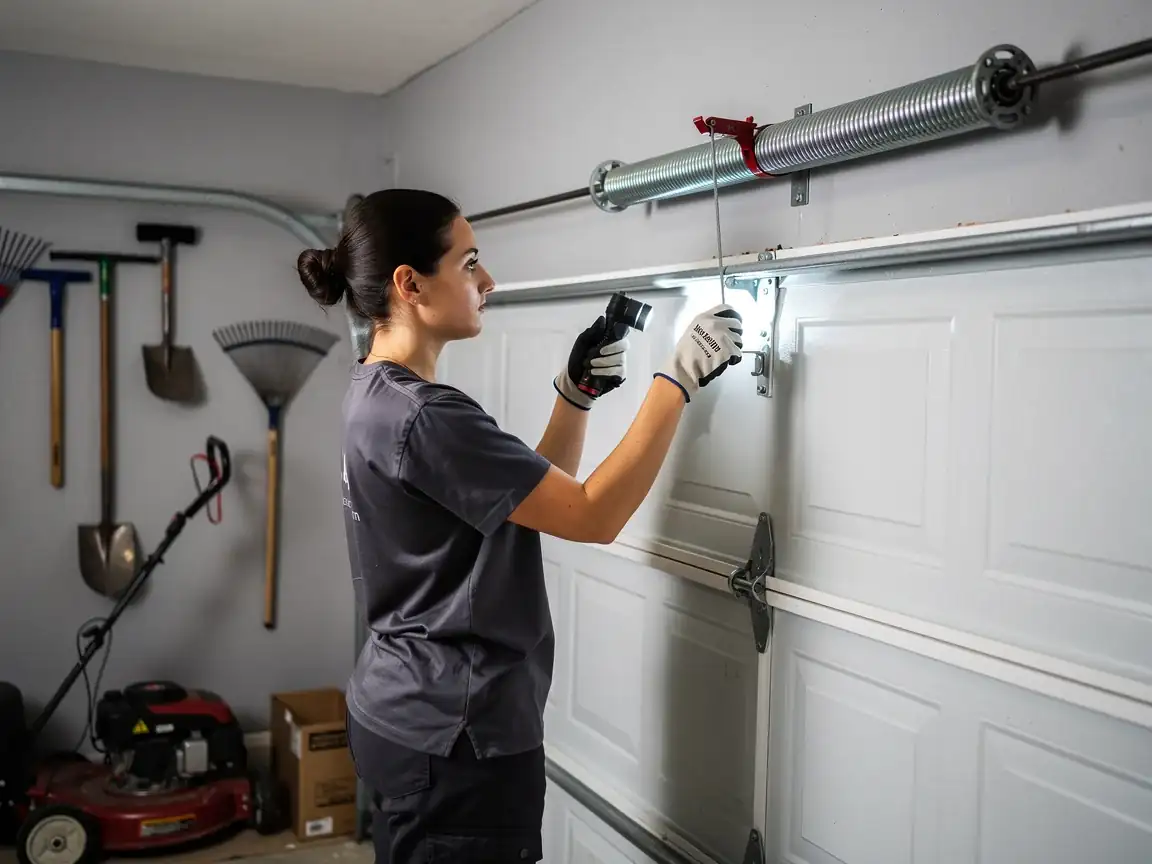
We also carry the safety-reverse sensor pairs separately from full opener kits, because sometimes the motor is fine and it's the sensors that have drifted out of alignment or corroded at the wire leads - a cheaper fix than a full swap, and worth checking before you commit to replacing anything. Battery backup modules are on the truck too, given how often this area sees short outages rather than extended ones; it's not something every homeowner needs, but it's easy to add at install time if you want it.
What's not standard on the truck: smart-home hub integrations beyond basic app connectivity. If you're after a specific ecosystem tie-in, ask before the appointment so we know to bring the right adapter.
How It Shows Up
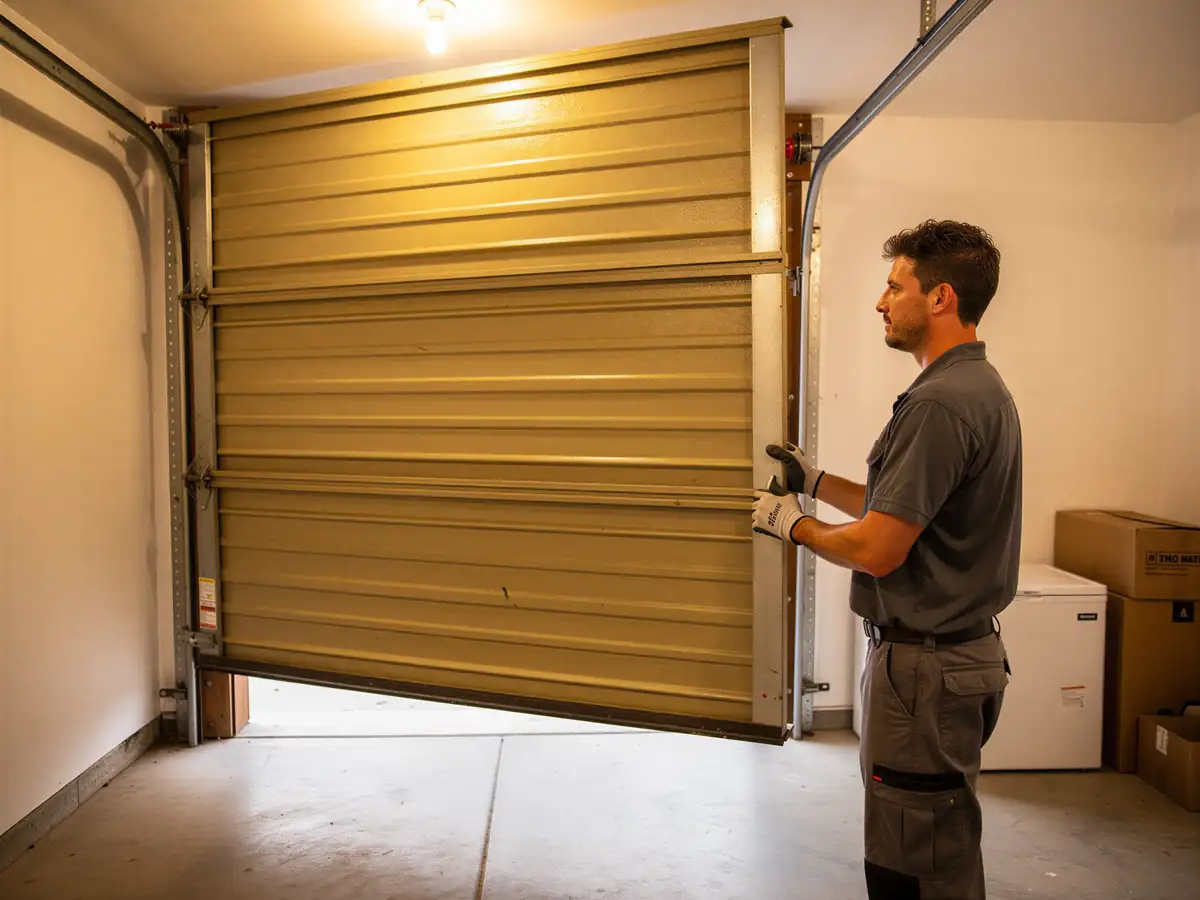
The earliest sign is usually the door hesitating before it starts moving
Or moving but stalling partway with a grinding sound from the motor housing. On the 1980s-era builds especially, you'll often hear the chain or belt chatter against worn sprockets before the unit fails outright. A second common pattern is the remote working inconsistently from a car in the driveway but not from across the house - a sign the receiver board is losing signal strength, not that the remote battery is dying.
The one you shouldn't ignore is a door that reverses unpredictably
Or doesn't reverse at all when something's under it. With median household income across the service area at $92,575, a lot of homes here have kids, pets, or cars using the garage daily, and a safety sensor that's stopped working reliably is the kind of thing that gets put off until it's a real problem. If your opener predates the two-sensor safety-reverse standard, or you're not sure when it was installed, that's worth a look regardless of how the door is currently performing.