Season by Season
Estero sits in a mild temperate band
Which means the service calls here don't follow the freeze-thaw pattern you'd see up north. There's no January where metal contracts overnight and a spring snaps on the first cold morning. Instead the wear is steady and year-round: humidity gets into bearings, track bolts loosen from thermal cycling between a hot afternoon and a cool evening, and lubricant that would last two years somewhere drier gets gummy or washes thin faster here.
What that means in practice is fewer dramatic mid-winter breakdowns and more of the slow kind
A door that's been grinding for three weeks before anyone calls, because nothing about a mild climate forces the issue the way a hard freeze would. People wait longer here, and by the time the call comes in, a worn roller has usually taken a track with it.
There isn't a single bad month
If anything, the risk is flat across the calendar, which is also why a once-a-year lube-and-check catches more here than it would in a place with one brutal season that announces itself.
What You Pay
I'm not going to put a number on this page that isn't backed by a real quote, because the honest answer is it depends on what's actually wrong - a cable off its drum is a different job than a bent track or a dead opener board. What I can tell you is the context: median household income across the service area runs $92,575, and there are 36,333 owner-occupied houses among 71,428 households out here. That's a lot of original hardware still in service, which is the main driver of repair cost - not labor, parts availability for 1980s and 90s-era torsion systems.
The honest limitation: if your opener is original to a house built in the 1970s-2006 range this area is mostly made of, some parts for it simply aren't stocked anymore. At that point the real choice isn't a cheaper repair versus an expensive one, it's repair versus replace, and I'll tell you straight which side of that line your door is on instead of patching something that'll fail again in six months.
What the Weather Here Does to It
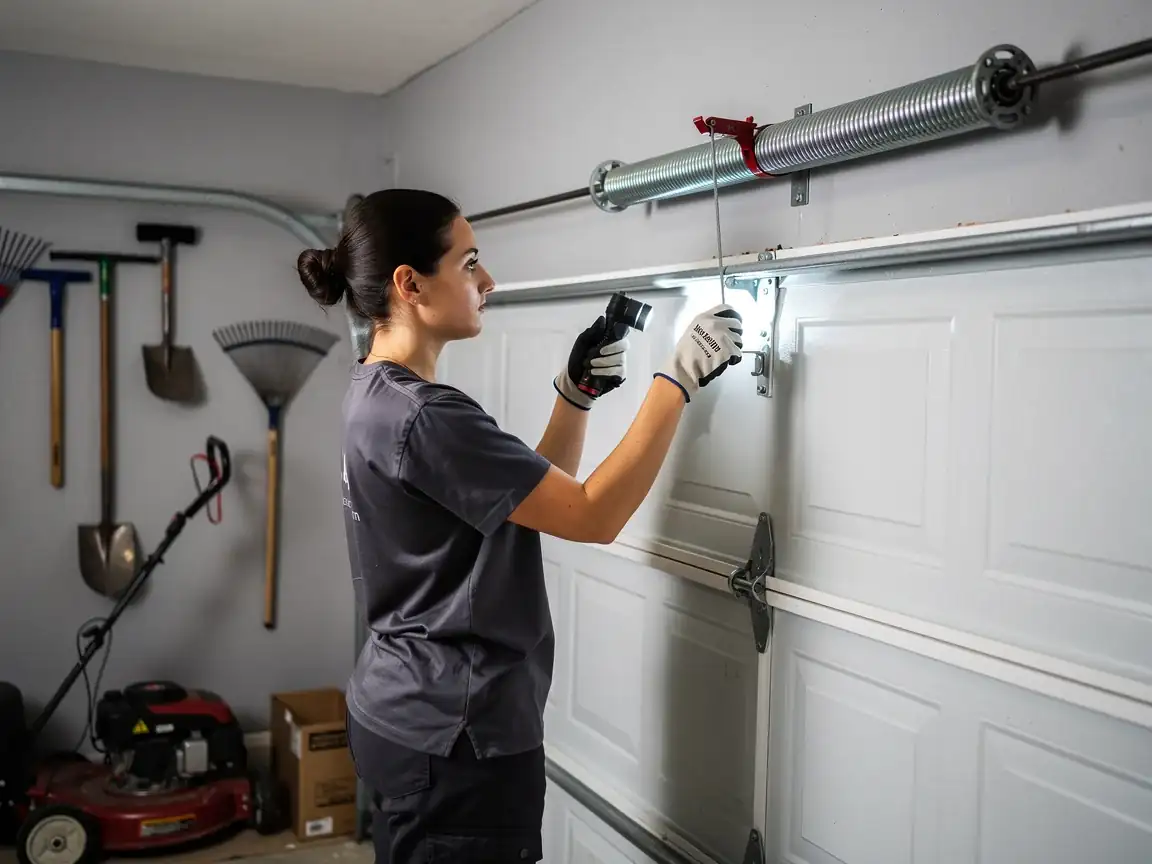
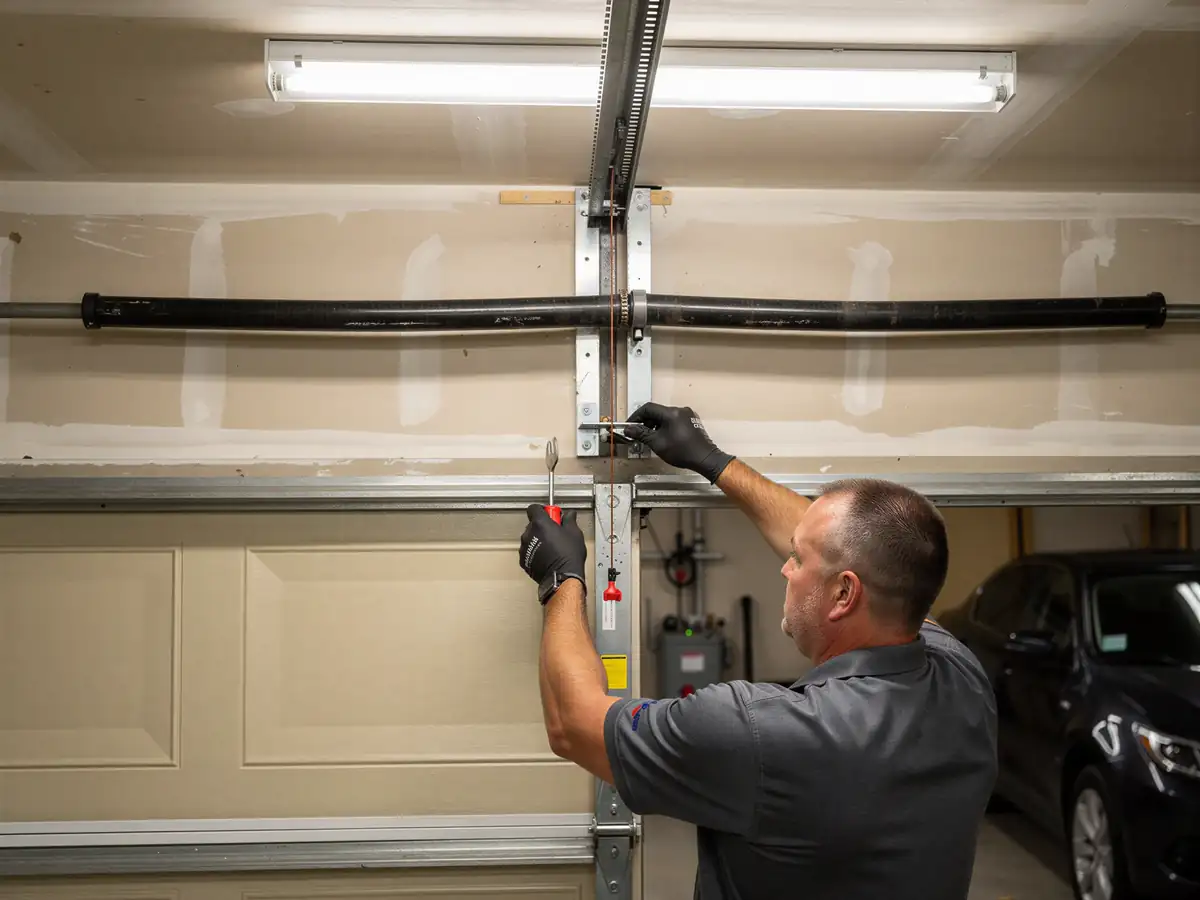
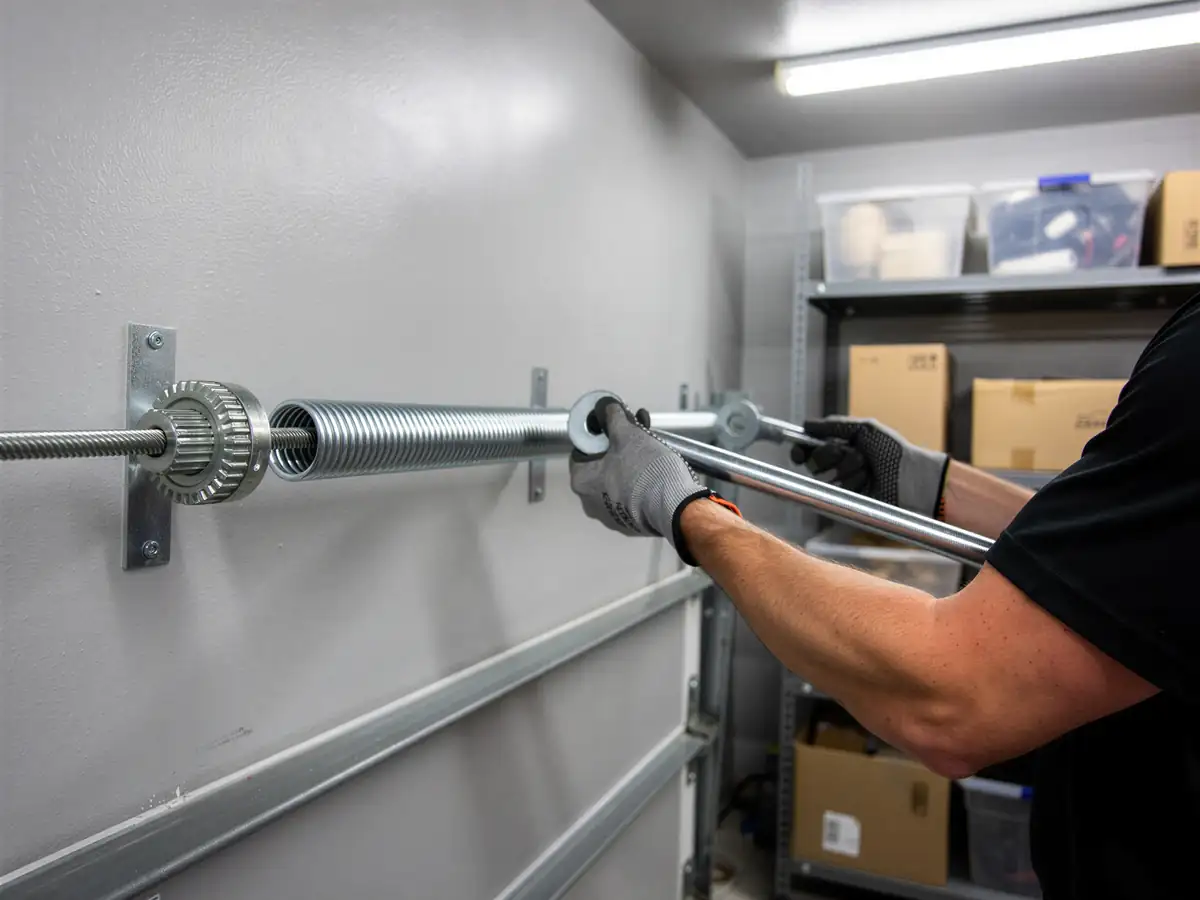
A mild temperate climate doesn't stress-test a door the way extreme heat or hard freezes do, but it doesn't leave it alone either. Consistent humidity is the quiet one - it works into spring coils and roller bearings slowly, so corrosion shows up as stiffness and noise long before anything visibly rusts. A torsion spring that's been sitting in that kind of air for fifteen or twenty years doesn't usually snap clean; it starts to bind, and the opener motor works harder to compensate, which is its own kind of noise.
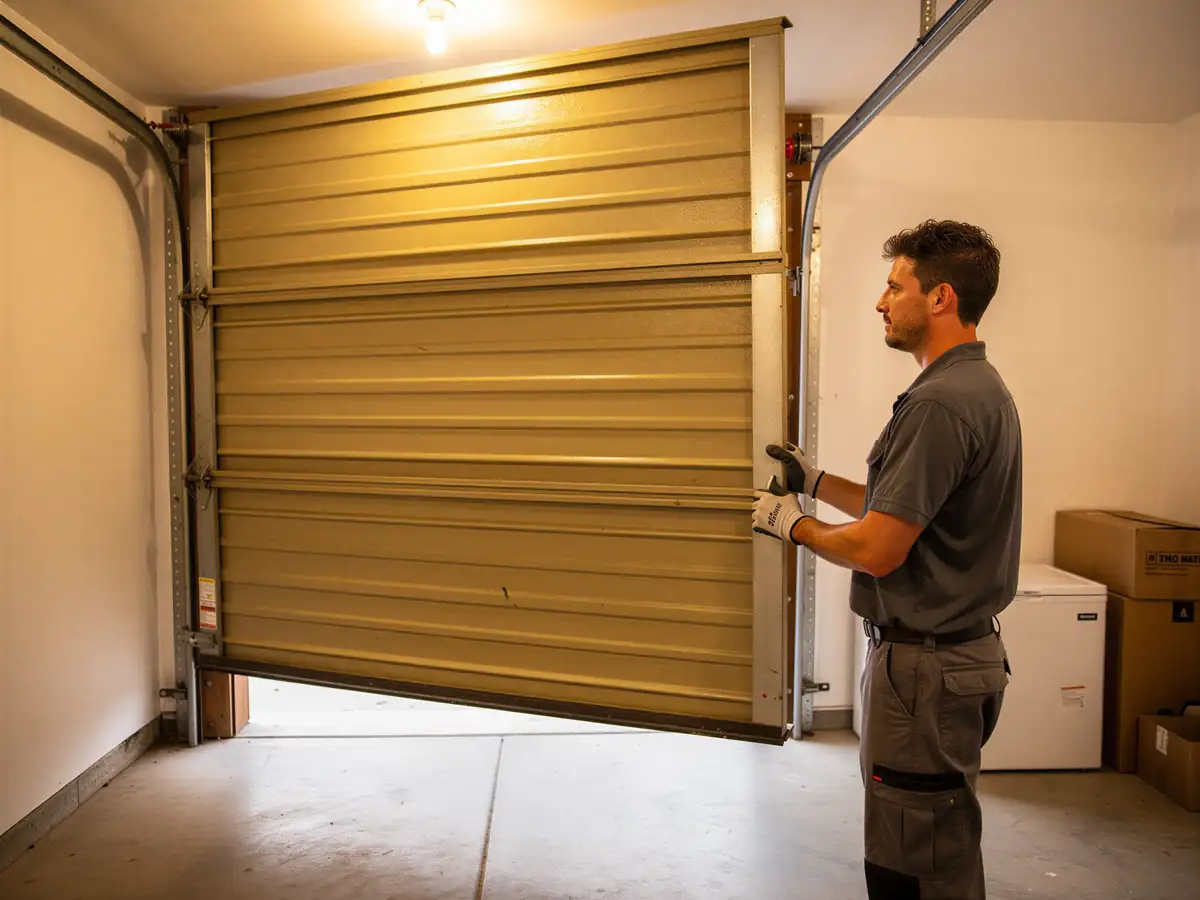
Track alignment drifts too, just more gradually than it would somewhere with real seasonal swing. Bolts that would get a sharp reminder from a freeze instead just loosen a little at a time, year after year, until a panel starts walking sideways on its rollers. None of this is dramatic. That's exactly why it gets ignored until the door is loud enough that someone finally calls.
What Is Going On
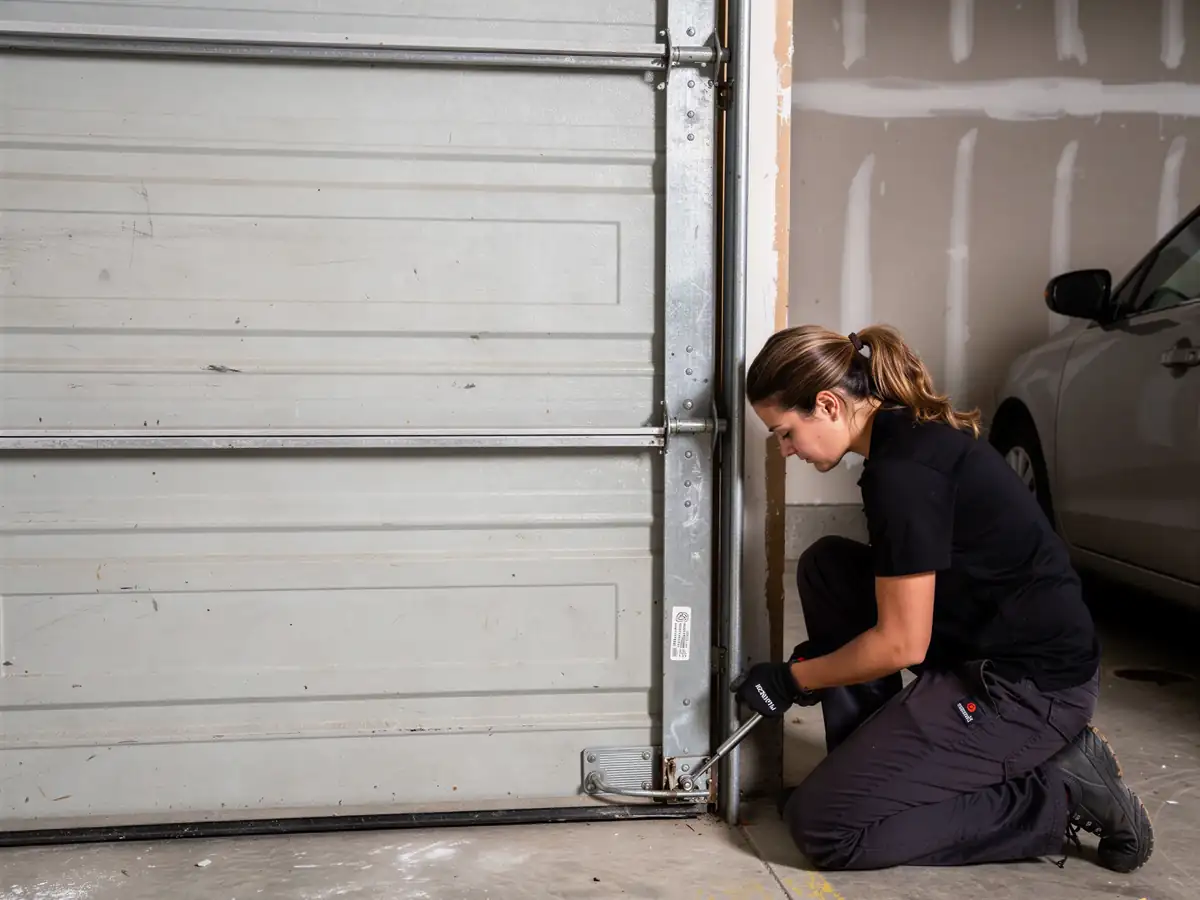
A grinding sound almost always means a roller
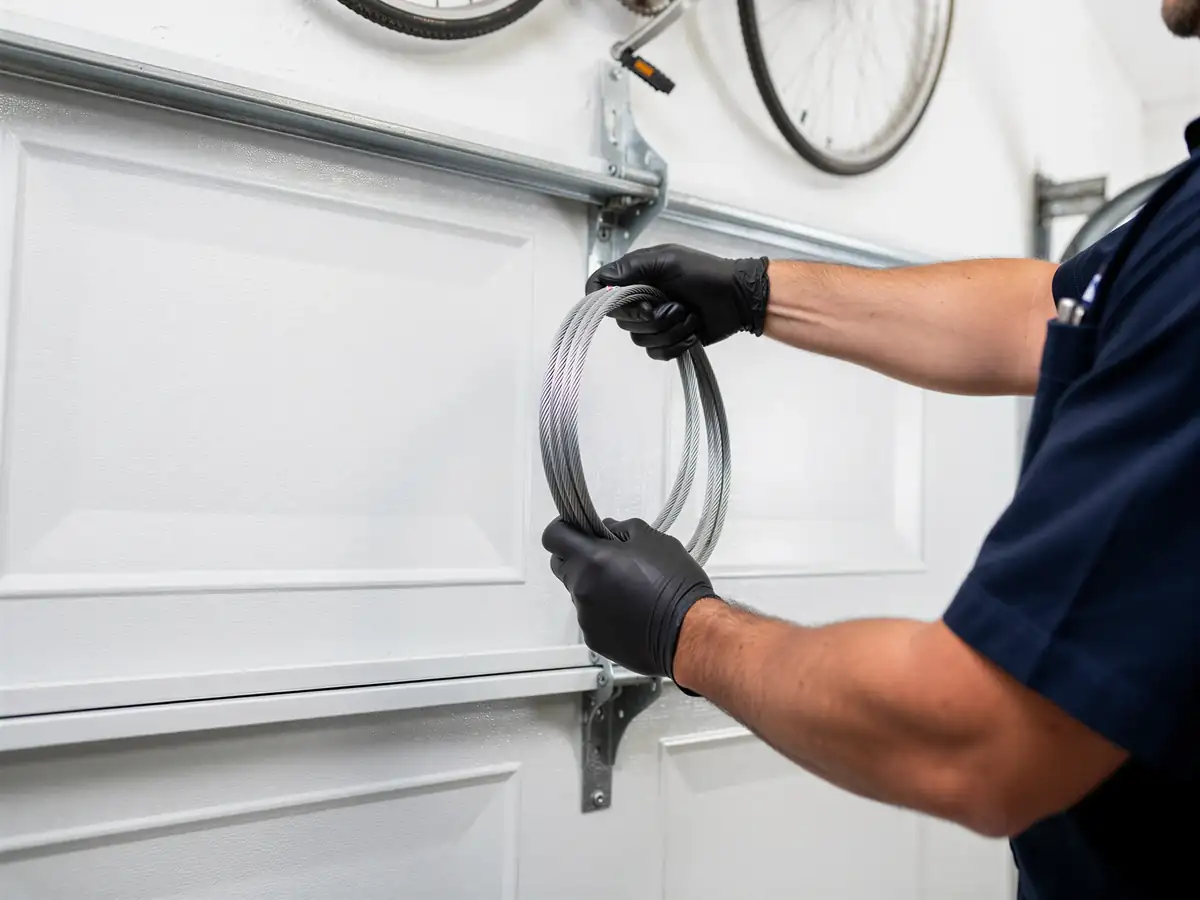
And on a house from the 1980s or 90s stock that's common through this area, that roller is probably the original steel one, not nylon - steel on an aging track is loud by design. A sharp pop followed by the door refusing to move is a cable or a spring giving out, and on original torsion hardware that's been sitting since this area's typical 1986 build year, that's not a surprise, that's overdue.
A rhythmic thump once per rotation usually points to a flat spot on a roller or a bent section of track
Annoying, not dangerous, and often a same-visit fix. A high whine from the opener head is usually the motor compensating for something downstream, most often a spring that's lost tension and is making the motor do work it was never built to carry.
If you're within a few miles of here
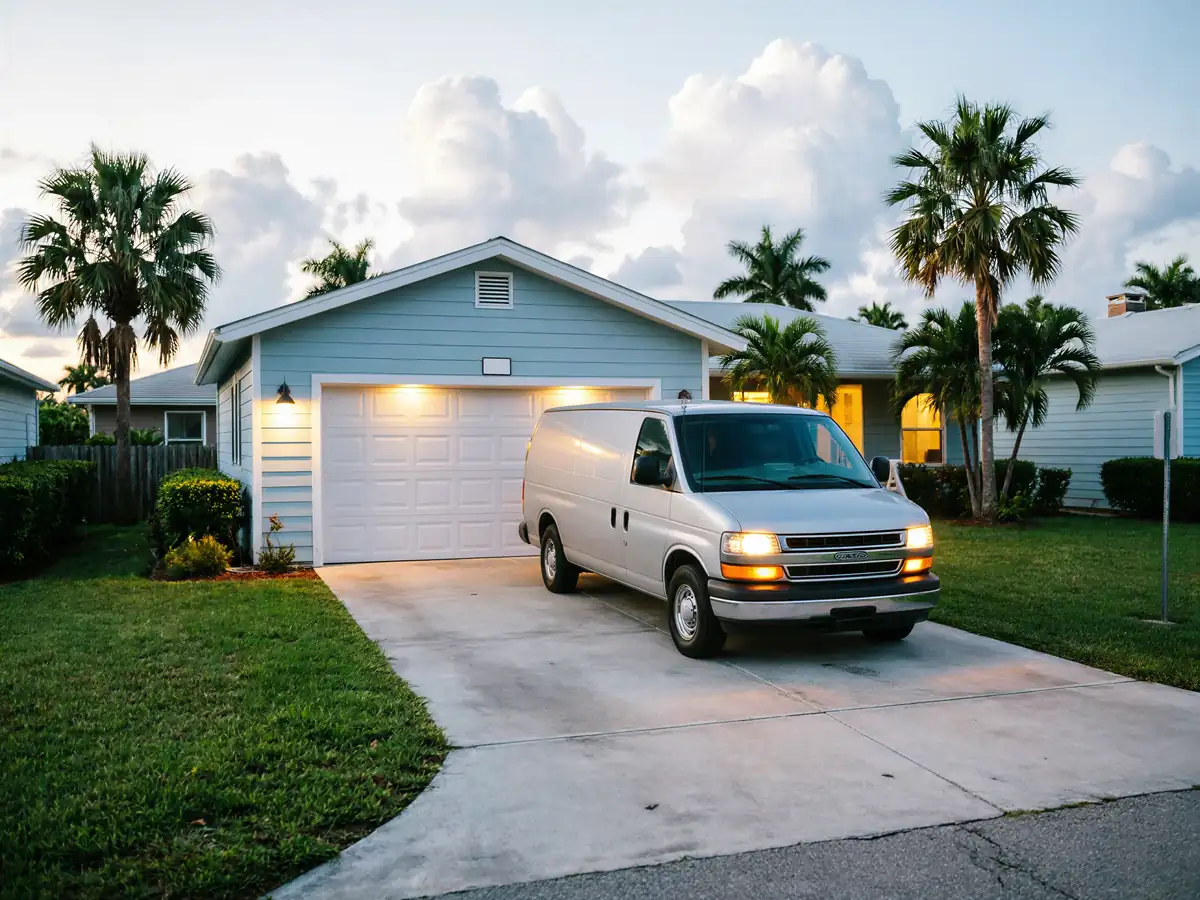
Three Oaks, San Carlos Park - the pattern repeats enough that most of these calls are diagnosable before the truck even leaves the shop, just from the description of the sound.