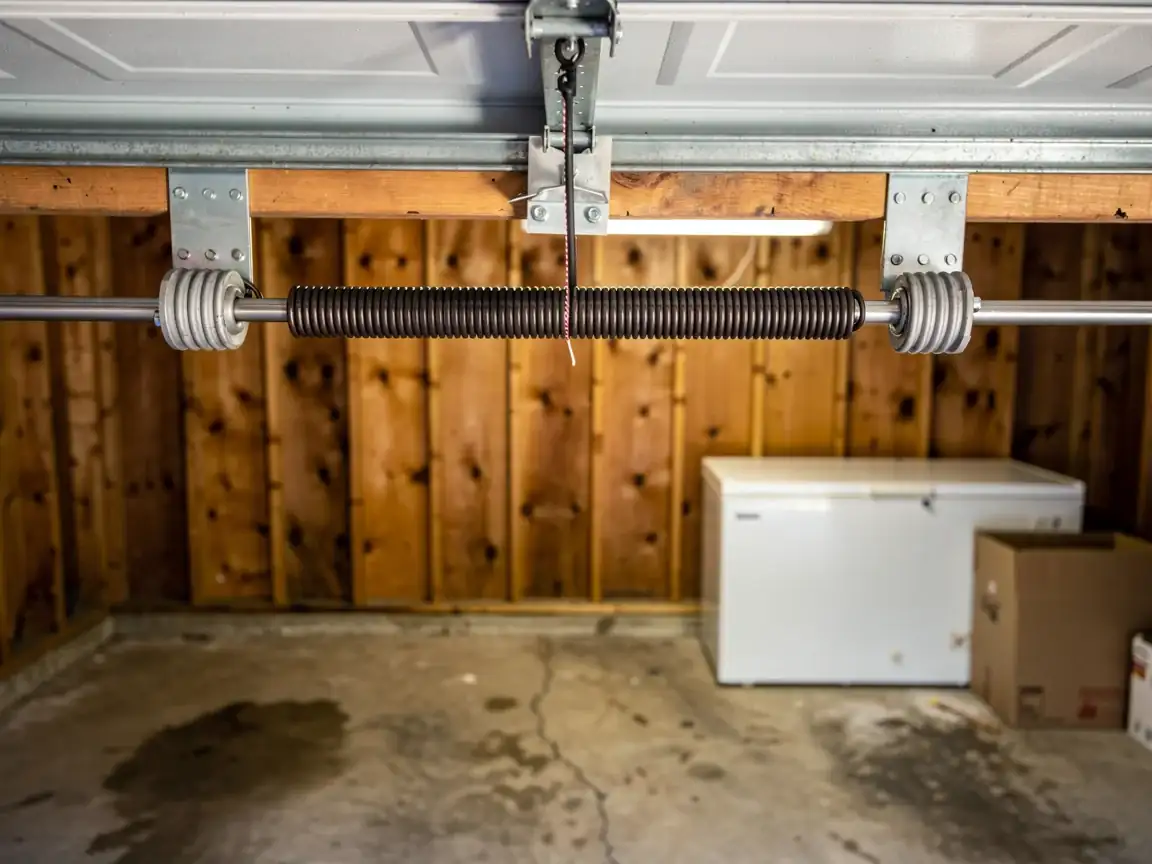
Most of the housing stock across this service area went up between 1970 and 2006, with a median build year around 1986. That means a huge share of the doors we get called on are original torsion springs or openers from that same era, now 20, 30, even 40 years past their rated cycle count. Springs don't fail on a schedule - they fail on a cycle count - so a door built during the 1980s-90s boom across the 20-plus named communities we cover is simply due, whether or not anyone's touched it.\n\nThe mild temperate climate here doesn't put the stress on doors that freeze-thaw regions see, so you won't get the cracked panels or iced track that cause emergency calls up north. What you get instead is slow fatigue: galvanized cable strands that give out quietly, nylon rollers that dry-rot in the heat and humidity, and opener circuit boards that cook in attic-adjacent garages for two decades before they finally trip. Humidity swings also work on wood-trim doors and steel panel seams over the years, loosening fasteners that were fine when the house was new.\n\nSo the emergency pattern here isn't storm damage - it's an aging door finally hitting its limit on a Tuesday morning when someone's already running late.
What You Pay
We don't publish a flat emergency rate here because what breaks on a 1986-built door versus a 2004-built door is rarely the same repair, and the honest number depends on what's actually failed once we're looking at it. A snapped torsion spring is a different job than a burned-out opener motor or a cable that's jumped the drum, and parts availability varies by door brand and age. What we can tell you is that we price the job once we've diagnosed it on-site, not before, because quoting blind on a door we haven't seen is how emergency calls turn into surprise invoices.\n\nOne honest limitation: if your opener is old enough that the manufacturer's stopped making boards for it, repair sometimes costs more than it's worth. We'll tell you straight when replacement is the better call instead of patching a 20-plus-year-old unit for a short-term fix.
What Is on the Truck
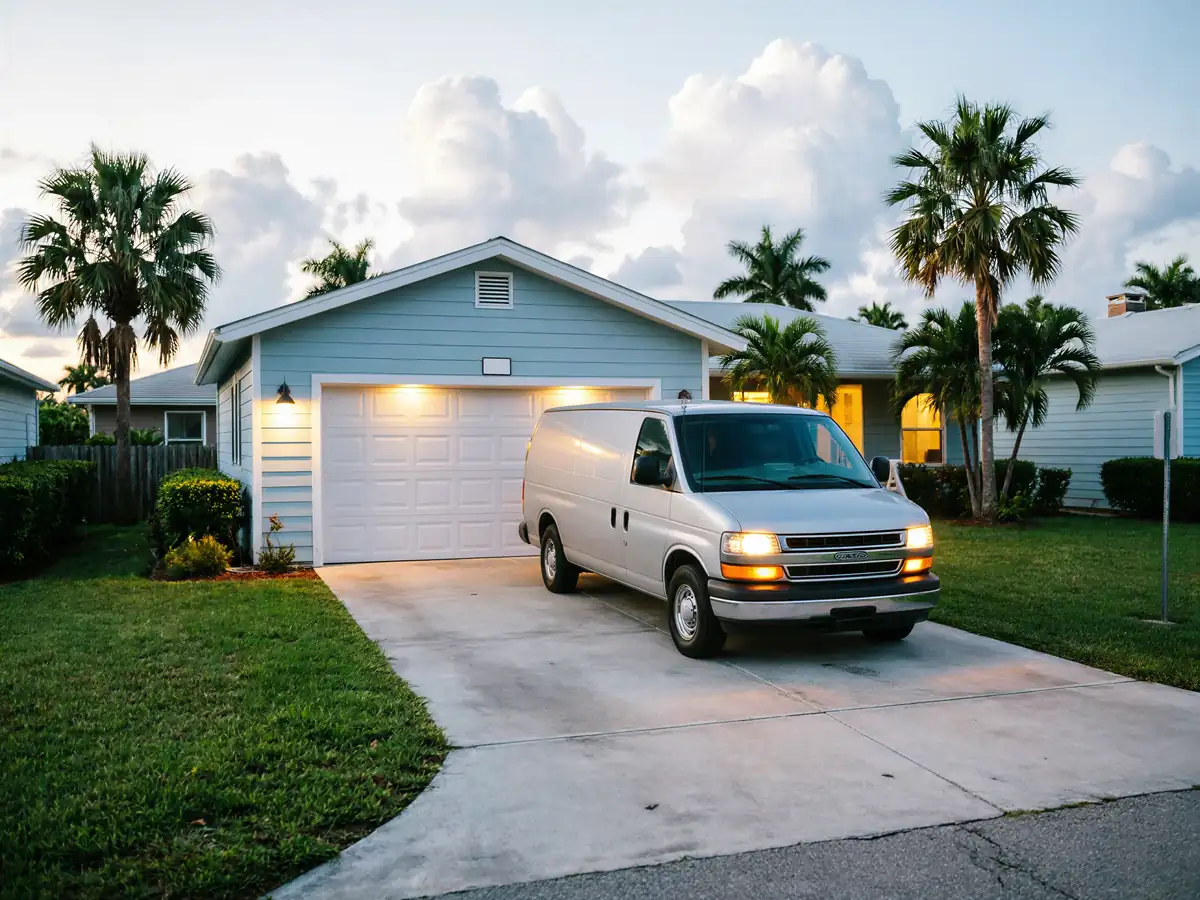
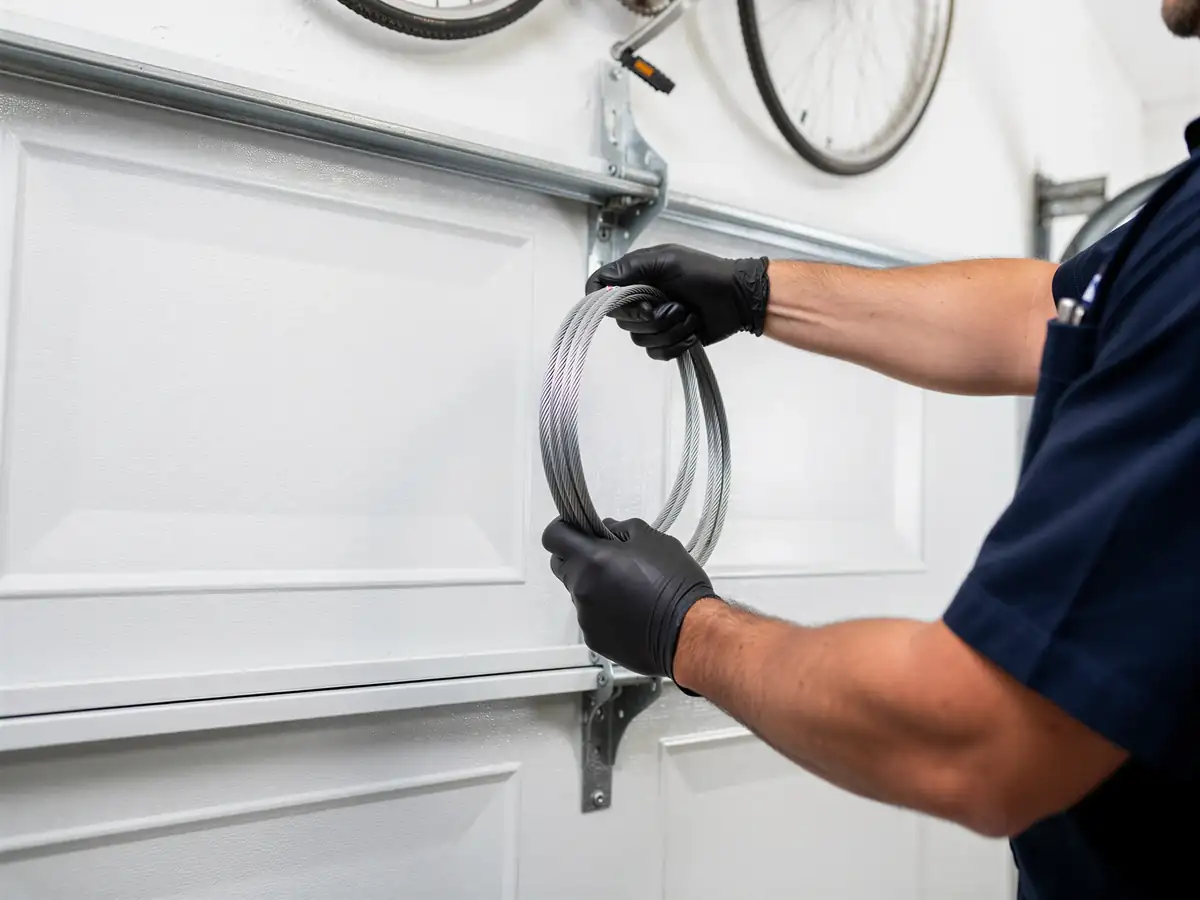
Given that so much of the service area's housing dates to the 1970-2006 window, the truck carries torsion and extension springs sized for that generation of door, standard-gauge lift cable, and the nylon and steel rollers that fail most often on original hardware from that stretch. We also stock universal opener logic boards and safety sensors, since a good share of emergency calls in homes from the 1980s-90s stock are a dead opener rather than a broken spring.\n\nWe carry the fasteners and track hardware that loosen over decades of the area's humidity cycles, plus cable drums and bottom brackets for the common residential door widths you'll find across the 36,333 owner-occupied houses in this service area. What we don't carry is every proprietary part for every custom or imported door - if your door is a less common brand, there can be a short wait on a specific panel or glass insert. For the mainstream residential doors that make up most of what's out there, we're rolling with the part already on the truck.
How It Shows Up
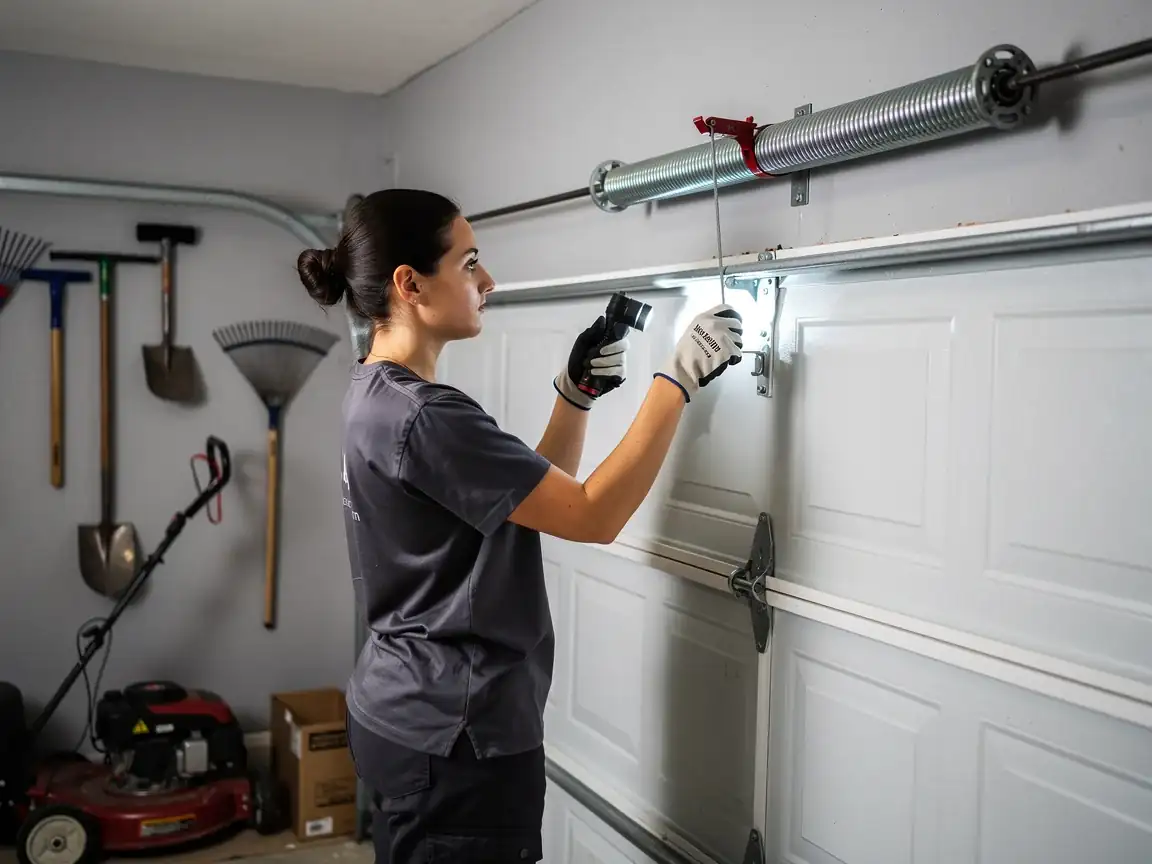
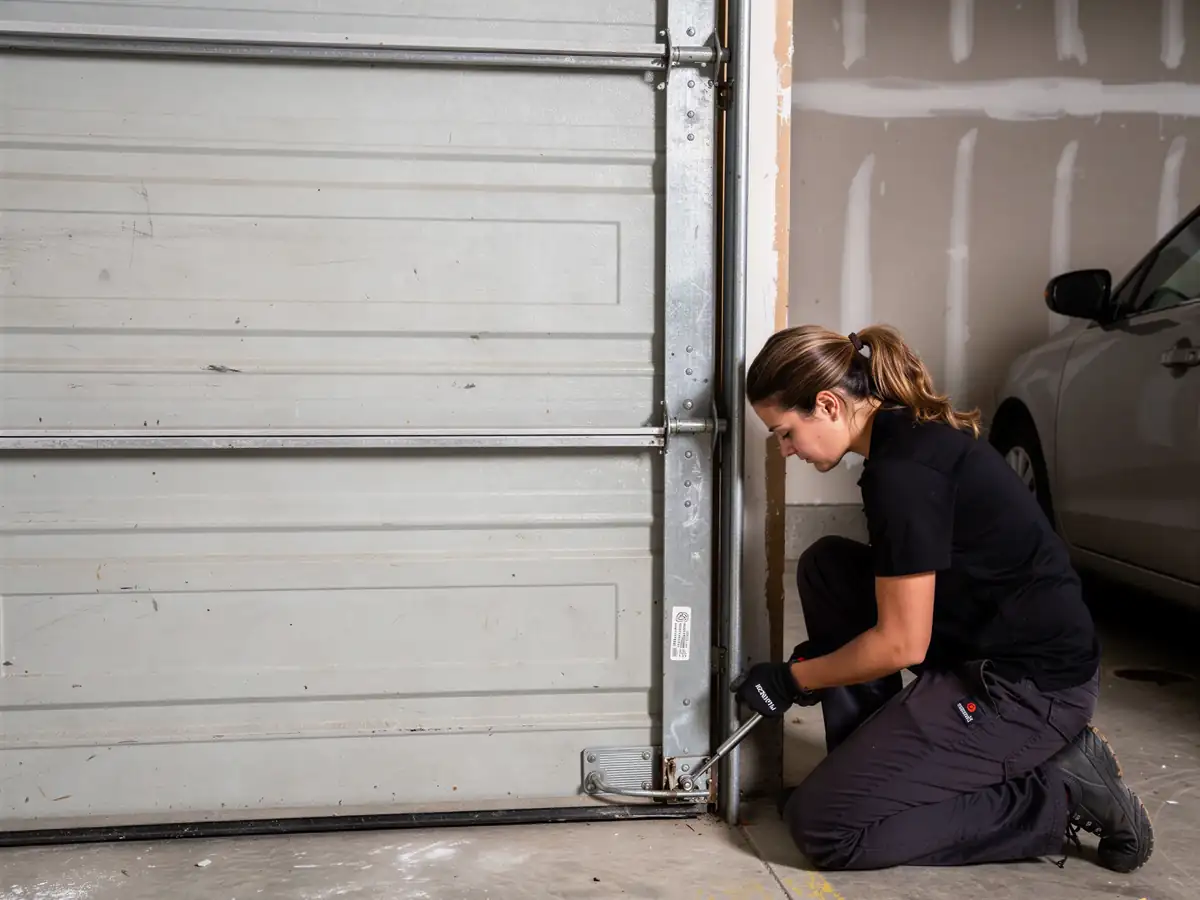
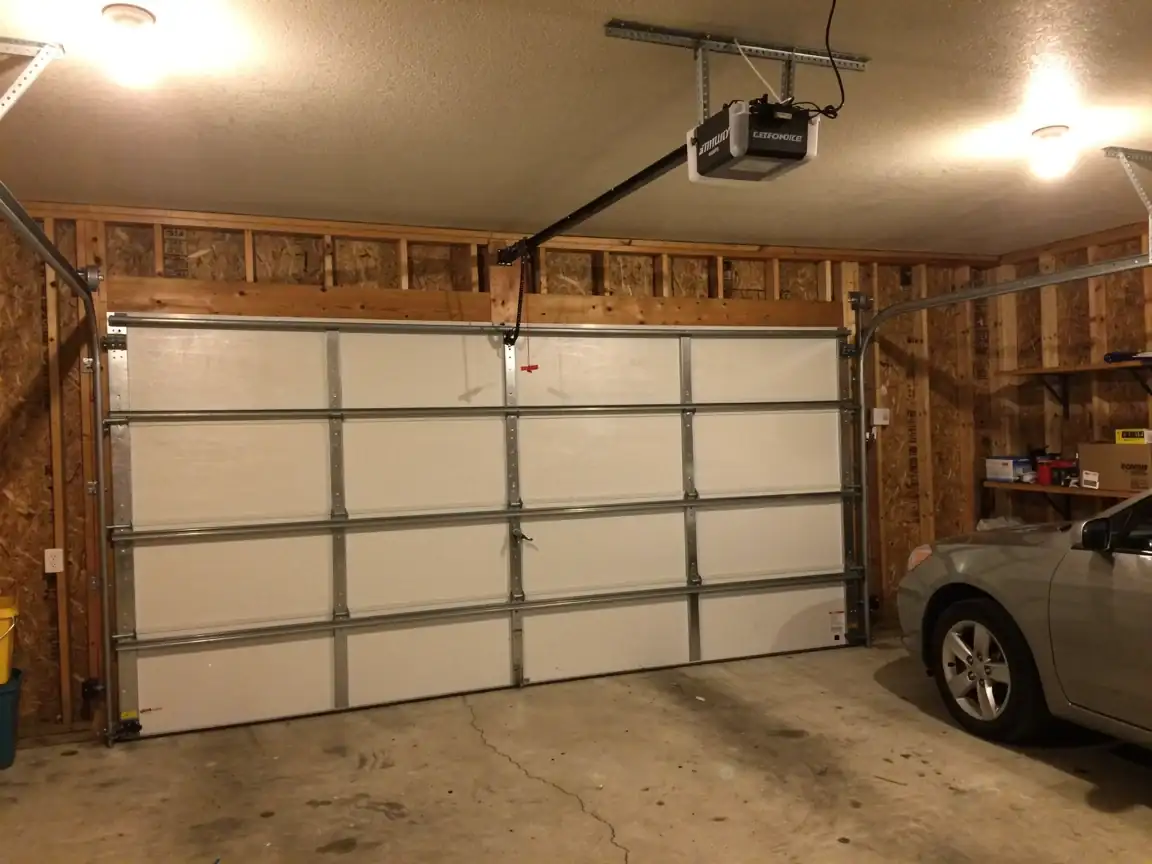
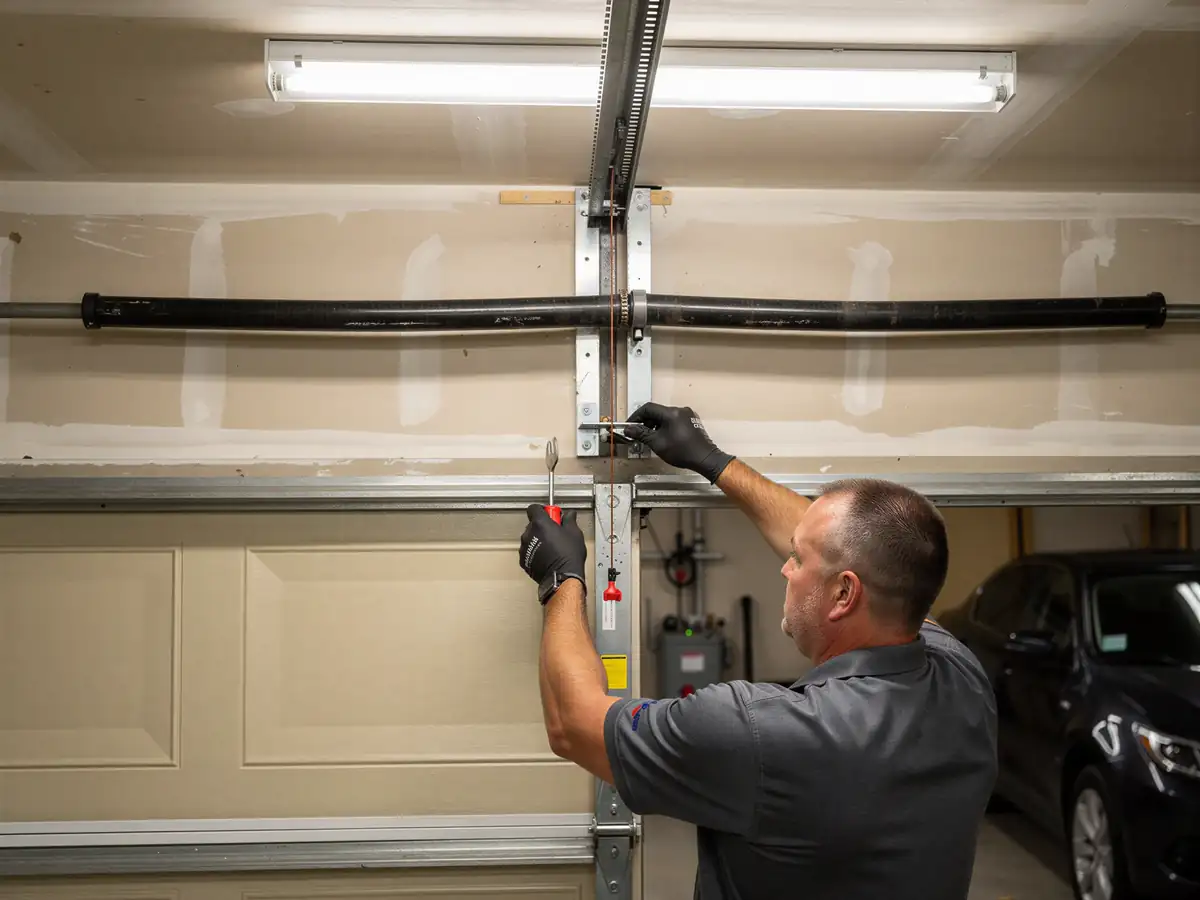
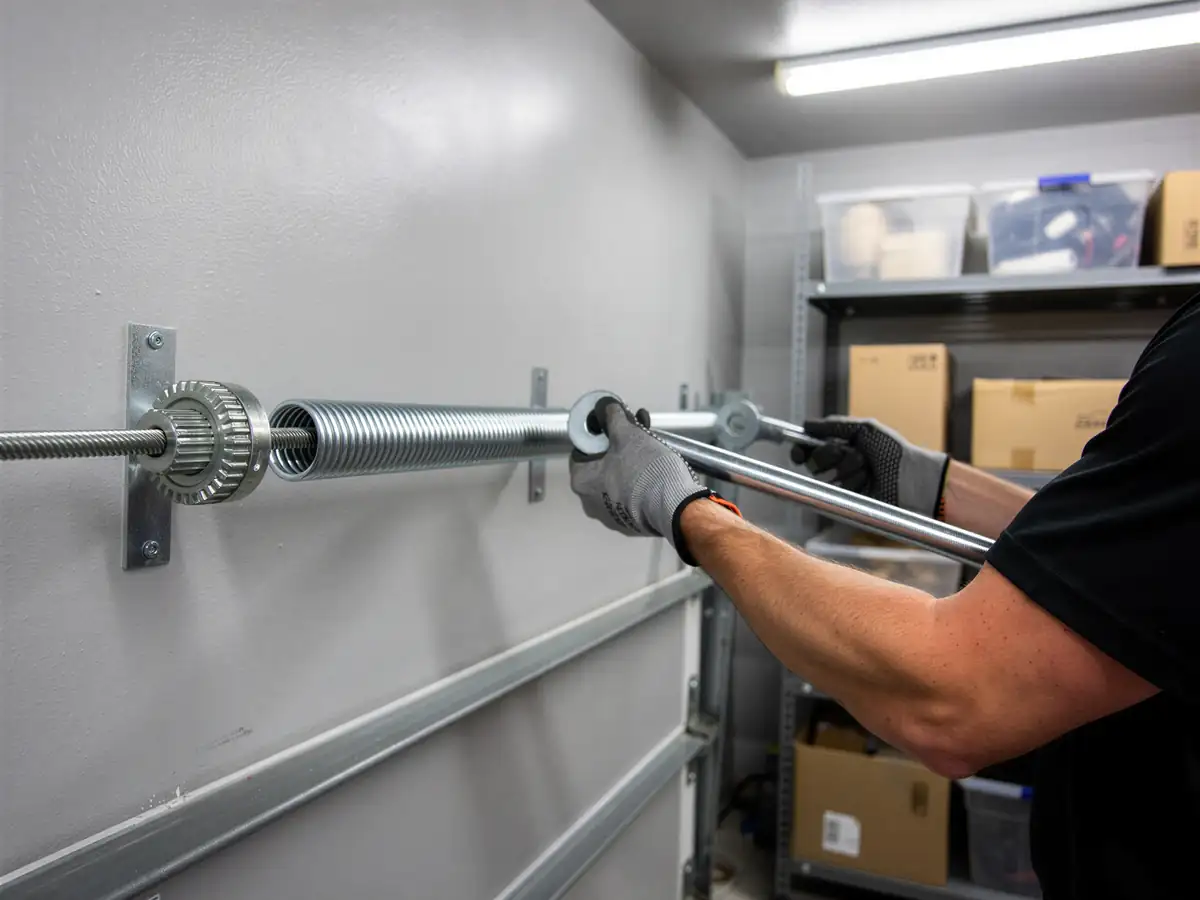
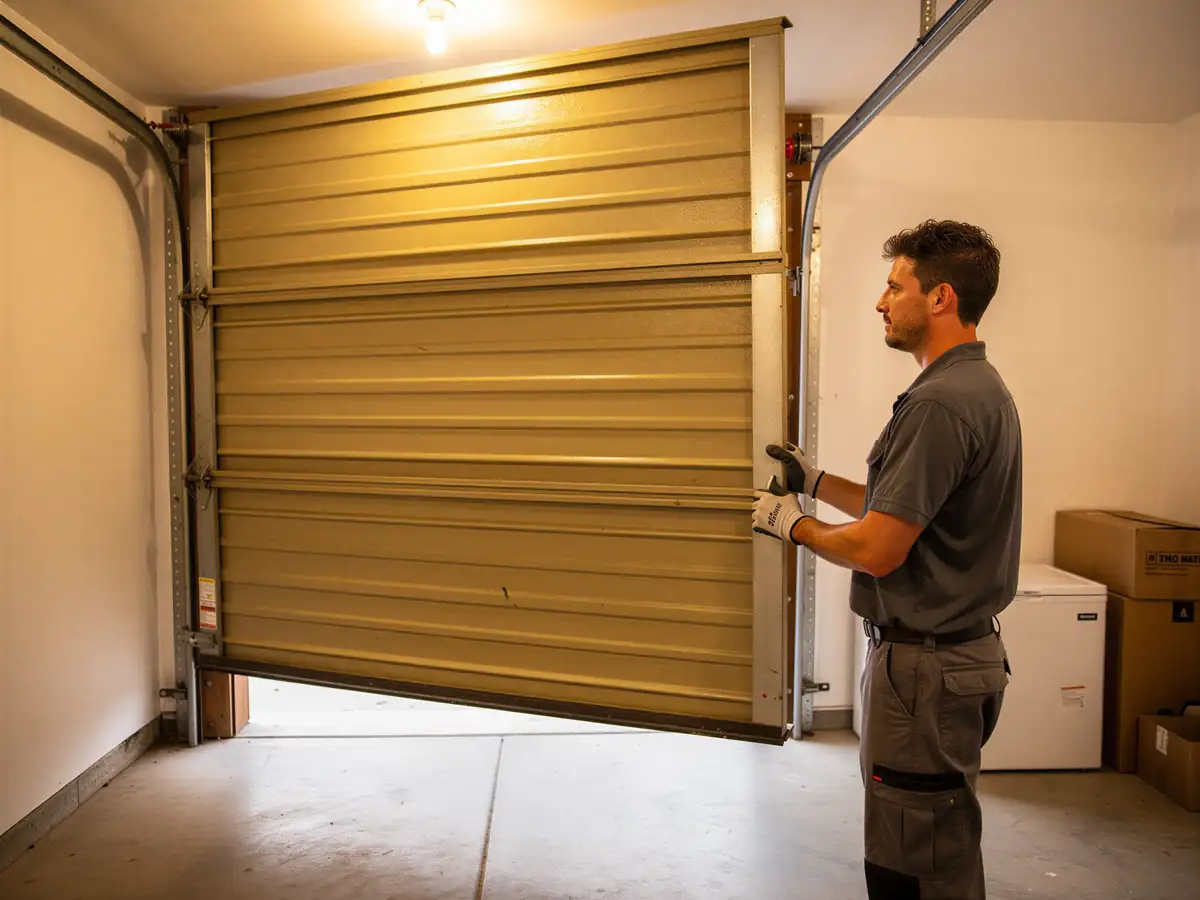
The call usually starts the same way: the door won't move, or it moved halfway and stopped, or it came down crooked and jammed in the track. On a torsion spring failure you'll often hear a loud bang from the garage - that's the spring letting go, not an opener fault - and the door will feel impossibly heavy if you try to lift it by hand afterward. A cable off the drum shows up as a door hanging lower on one side.\n\nOn the opener side, with so many units in this area dating back to the 1980s-90s build wave, the common failure is a board that just stops responding - no light, no hum, remote and wall button both dead. Sometimes it's a safety sensor knocked out of alignment, which is a five-minute fix, not a parts replacement, so that's always worth checking before assuming the worst.\n\nBecause the region's mild climate doesn't add weather urgency to most calls, the real emergency driver here is simply a household - one of roughly 71,428 across the service area - losing the one working vehicle exit until the door's fixed.
How it works
From “it’s stuck” to “it’s fixed”
01
Tell us what’s wrong
Describe the symptom - won’t open, loud bang, opener runs but the door won’t move.
02
On-site diagnosis
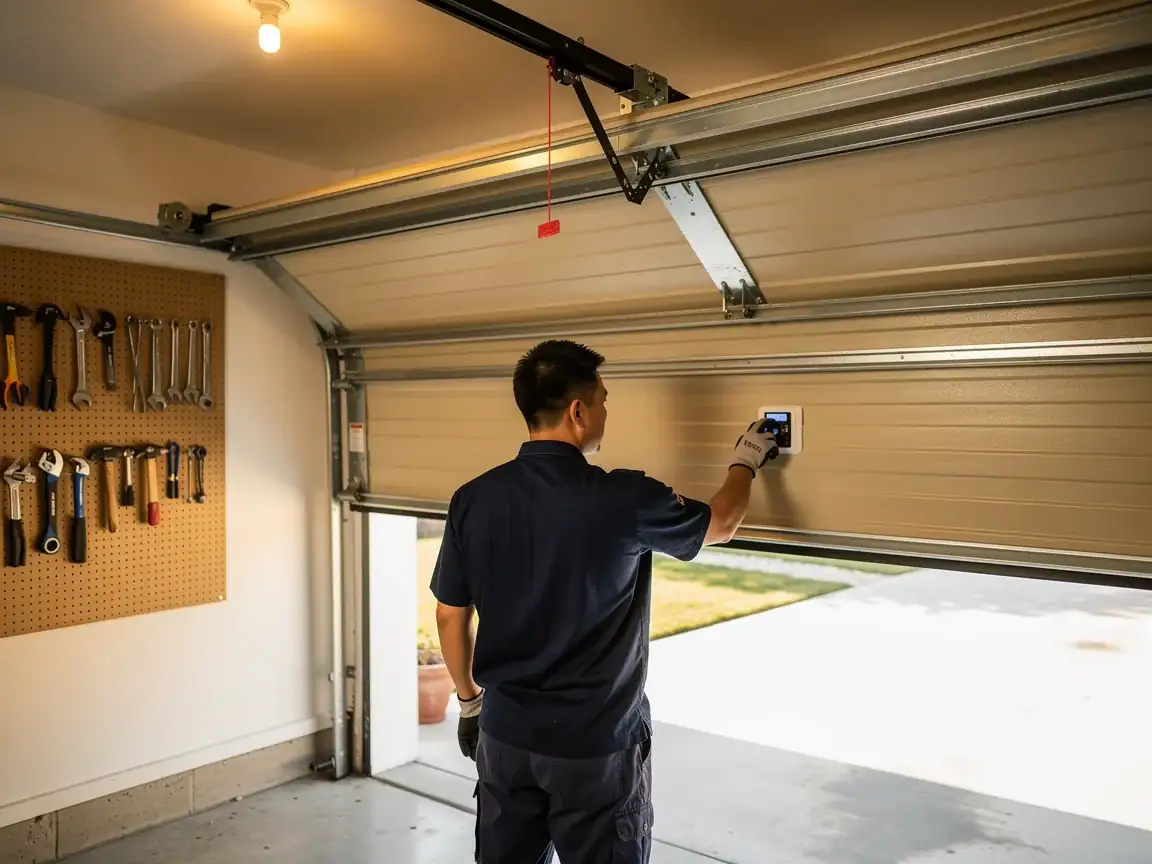
A technician tests the door under power and by hand and finds what actually failed.
03
Clear, up-front plan
You get the fix that’s needed and what drives the cost - before any work starts.
04
Repaired & tested
The repair is done, the door is set true and tested, and the work area left clean.
Not sure which repair your door needs in Estero, FL? Describe what it’s doing - every job starts with a diagnosis.
Why did my garage door spring break with no warning?
Torsion springs fail by cycle count, not by age on the calendar. A lot of doors across this area date to the 1970-2006 building boom, so springs installed when the house was built are now well past their rated cycles. There's rarely a warning - you'll usually just hear a bang and the door won't lift.
Is a dead opener usually the motor or the board?
On older units from the 1980s-90s stock common here, it's often the logic board rather than the motor itself. We carry universal boards on the truck for exactly this reason, though on units old enough that the manufacturer's discontinued parts, replacement can end up being the more sensible fix.
Do you give a price over the phone for an emergency repair?
Not a firm one. Spring, cable, and opener repairs price differently depending on what's actually broken and the door's age, so we quote once we've looked at it in person rather than guessing over the phone and risking a number that doesn't hold up.
Ready to get your garage door sorted?
Tell us what it’s doing and where you are in Estero - we’ll take it from there.