
The Split Between Old and New
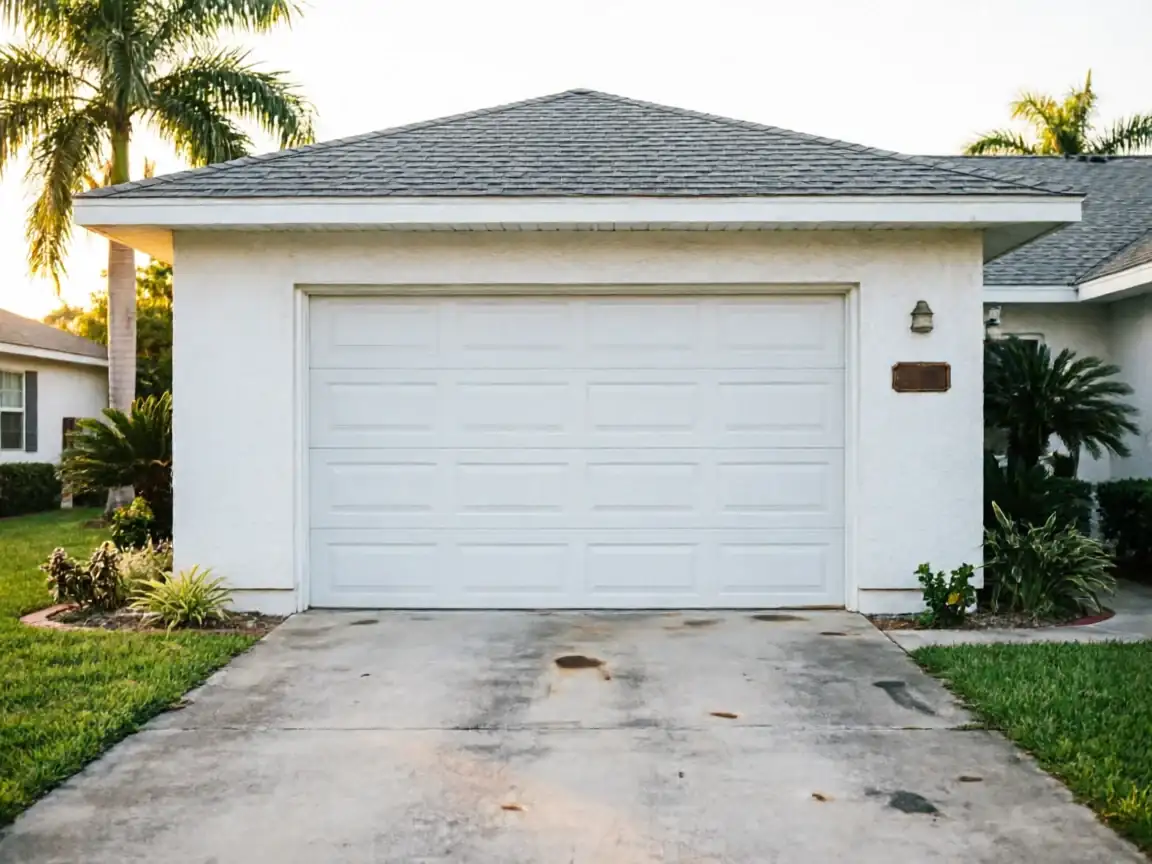
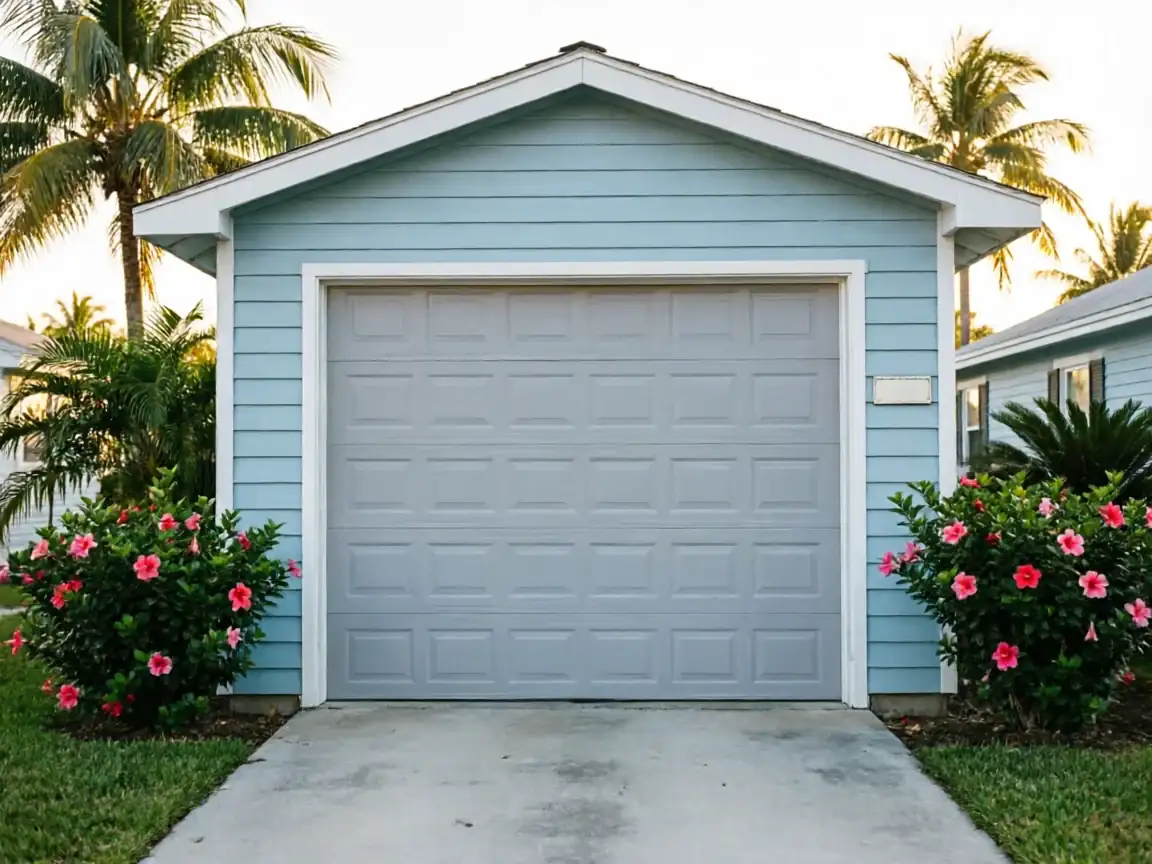
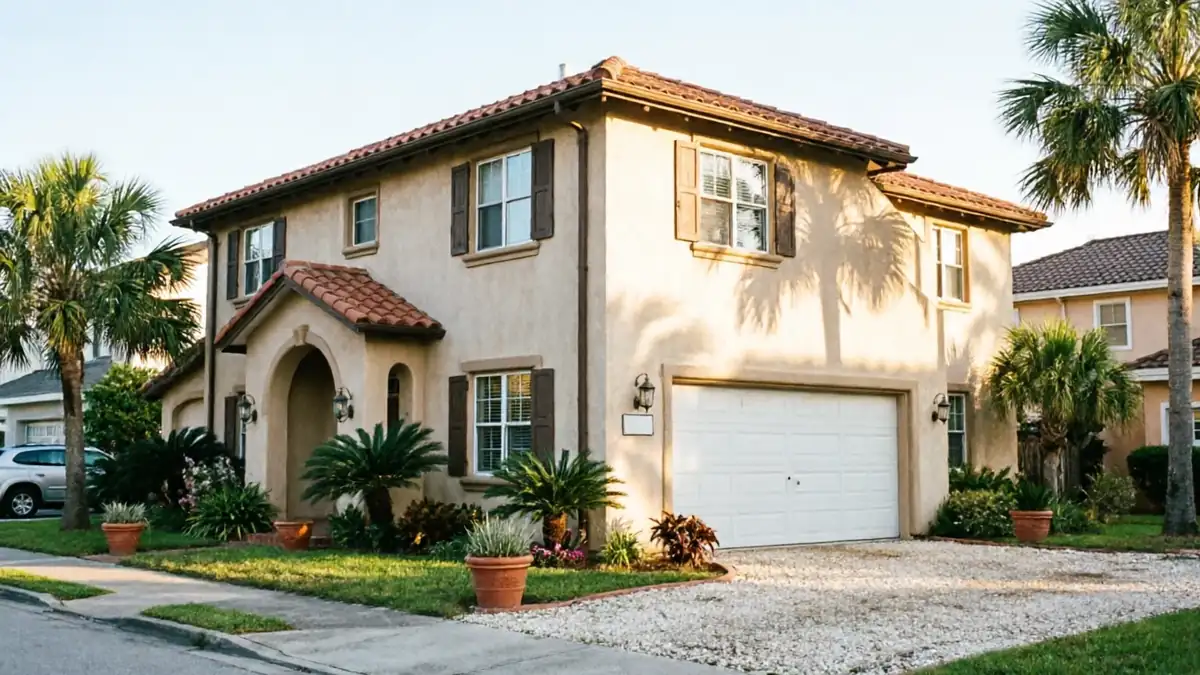
The city-wide housing stock we work across runs from 1970 to 2006, with a median build year of 1986 - that's the number that shapes most of our service area. Buckingham runs later. The median year built here is 1994, a good eight years newer than the broader area's midpoint. That gap matters more than it sounds. A door and opener installed in 1986 has had roughly a decade longer to wear out bearings, dry-rot wood panels, or run on an opener with no rolling-code security at all. Buckingham's housing, sitting closer to the 1994 mark, is more likely to have steel panel doors on standard torsion springs rather than the older flat-panel, chain-drive setups you'll find in the oldest pockets of the wider service area. It's a newer baseline, not a different problem set - just a different starting point for what's likely already failed and what probably hasn't yet.
What That Means for Doors
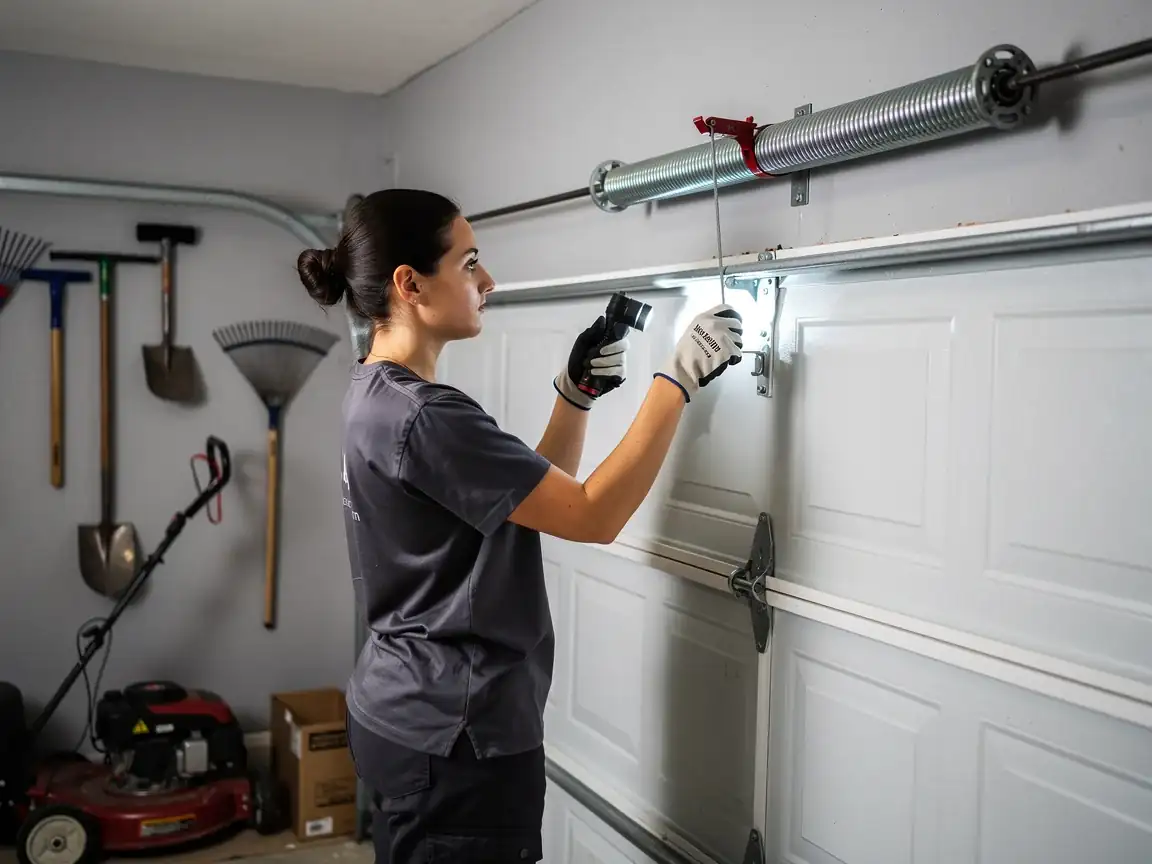
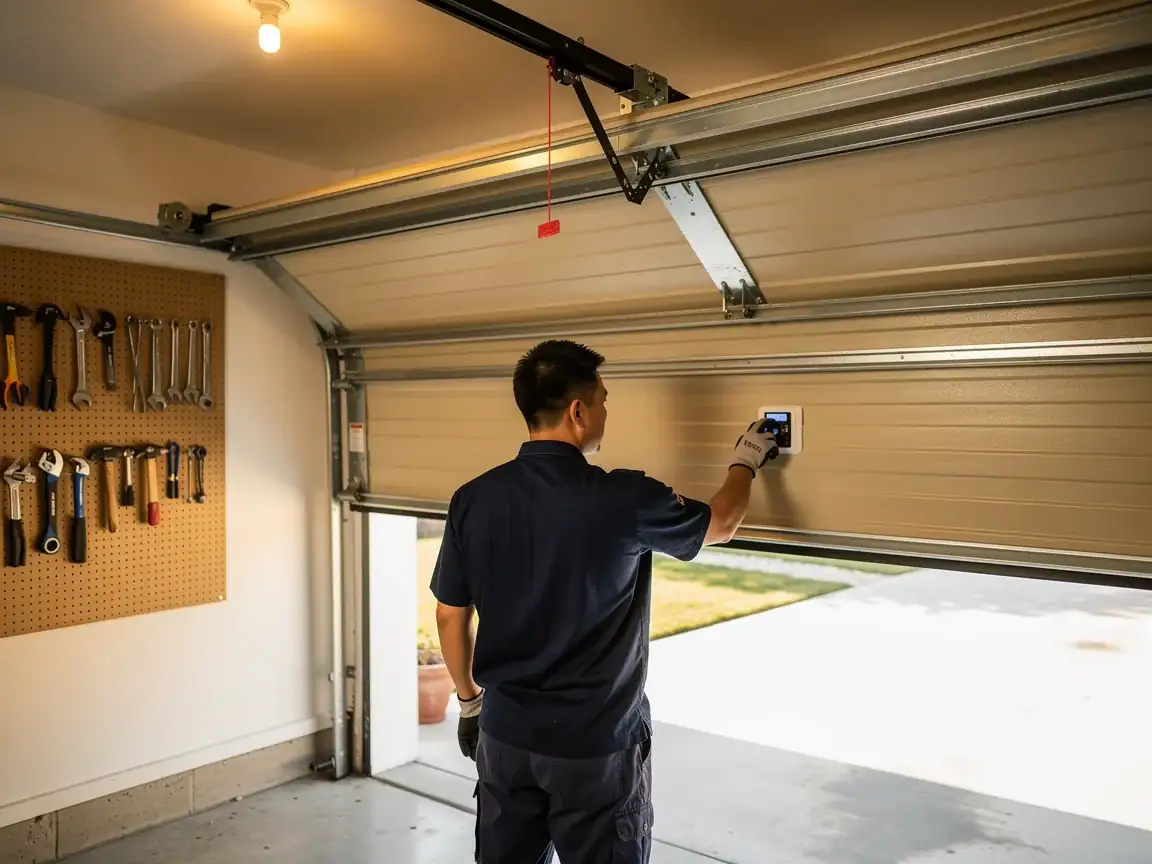
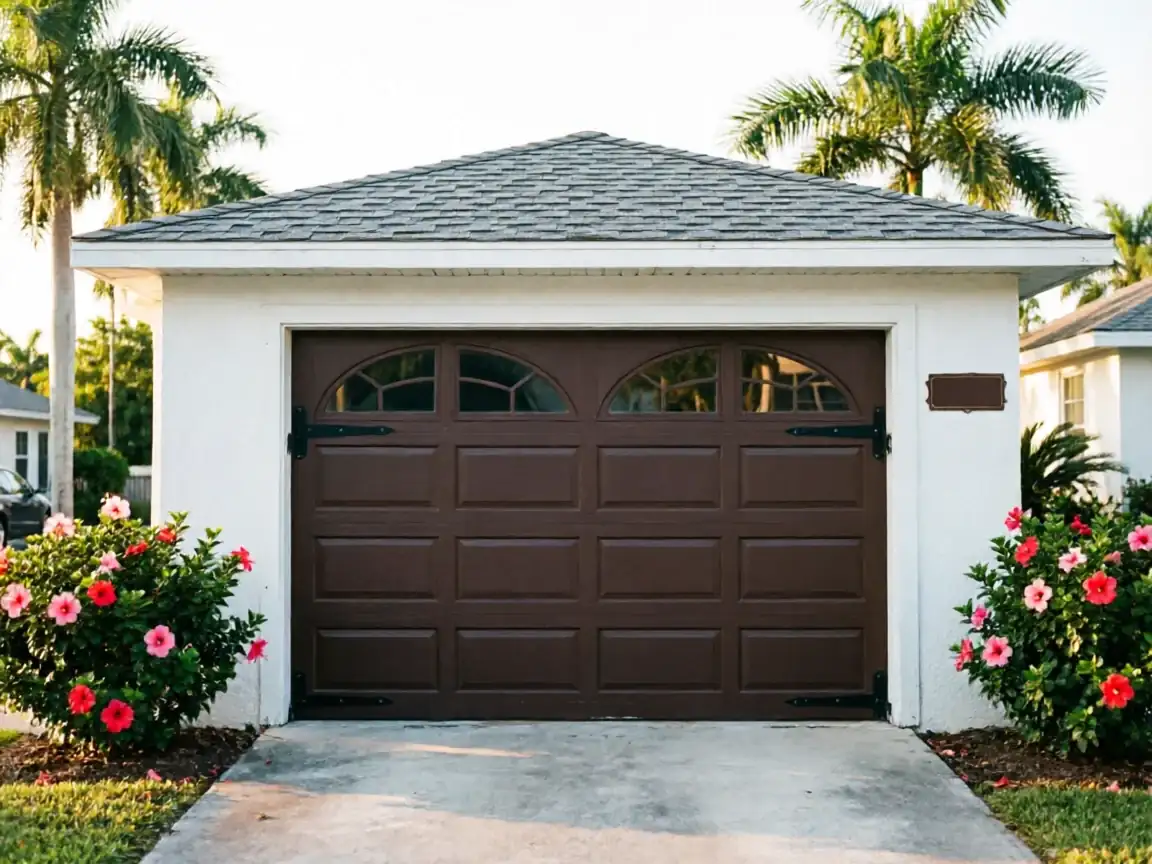
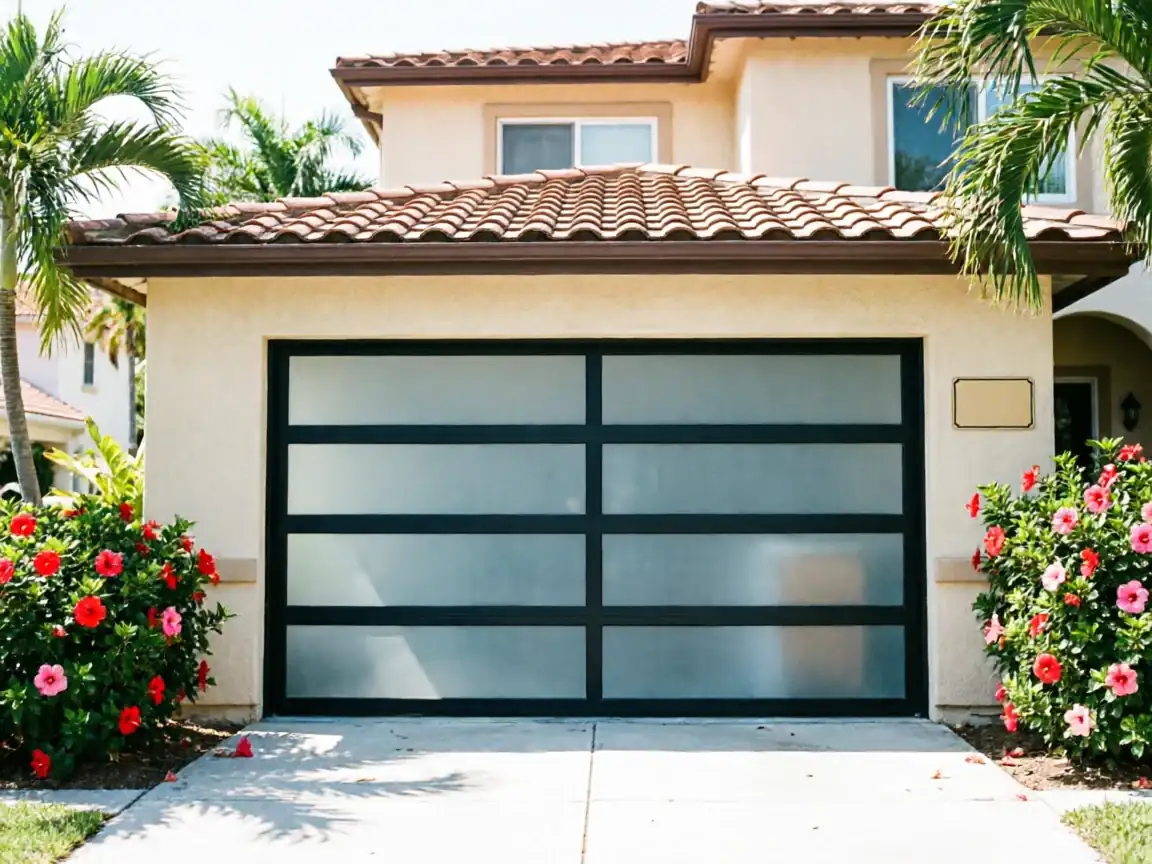
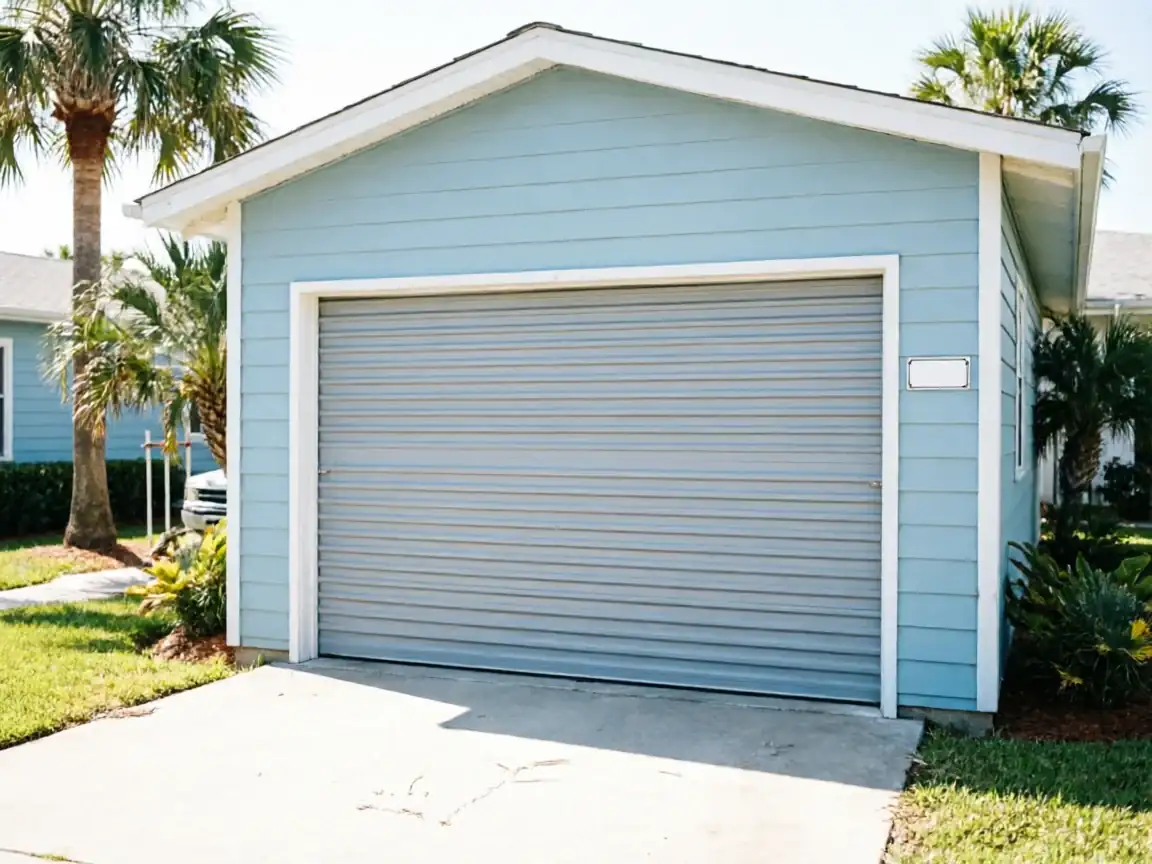
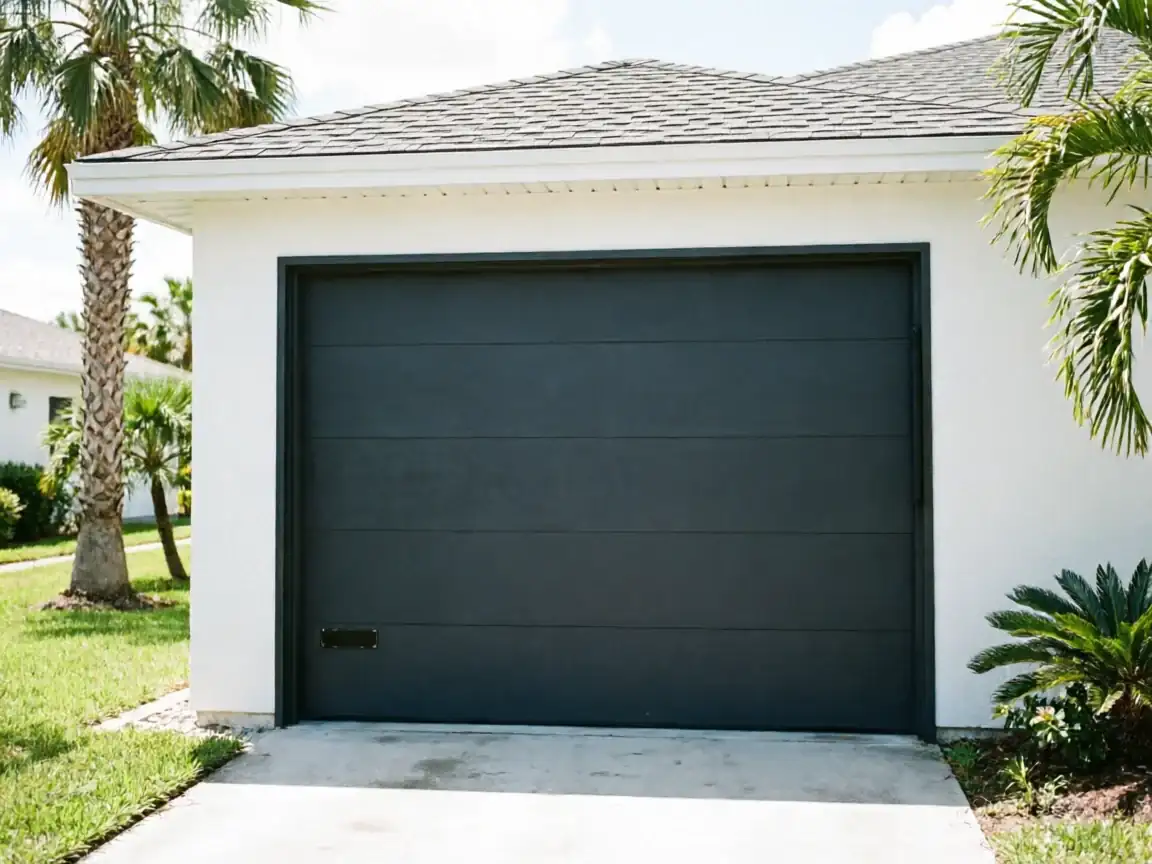
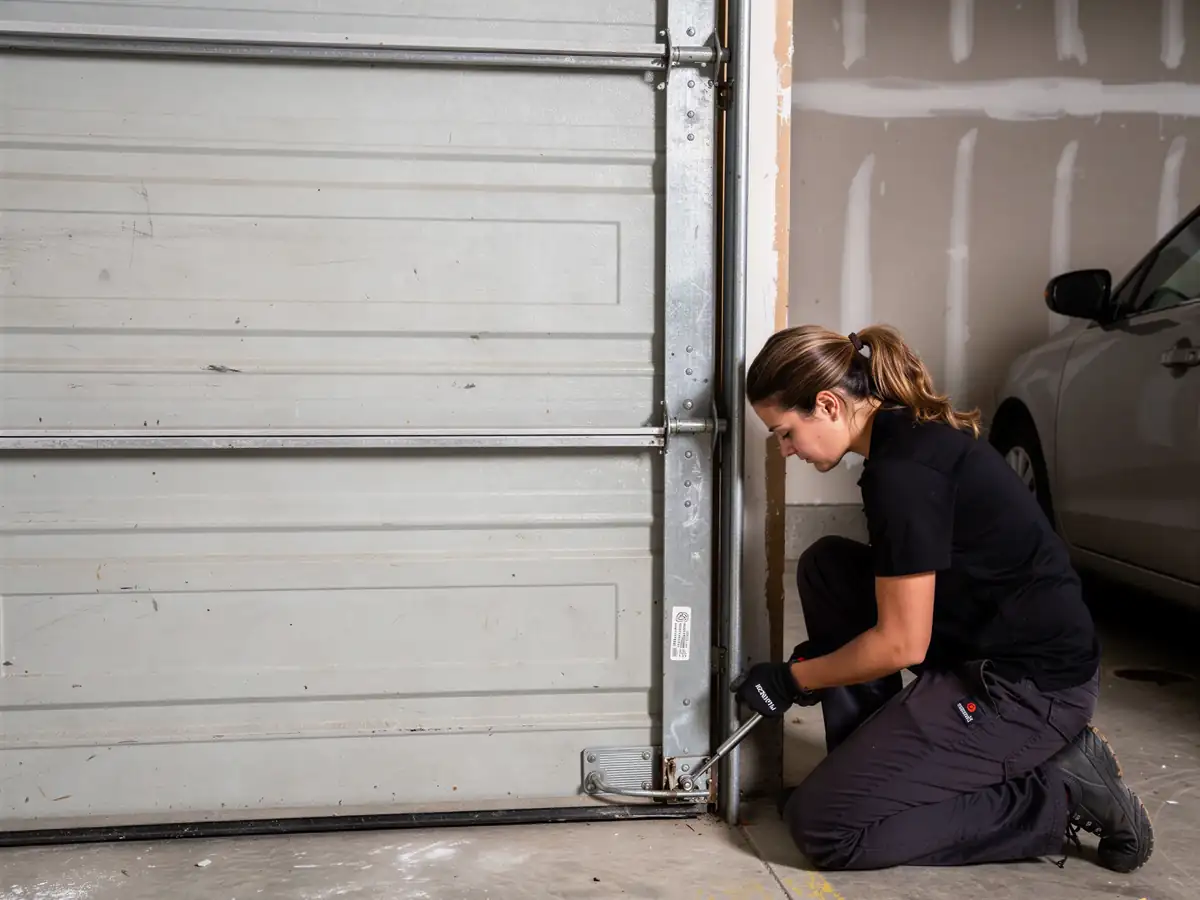
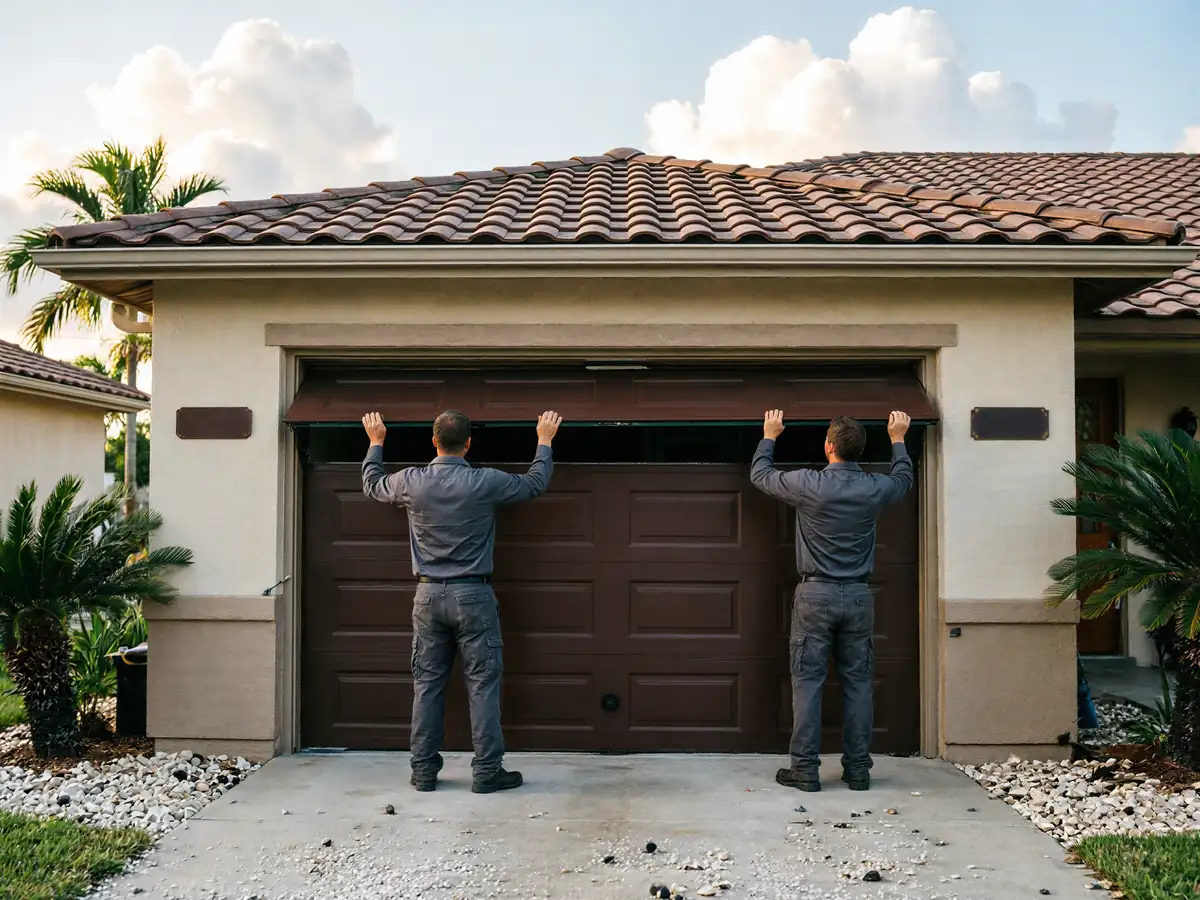
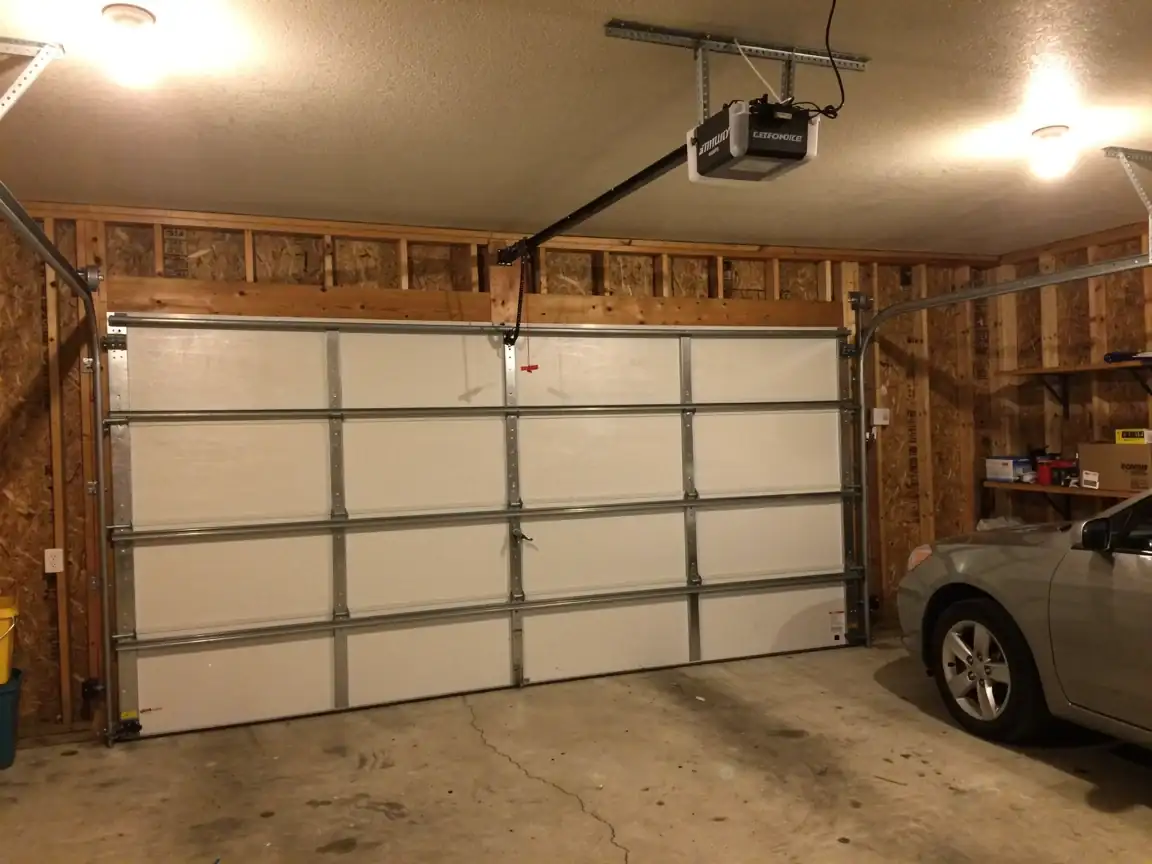
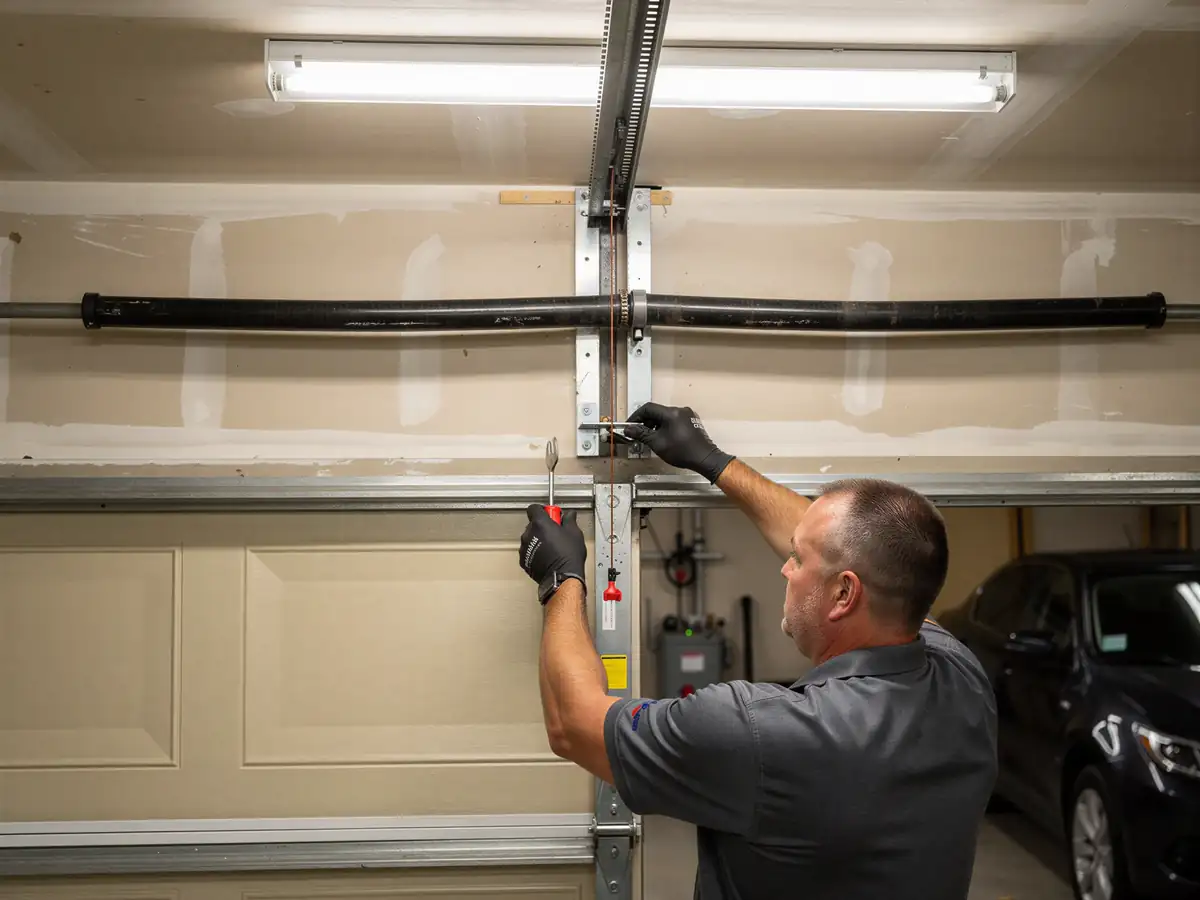
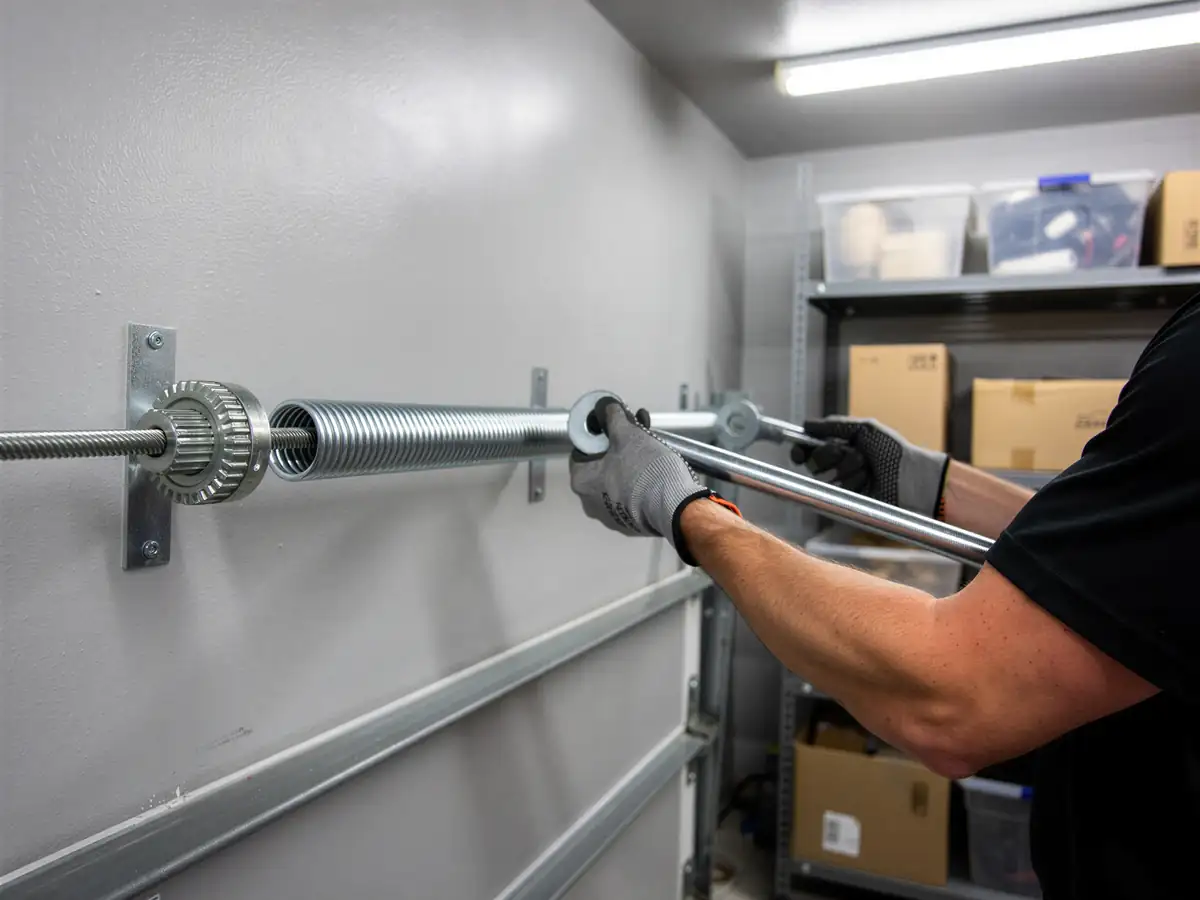
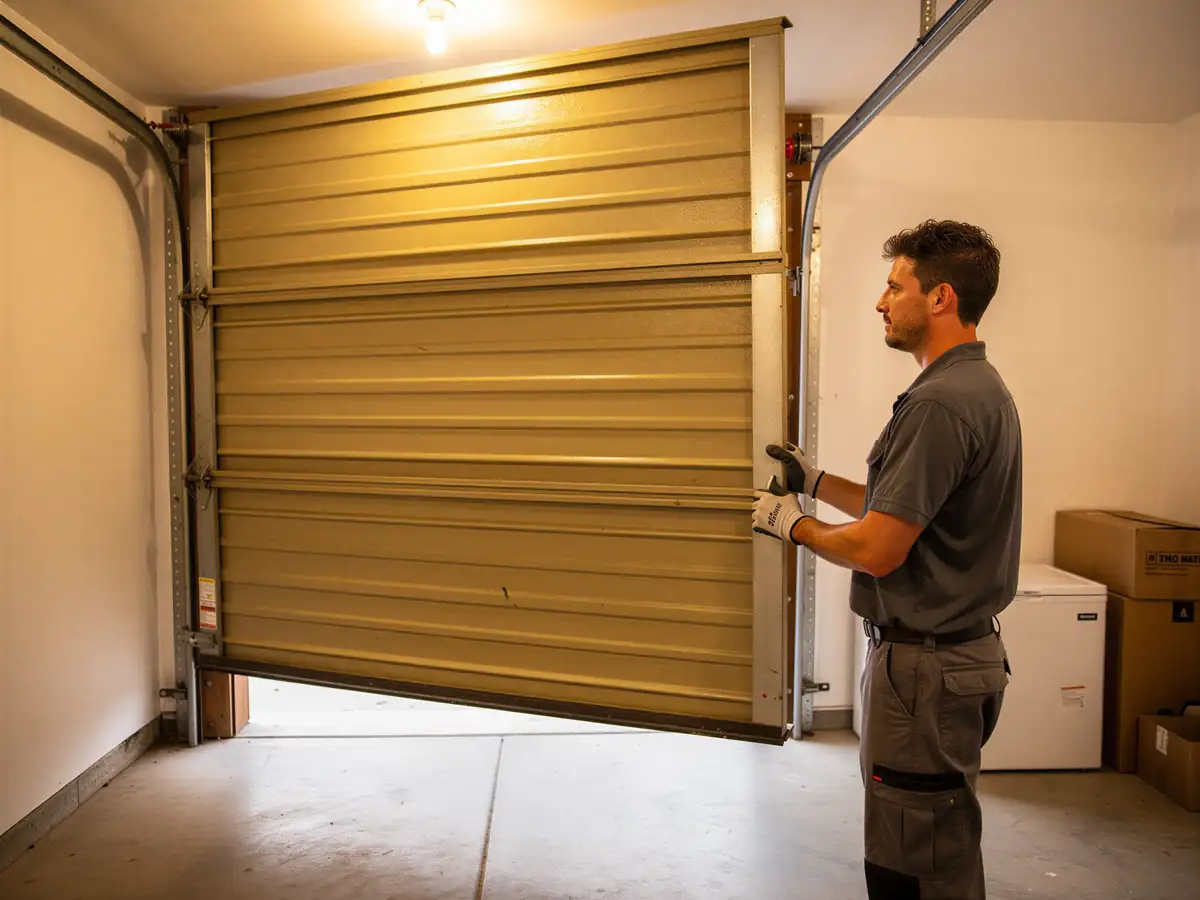
A door going up in 1994 is almost always a steel sectional on a torsion spring, mounted on standard-width track - parts that are still common and still stocked, unlike the oddball side-mounted hardware you find on pre-1980 builds elsewhere in the area. That's good news for repair turnaround once we're on site: fewer special-order waits. What we see go wrong on houses this age is usually wear, not design. Springs that have cycled for two to three decades start losing tension unevenly, which shows up as a door that opens crooked or stalls partway. Nylon rollers from original installs are often original rollers - nobody replaces those until they're grinding. Openers from the mid-90s are reaching the end of a normal service life, and parts for some older chain-drive units are getting harder to source. The mild temperate climate here means we're not fighting the frozen-grease or warped-wood issues that cold-climate crews deal with, but it also means humidity and UV wear on seals and weatherstripping shows up steadily rather than in dramatic failures.