Where We Stop
We run out of Estero
And Fort Myers Beach sits about 7 miles down the road - close enough that it's a normal stop on the truck's day, not a special trip. We don't keep a yard or a counter on the island itself; the job gets scheduled from Estero and the tech drives in with the parts already loaded. That matters for timing: if a spring breaks on a Saturday night, we're not going to pretend there's a local depot that can beat a call across town. We're honest that this is a service-area stop, not a branch.
- 7 miles
Fort Myers Beach is one of several nearby communities we work in alongside Estero itself
Along with spots like Three Oaks and San Carlos Park that sit even closer. The island's own housing pattern is different enough from the rest of our coverage area that it's worth laying out separately rather than folding it into a generic city write-up.
The Split Between Old and New
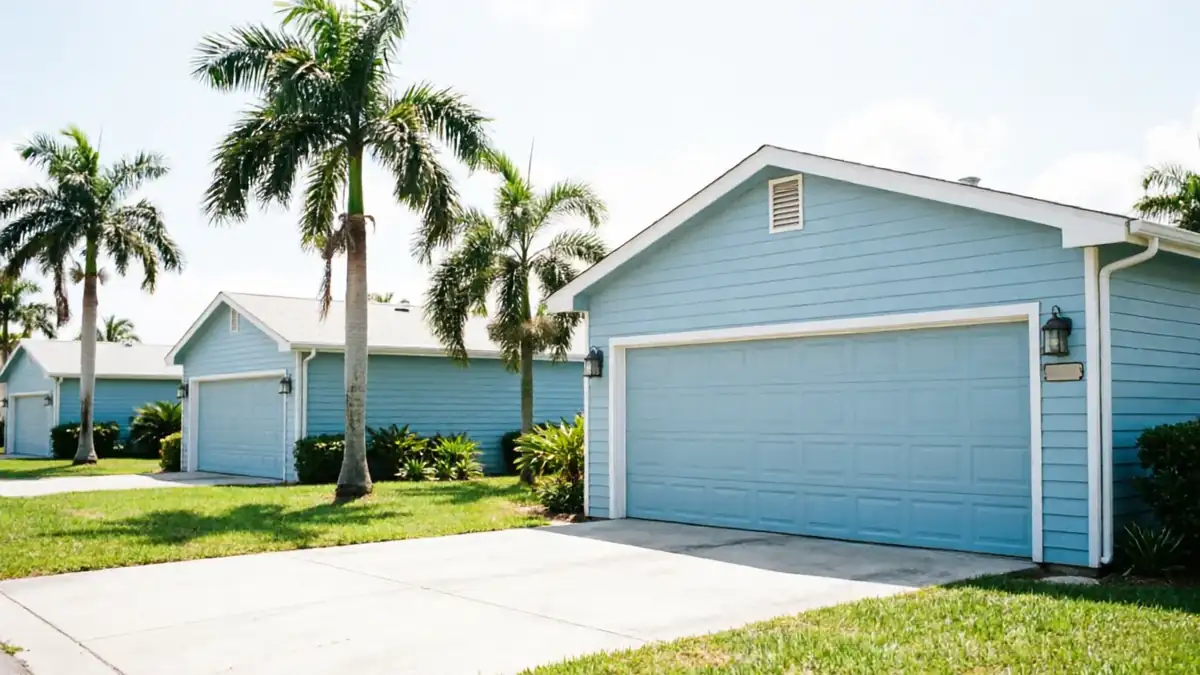
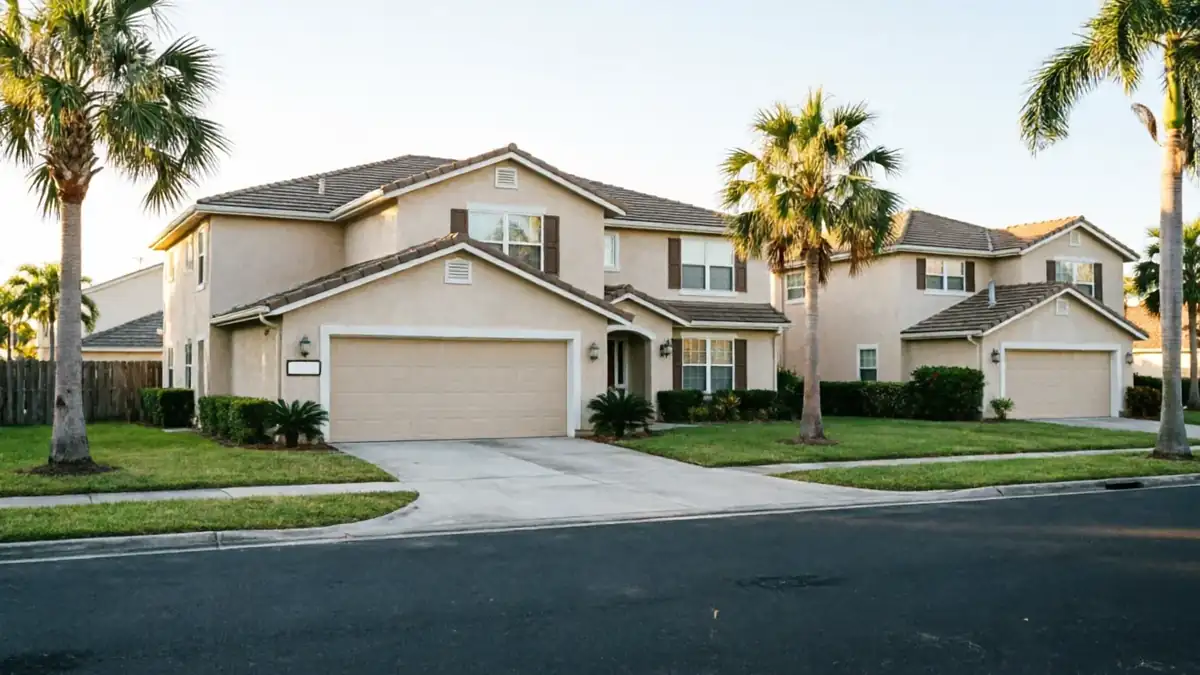
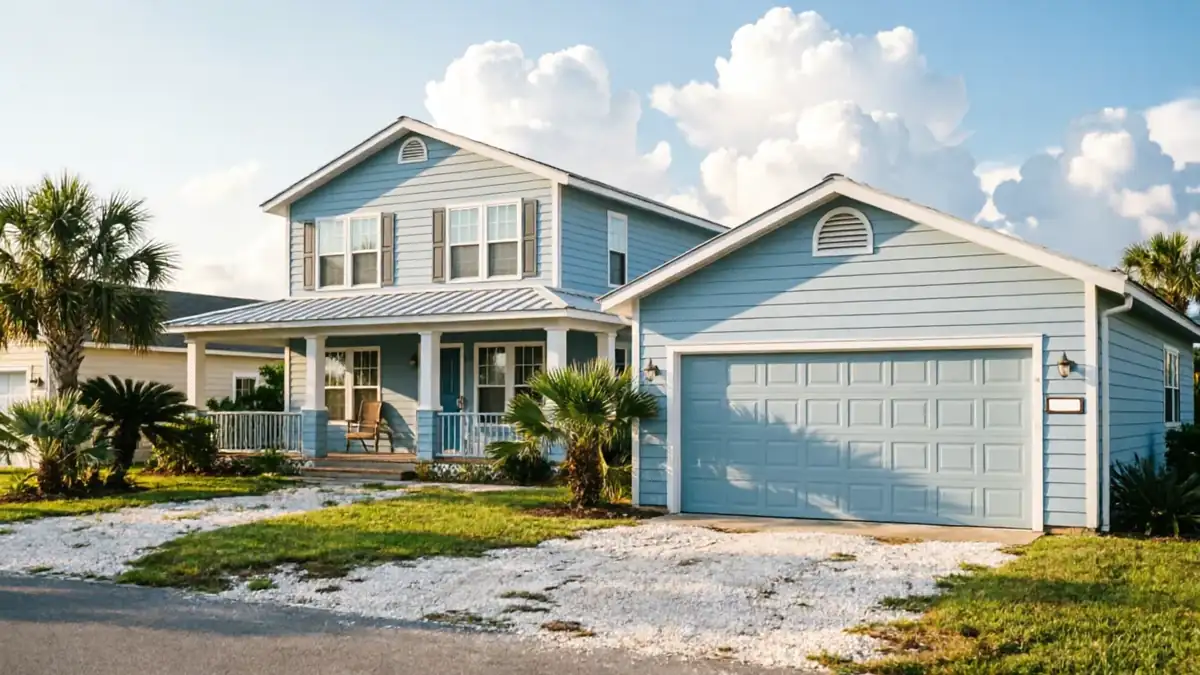
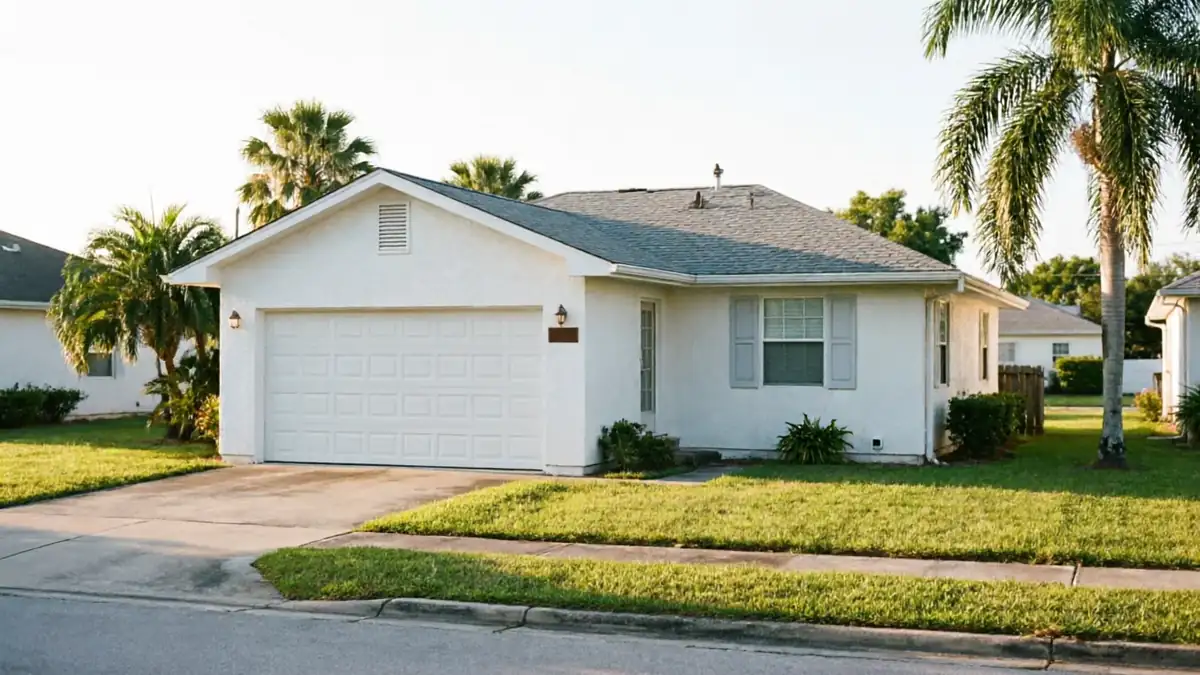
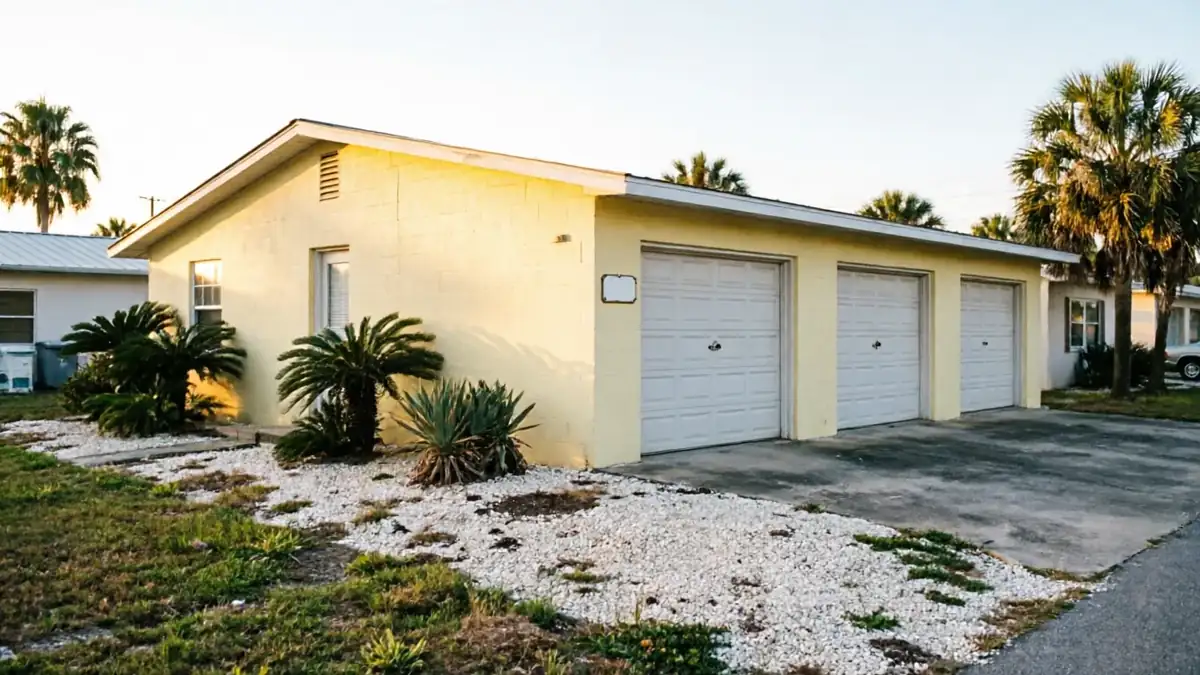
Across the wider service area - about 71,428 households and 36,333 owner-occupied houses - the median home was built around 1986, with most of the stock dating from the 1970s through the mid-2000s. Fort Myers Beach runs a bit earlier than that average: the typical home here traces to around 1982. Four years doesn't sound like much until you're standing in front of a garage door header built before the newer code cycles that shaped later construction.
The island has about 2,872 households, a small slice next to the 71,428 across the whole service area, and median household income here runs close to $90,833, just under the wider area's $92,575. That's not a huge gap, but it tracks with what we see on the doors themselves - fewer recent full-door replacements, more original hardware still doing its job decades later because the house never got touched after the first build.
What That Means for Doors
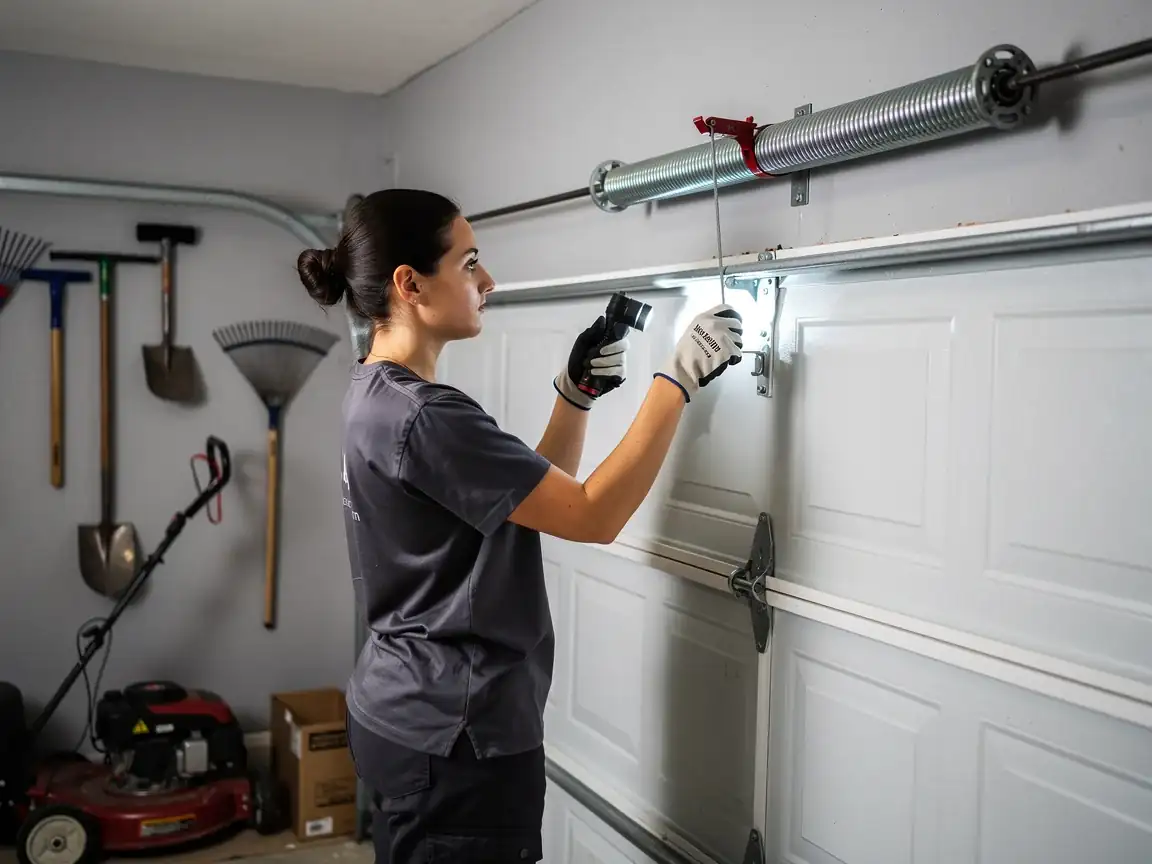
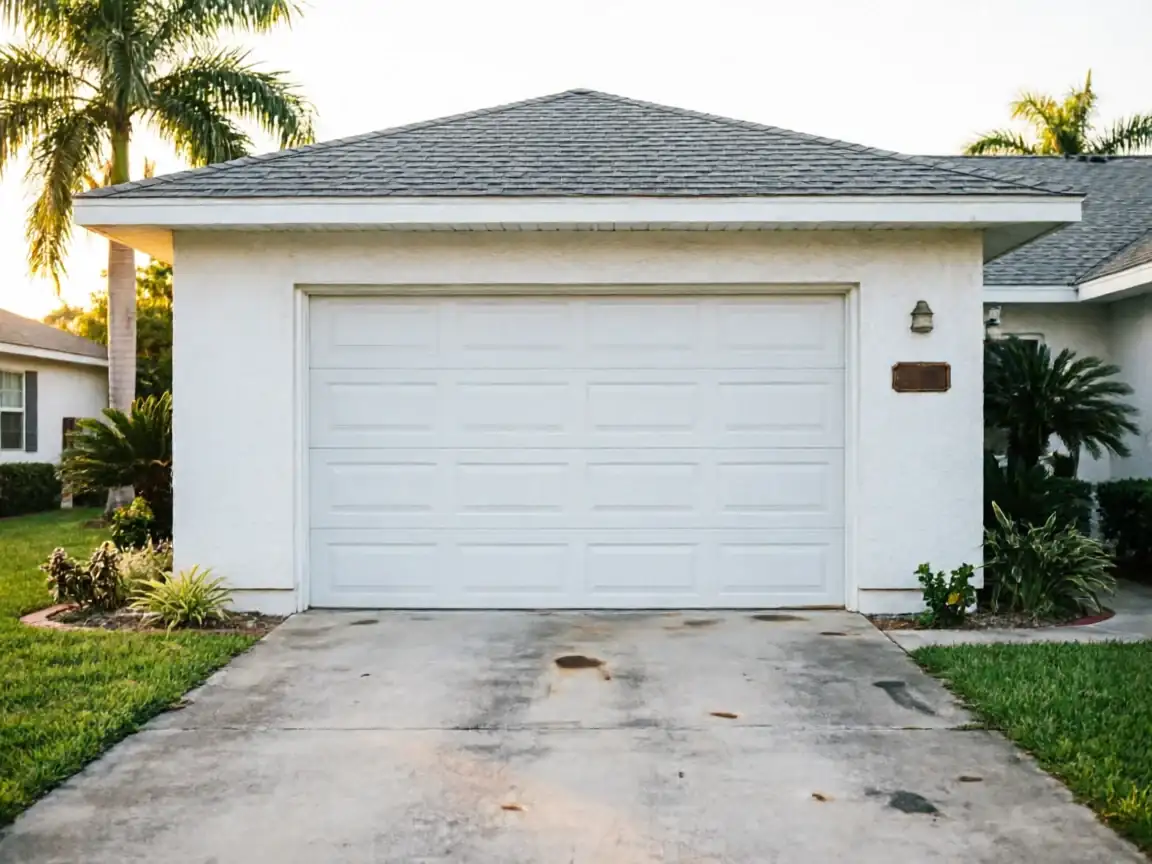
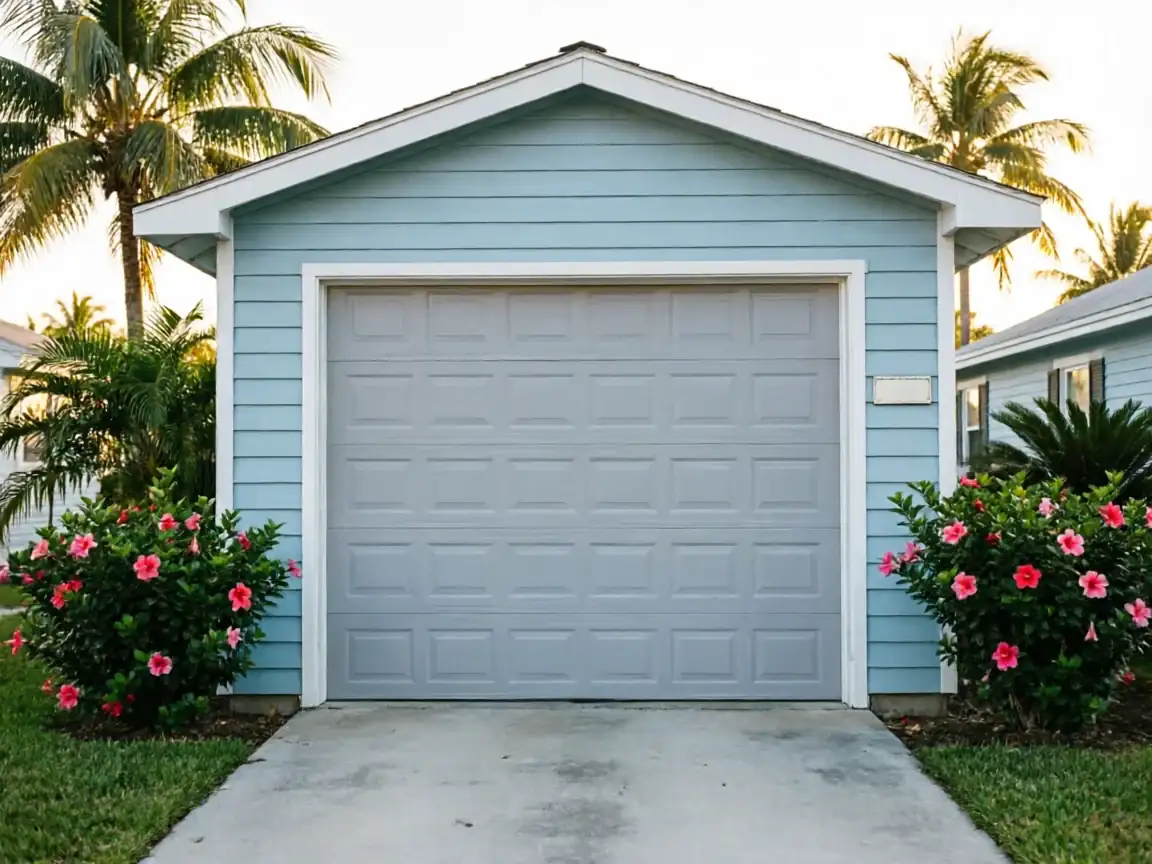
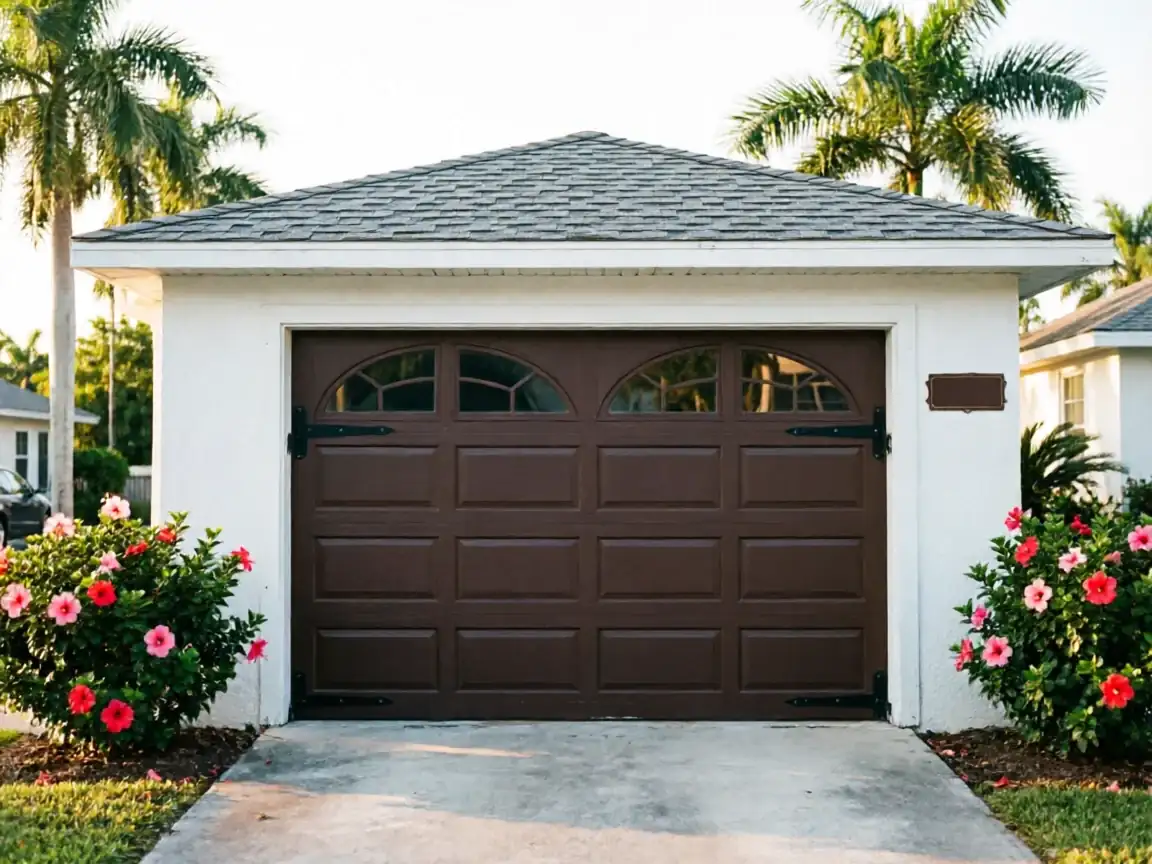
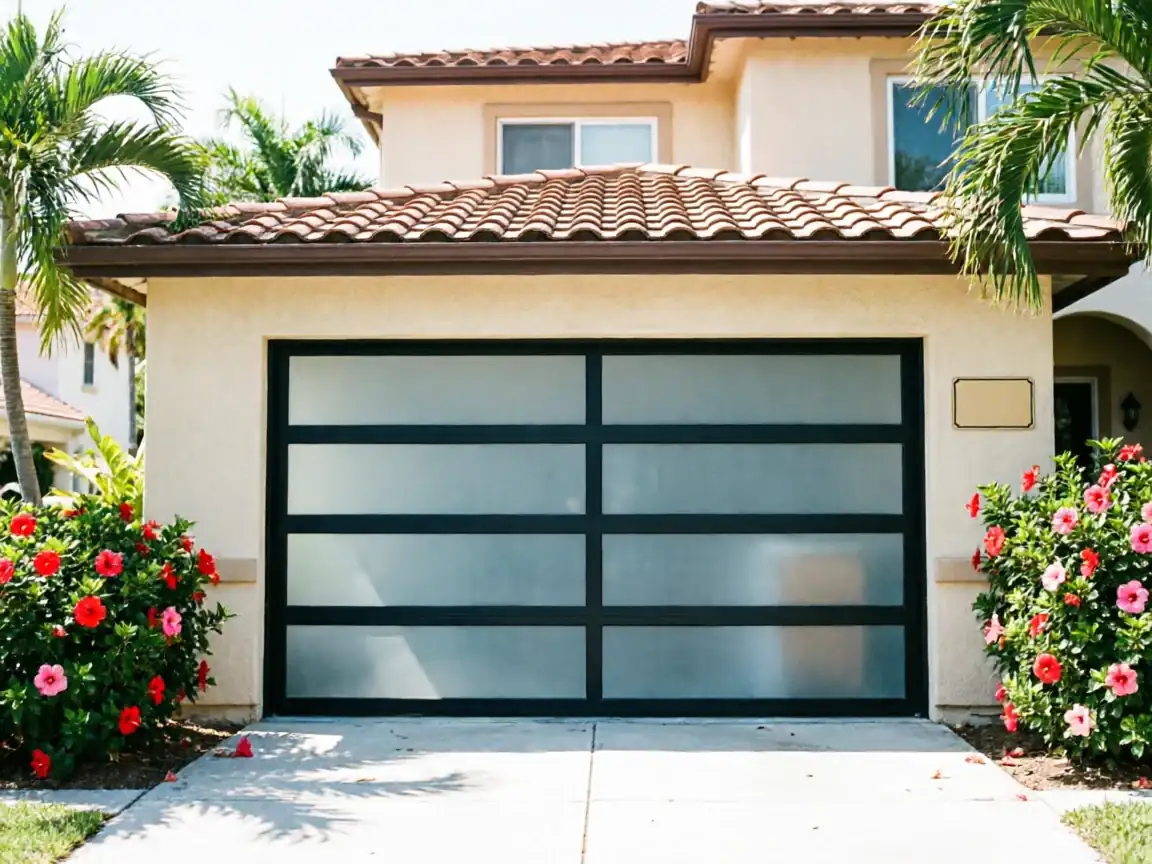
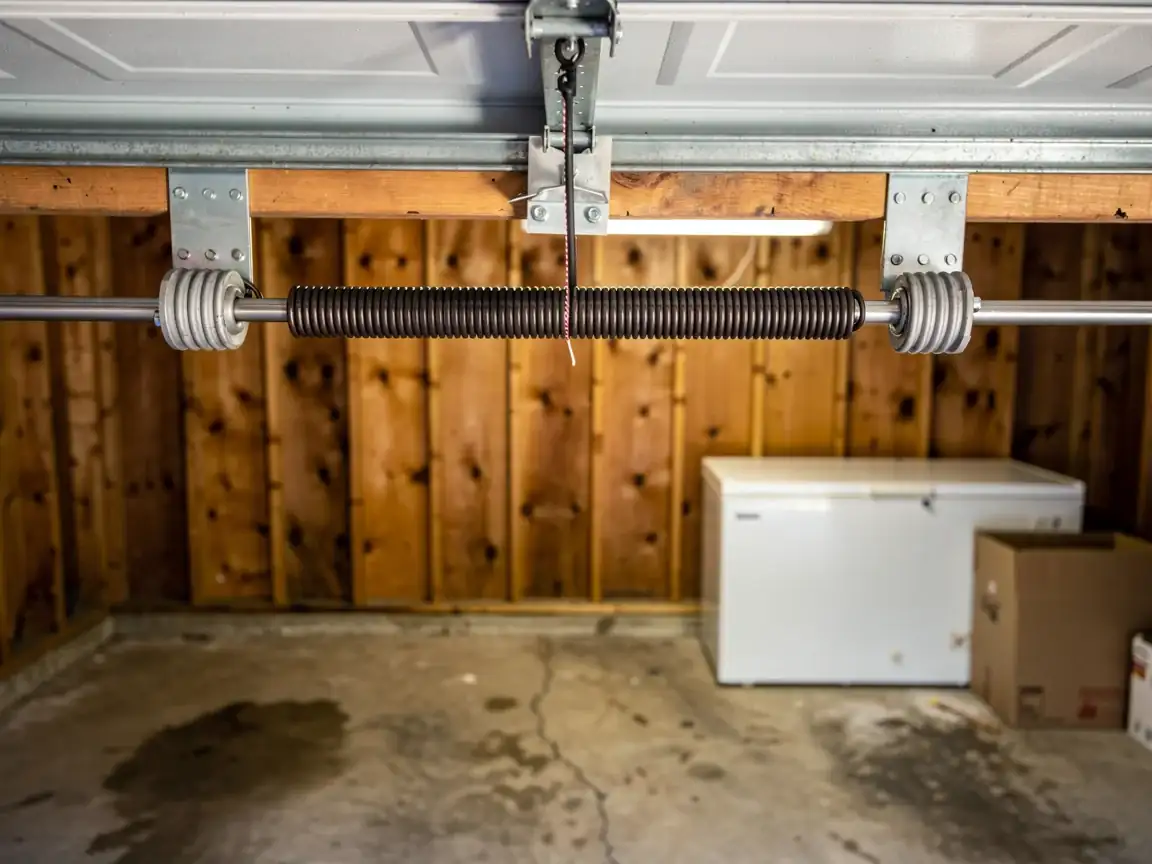
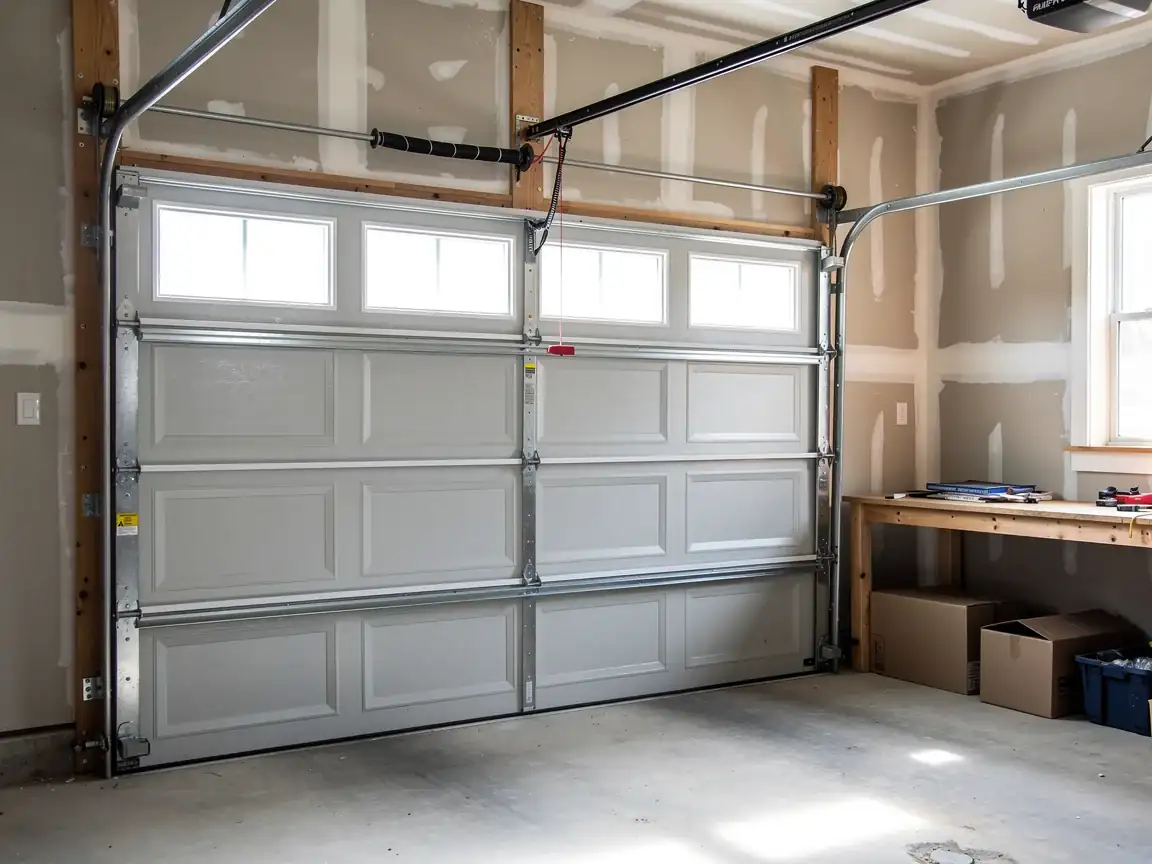
A door installed around 1982 almost never has the same spring system, track spacing, or opener mounting as something put in during the 1990s or 2000s building wave that's more common elsewhere in our coverage area. On Fort Myers Beach we see more standard torsion springs sized for older, heavier steel sections, and openers that have been swapped once or twice already - chain-drive units bolted onto brackets that predate the door motor itself. Panels tend to show their age in hinges and rollers before the door itself gives out.
The mild temperate climate across the service area means we're not fighting frost-heave on tracks or ice-locked rollers the way a colder-climate crew would, but humidity and salt air near the coast still eat at galvanized hardware faster than it would a few miles inland. That's one honest limitation worth saying plainly: we don't stock every obsolete spring size for 1982-era doors on the truck, and a less common size sometimes means a short order delay rather than a same-visit fix.
What Was Built Here
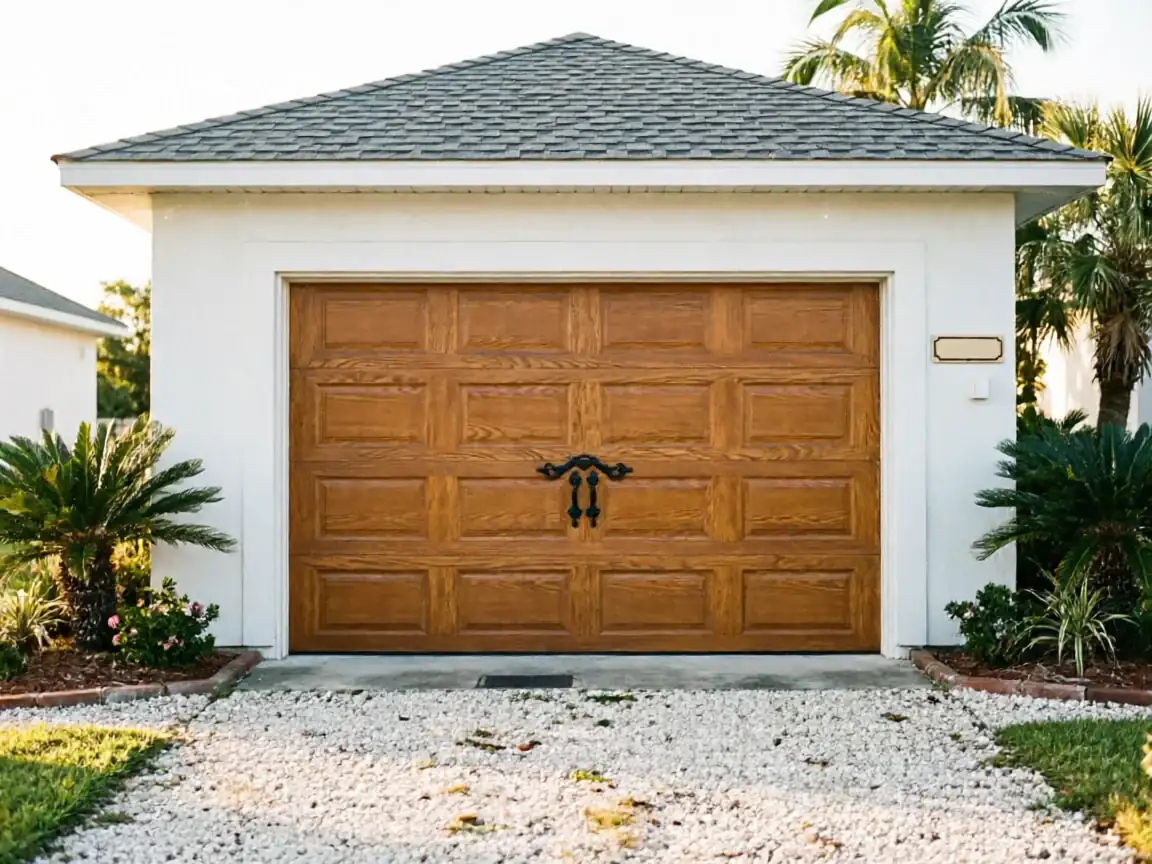
The 1982 median build year puts most Fort Myers Beach garage doors squarely in an era before the newer engineered lift systems became standard
Meaning single torsion springs rated for heavier wood-and-steel doors, not the lighter dual-spring setups common in houses built after 2000 elsewhere in the service area. Openers from that period, if original, are long past replacement, but what we actually find on calls is usually a second- or third-generation opener retrofit onto first-generation track hardware.
That mismatch - new motor, old track and spring
Is the single most common issue we run into out here. It's not a flashy problem, but it's the one that actually shows up on the job sheet. Houses that have had a full door-and-opener swap since the original build tend to run fine for years; the ones still carrying the first system from 1982 are the ones that call.