What Causes It Around Here
Most of the housing in this part of Lee County went up between 1970 and 2006
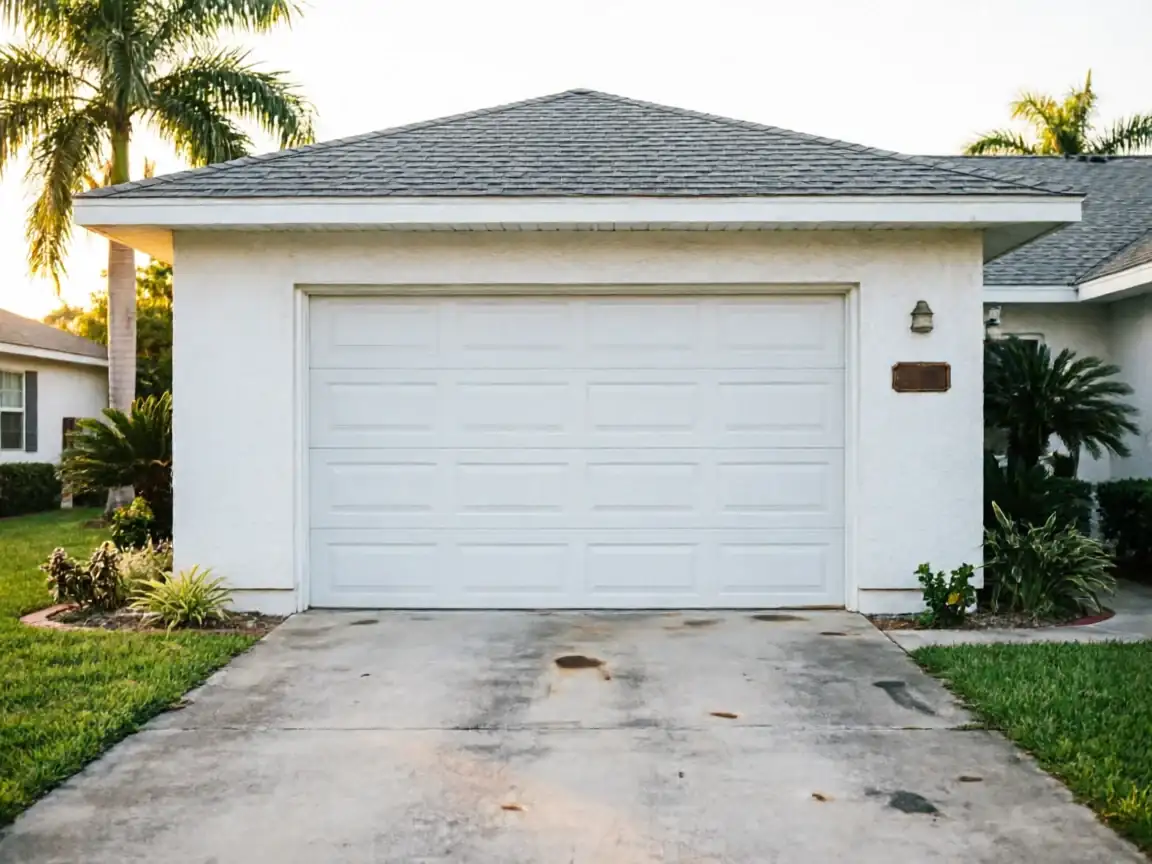
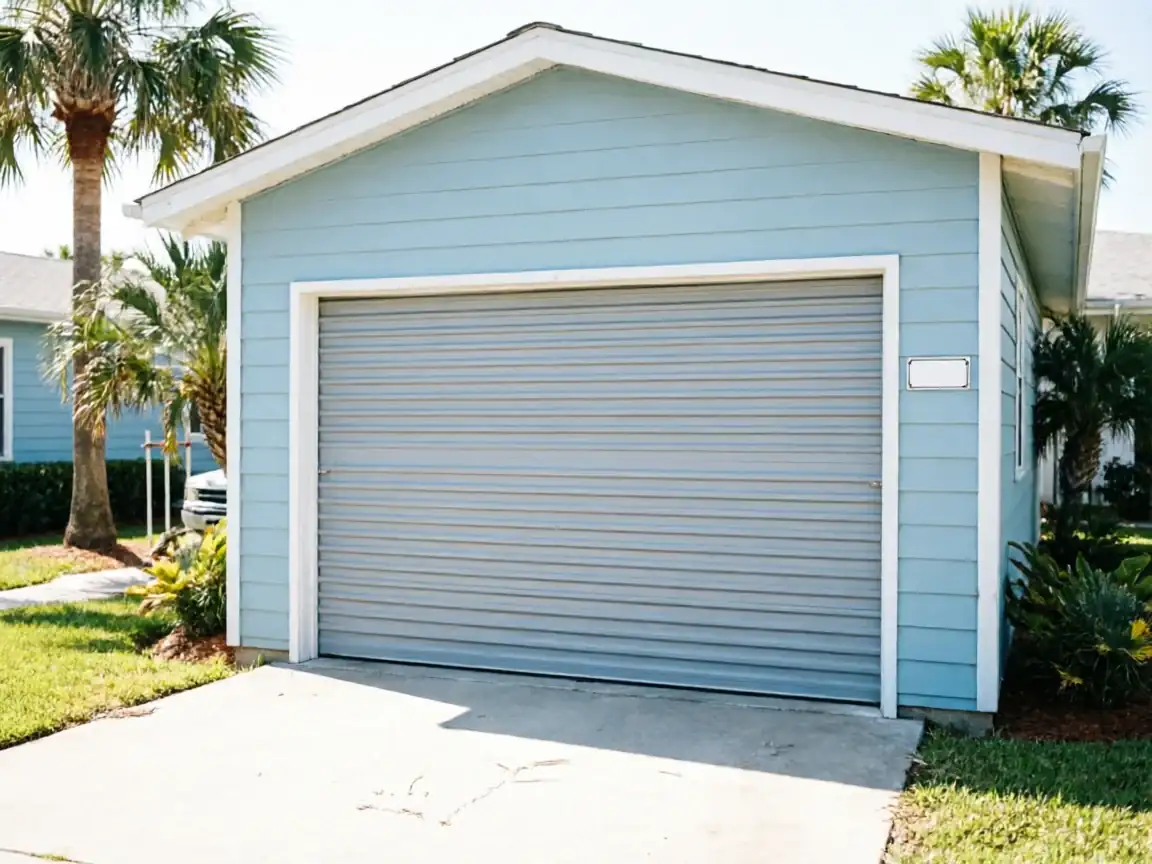
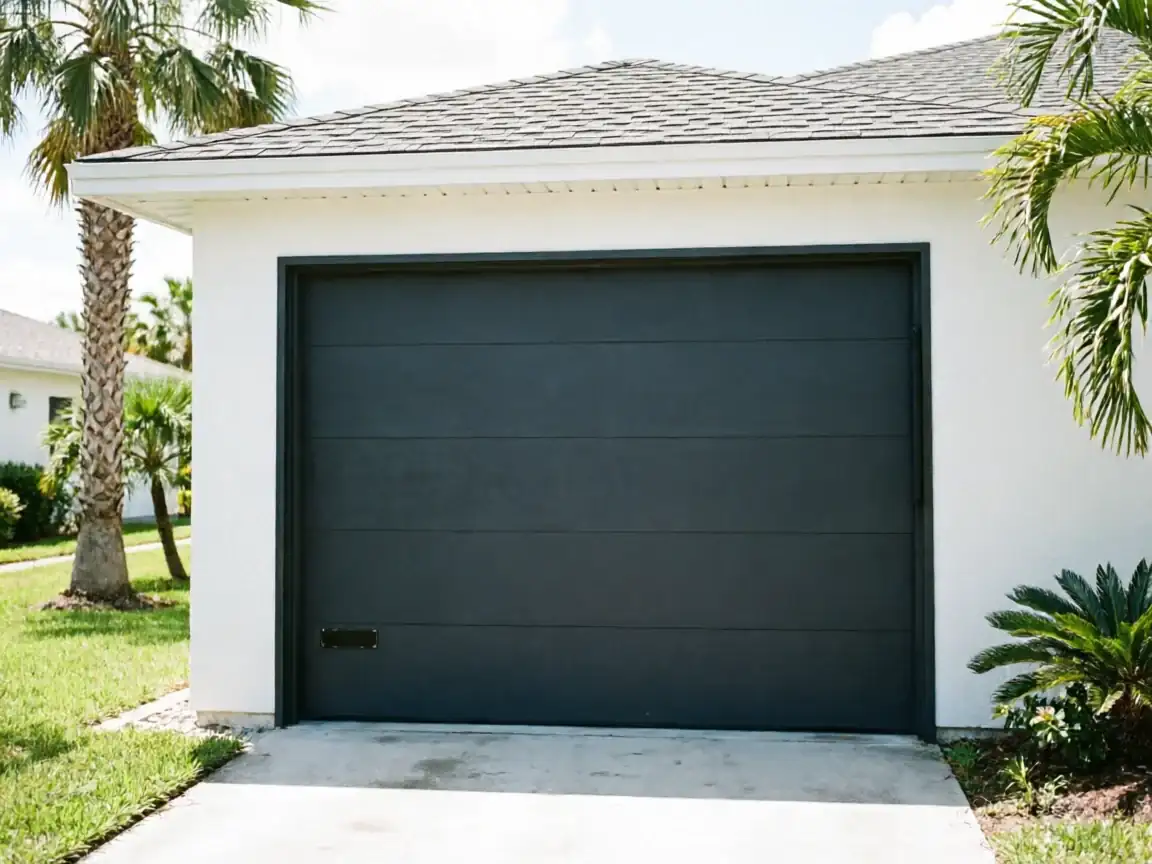
With the median build year landing around 1986. That means a lot of the garage doors still on these houses are the same doors the builder hung - single-layer steel or old fiberglass, non-insulated, on hardware that was never meant to run for forty years straight.
Across the twenty-plus communities we work in
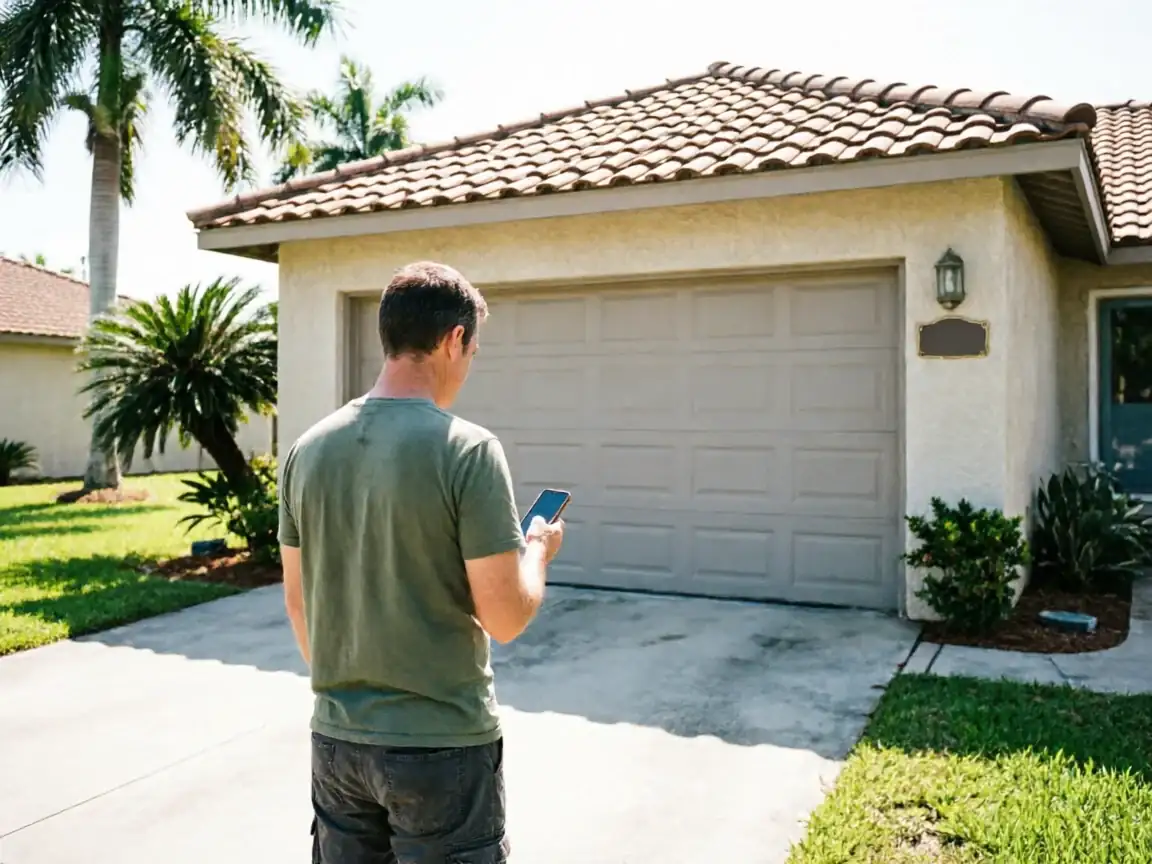
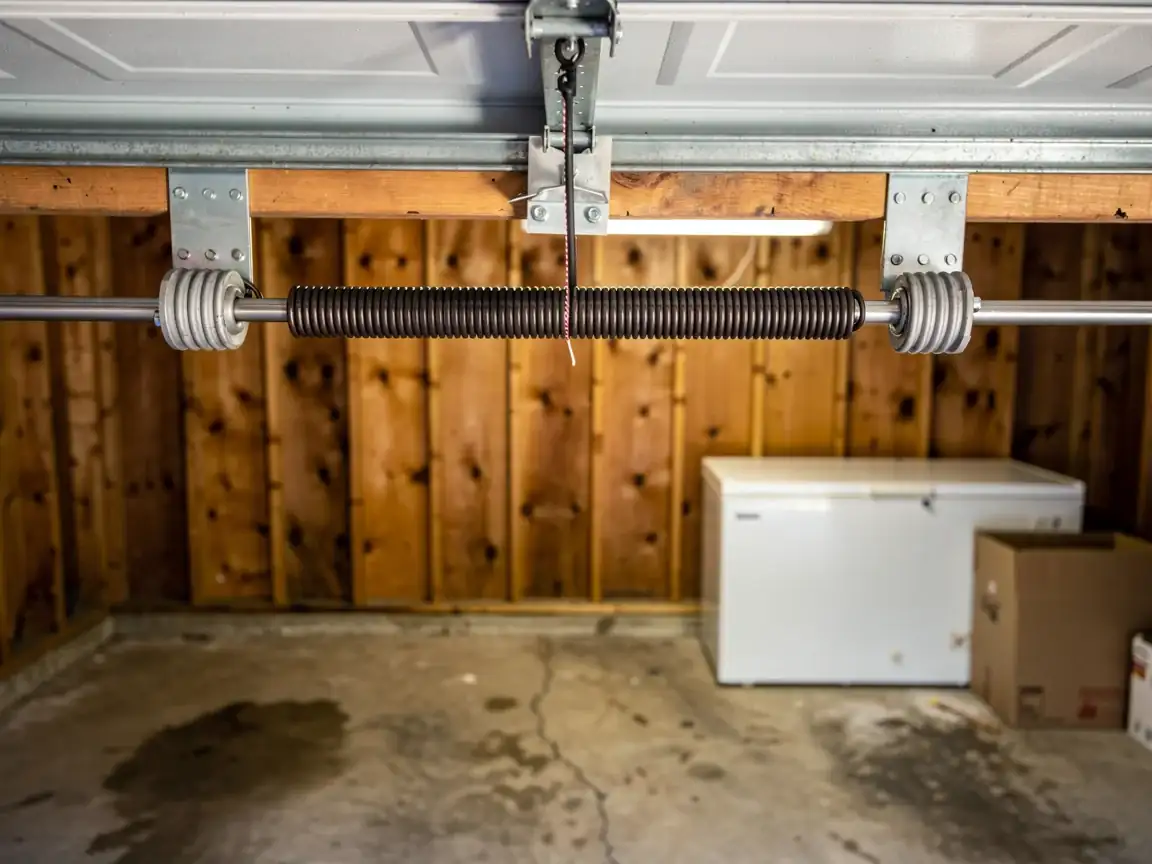
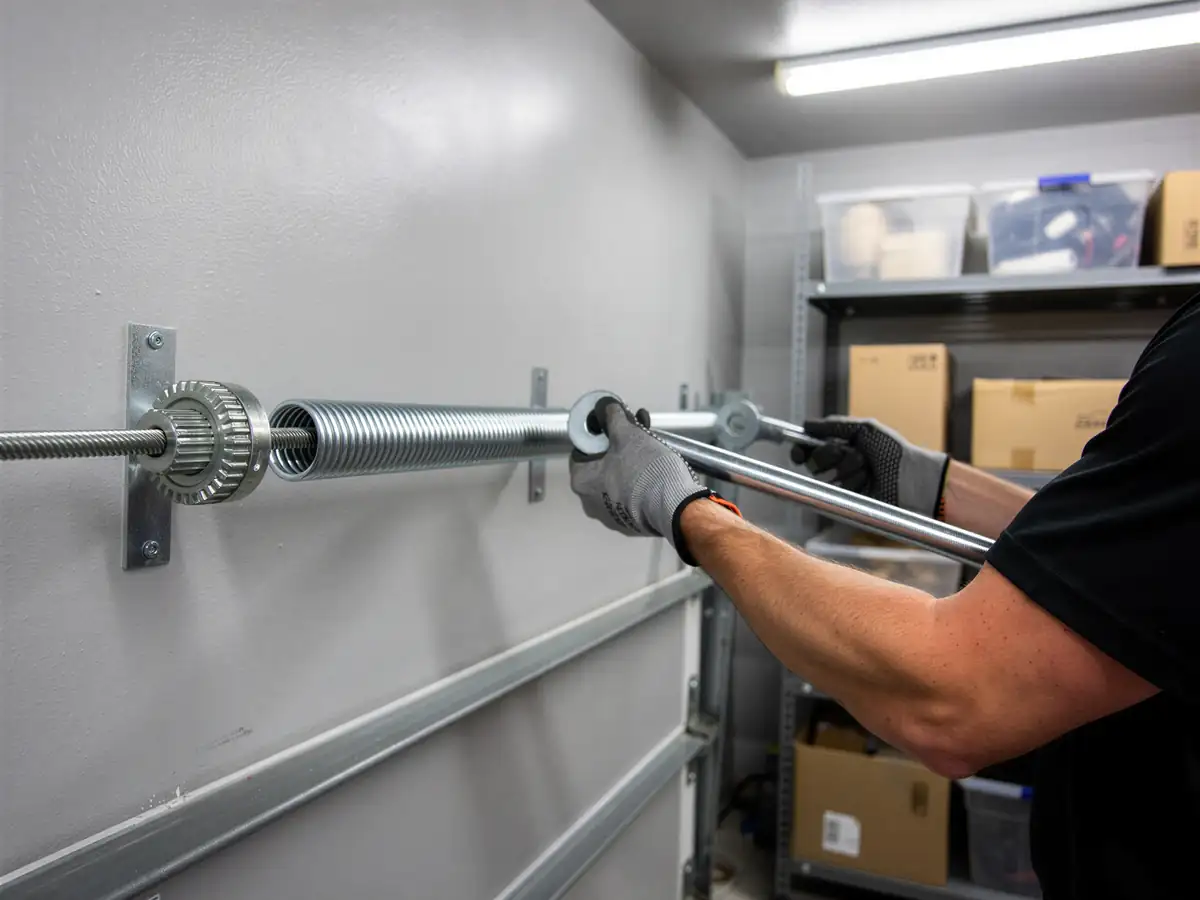
From Three Oaks and San Carlos Park out to Sanibel, the bulk of that stock dates to the 1980s and 90s. That's not ancient by national standards, but it's old enough that the original torsion springs are past their rated cycle count, the rollers are the plastic kind nobody specs anymore, and the panels have taken thirty-plus years of a mild, humid, salt-touched coastal climate. It doesn't freeze here, so you don't get the cracking you'd see up north, but steady humidity and salt air corrode hardware and swell wood trim steadily, year after year. When a homeowner calls us about installation rather than repair, it's usually because the door has reached the point where patching springs and rollers on a thirty-year-old frame stops making sense next to putting in a new, insulated door built for this climate.
What You Pay
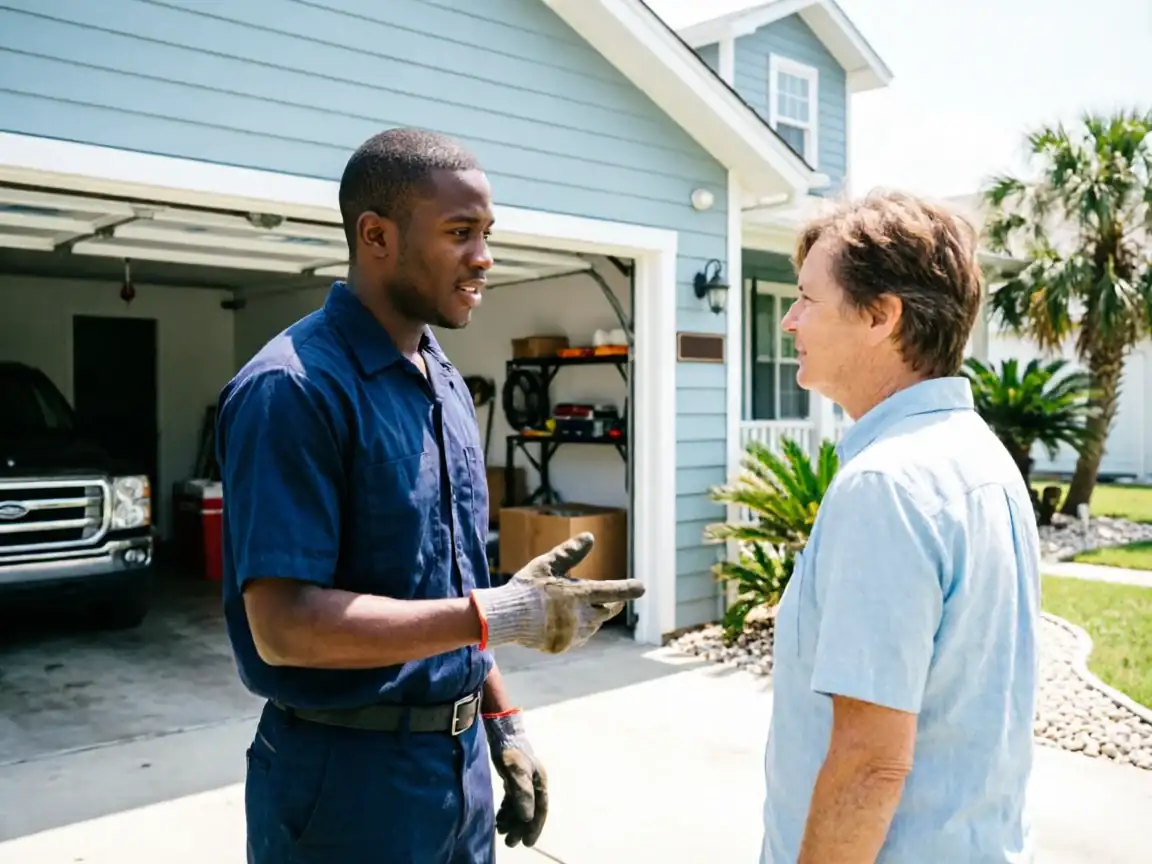
We don't quote a number until we've seen the opening - width, headroom, whether it's a single or double bay, and whether you want insulation, windows, or a smart opener. Those choices move the price more than almost anything else.
What we can tell you is what drives the decision locally. Median household income across the service area runs $92,575, and at that level most homeowners we talk to are choosing insulated steel over the bare single-layer doors that came standard on houses built in the 1980s and 90s. Insulation matters less for keeping a space warm here than for cutting down on the heat a non-insulated steel door radiates straight into an attached garage during the long stretch of warm months. It also quiets the door down, which matters if the garage shares a wall with a bedroom, a common layout in houses from that era.
The honest limitation: we won't give you a firm number over the phone. Garage door pricing depends on measurements we take in person, and a quote based on guesswork is worse than no quote at all.
What Is on the Truck
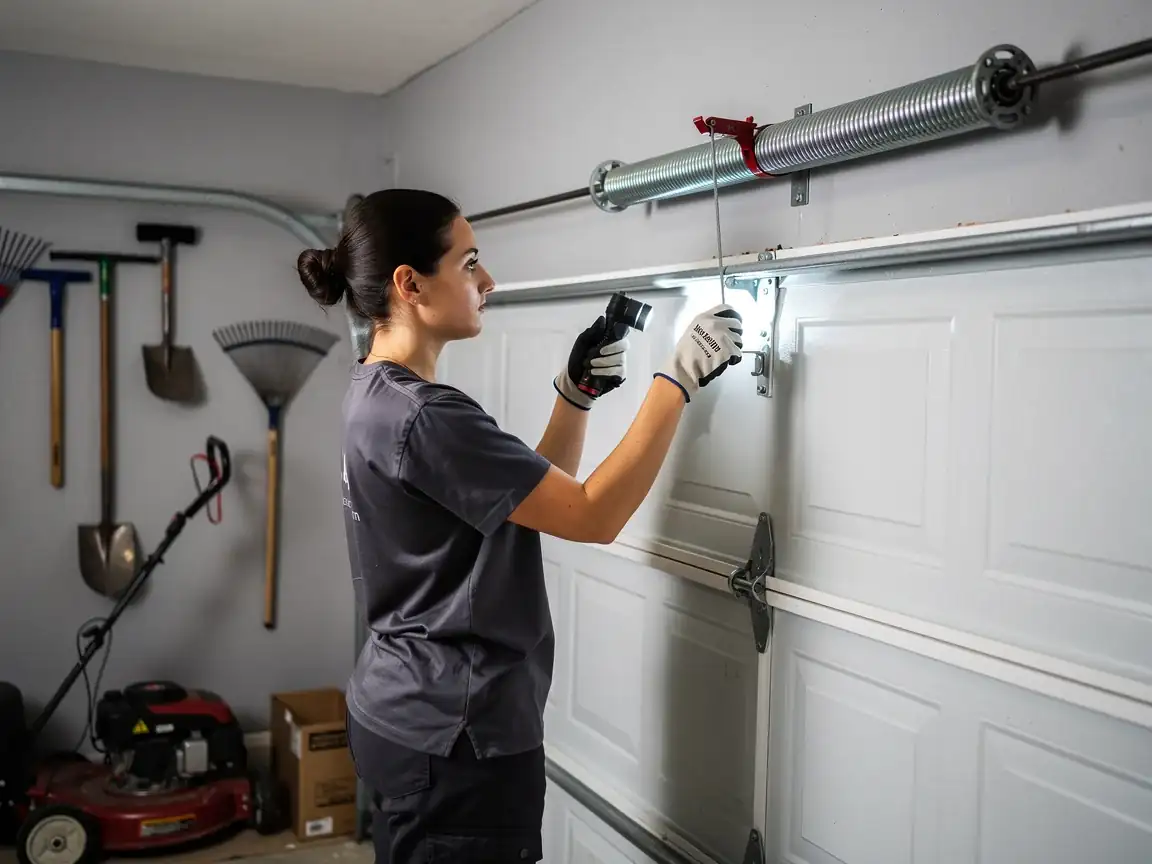
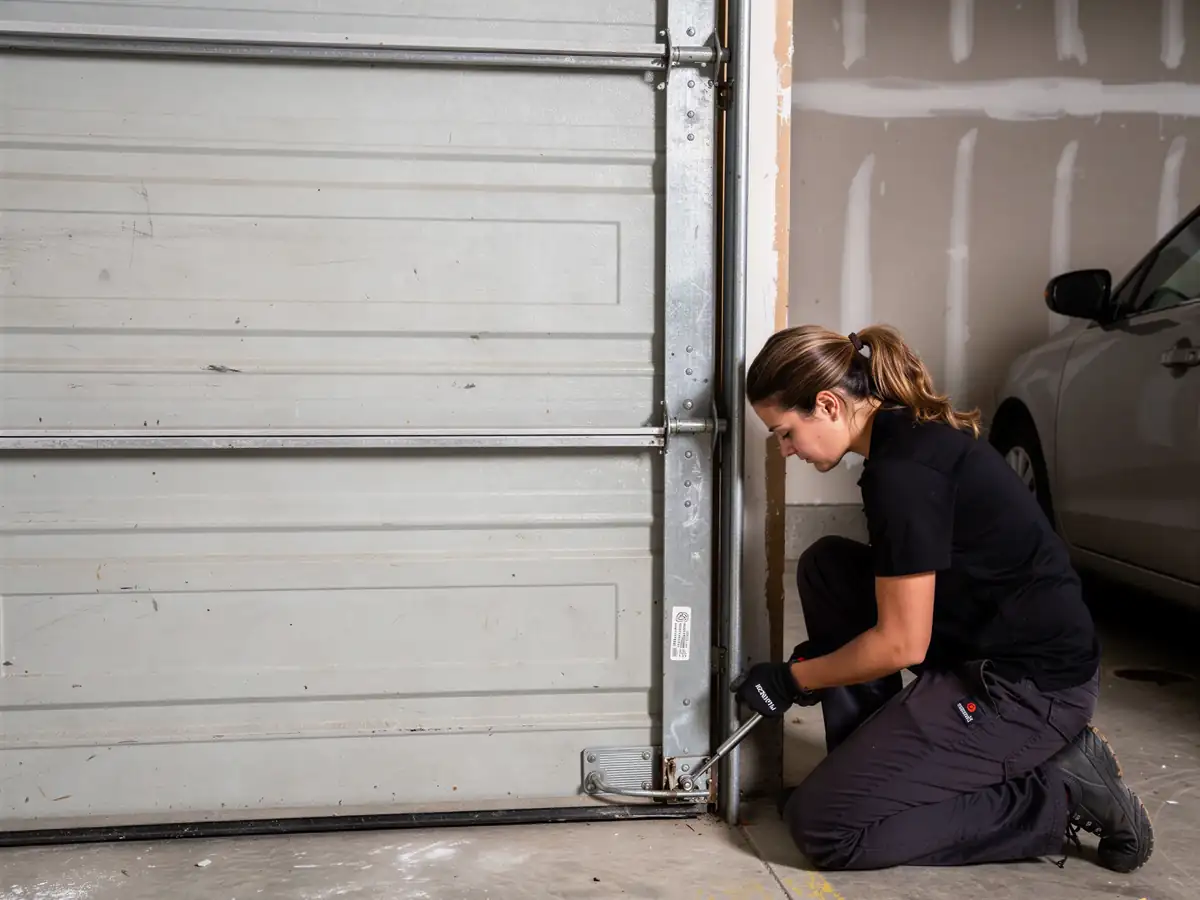
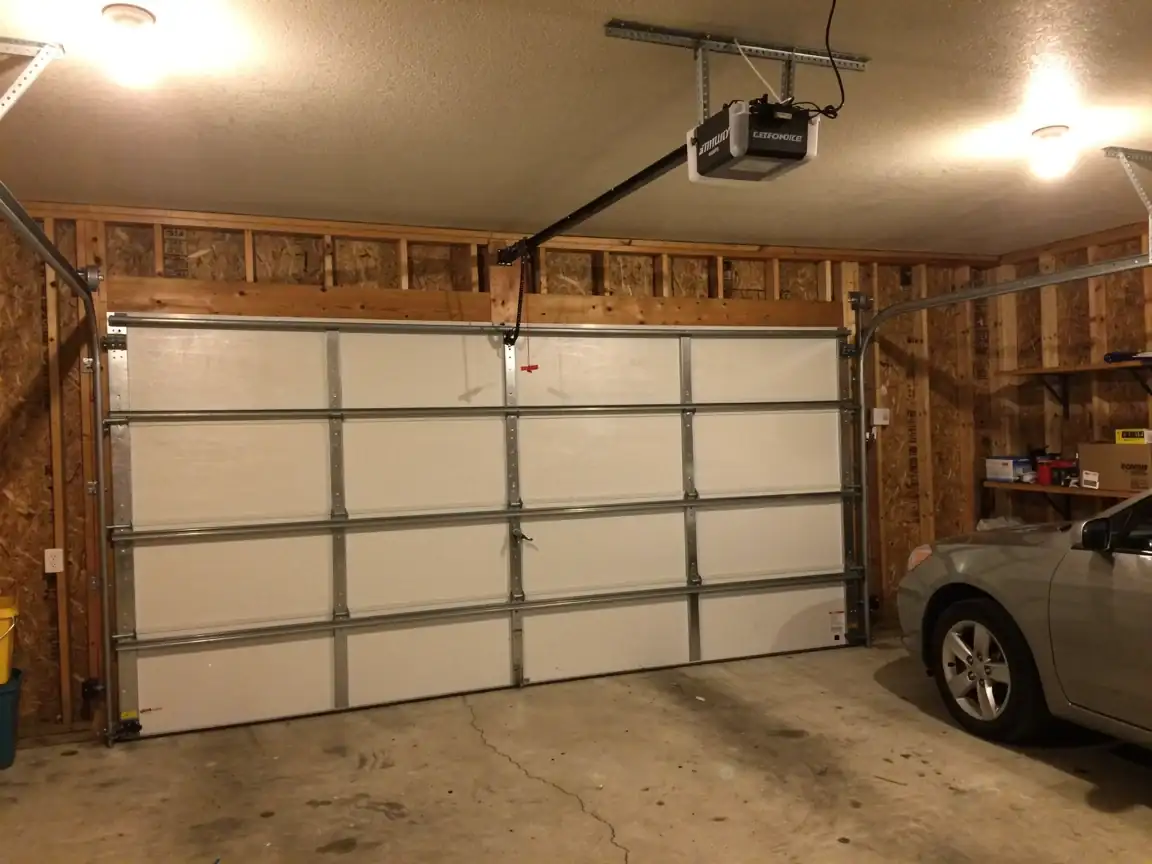
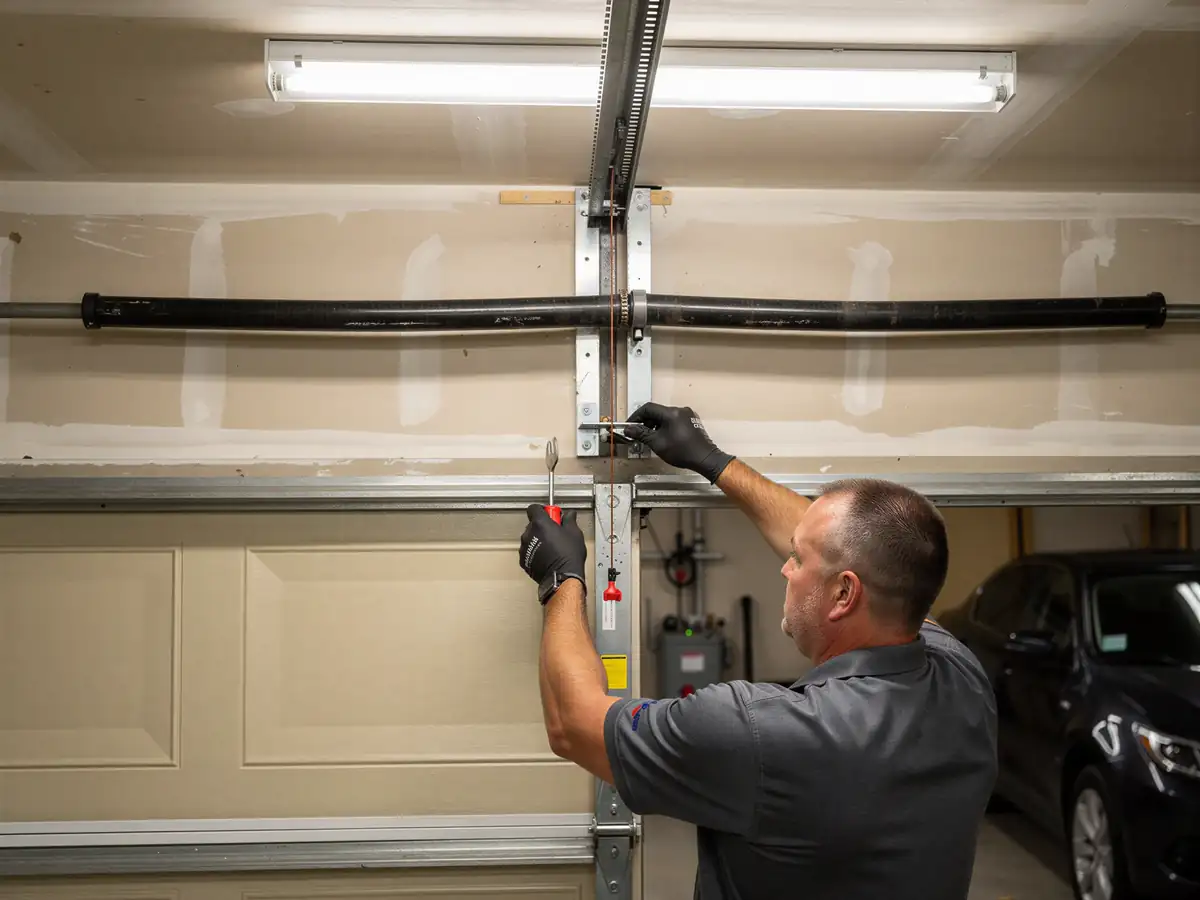
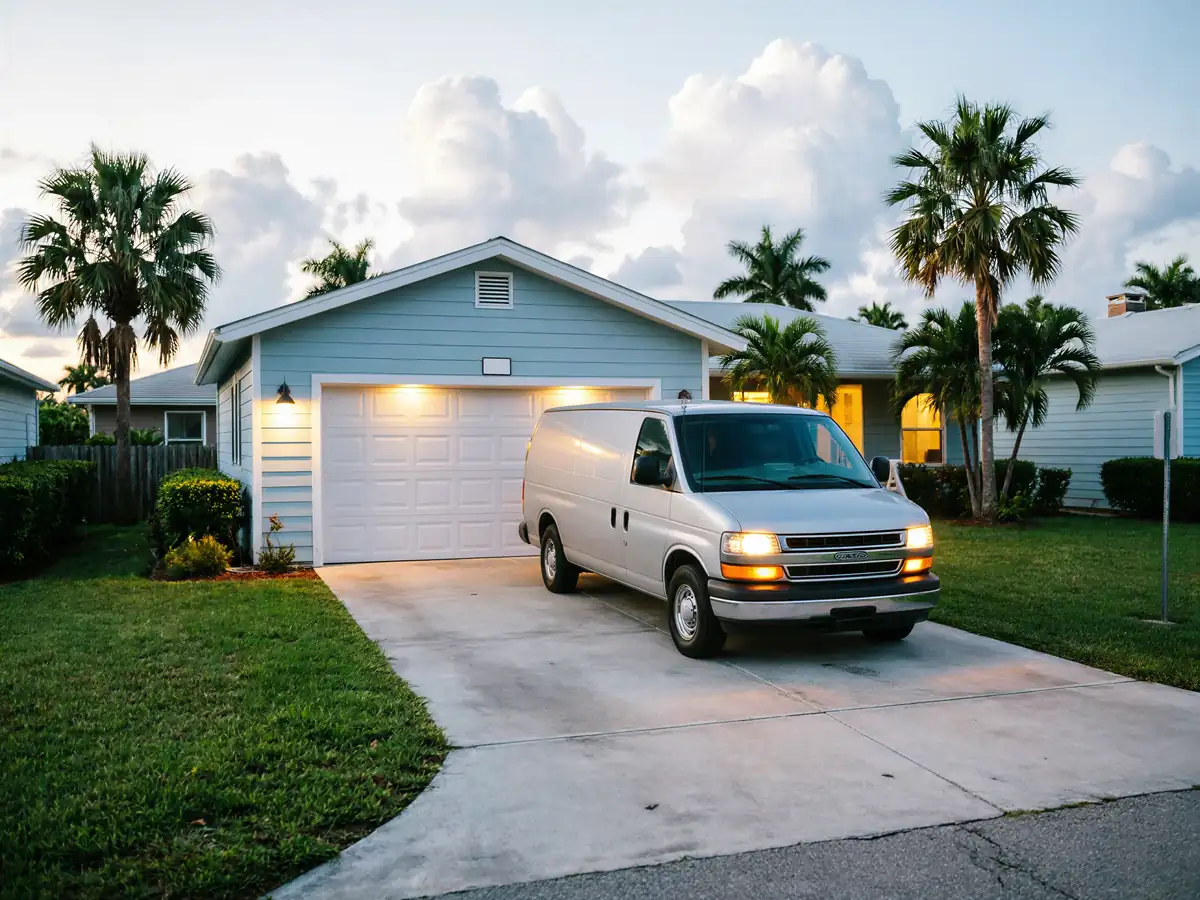
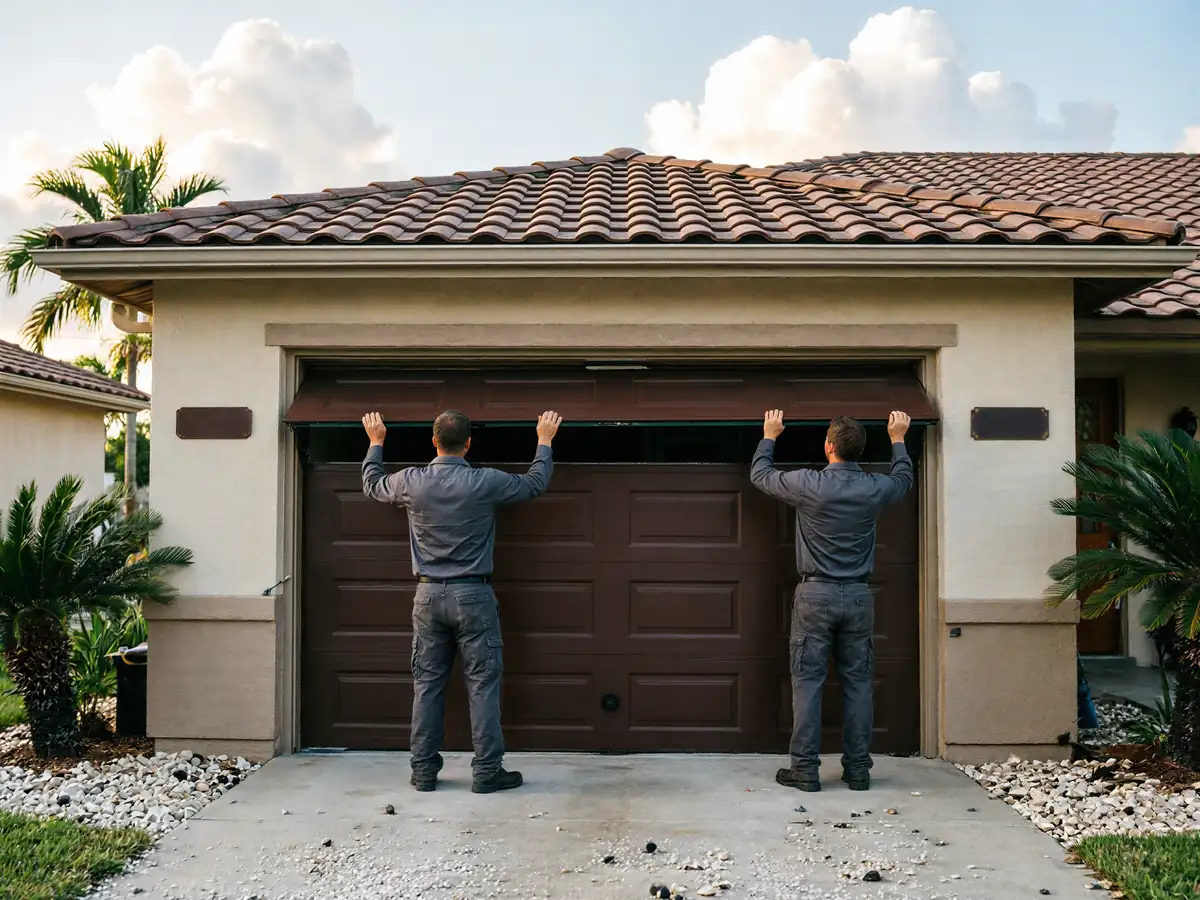
For an installation job we bring the door sections, new track, new springs sized to the door's actual weight, and a new opener if the old one isn't worth reusing. We don't try to match new panels to an old track system from a 1980s or 90s build - that hardware is undersized for today's heavier insulated doors, and reusing it is how you end up with a door that sags or binds within a year.
We stock common opening widths that fit the production-home layouts found across Estero, San Carlos Park, and the other communities we cover, but if your house has a non-standard width or an older low-headroom setup, that section may need to be special-ordered, which adds time to the job. We'll tell you up front if your opening falls into that category rather than promise a same-week install we can't back up.
Every new install gets weatherstripping rated for a humid coastal climate, not a generic seal that cracks and lets moisture in within a couple of seasons.
How It Shows Up
Usually it starts small
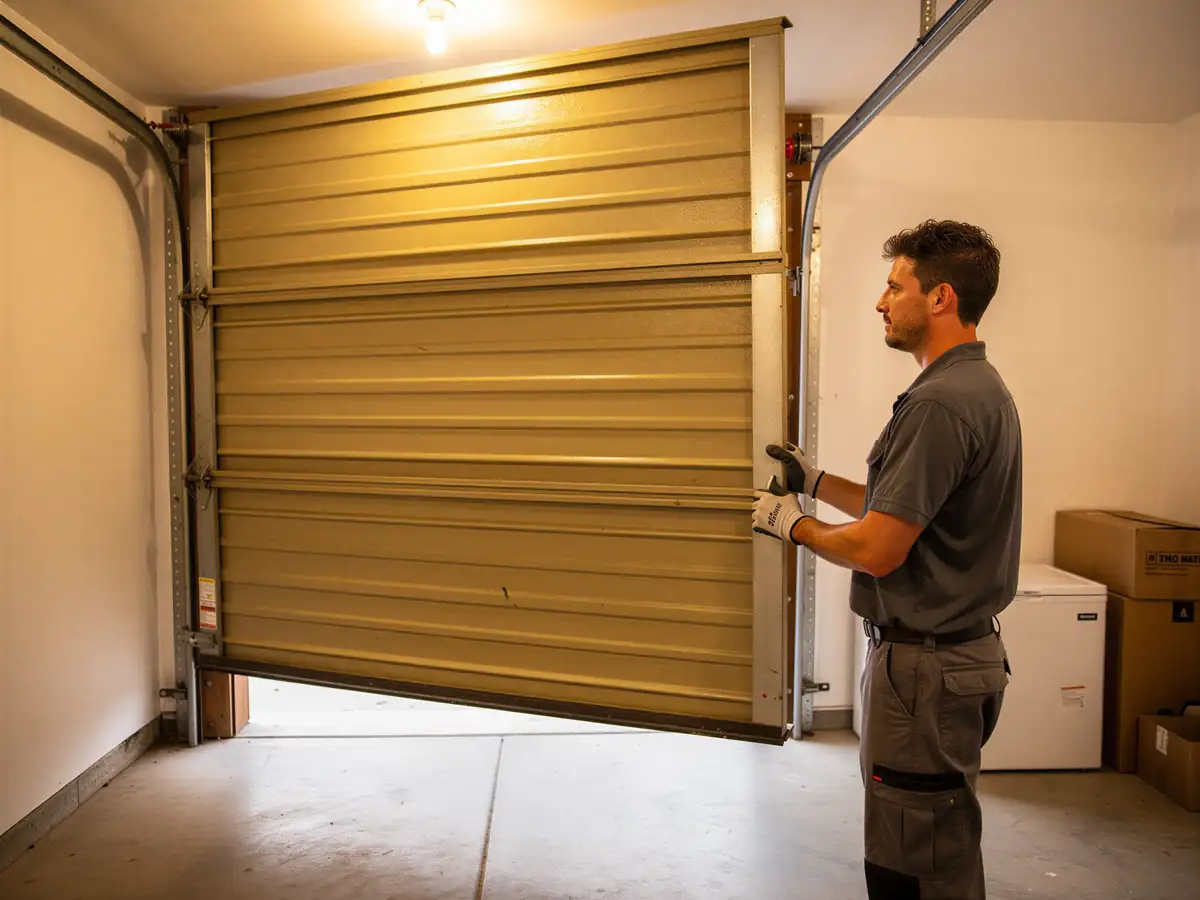
A door that used to lift quiet now groans on the way up. A panel that's pitted where thirty years of humidity sat against the steel. An opener that strains on the last foot of travel because the springs underneath were sized for a lighter, older door and never matched the weight of the replacement panels put on later.
Sometimes it shows up as a straight failure
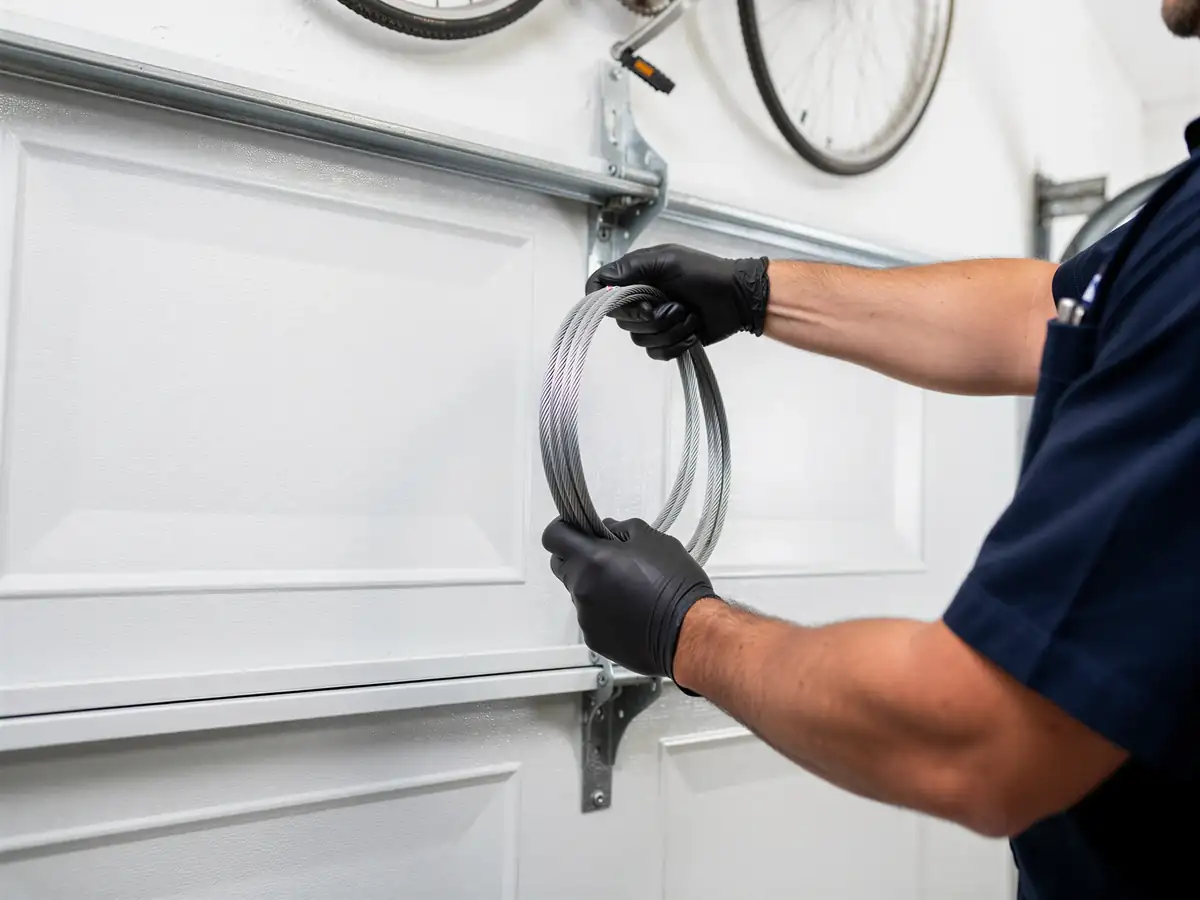
A cable snaps, a spring lets go, and the door won't move at all. On a house from the 1970-2006 build era, that's often the first real sign the whole system, not just one part, is at the end of its life. Replacing a single spring on a track and opener that are themselves decades old is a short-term fix.
Other times a homeowner just wants to stop dealing with it before it fails
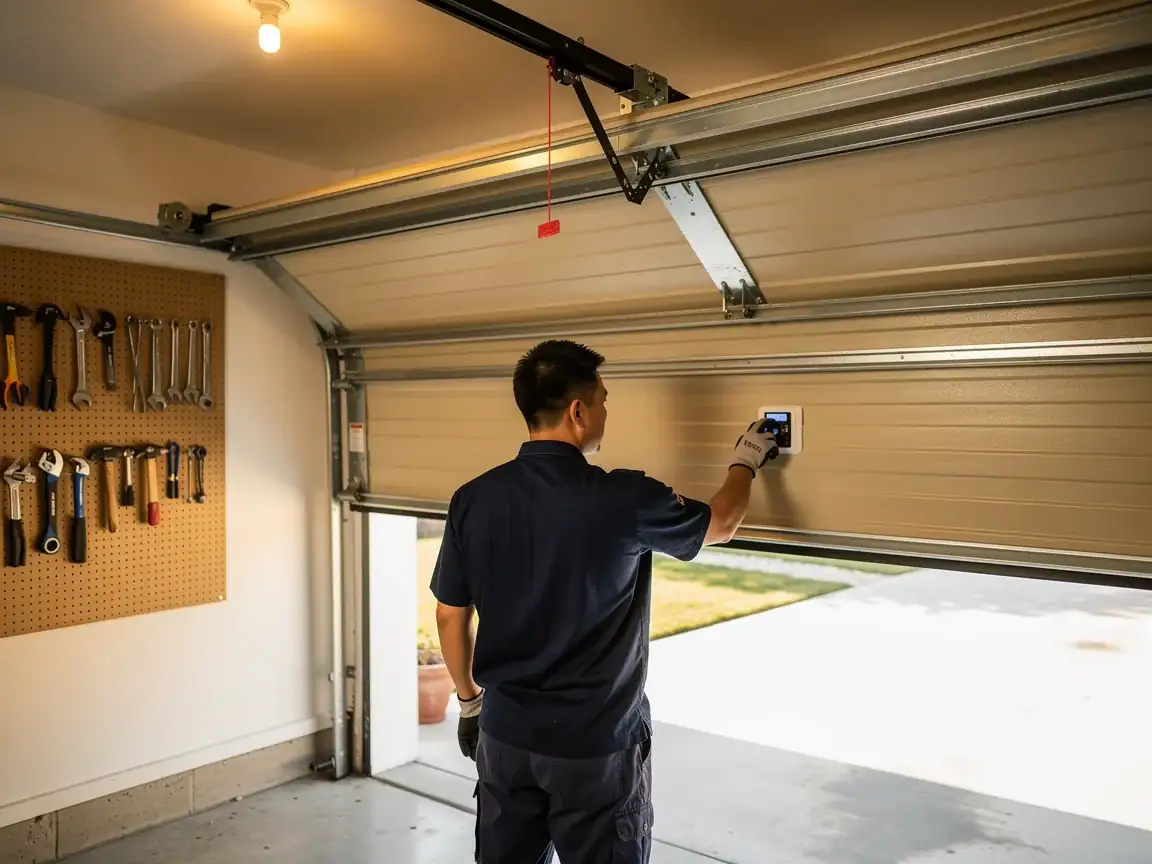
Insulate the garage, quiet the door down, add a keypad. Either way, the call usually starts with one of those two things: a door that's gotten loud and slow, or a door that's already stopped.