Where We Stop
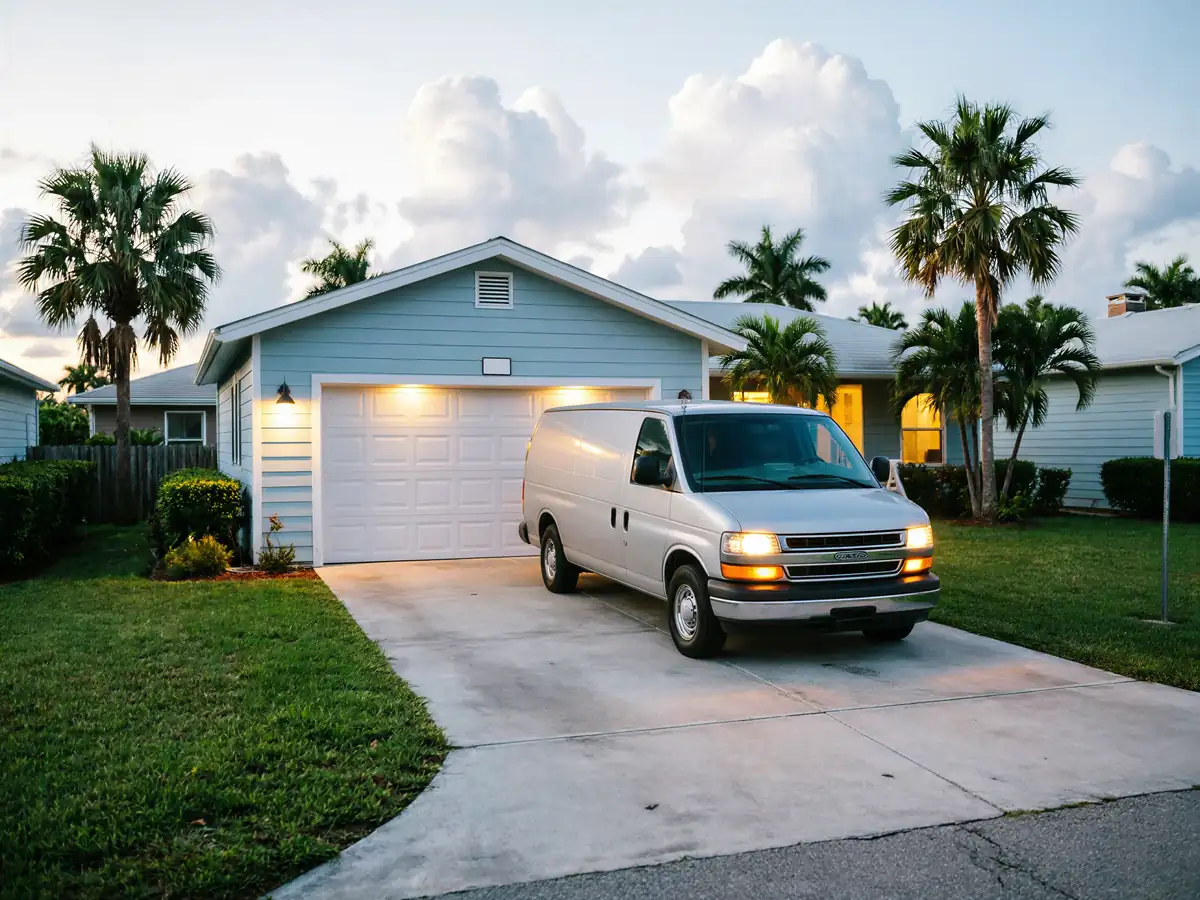
Gateway sits about 11 miles from our shop in Estero, out past Three Oaks, San Carlos Park, and the other stops we run most days
It's one of the newer pockets we cover, and that changes what we bring on the truck before we even pull in the driveway. We don't keep a crew stationed in Gateway - every job here is a drive from Estero, same as the rest of the area - but it's a regular stop on the route, not a special trip.
- 11 miles
The area has about 3,773 households, smaller than some of the older communities we work in, and a median income of $103,161
Which is well above the wider service area figure. That matters less for the door itself and more for what people tend to ask for: full operator replacements with battery backup, insulated steel sections, and openers with smart features, rather than patch repairs on worn-out gear. We'll tell you straight if a repair makes more sense than a swap - plenty still do, even on a newer door.
- 3,773 households
- $103,161 median household income
The Split Between Old and New
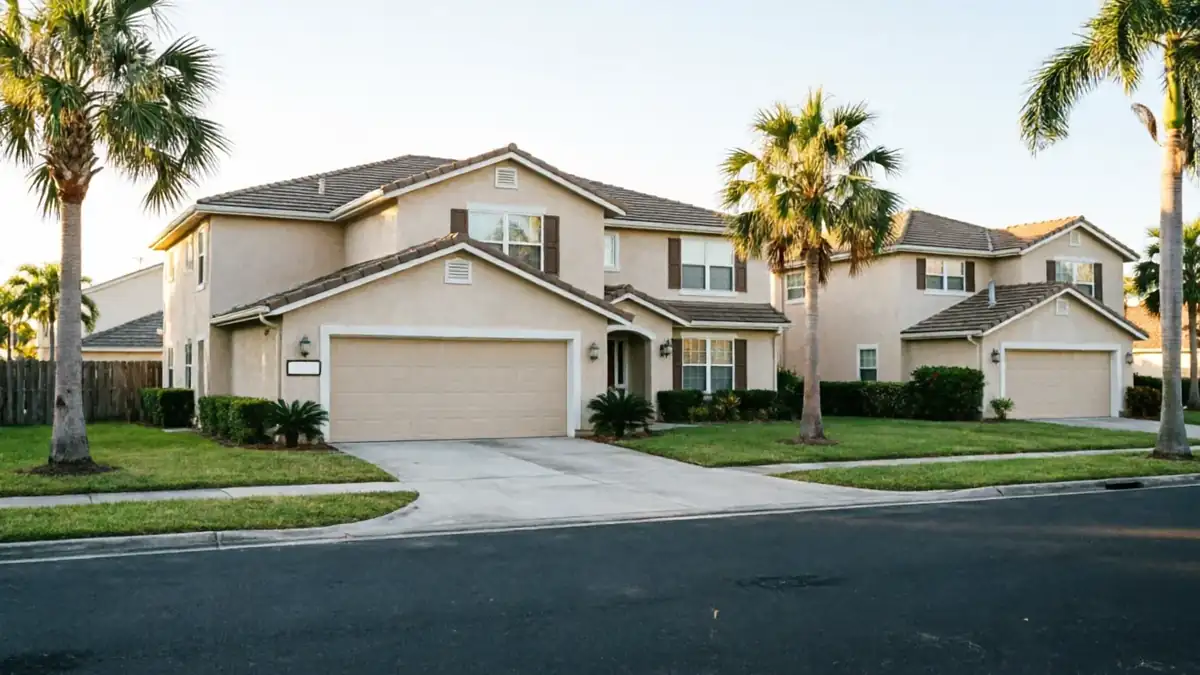
Across our service area, the median house was built around 1986, with most stock dating from the 1980s and 90s. Gateway breaks from that pattern - the median year built here is 2003, close to two decades newer than the typical house we see on a call in the older parts of the territory. That's not a small gap. It's the difference between a door built to a pre-1990s wind code and one built under the newer Florida building code standards that followed Hurricane Andrew and the subsequent updates through the early 2000s.
A door and track system installed in 2003 was engineered, inspected, and hung to different wind-load and impact requirements than one from 1986. The springs, end bearing plates, and track gauge were often sized differently from the factory. When we get a call from Gateway, we're not guessing at what's behind the wall - we're expecting newer hardware, and that shapes which parts go on the truck before we leave Estero.
What That Means for Doors
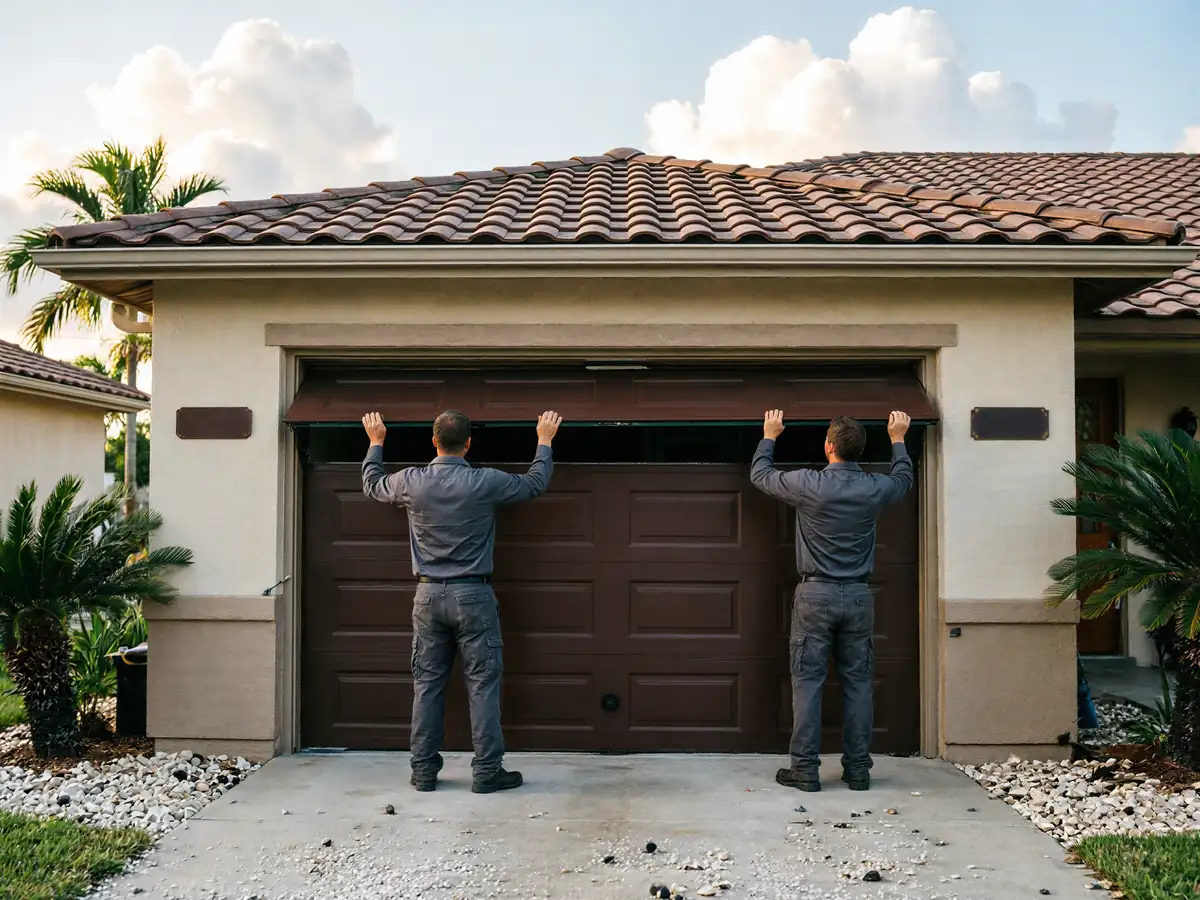
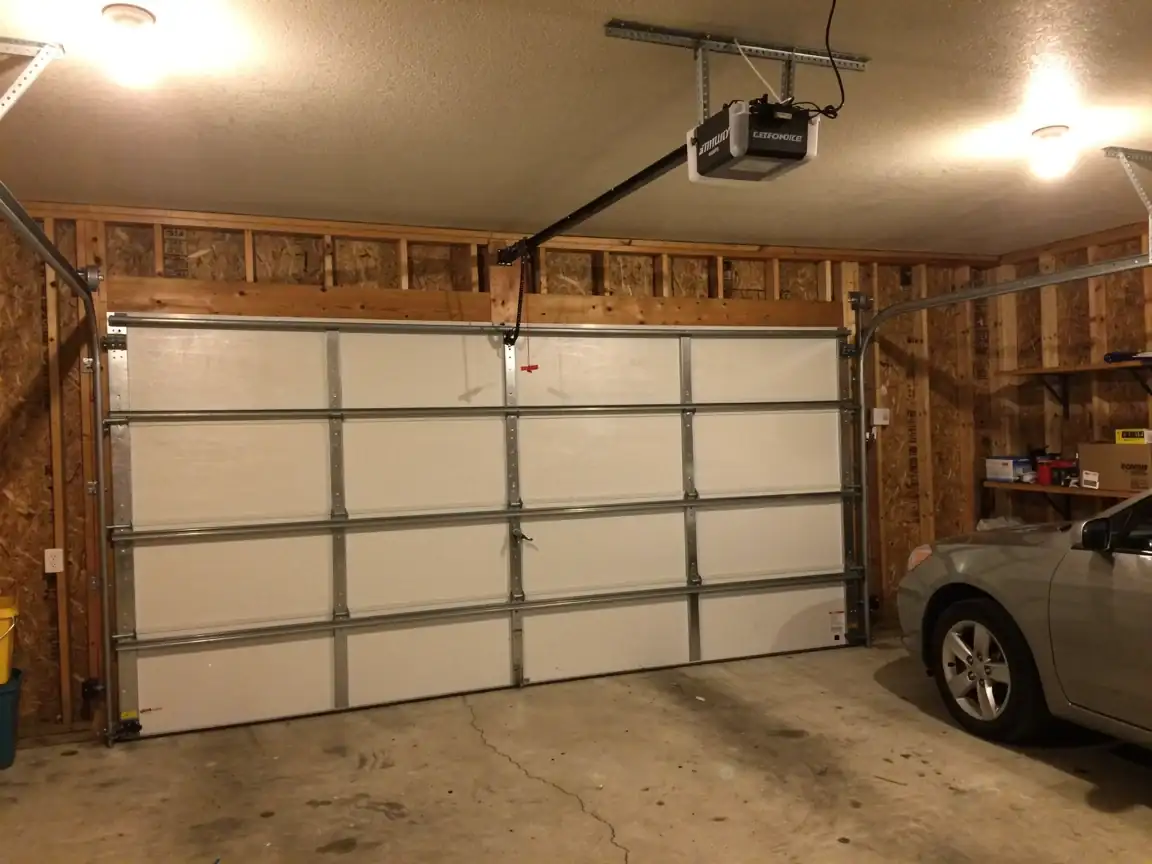
Because Gateway's housing stock is newer, the common failures look different than what we see in the older sections of our service area. We see less of the brittle, sun-cracked one-piece doors and side-mounted torsion setups that show up on 1960s-70s stock elsewhere. Instead, Gateway calls tend to be sectional steel doors on center-mounted torsion springs, openers reaching the end of their factory life rather than decades past it, and photo-eye or circuit board failures rather than worn-out drums and cables.
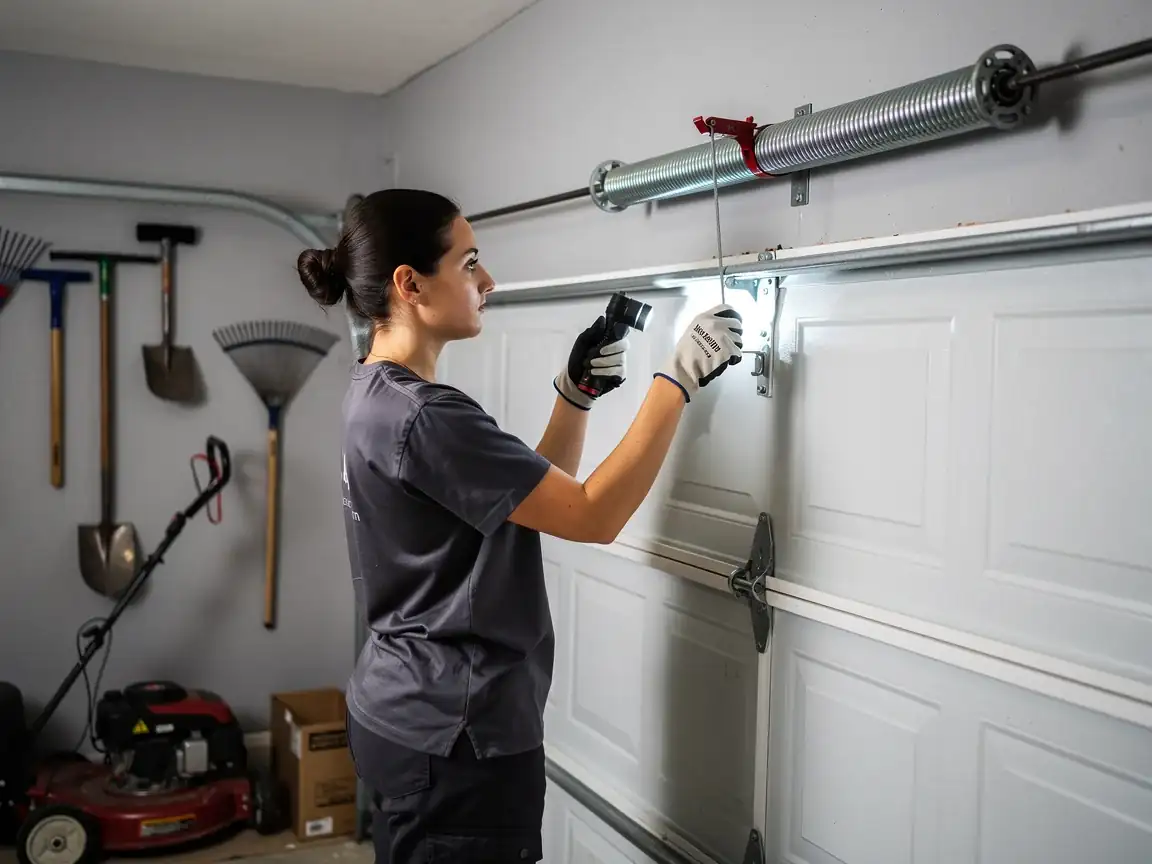
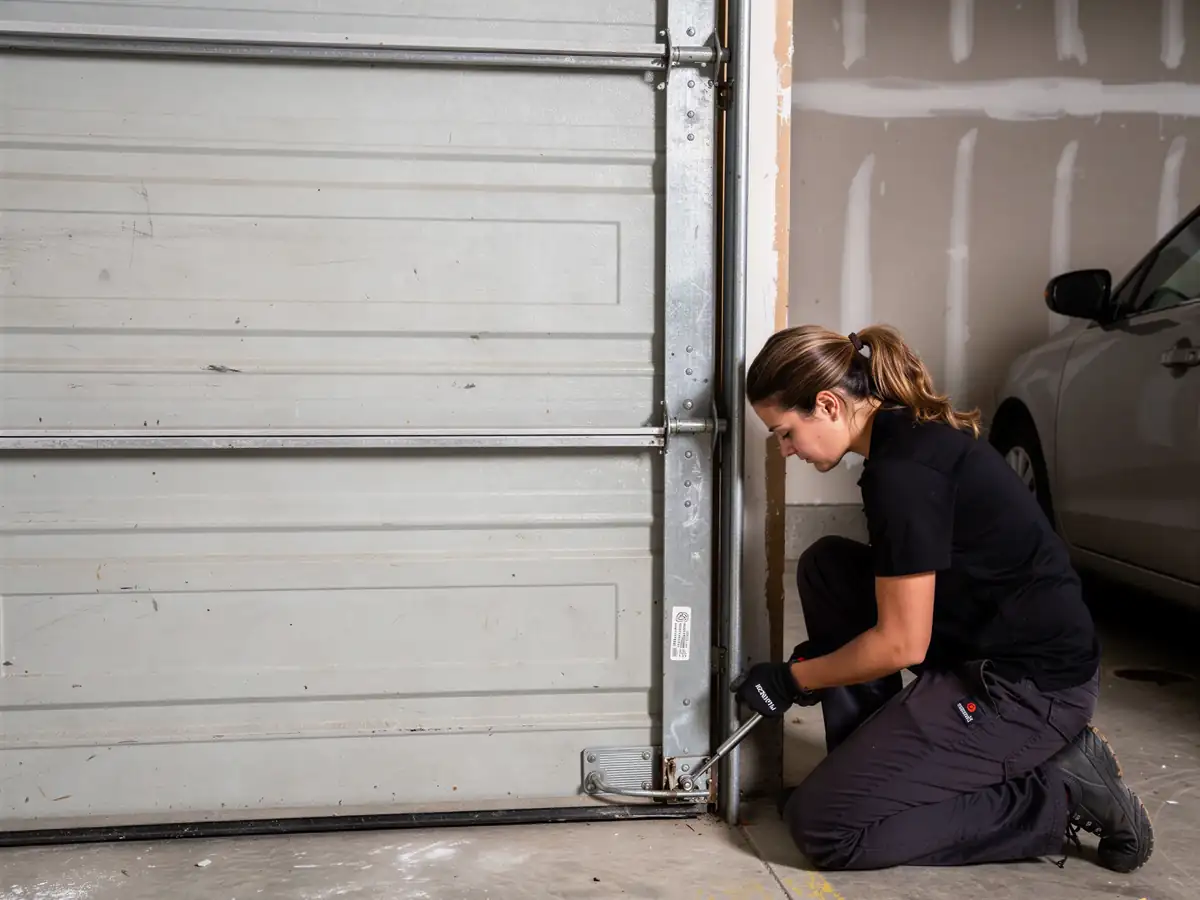
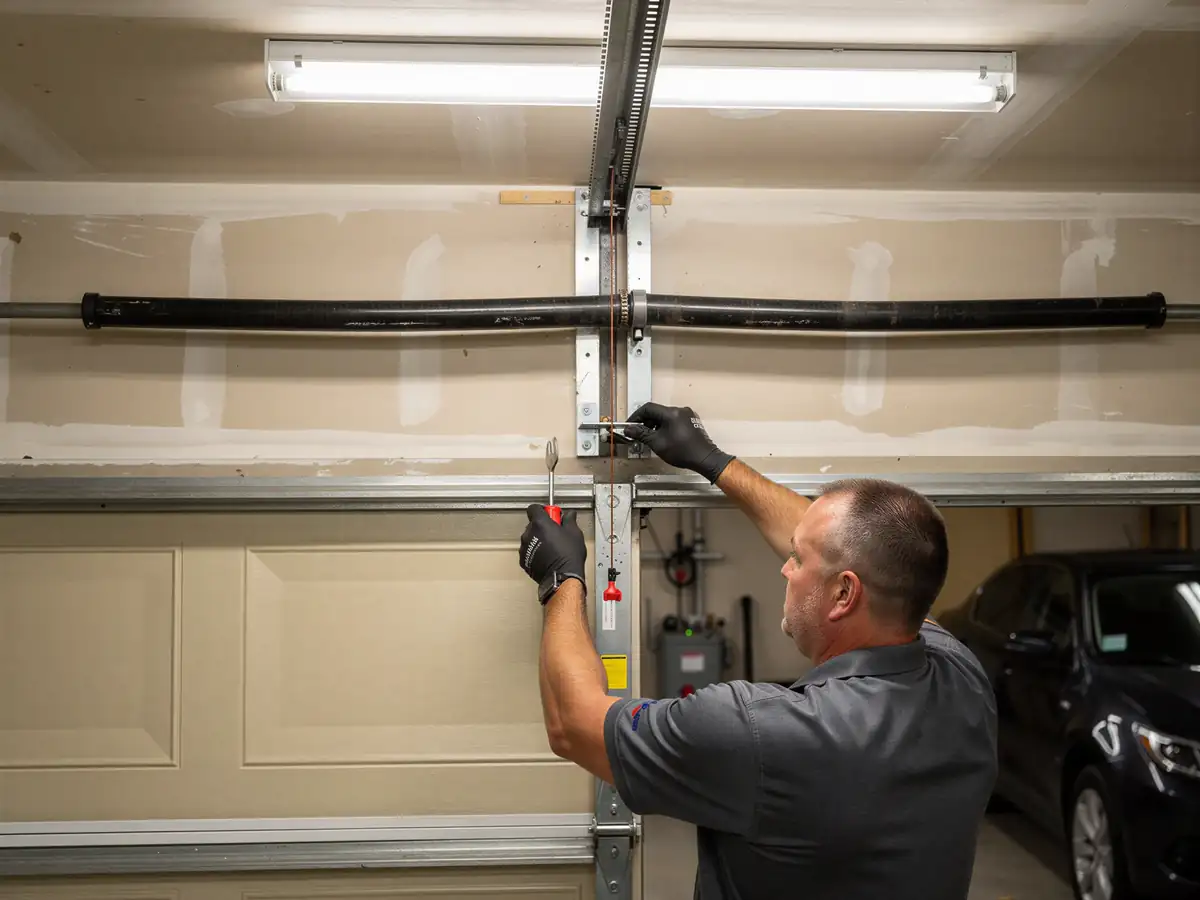
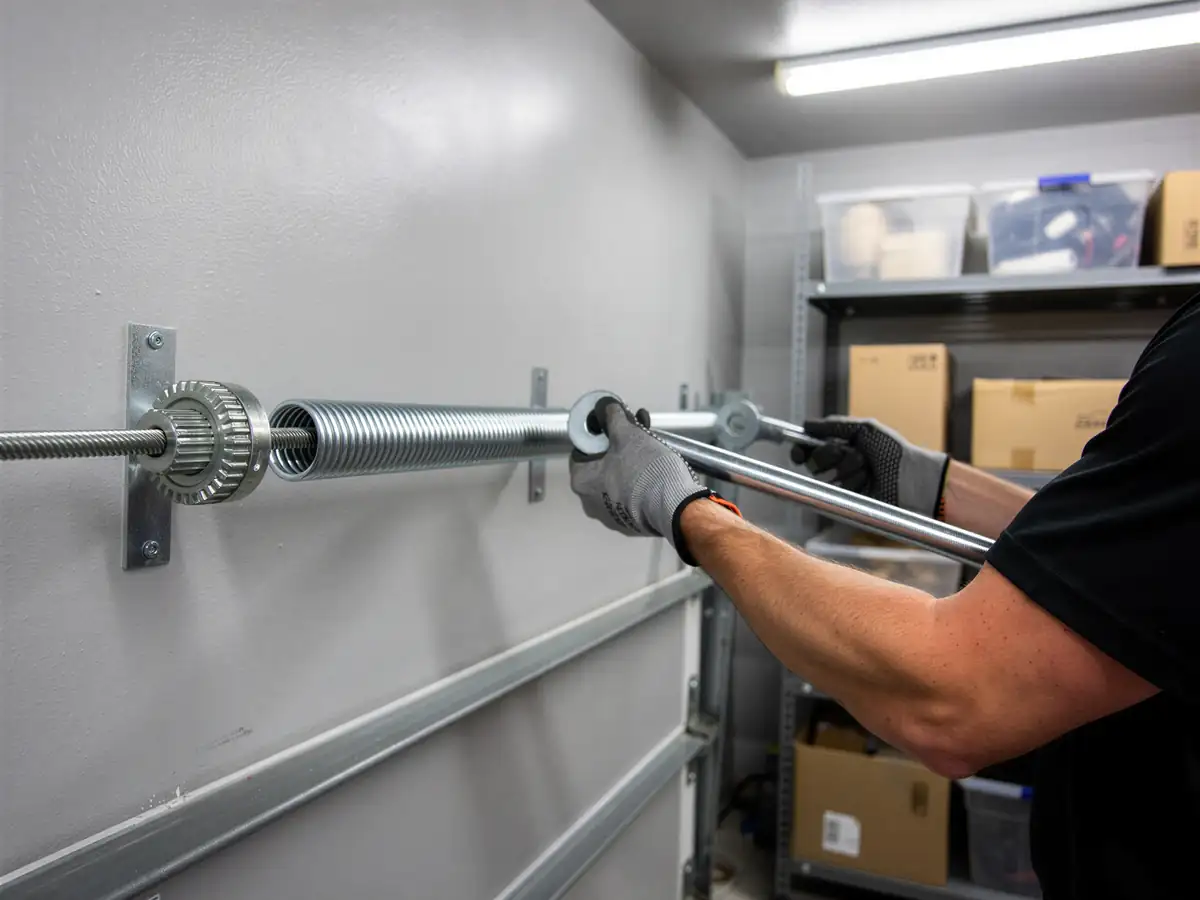
Spring failure still happens on a 20-year-old door - torsion springs wear out on a cycle count, not a calendar, so age alone doesn't protect anyone. But the failure mode is cleaner: a single broken spring on a door that's otherwise square and true, rather than a door that's been sagging on mismatched hardware for years. That's usually a faster, more predictable repair, and we'll say so on the phone before we quote it.
What Was Built Here
Gateway's 2003 median build year puts it in the climate-informed design generation
Houses designed from the start with Florida's mild temperate conditions in mind rather than retrofitted for it. That shows up in details like weatherstripping fit, bottom seal design, and insulated panel options being standard rather than added on. It doesn't mean nothing goes wrong. Openers fail. Rollers wear. Bottom seals still need replacing after years of sun and humidity, mild climate or not.
What it does mean is that when we're called out to Gateway
We're less often dealing with structural rust-through on tracks or decades of accumulated misalignment, and more often with a single component that's reached the end of its service life. That's a more honest job to quote, and usually a shorter one. We won't tell you a door needs replacing just because it's convenient to say - if the spring's the only problem on a 20-year-old door, we fix the spring.