Season by Season
Estero sits in a mild temperate band
So you're not dealing with the freeze-thaw cycle that kills openers up north. That sounds like good news, and mostly it is - but it changes what actually fails here and when. The wetter stretch of the year pushes humidity into the opener housing, and on units installed back when the house was built, the circuit board and limit switch contacts take the brunt of it. Corrosion on a contact point looks like nothing until the day the opener just stops responding to the remote, with no warning click or grind first.
The drier stretch of the year is easier on electronics but hard on moving parts
Chain slack, worn sprockets, belts that have gone brittle after thirty-plus years of heat cycling in an unconditioned garage. Neither season brings ice, so you won't see the classic frozen-track jam. What you will see, pretty much year-round, is an opener that was never built to run this many years in this much humidity, finally giving out - and a power cut, from a storm or a grid issue, landing on a unit with no battery backup to carry it through.
What You Pay
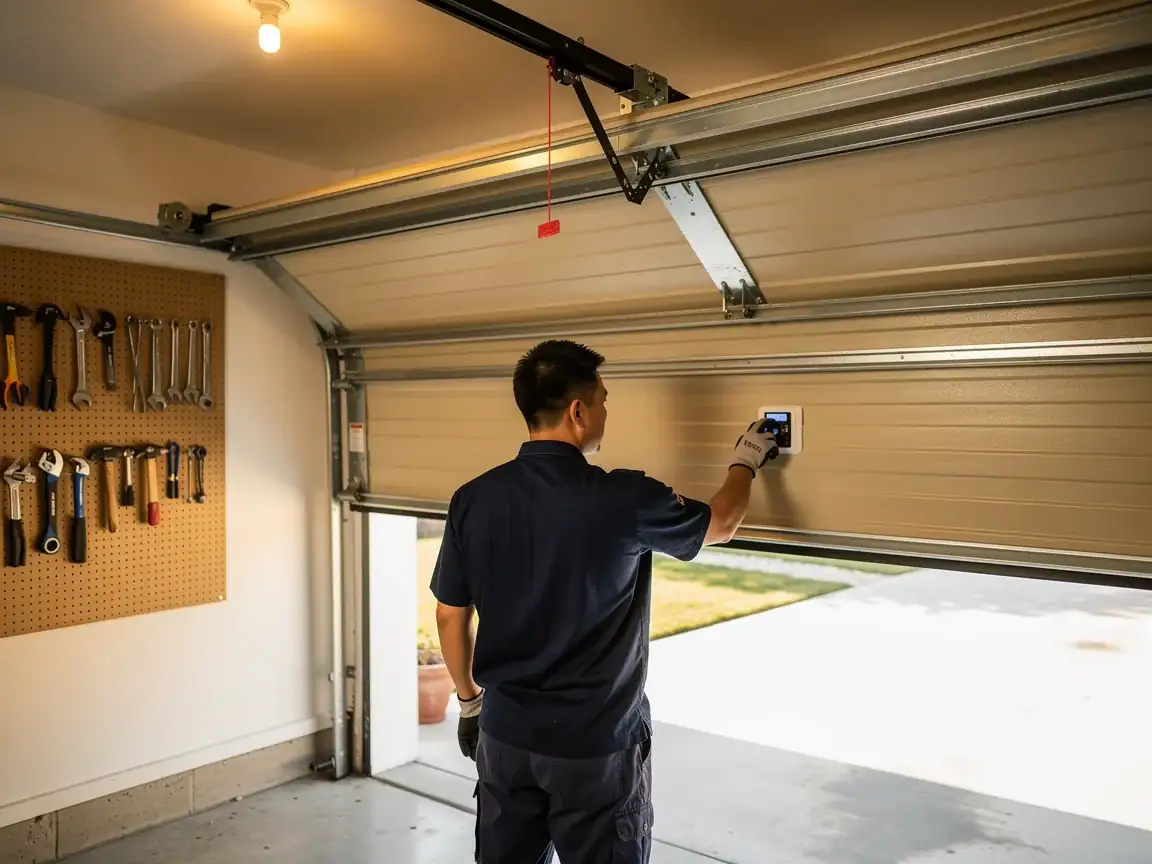
We don't post a flat number here because opener work isn't one job - a logic board swap on a newer unit is a different bill than replacing a 1980s chain-drive opener that has no battery backup and no parts left to source. What we can tell you is what drives the cost up or down: whether the opener predates battery backup and rolling code (most of the original units in houses built between 1970 and 2006 do), whether the circuit board can be repaired or has to be replaced whole, and whether the house already has a manual release set up correctly for when the power cuts out.
One honest limitation: if your opener is original to a house from the 1980s, we're not going to spend an hour trying to source a board for a motor that's been out of production for decades. At that point replacement is the honest answer, not a rebuild. We'll tell you straight when fixing it costs more sense than money, rather than running up a bill chasing a part that doesn't exist anymore.
What the Weather Here Does to It
Estero's climate is mild temperate, which keeps you out of the frozen-spring, cracked-panel problems that colder regions deal with. But this part of the state sits close enough to the Gulf - Fort Myers Beach is about seven miles out, Punta Rassa fourteen - that salt-tinged, humid air moves inland and settles into garage interiors that rarely get real ventilation. That air works on metal contacts and circuit boards slowly, over years, not in one dramatic event. It's why an opener that looks fine on the outside can have a corroded logic board inside, and why a power cut that would be a minor inconvenience on a newer unit becomes a full stoppage on an older one with no battery backup.
We're not claiming storm frequency or outage data we don't have - we don't have it for this area, so we won't state it. What we can say is that houses built in the 1970s through the 2006 range, which covers most of this part of Estero, are now old enough that the original opener and its wiring have had three or four decades of this humidity working on them.
What Is Going On
Across the roughly 36,333 owner-occupied houses and 71,428 households in this service area
A lot of garage doors are still running the opener that came with the house when it was built - somewhere between 1970 and 2006, with the median landing around 1986. That means no battery backup, no rolling code, and wiring that's older than most of the cars parked under it. When the power goes out, those units just stop. No chirp, no backup light, nothing - the door sits wherever it was when the grid dropped.
- 36,333 owner-occupied
- 71,428 households
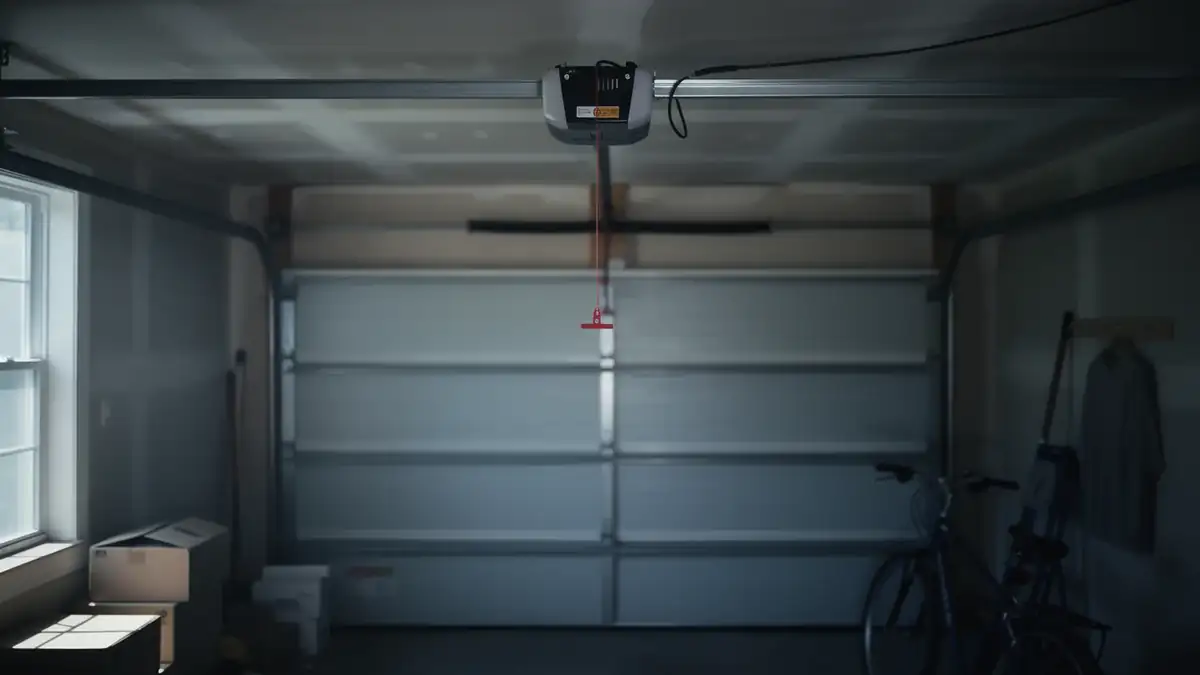
The fix in that situation usually isn't the opener itself
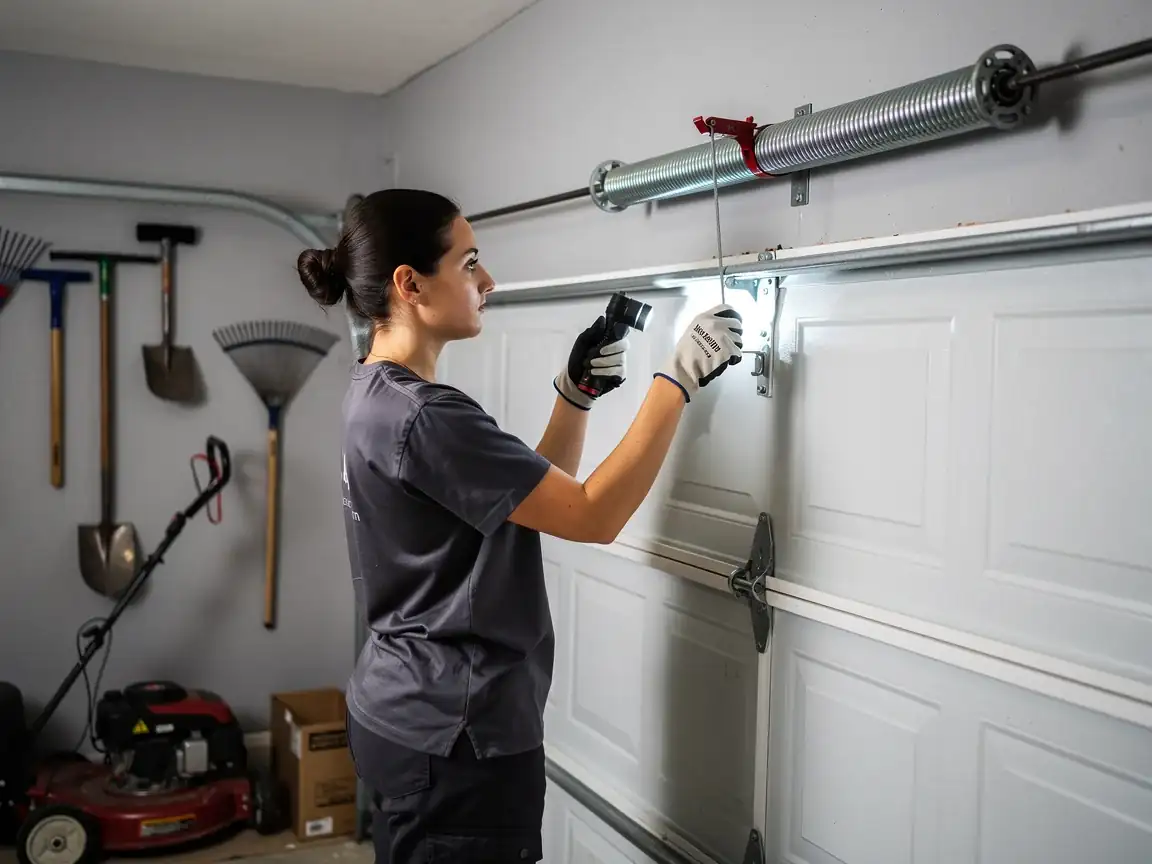
It's the absence of a battery backup unit and a working manual release the homeowner actually knows how to use. We see the same call from Three Oaks three miles out and from two miles east: the door won't move and the house just lost power, and nine times out of ten nobody in the house knows where the red release cord is or what it does. That's a five-minute fix once we're there, and a five-minute thing to learn before the next outage happens.