Season by Season
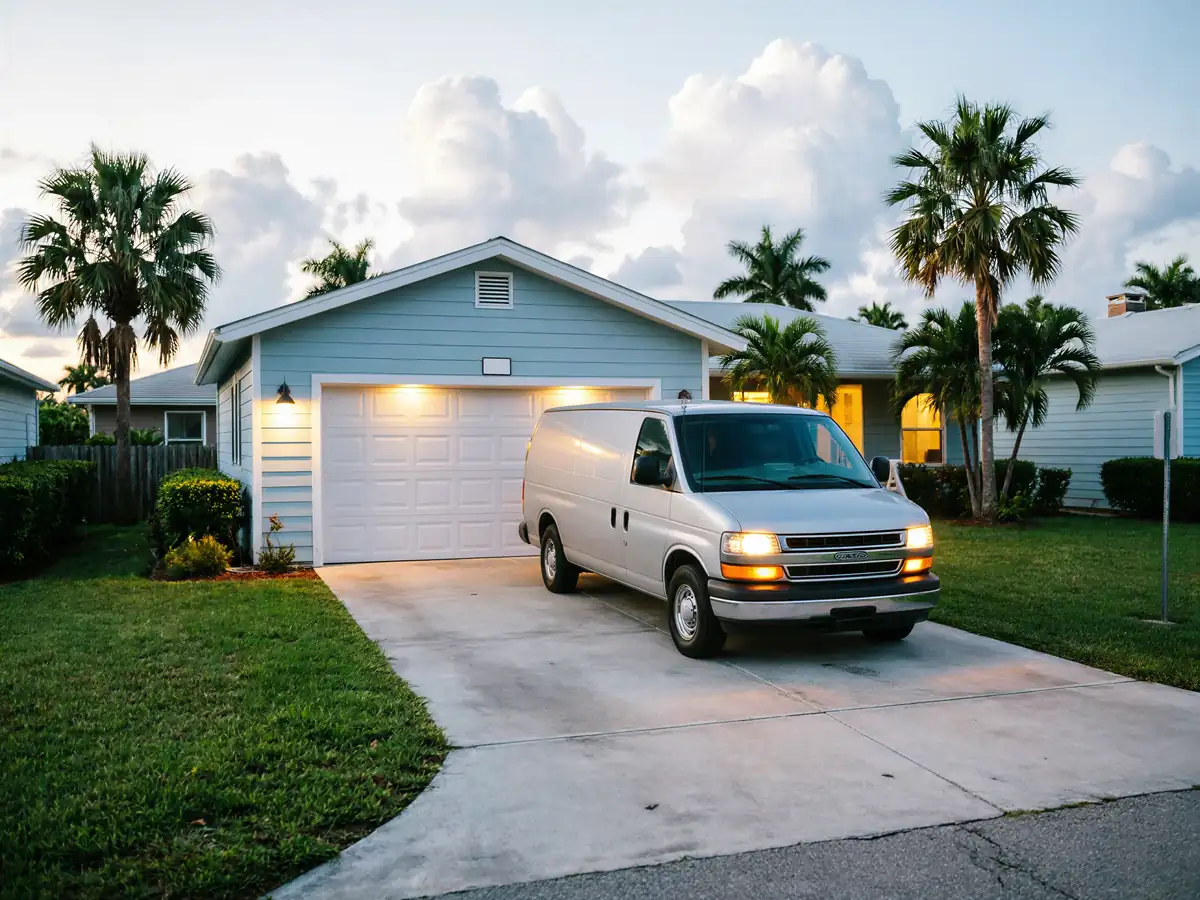
Estero doesn't have a brutal winter that locks up springs or a hard freeze-thaw cycle that cracks panels
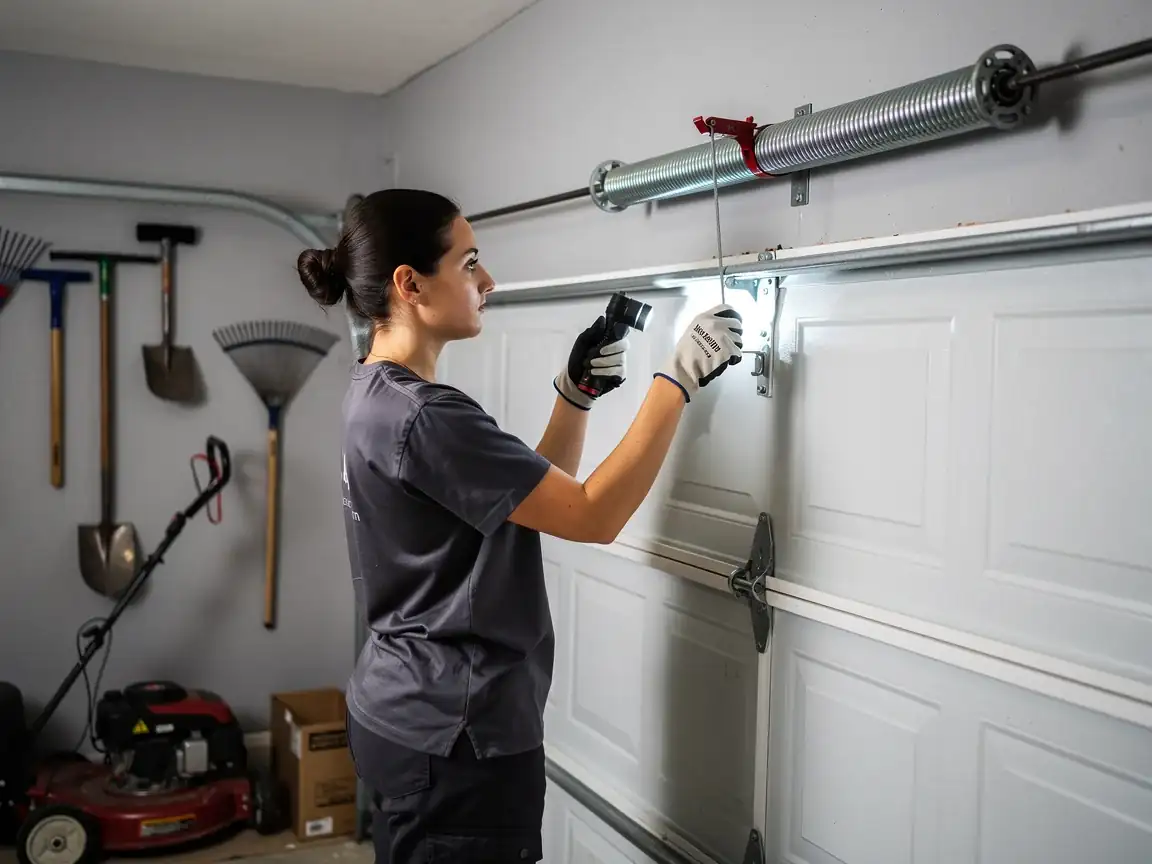
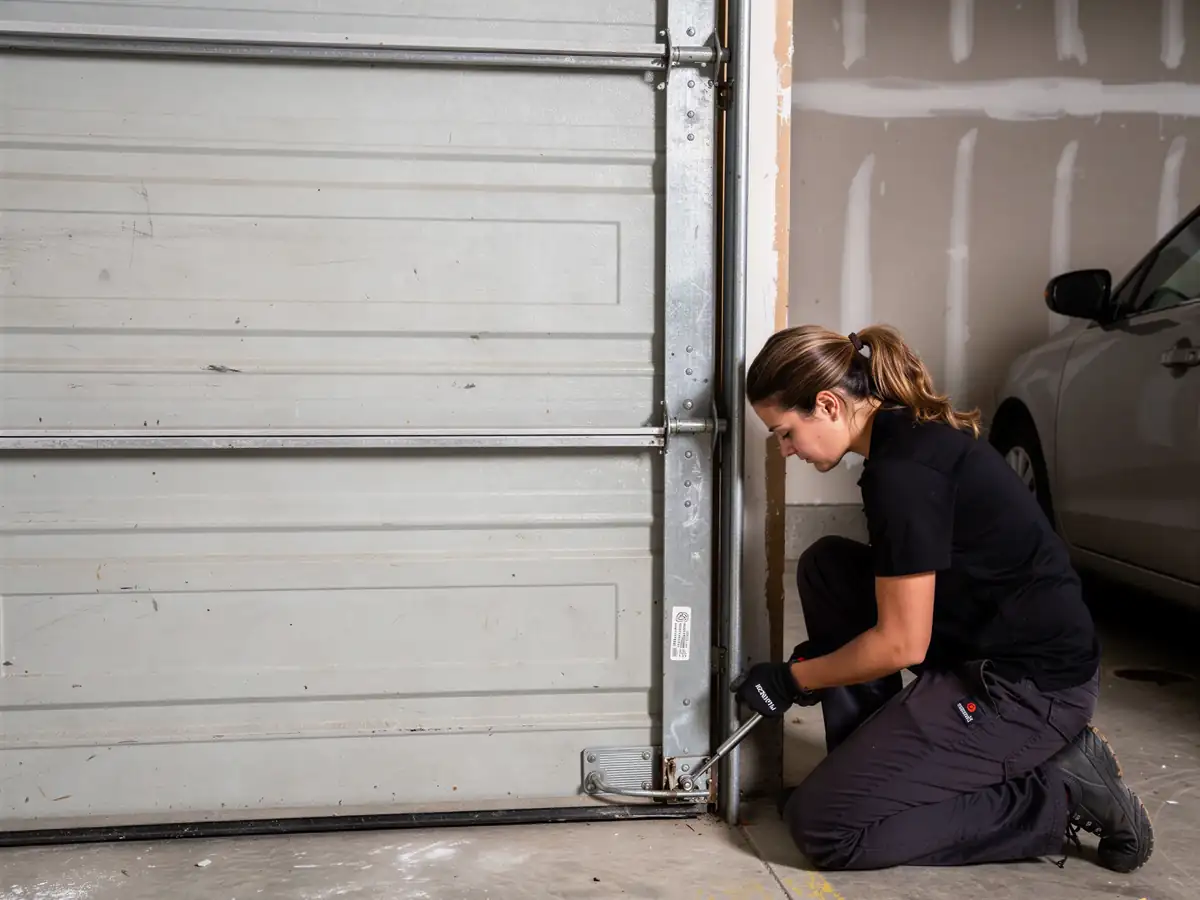
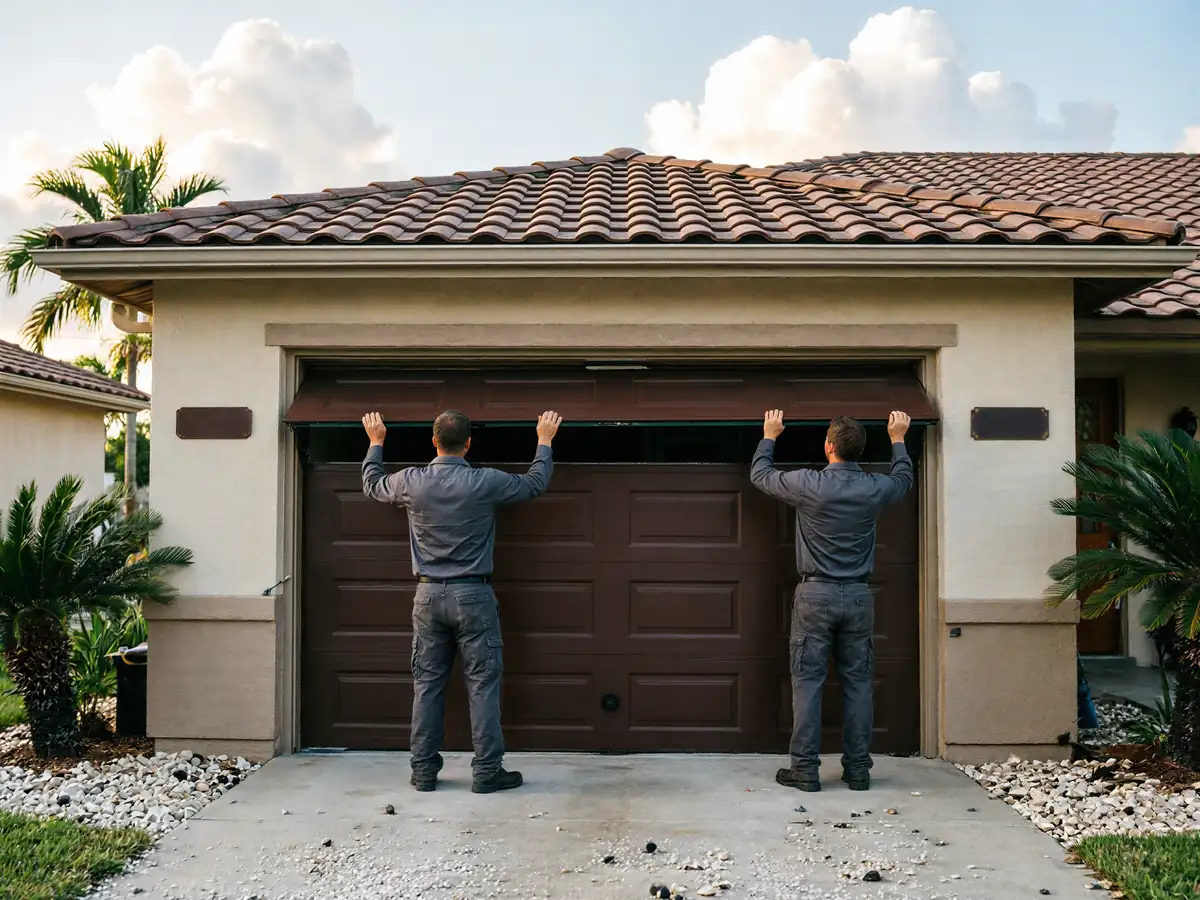
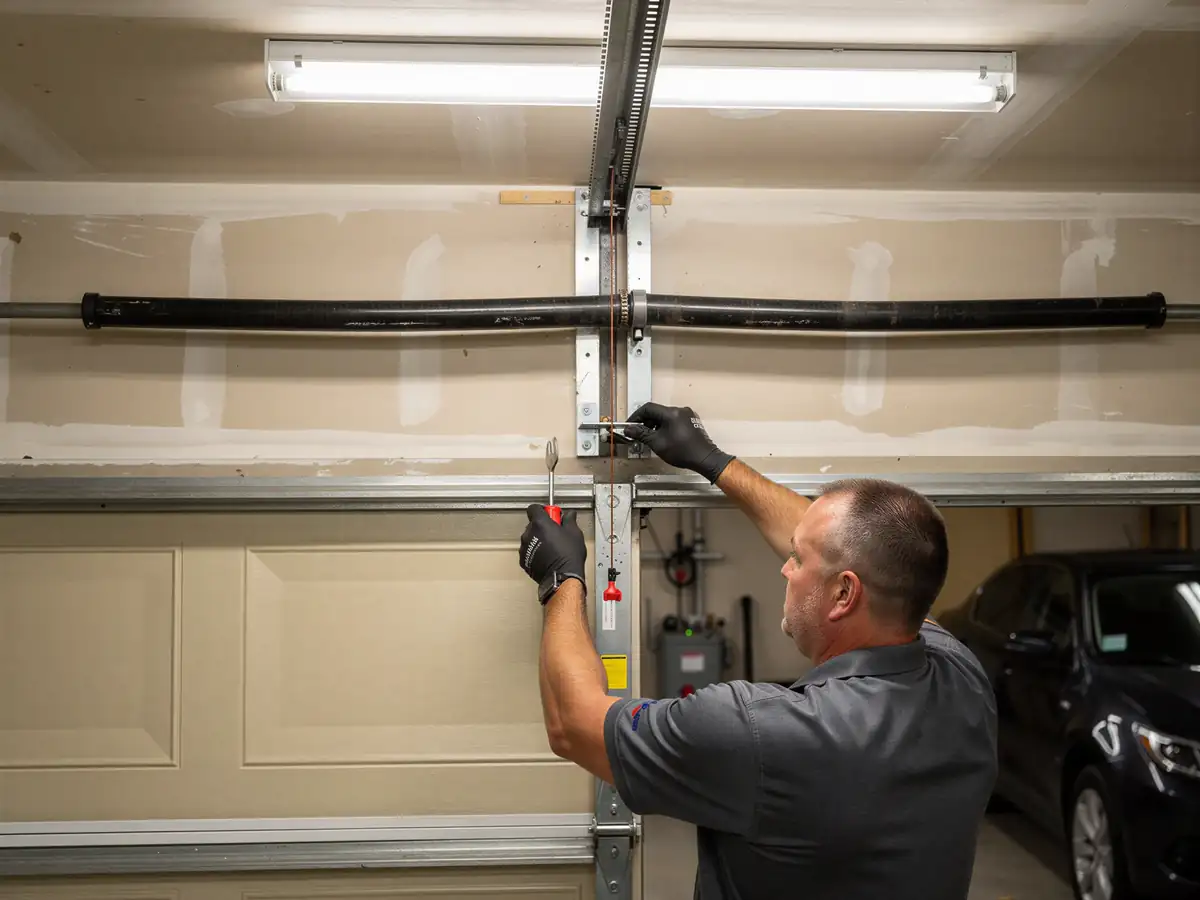
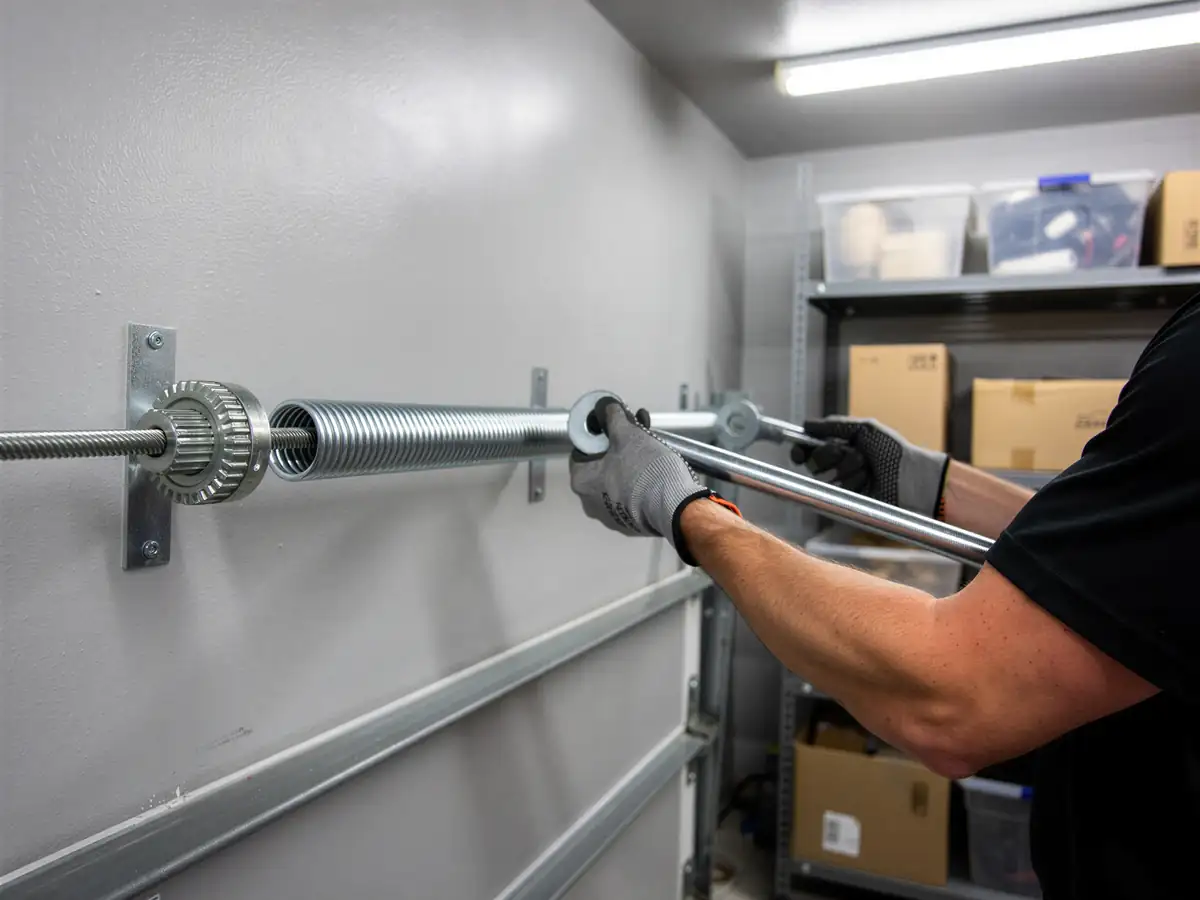
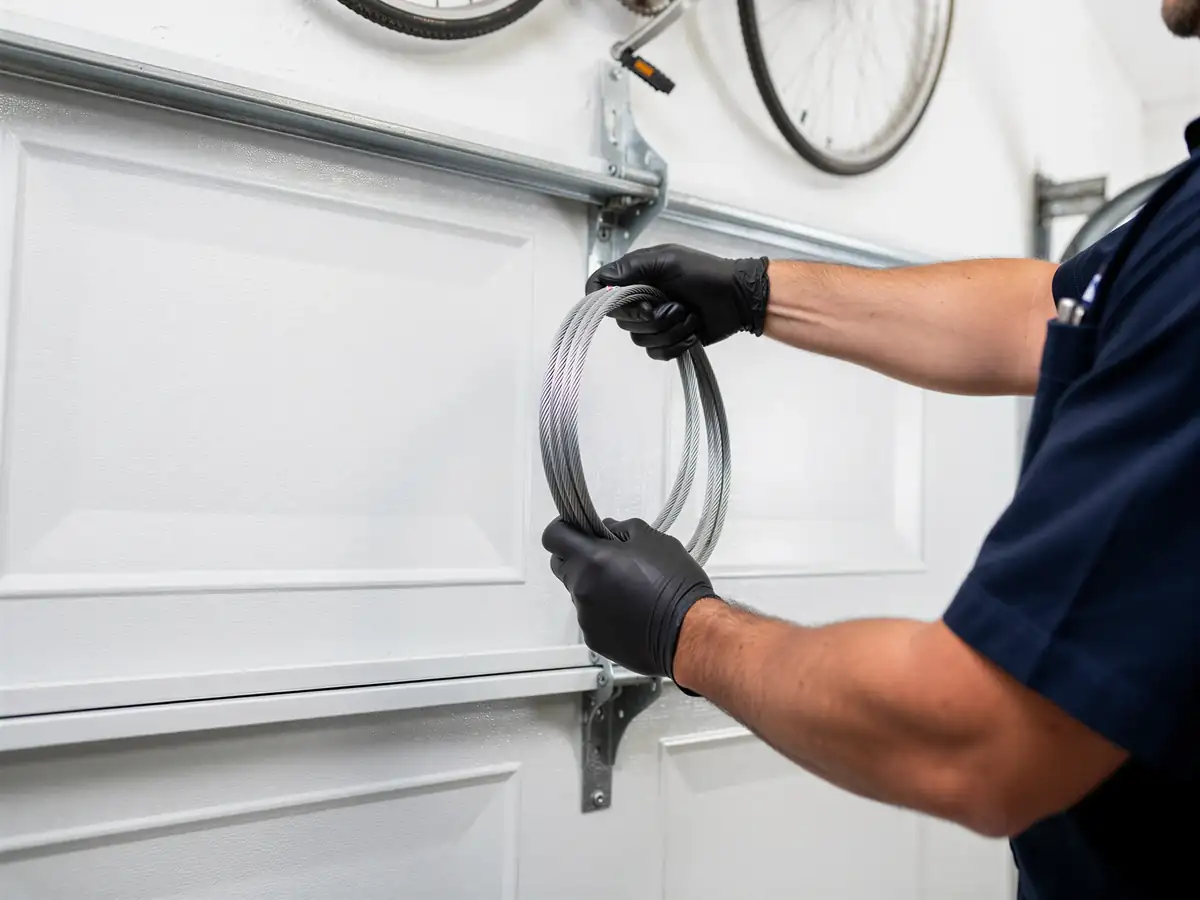
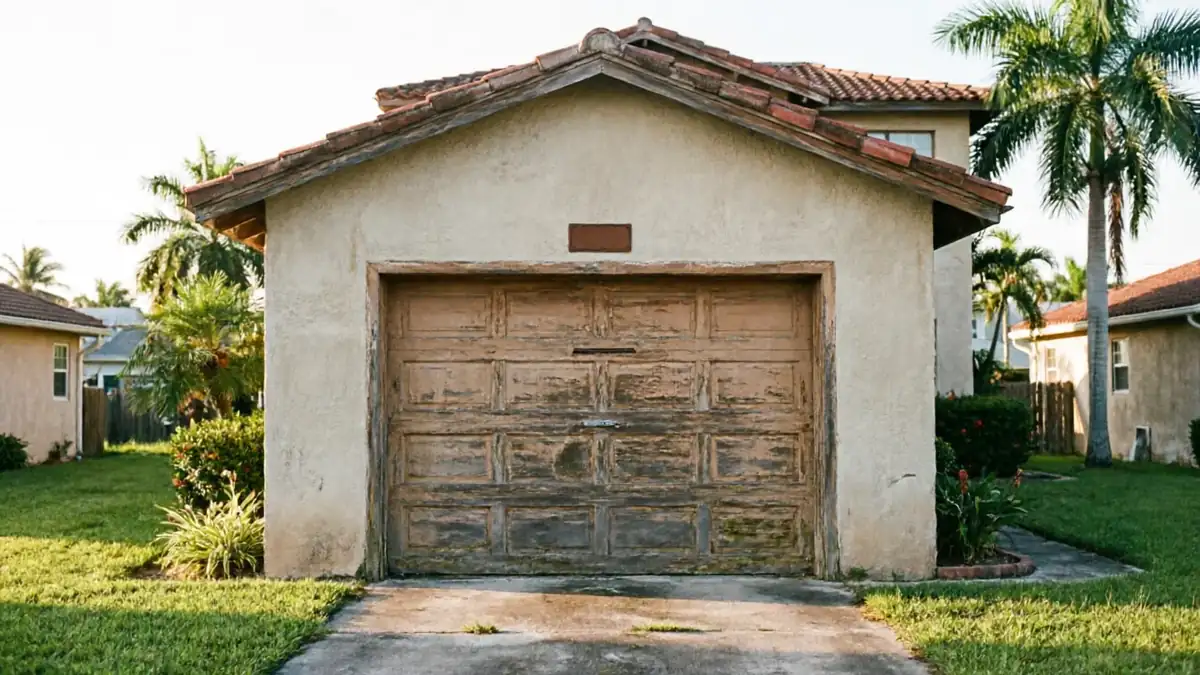
And that changes how a door ages here compared to a northern climate. The service area sits in a mild temperate band, so the wear on an older door is steadier and slower rather than seasonal spikes of failure. That means a 20-year-old torsion spring here hasn't been through the kind of stress a similar spring sees up north - but it has been through a lot of open-close cycles in heat and humidity, which still wears rollers, bearings, and cable long before the frame itself gives up. A door that's been running since the house was built in the 1980s or 90s is usually failing at the hardware level, not the structure. That's good news for repair, because the parts you're replacing - springs, rollers, the opener itself - are the cheap half of the door, not the expensive half.
There isn't a storm season or ice season here that forces a repair decision on a calendar
Most of the calls we get on older doors come down to one part finally quitting after years of quiet wear, not a weather event pushing it over the edge.
What You Pay
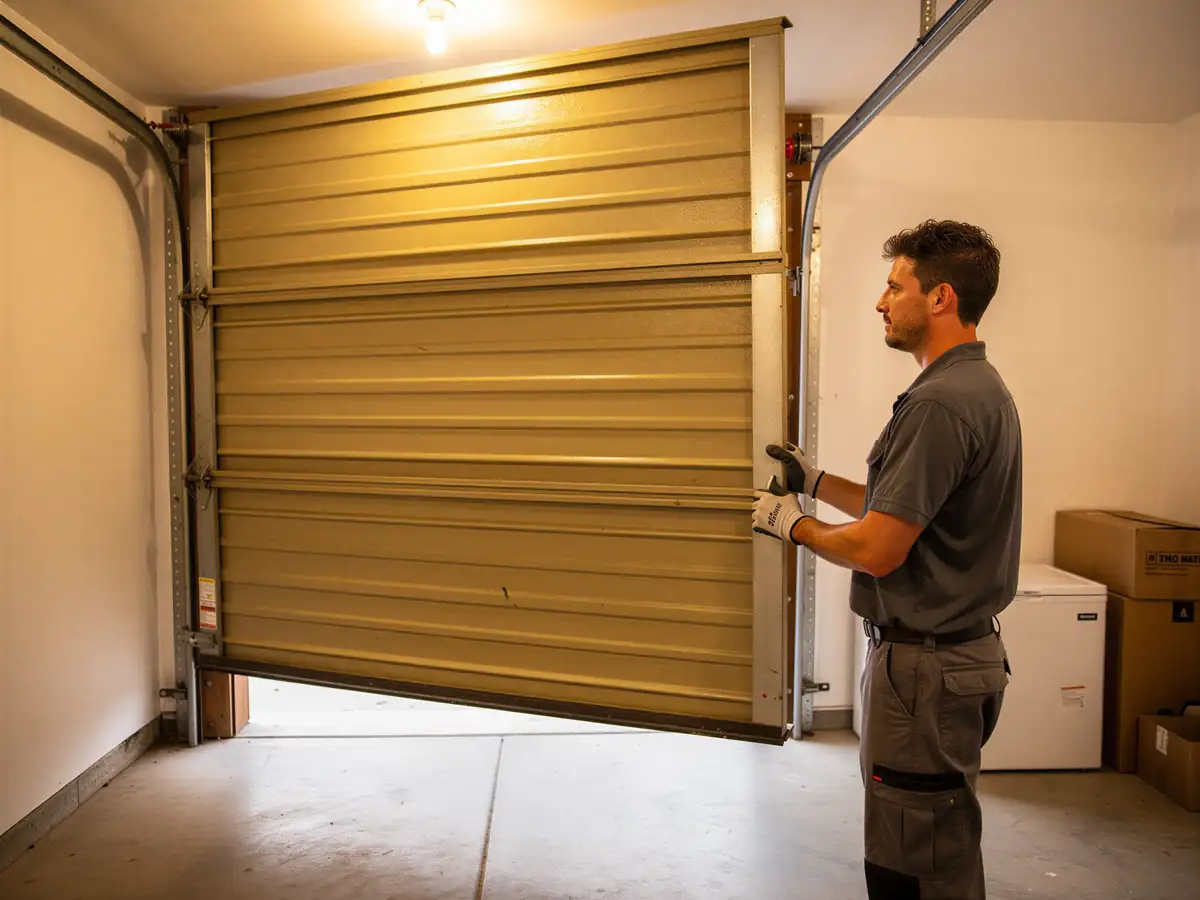
We don't publish a flat number here because what a repair costs depends on what's actually worn versus what's still good - and on an older door those are often two very different things. The honest answer is that we price the job after we look at the spring, the track, the opener, and the panels, not off a phone estimate. What we can tell you is this: on a house built in the 1980s or 90s, the door panel and track are usually fine - heavy steel from that era holds up - and it's the spring, the opener motor, or the weatherstripping that's actually failed. Replacing those is a fraction of replacing the whole unit. We'll tell you straight if a repair isn't worth it, which does happen - usually when the opener and the springs both need work at once, or when the track has rusted out from years of a leaky corner. In those cases, a new door often makes more sense than three separate fixes stacked on top of each other.
What the Weather Here Does to It
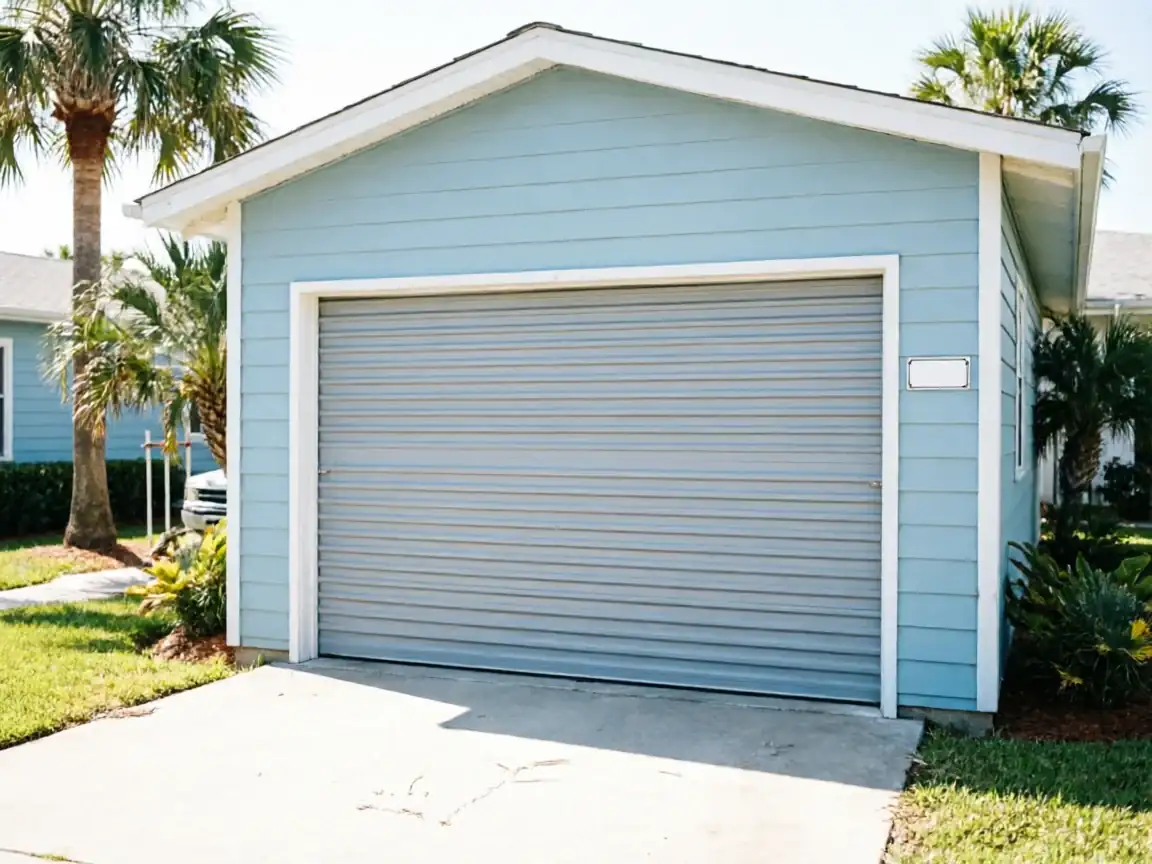
Estero's climate is mild, not harsh, and that's the single biggest reason older doors here are usually worth fixing rather than replacing. There's no deep freeze cracking seals, no heavy snow load stressing a track, no repeated ice-melt cycle working bolts loose. What you do get is steady heat and humidity year-round, which breaks down rubber weatherstripping and foam insulation faster than a cold climate would, and which lets hinges and rollers run dry if they're not kept lubricated. On a door installed anywhere from 1970 through the mid-2000s - which covers most of the housing stock across this part of the service area - the steel itself rarely fails first. The gaskets, the plastic idler wheels, and the opener's drive gear wear out well before the panel does. That's the part worth knowing before you write off an old door as a lost cause: the expensive component usually survives the climate just fine.