What Causes It Around Here
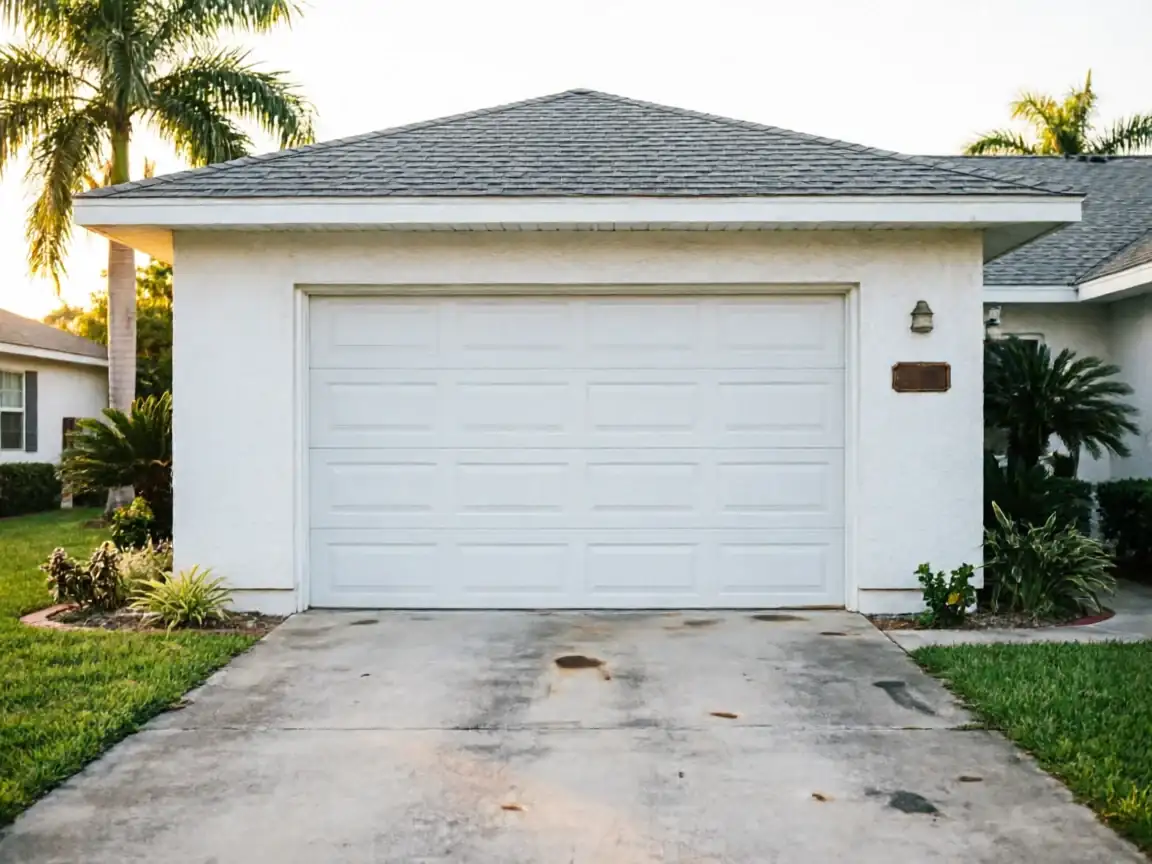
Most houses across this service area went up between 1970 and 2006
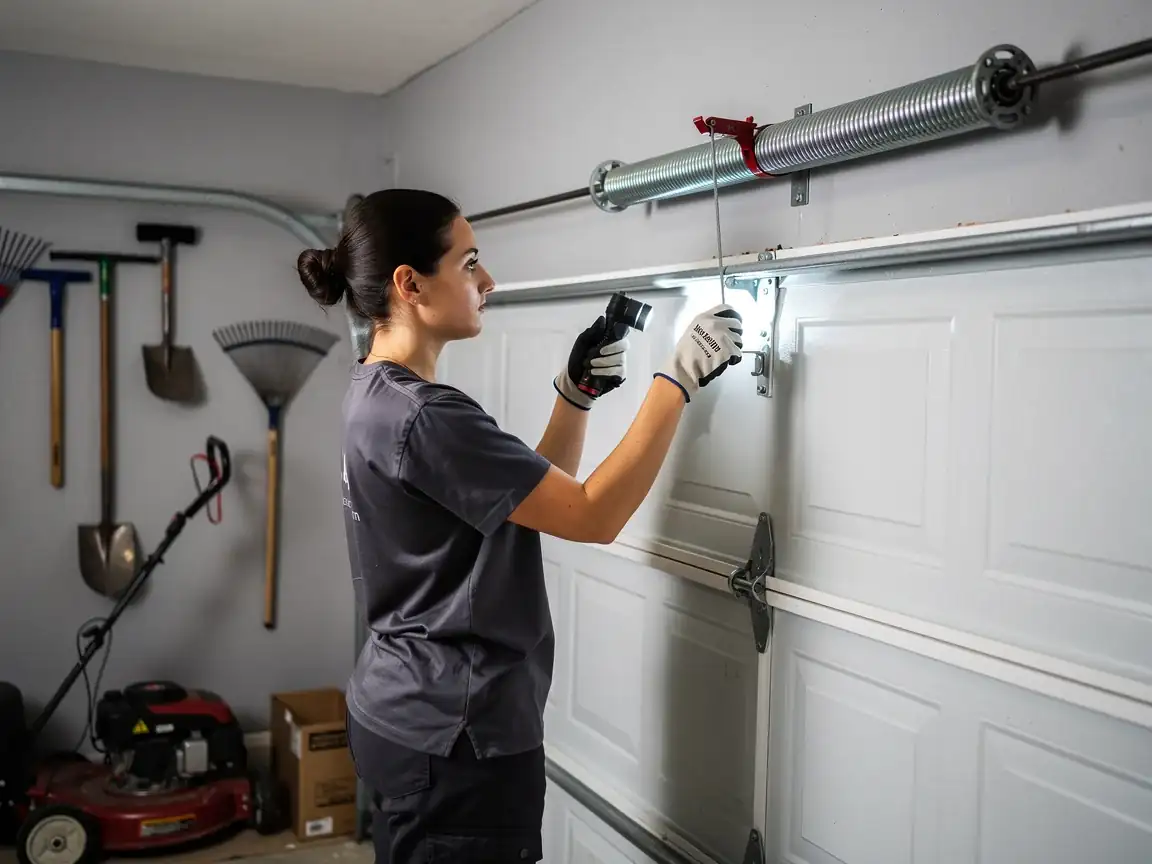
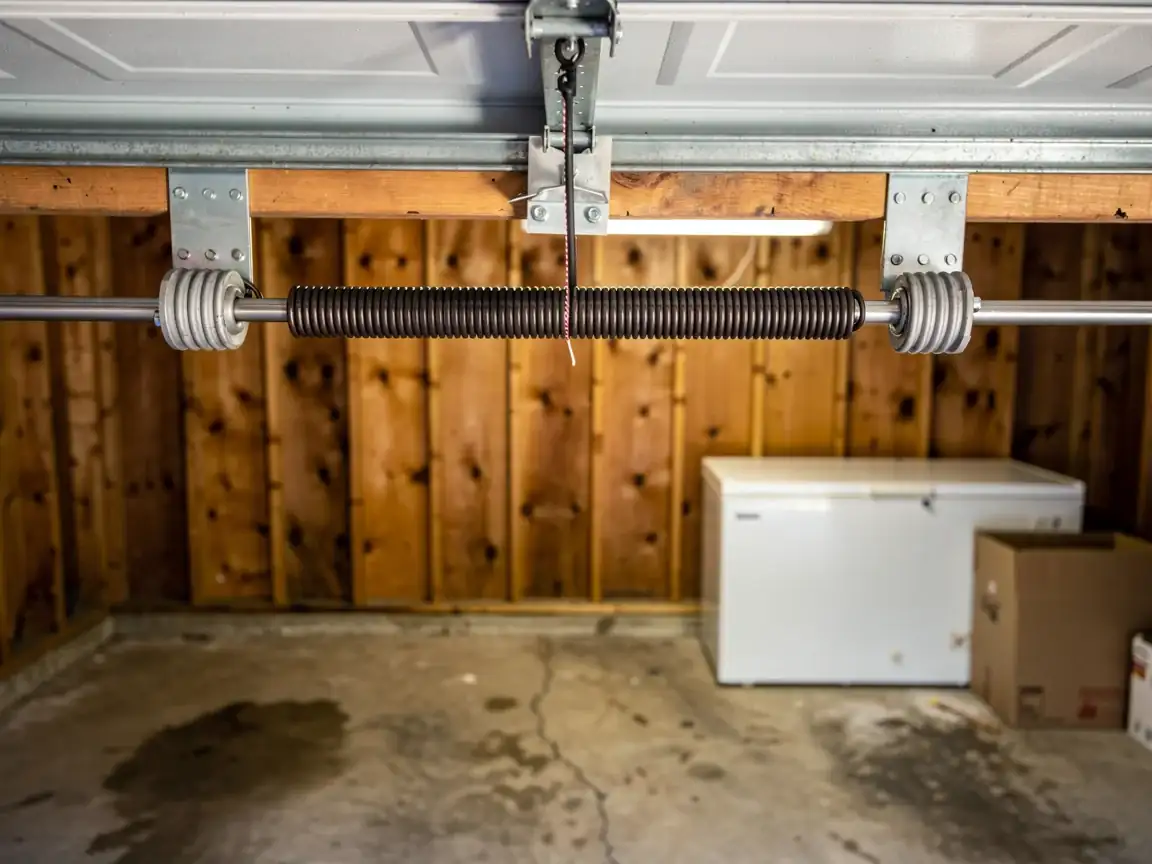
With the bulk of that stock dating to the mid-1980s and 1990s. That matters for maintenance because doors and openers from that build window are old enough that the original hardware is wearing out, but the houses aren't so old that everything has already been replaced once. You get a lot of original torsion springs still cycling, original rollers that have never been swapped, and track alignment that's drifted slowly for 30-plus years without anyone noticing until the door starts binding.
The climate here is mild temperate, not the freeze-thaw cycle that kills hardware up north
But humidity and salt-tinged air do their own slow damage. Steel tracks and spring coils corrode from the inside out even when nothing looks wrong on the surface. Lubricant that would last a season elsewhere gets gummed up faster here, and nylon rollers can get brittle under UV exposure on a south-facing door.
We don't see much call for winterizing
What we do see is panels and hardware than have quietly oxidized, openers whose gears have worn down from running dry for years, and springs that are past their rated cycle count without anyone keeping track. A maintenance visit on a house from this era is mostly about catching that before a spring lets go or a track pulls away from the jamb.
What You Pay
We don't post a flat number here because the job changes with what's on the door. A single-car opener with original 1990s rollers and dry hinges costs less to service than a double-door setup with two torsion springs and a cable system that's never been inspected. What we can tell you is that a maintenance visit is priced against what we find and fix, not a one-size number that ignores your door.
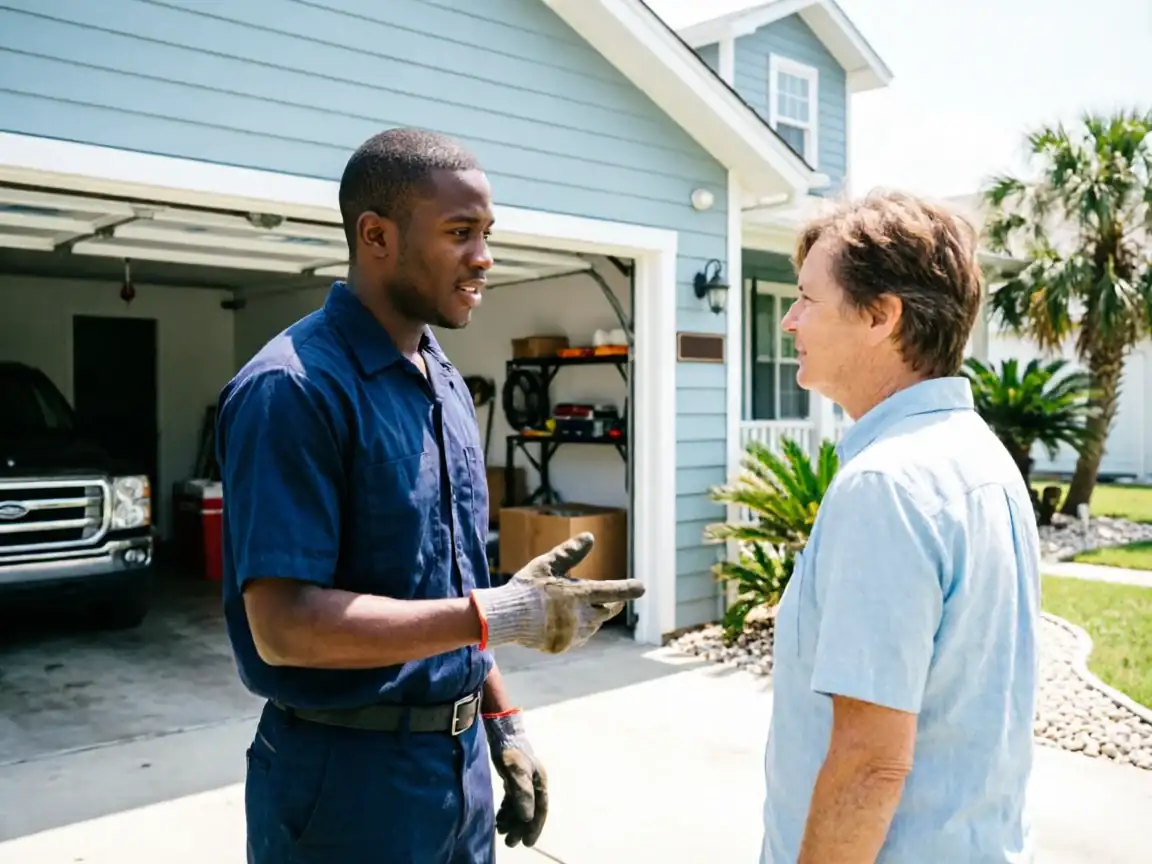
One honest point: if your springs or rollers are already past the point of adjustment, maintenance turns into repair mid-visit, and we'll tell you before we do extra work, not after. We'd rather quote the real job than pad a cheap visit.
What Is on the Truck
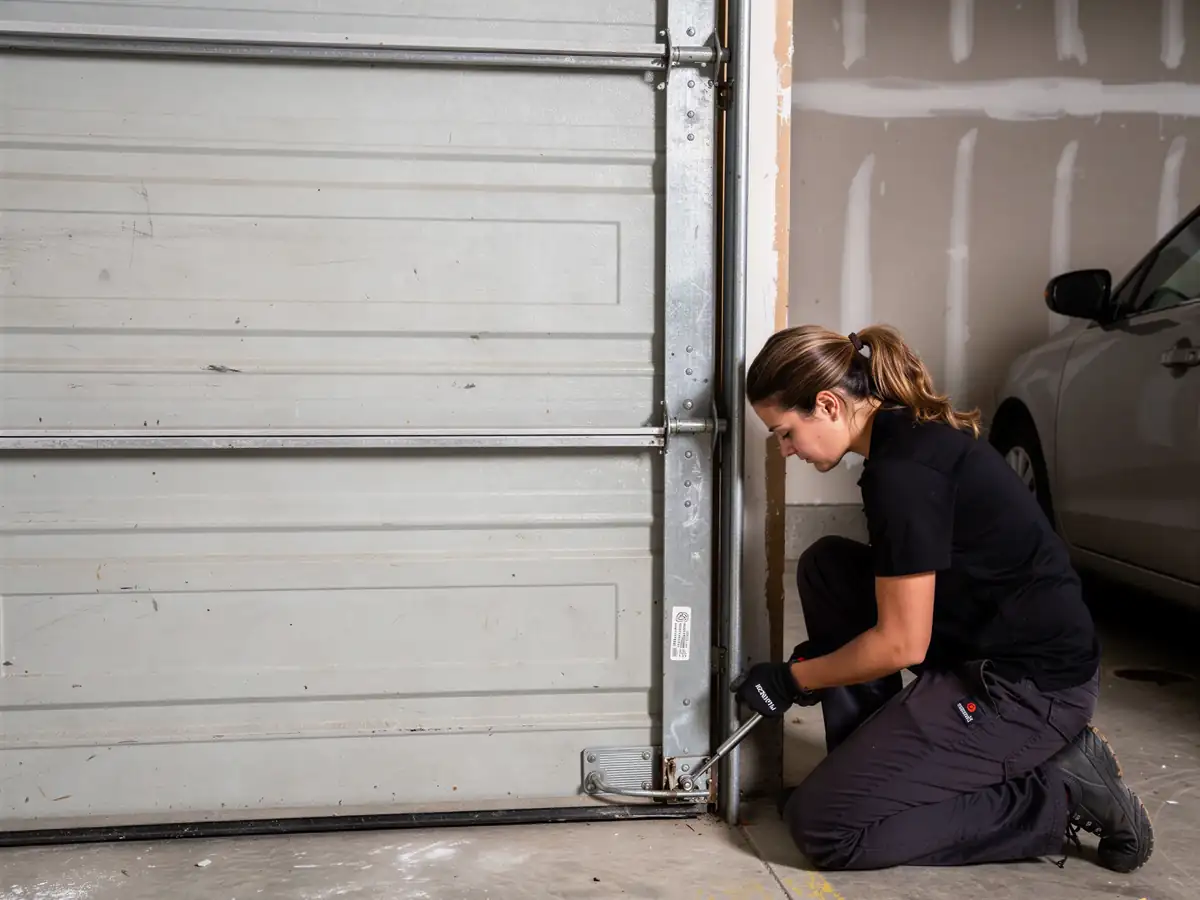
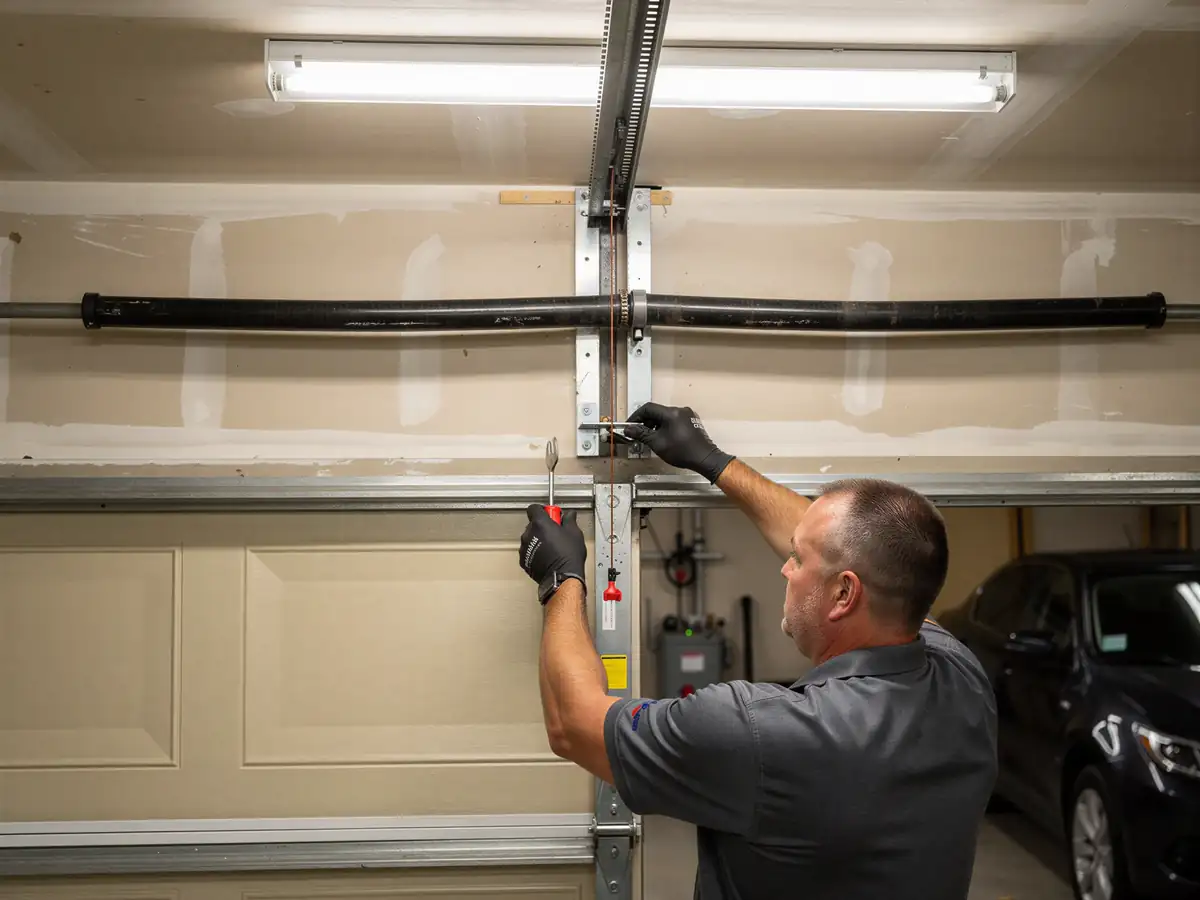
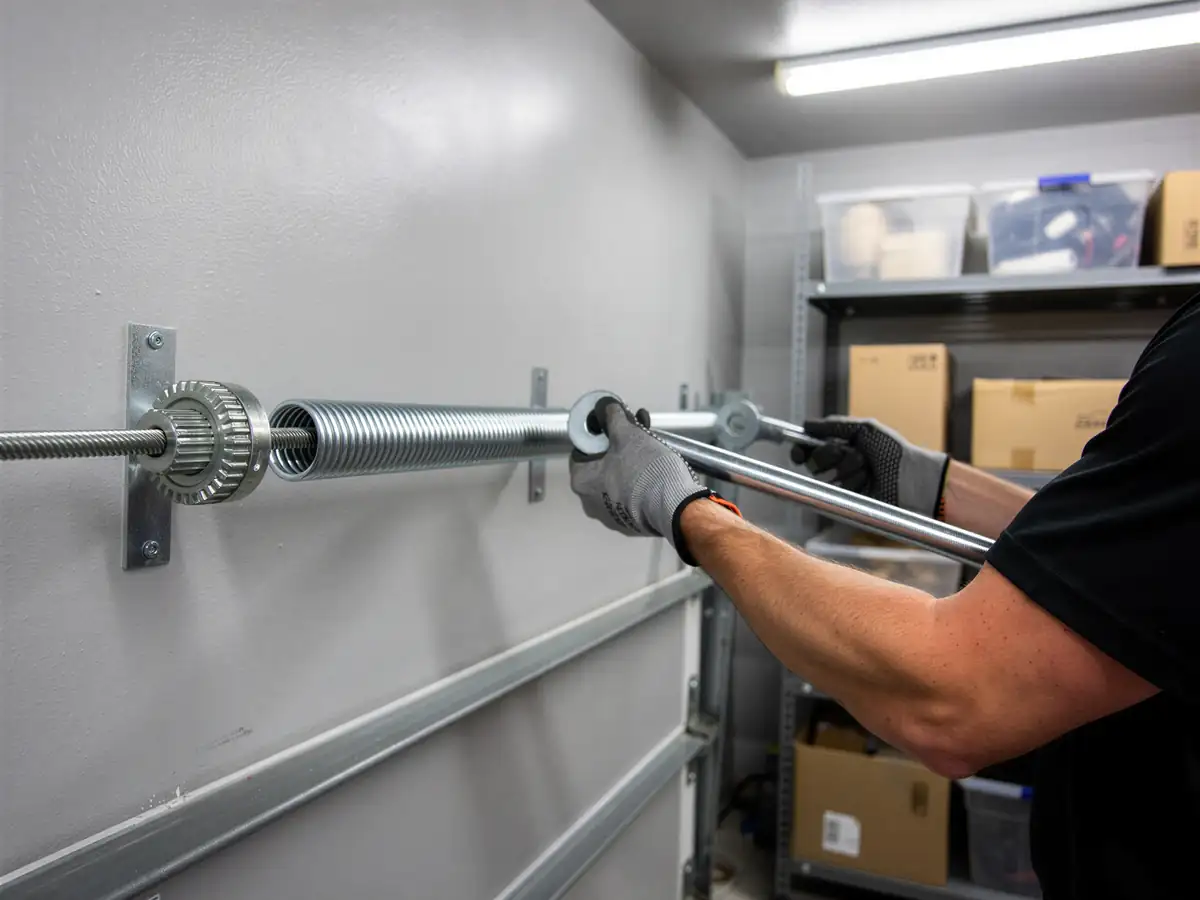
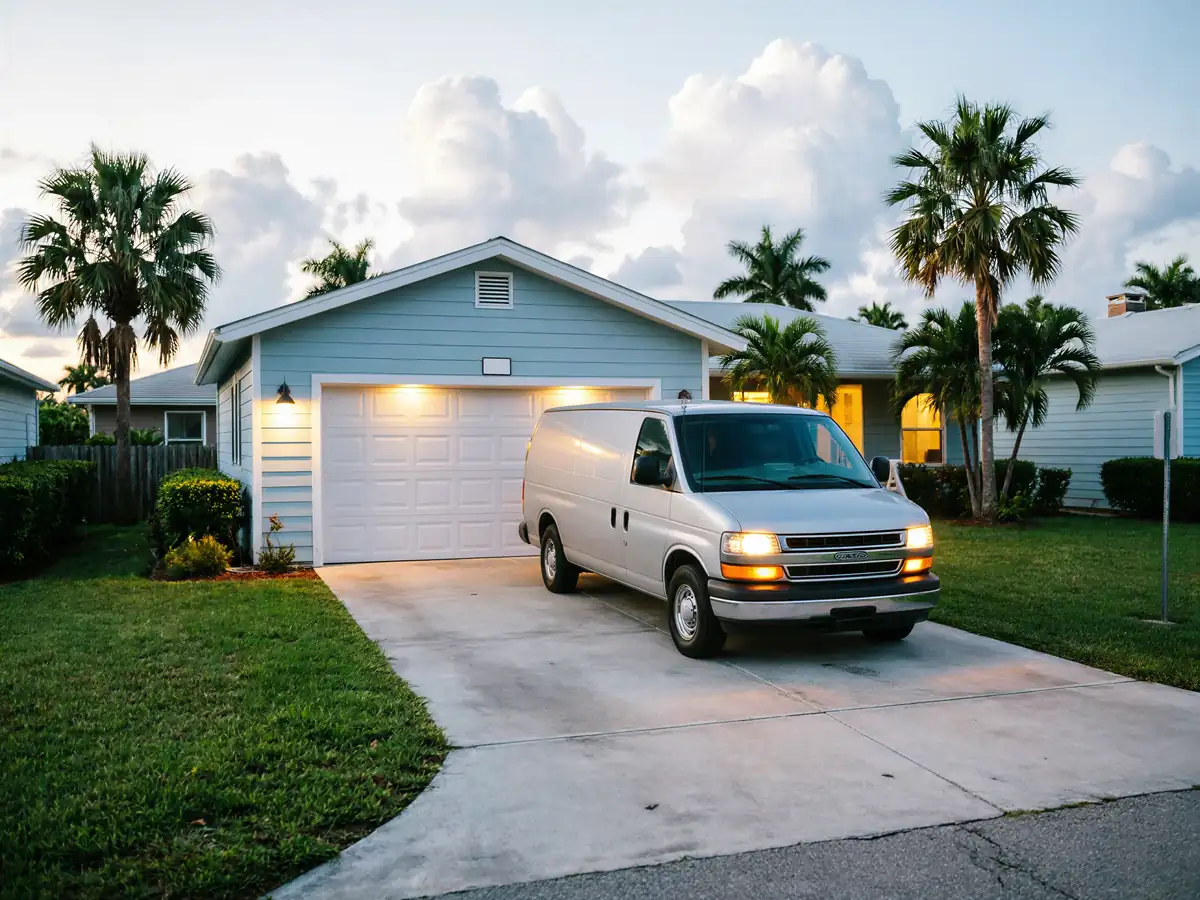
For maintenance calls in houses from this build era, the truck carries what actually gets used: lubricant rated for humid coastal air rather than the thin stuff that dries out fast, replacement rollers in both nylon and steel, hinge and roller bolts sized for the older track systems common in 1980s and 1990s construction, and a torque wrench set for re-tensioning springs that have loosened their adjustment over decades of cycling.
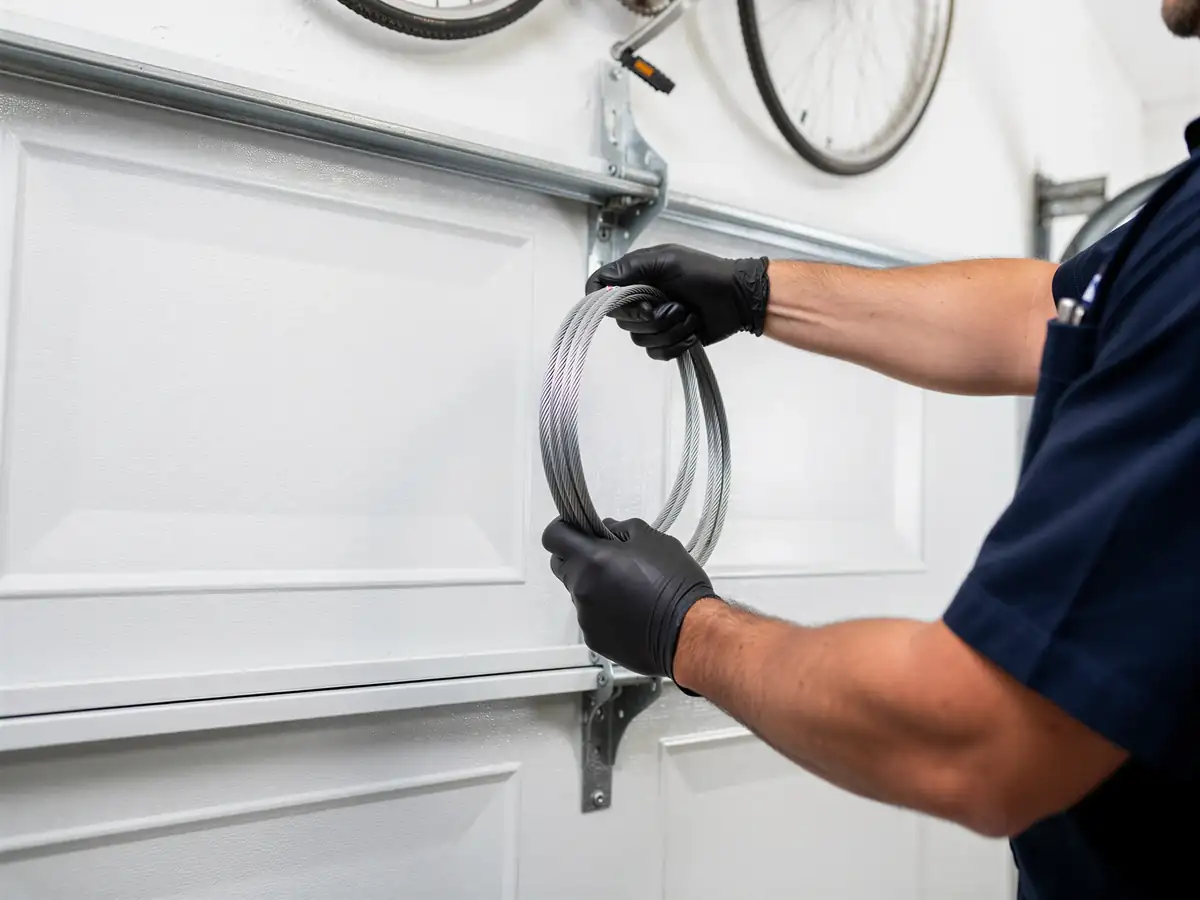
We also carry corrosion inhibitor for track hardware, since steel exposed to this area's air quality needs more than a wipe-down to stop surface rust from spreading. Cable and spring stock is on hand for the sizes most common in doors from that era, so if a cable shows fraying during a maintenance check, it gets swapped the same visit instead of scheduling a second trip.
What doesn't ride on the truck for a maintenance call: full replacement panels or custom-width doors. Those are special-order items, and if your inspection turns up a cracked panel, that's a separate job with its own lead time, not something we carry as stock.
How It Shows Up
In a house built sometime in the 1970-2006 range, the first sign is usually noise
A grinding or popping on the way up that wasn't there a year ago. That's often a roller going dry or a spring losing its coating. Next is a door that closes crooked, catching on one side before the other, which points to a track that's shifted out of alignment over years of thermal movement in the slab.
A slower opener response
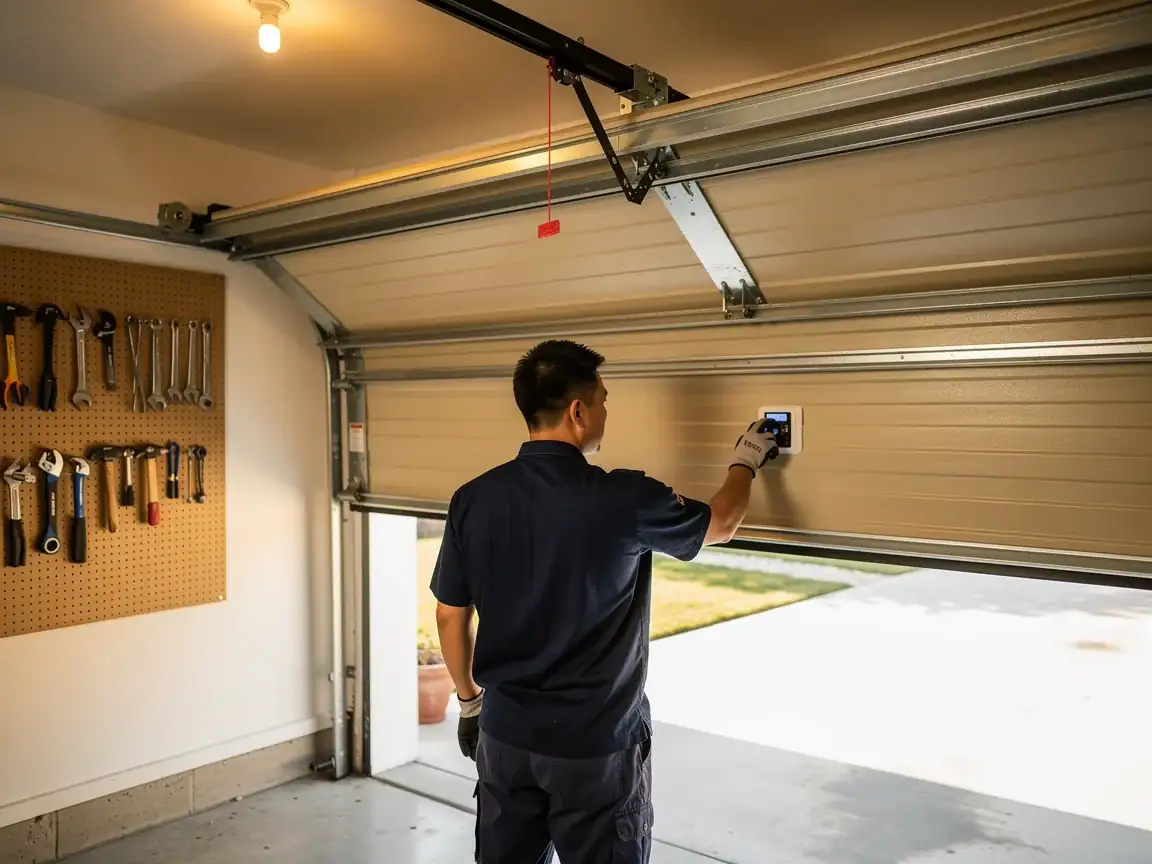
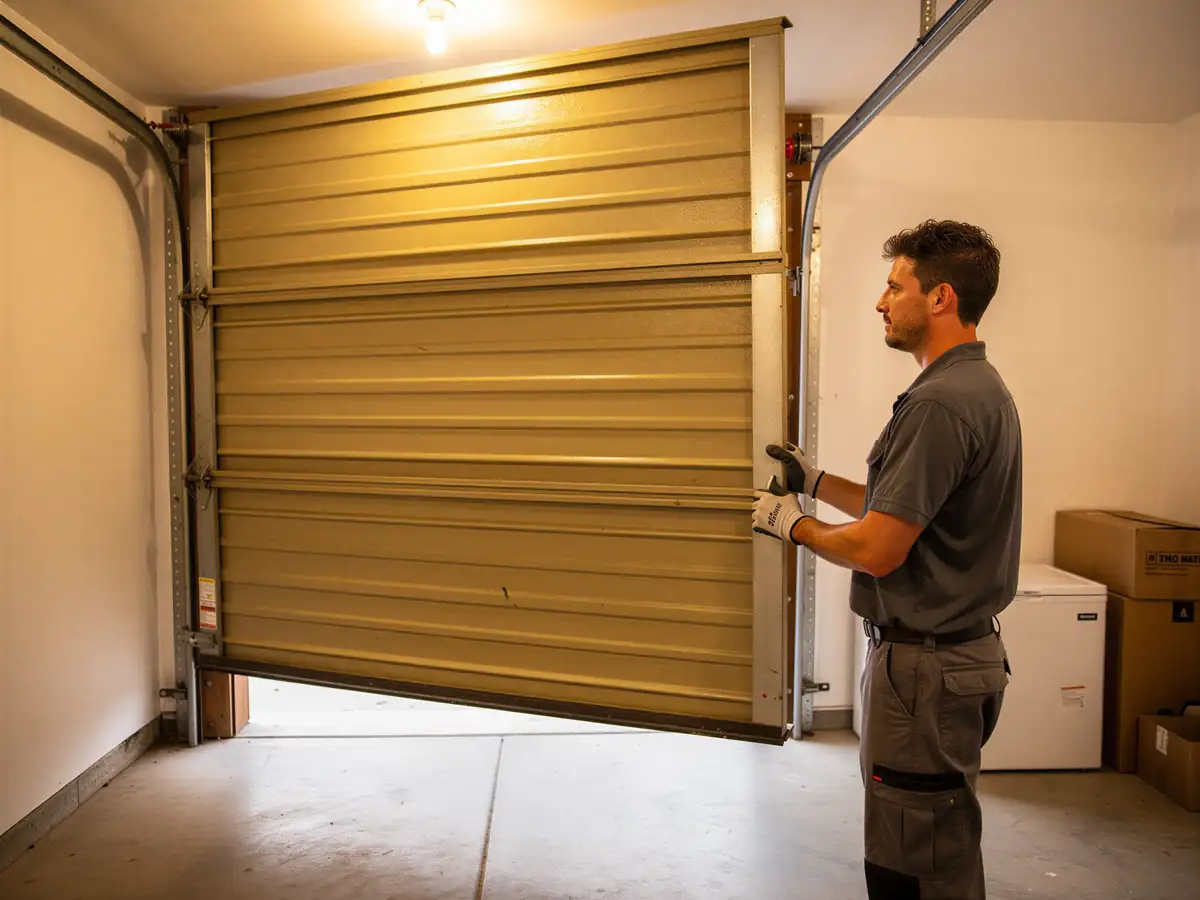
Where the door hesitates before it starts moving, usually means the opener's gear is wearing down from age rather than a failing motor outright. And a door that feels heavier to lift by hand than it used to is almost always a spring that's lost tension, which on original hardware from this era is common simply because of how many open-close cycles it's been through.
None of these show up overnight
They build for weeks, sometimes months, which is exactly why maintenance on houses from this stock catches problems before the spring snaps or the opener burns out trying to compensate.