How We Fix It
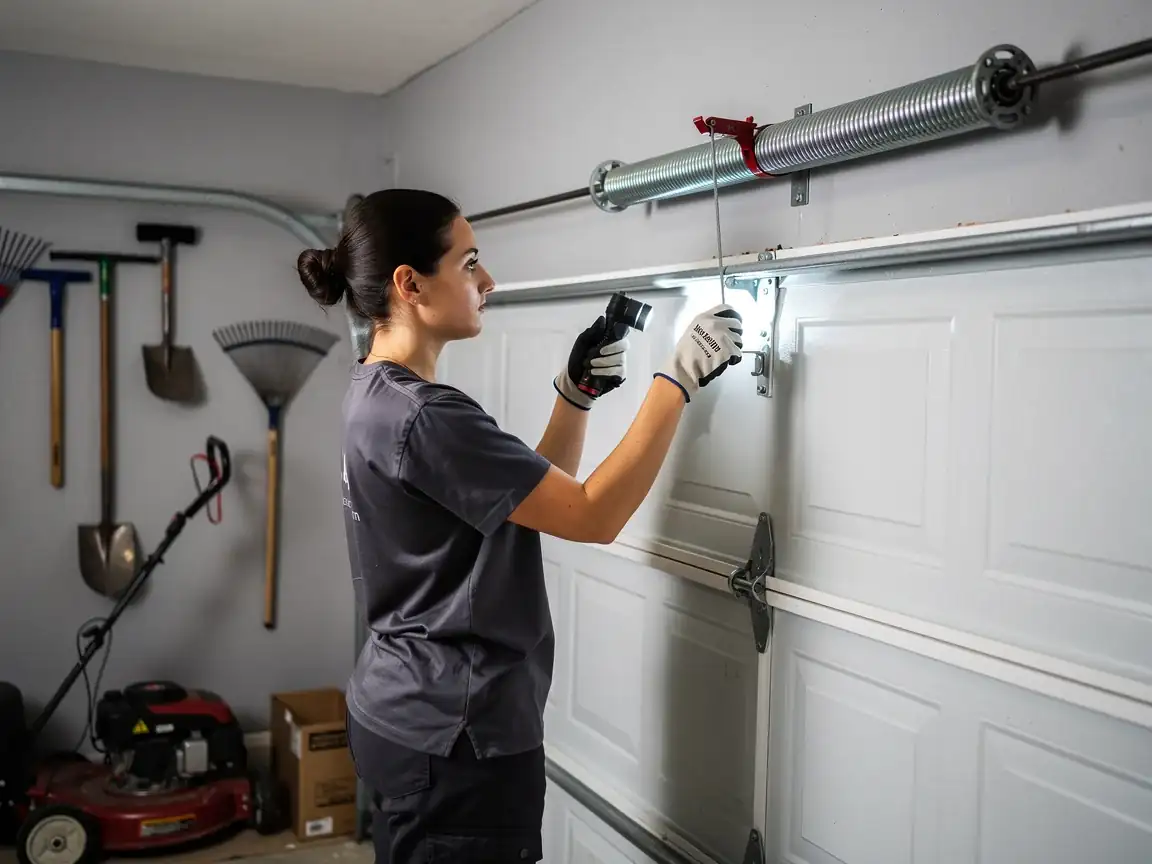
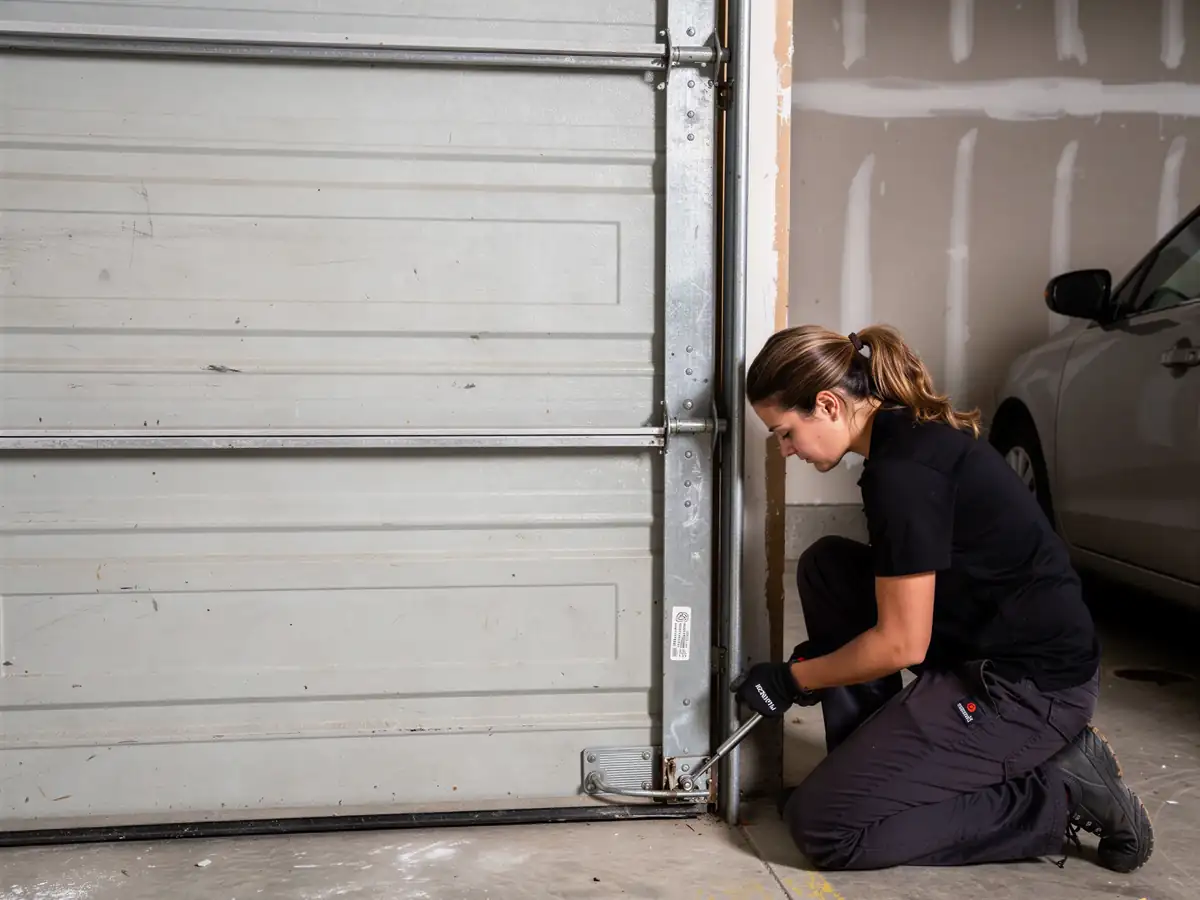
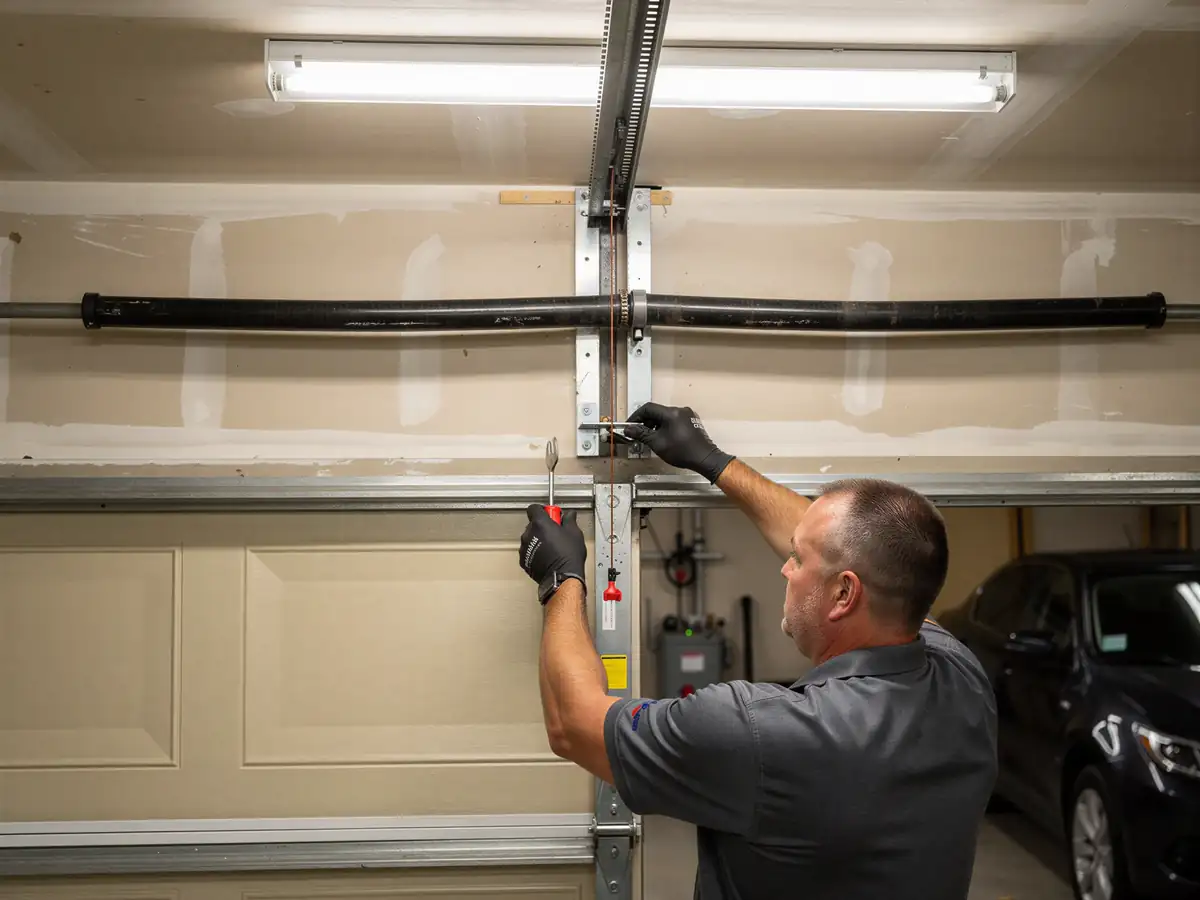
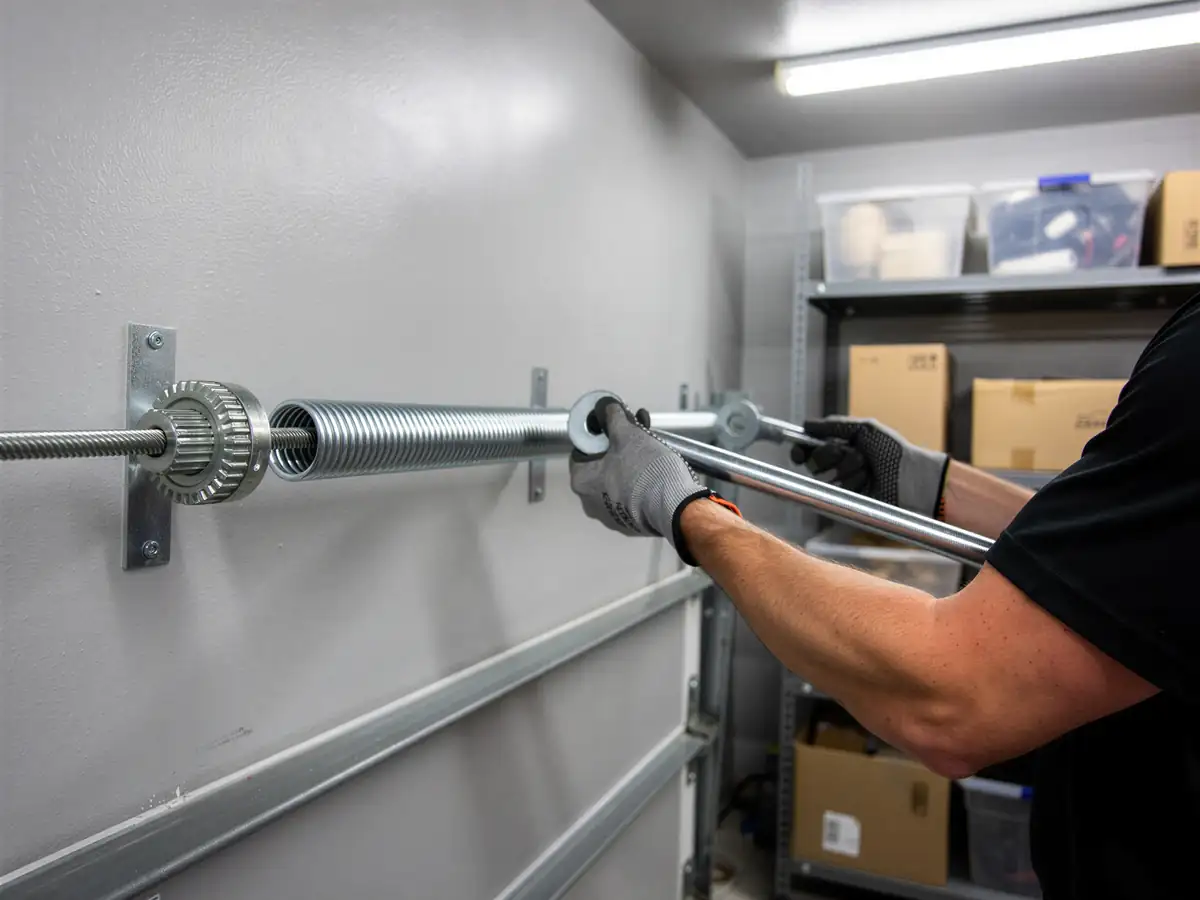
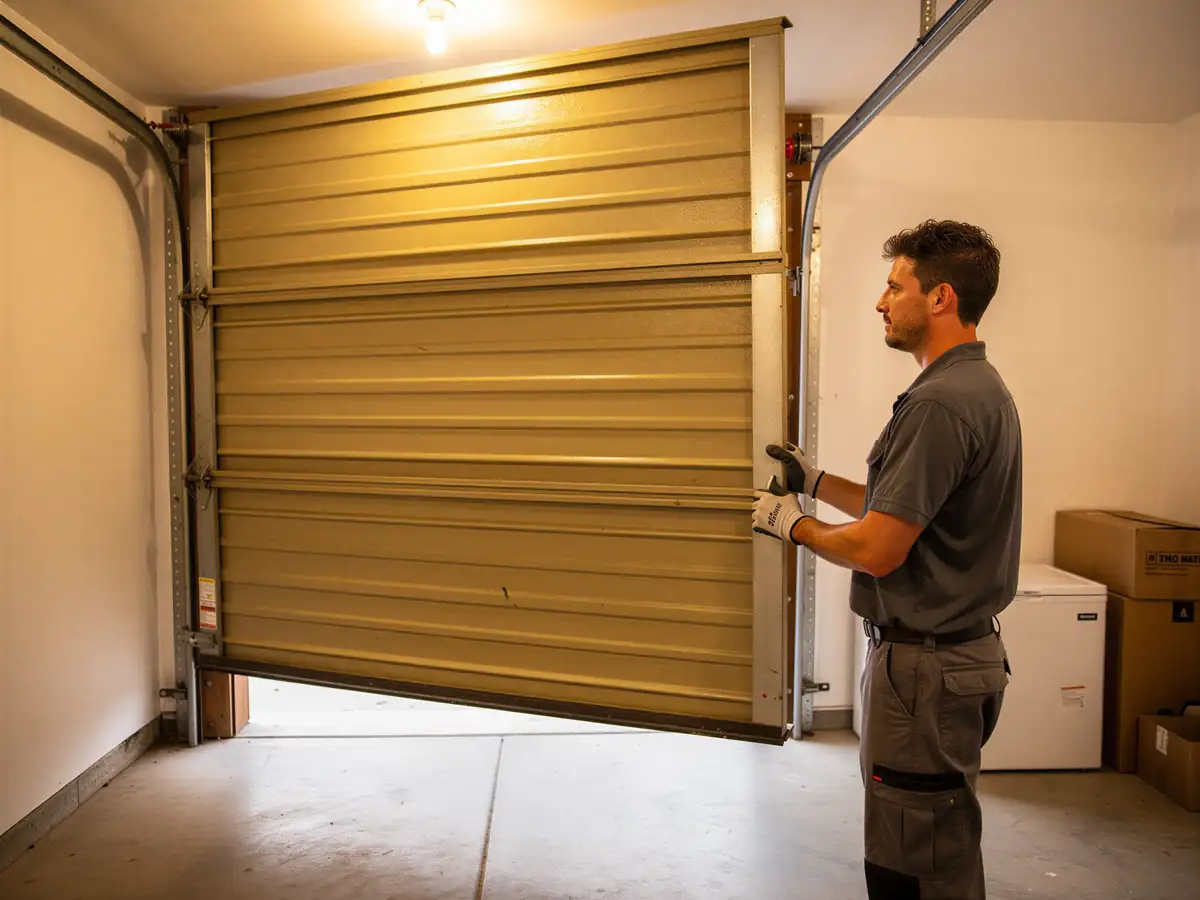
The fault we run into most in McGregor is a torsion spring that's done its cycle count and is one cold morning away from snapping over someone's head
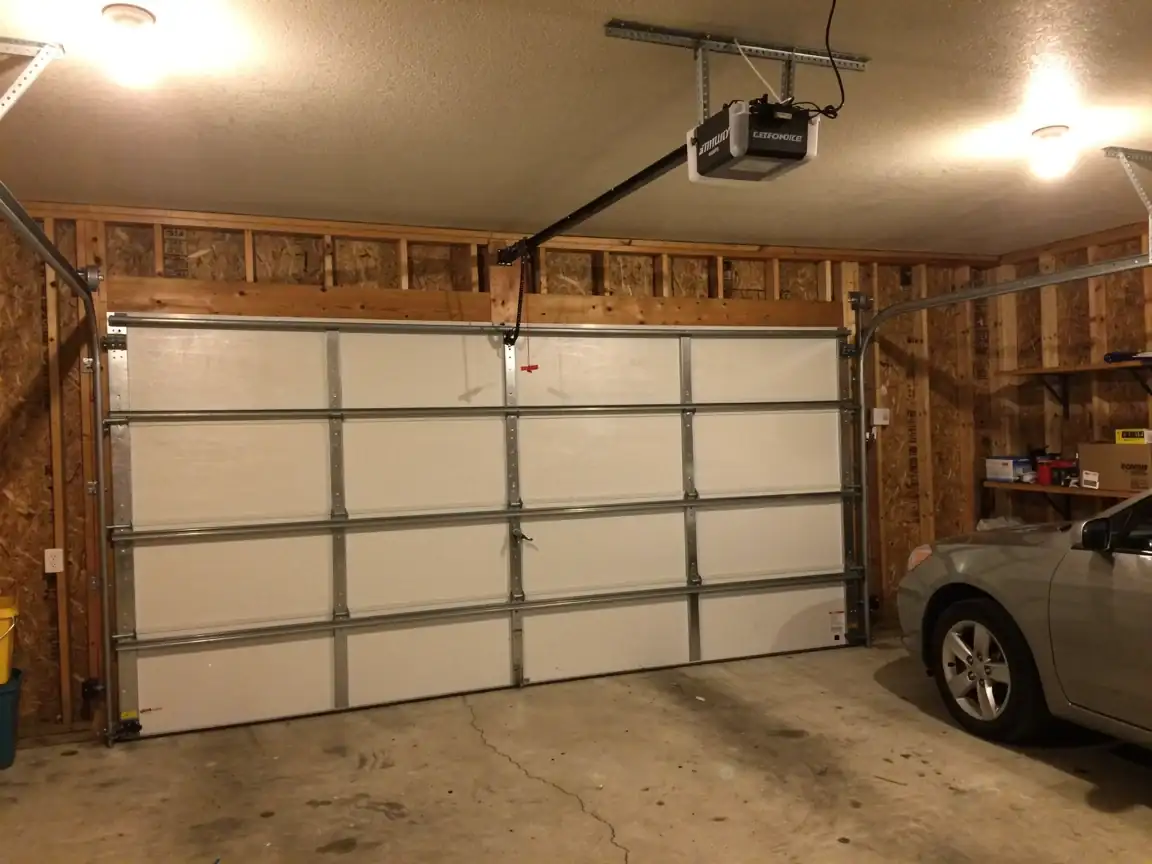
Housing data for this part of the service area shows most building happened between 1970 and 2006, median year 1986 - but McGregor's own stock sits a bit earlier, around 1984. That means a lot of these doors have been making two trips a day for close to forty years, past what the hardware on them was rated for. We pull the old spring, read the wire gauge and wind direction off the drum, and size the replacement to the actual weight of the door instead of guessing off a shelf chart.
This area sits in a mild temperate band
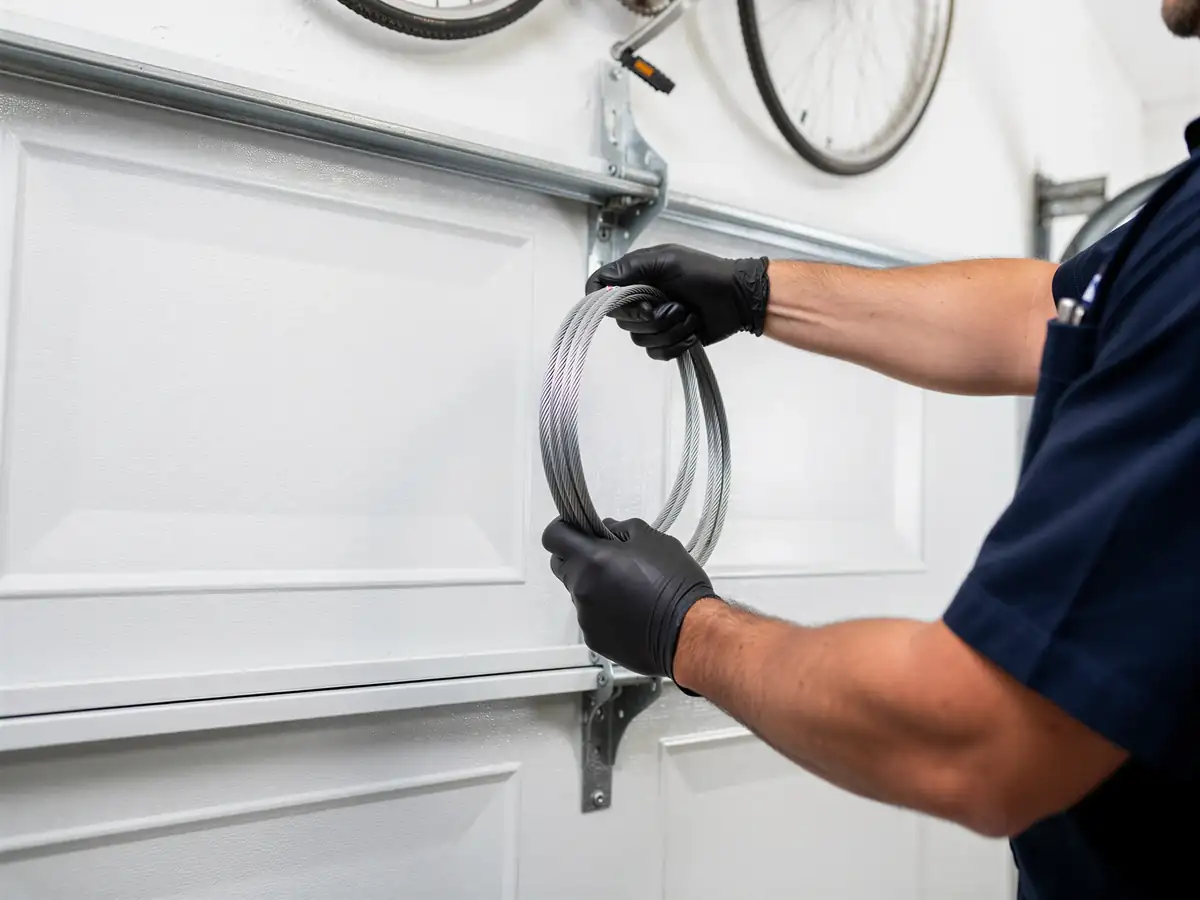
So we're not fighting ice-locked tracks the way a shop further north would be. What we find instead is slower damage: galvanized cable frayed strand by strand after thirty-odd years of humidity, rollers gone oval and loud, center hinges worn enough that the door leans. None of it fails all at once. It fails the week you need the door most.
What Is on the Truck
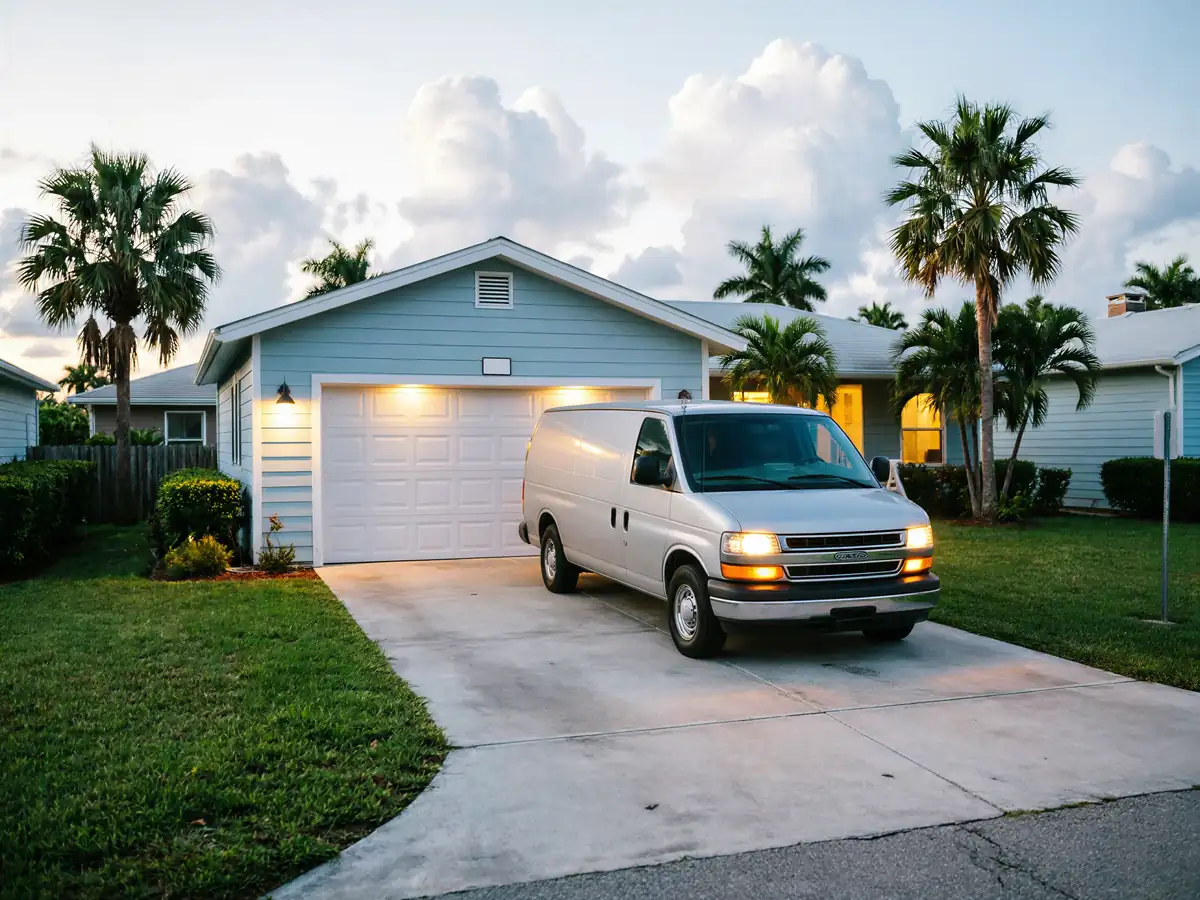
Every call out here starts with a 12-mile drive from Estero, so the truck is loaded for what actually breaks on a door built in the 1980s, not for every door on the market. That means torsion springs in the wire sizes that match the lighter steel sections common on McGregor's original doors, standard-lift cable in two drum sizes, and both nylon and steel rollers - plenty of these doors were upgraded to nylon at some point, and the bearing size doesn't always match what came stock.
We also stock the opener parts that fail first on units from that era: drive gears, safety sensor brackets, and receivers for the chain and belt-drive openers that were common when these houses went up. What we don't carry is custom-width panel sections. If a door's taken a hit and the panel's bent past reshaping, that part gets special-ordered from the manufacturer, and that stretch of the job runs on their lead time, not ours. For anything beyond routine maintenance, our McGregor service page covers the repair side.
How to Book
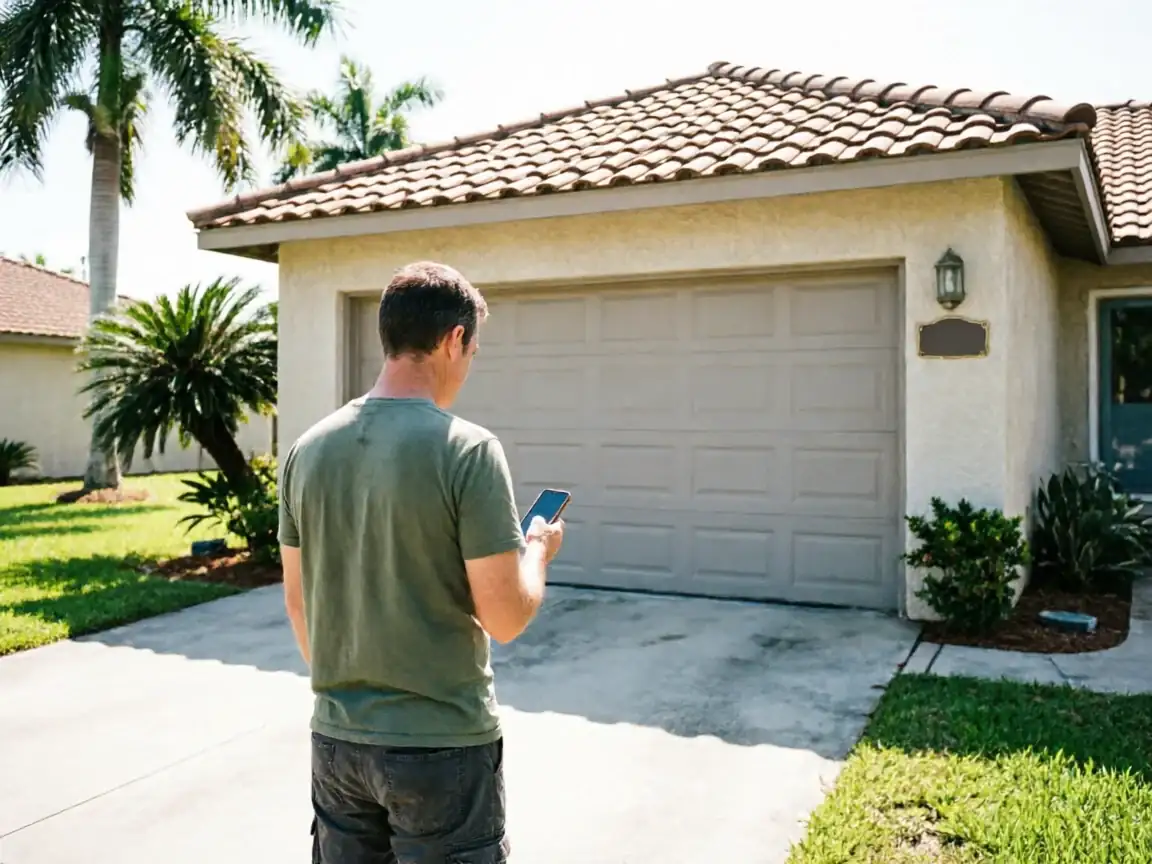
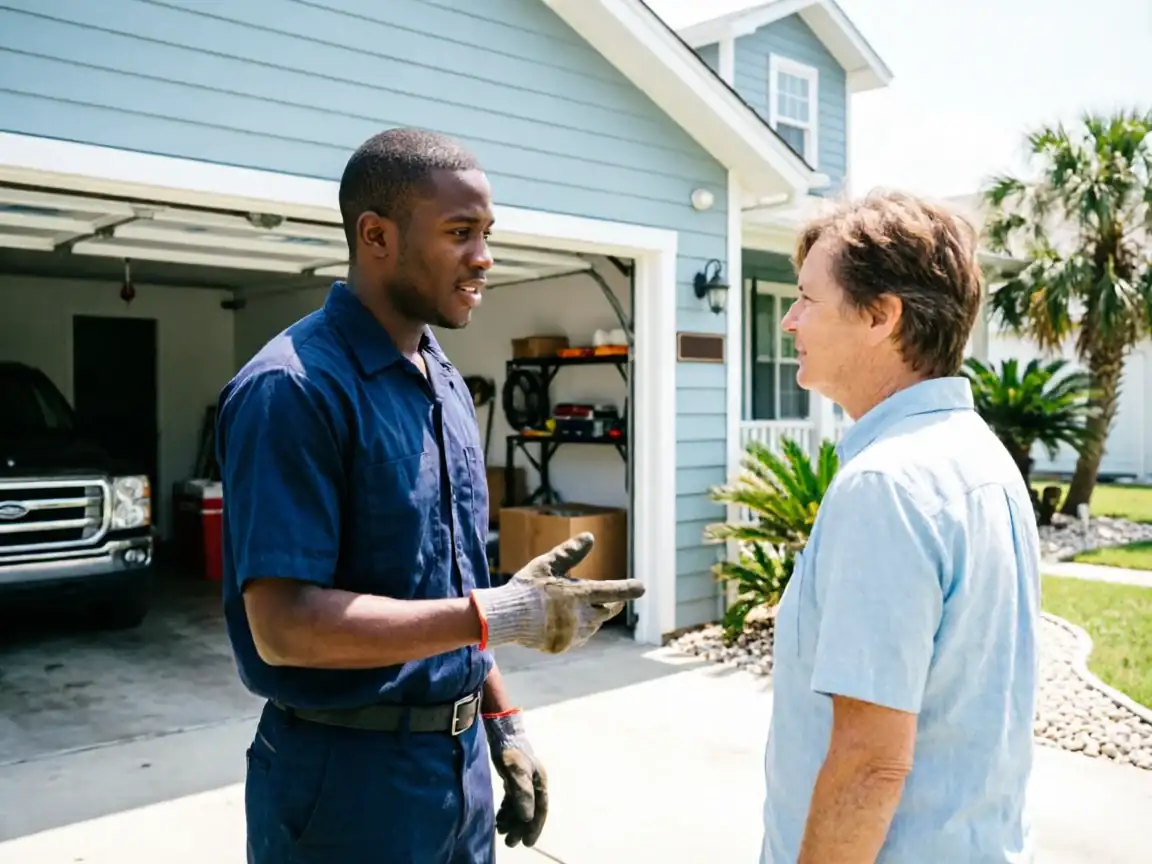
There's no branch sitting in McGregor - the truck comes from Estero, about 12 miles out, so we book the visit before we're on the road rather than running a walk-in schedule. Tell us the symptom when you call: a spring that let go, an opener that hums without lifting, a track bent at the bottom. That tells us which parts to load before we ever leave Estero, instead of diagnosing cold once we're in your driveway.
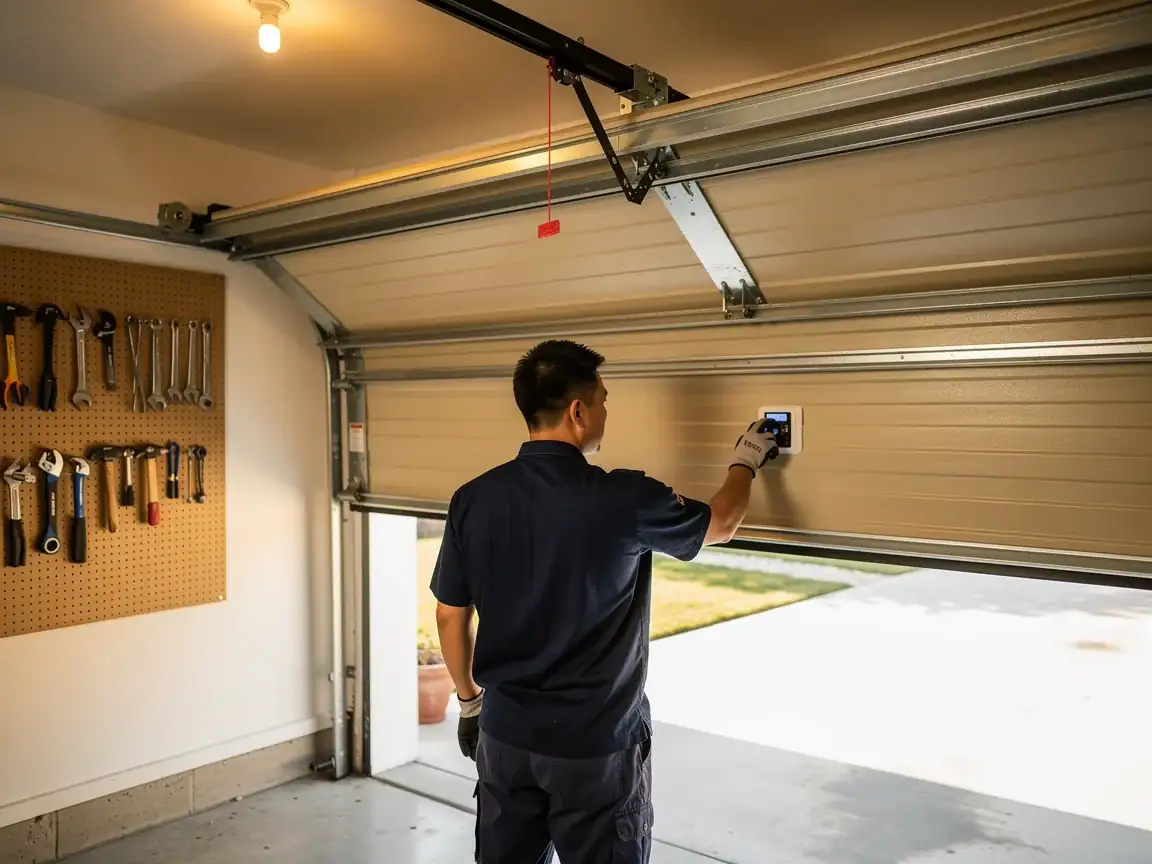
Maintenance visits are easiest to plan around because nothing's broken yet - you're catching the spring, the cable, or the rollers before they fail, not after. If you're not sure whether what you're hearing is a maintenance item or a repair, describe the noise and we'll tell you which this is before anyone drives out. For the full rundown of what this company handles across the wider area, the Estero maintenance page covers that ground; this page is just about the McGregor side of it.
How It Shows Up
On a door built around 1984, wear shows up as sound before it shows up as a failure
A spring losing tension makes the opener strain and groan on the way up. A cable fraying makes the door hang crooked by a quarter inch on one side before anyone notices. Rollers going bad turn a quiet door into one you can hear from the street.
McGregor's roughly 3,964 households are a small slice of the 71,428 across the whole service area
Which is part of why a scheduled visit beats waiting for a call - we're not driving past your door daily the way a branch in town would be. Catching the noise early, before the spring lets go entirely or the cable snaps under load, is the difference between a maintenance visit and an emergency one. If the door's already stuck shut or won't move at all, that's past maintenance - that's a repair call.
- 3,964 households
What You Pay
We're not going to put a number here that doesn't hold up by the time we're standing in your garage - spring size, cable length, and how much rust or wear is already on the hardware all move the final cost. What we can say is that McGregor's median household income, $88,578, runs a bit under the wider service area's $92,575, and maintenance is the cheaper side of this business compared to the alternative. A spring replaced on schedule costs a fraction of what a torsion spring failure that also bends the track and burns out the opener motor costs.
The honest trade-off: if a door is already past the point where rollers, cable, and spring all need attention at once, a straight repair bill starts closing in on what a new door costs, and we'll tell you that rather than nickel-and-diming parts onto an old frame. That's not a maintenance call anymore - that's a replacement conversation, and it's a different page.
Where This Job Goes Sideways
The job goes sideways when a door that's been ignored for years gets treated like a tune-up. A spring sized for a lighter door that's had a panel replaced with a heavier one, a track that's been bent and bent back so many times it's lost its true line - maintenance can clean up noise and catch the next failure, but it can't undo twenty years of mismatched parts stacked onto a 1984-era frame.
The mild climate here works in your favor most of the year, but it also means corrosion and wear happen quietly - rust creeping on a track bracket nobody looks at, cable strands going one at a time inside the loop where you can't see them. That's the limitation worth saying out loud: a maintenance visit catches what's visible and testable that day. It doesn't catch a spring that's going to go in another six months. We'll tell you if we see it coming, but we're not going to replace parts that are still sound just to pad the visit.