What Causes It Around Here
Most of the housing stock in this service area went up between 1970 and 2006
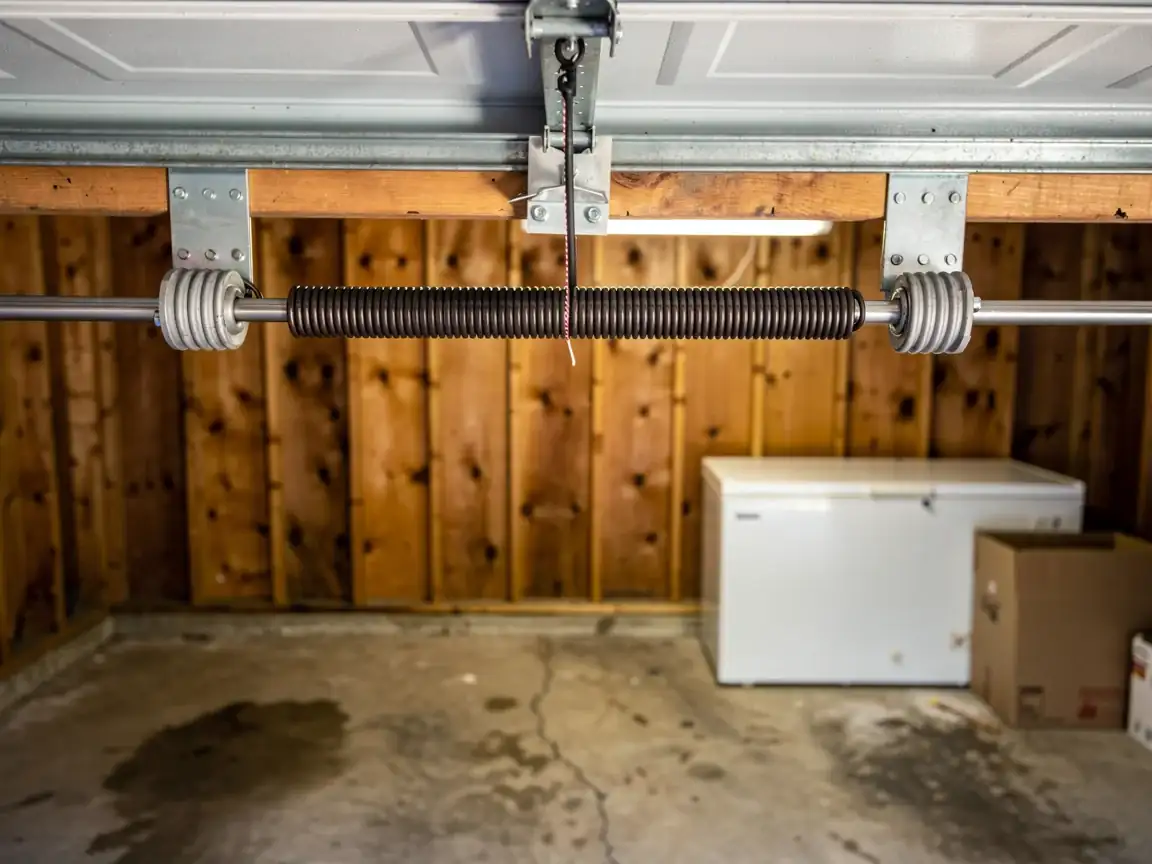
With the median build year landing around 1986. That matters for springs because a huge share of those garages still run the original torsion hardware the builder put in, or a replacement from decades back that was sized for the door weight of its era, not today's heavier insulated panels. A spring rated for 10,000 cycles back then has usually already blown past that count.
The mild temperate climate here doesn't put the kind of thermal stress on steel that you'd see further north
So you won't hear us blame freeze-thaw cracking. What does wear a spring out in this band is humidity and salt air working on the coil finish over years, plus straight mechanical fatigue from sheer use - lots of these doors open and close multiple times a day, every day, for twenty, thirty, forty years. Add in a door that's slightly out of balance because a roller or cable has drifted, and the spring is doing more work than it should on every single cycle. That's the pattern we see across the 1980s and 90s stock that makes up most of this area: not a dramatic failure, just a slow countdown that ends with a loud bang in the driveway.
What You Pay
We don't post a flat number here because the job isn't flat. A single torsion spring on a standard door is a different job from a two-spring setup on a heavier double door, and if the drums, bearing plate, or cable have also worn out, that changes the ticket too. What we can tell you is the factors that move the price: spring type and size, whether it's one door or two, and how much of the rest of the hardware has aged out alongside the spring.
Household income across this area runs well above the national median, and we see that reflected in what people choose - more owners opt to replace both springs on a double door at once rather than fix one side and wait for the other to go, since a mismatched pair wears unevenly anyway. That's a judgment call we'll walk you through on-site, not something we push. If a repair genuinely isn't worth it - say the opener, track, and spring are all failing together on an older door - we'll say so instead of running up a bill on a door that's better off replaced.
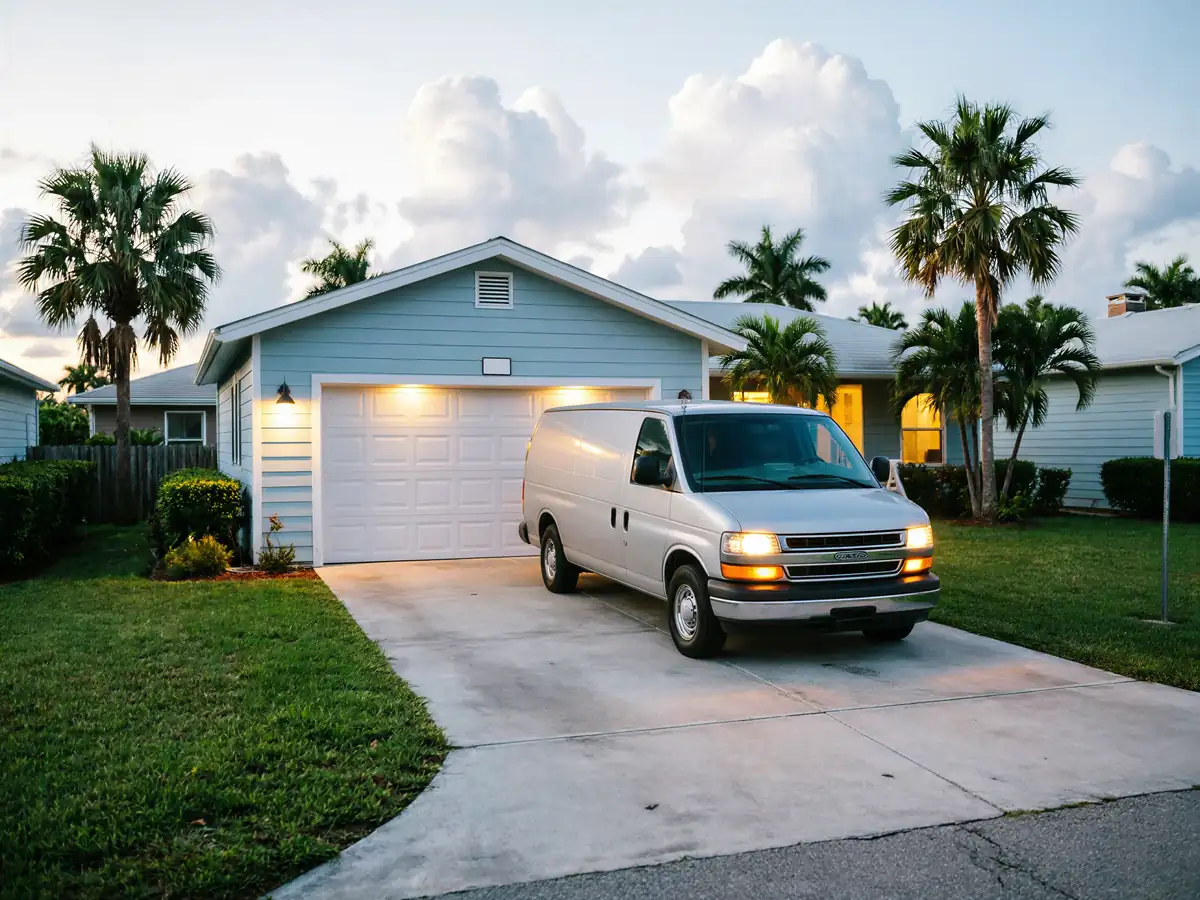
What Is on the Truck
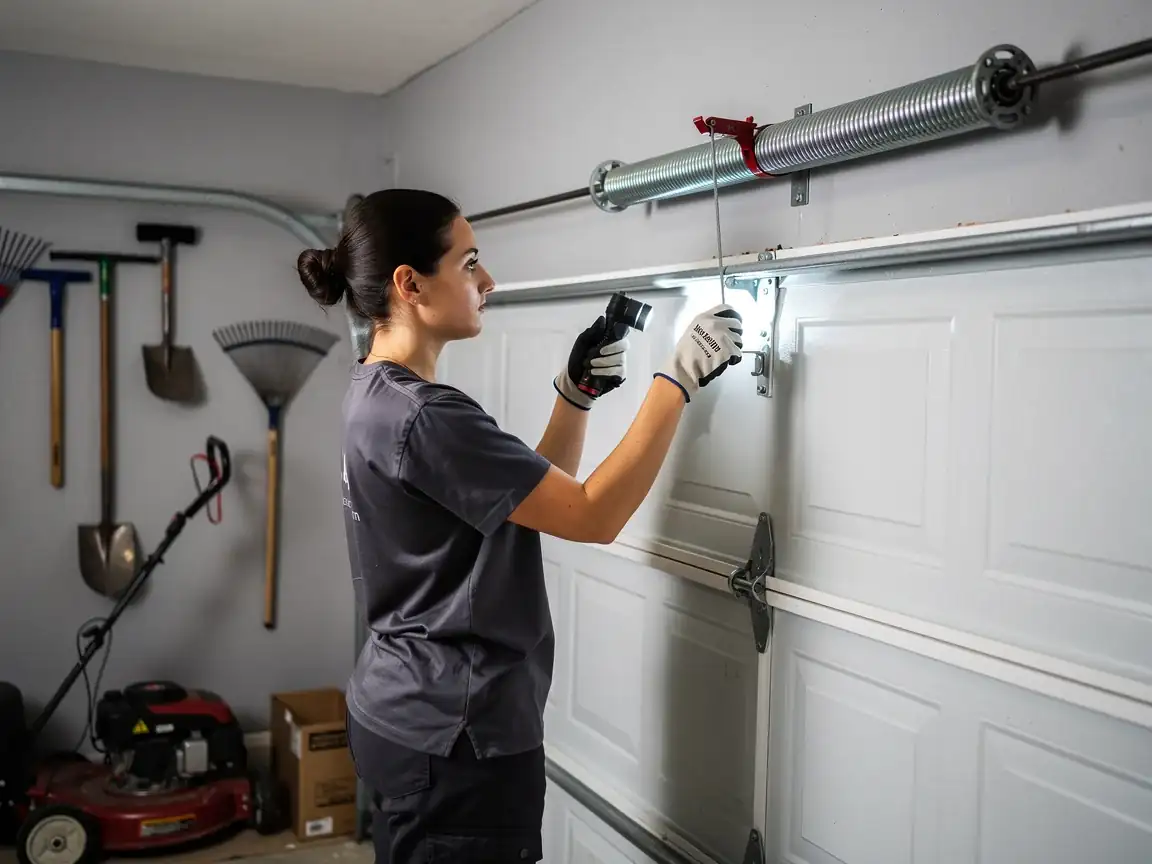
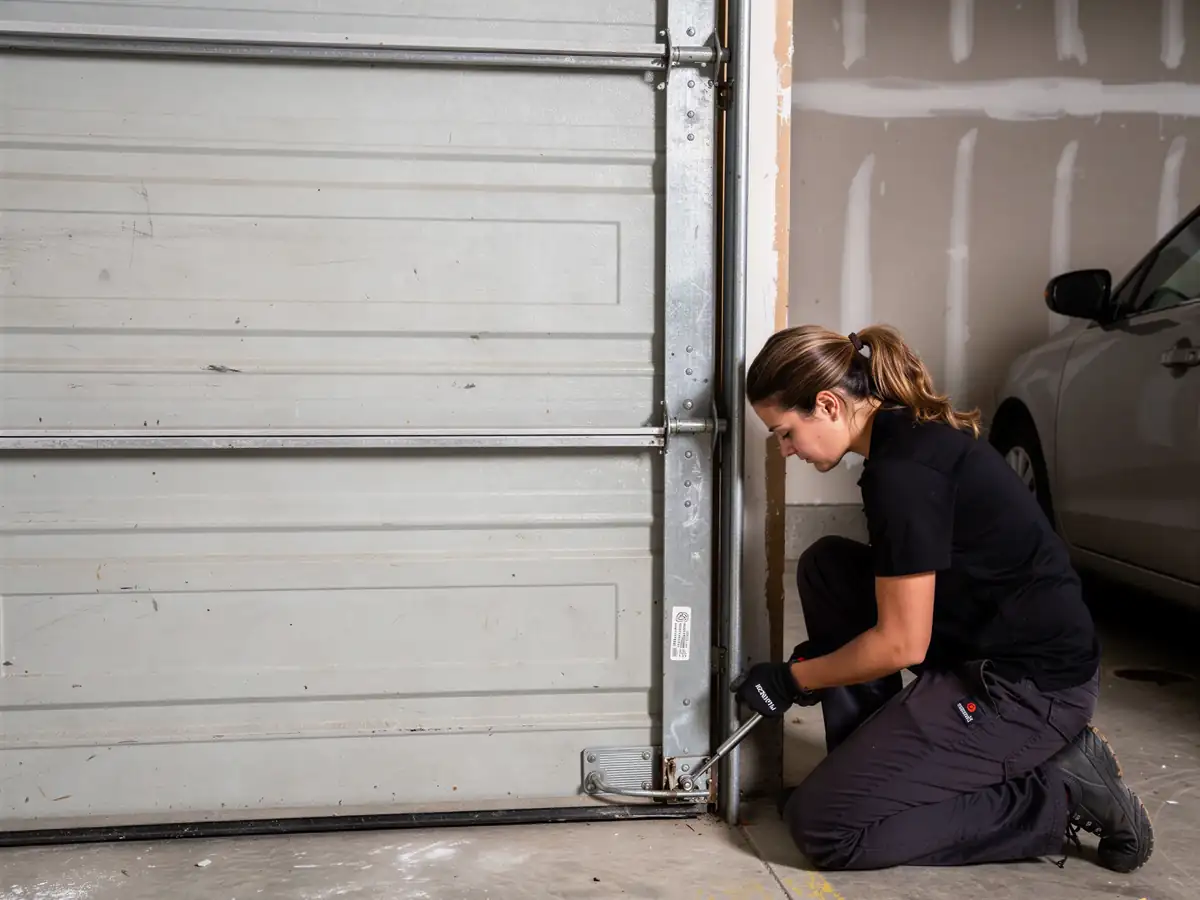
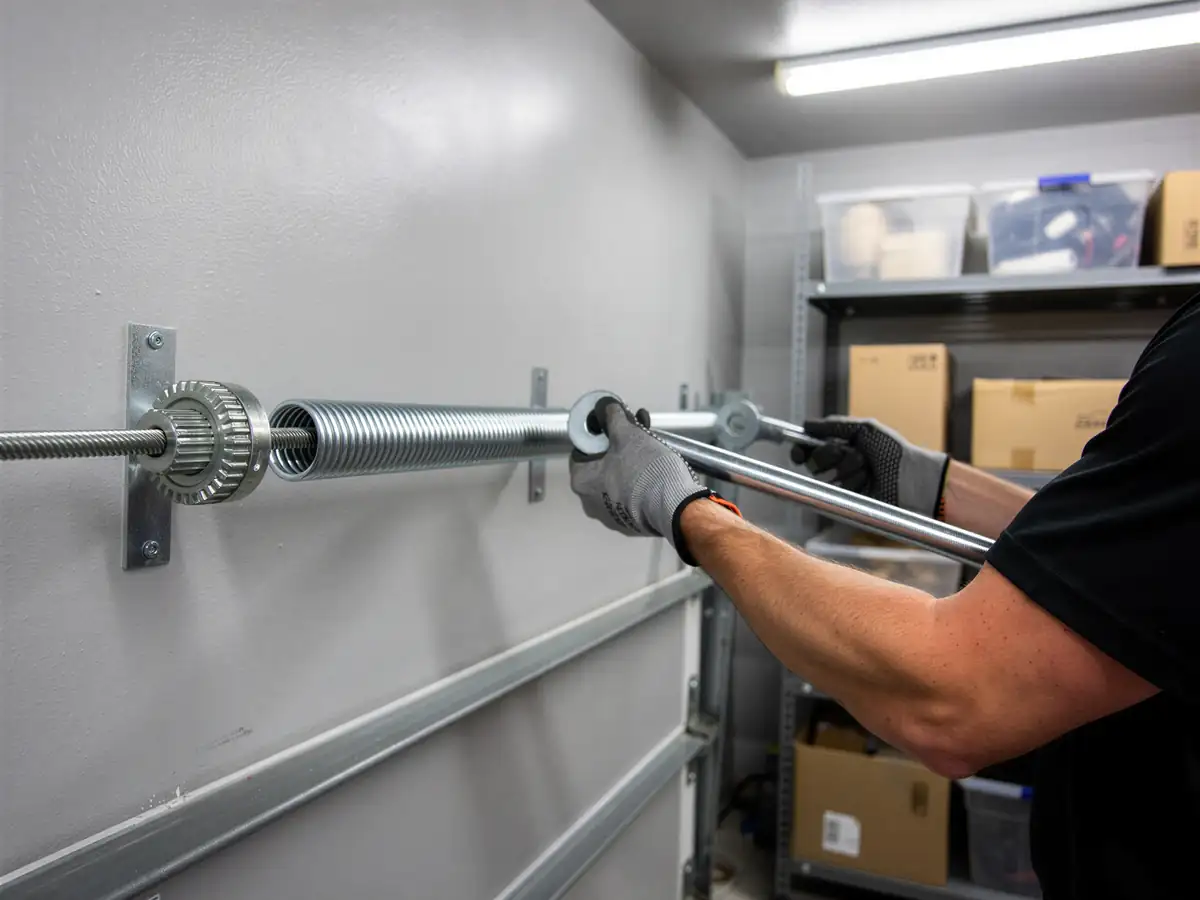
Torsion springs in the sizes that match the door ages common here, extension springs for the older setups that still use them, drums, cables, and the bearing plates that tend to go out around the same time as the spring itself. We carry winding bars and the safety clamps that keep a wound spring from becoming a problem mid-repair, because that's the one step in this job where shortcuts put someone in the hospital.
One honest limit: if your door needs a spring size or a drum we don't stock on the truck - which happens on some custom or imported doors - we may need to order the part rather than finish same-visit. That's rare with the standard torsion and extension setups that cover most of the houses in this area, but it does happen, and we'd rather tell you upfront than pretend otherwise.
How It Shows Up
Usually it's one of two ways
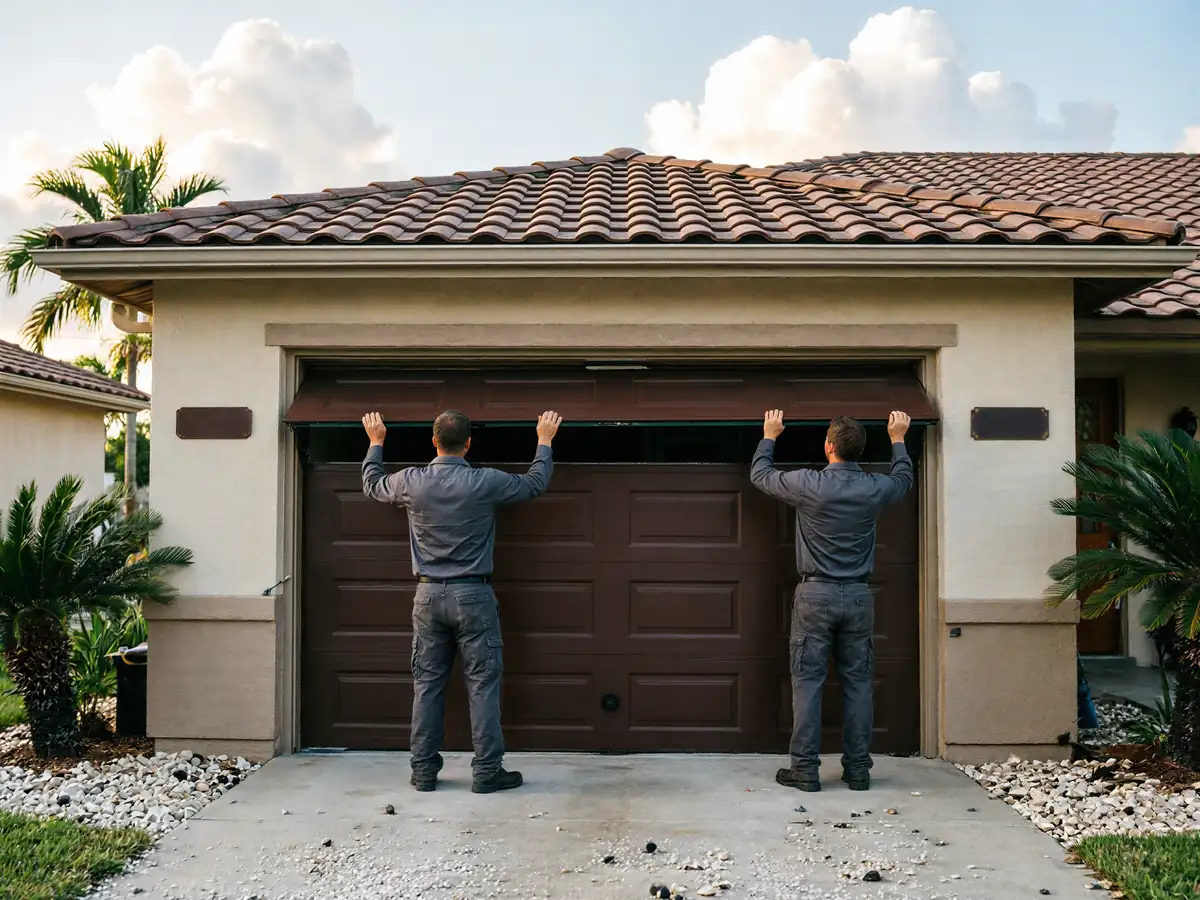
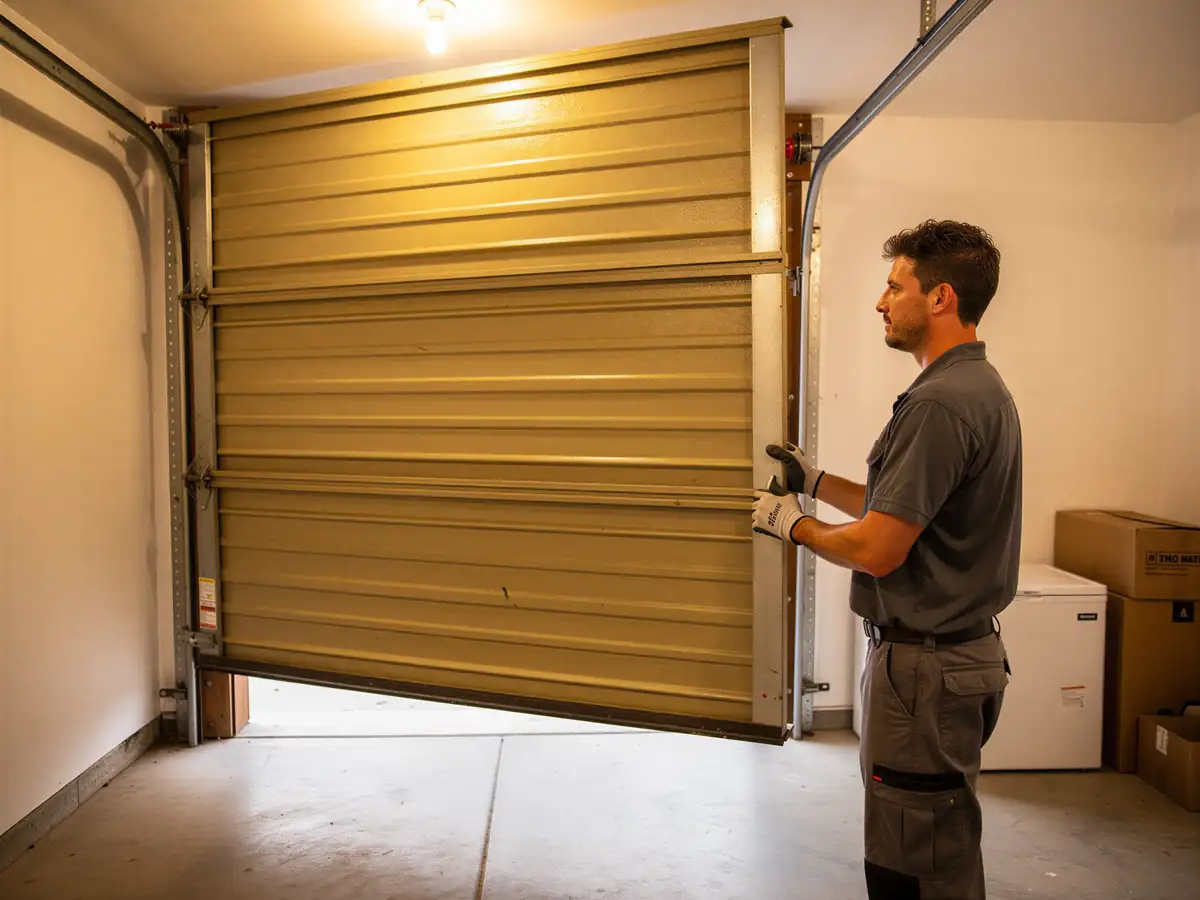
Either the door won't budge and the opener strains or clicks without lifting anything, or you hear a sharp bang from the garage - that's the spring letting go, often when nobody's even touching the door. Sometimes it's quieter: the door gets heavier to lift by hand week over week, a sign the spring is losing tension before it fully fails.
Across the roughly 36,333 owner-occupied houses and 71,428 households in this service area
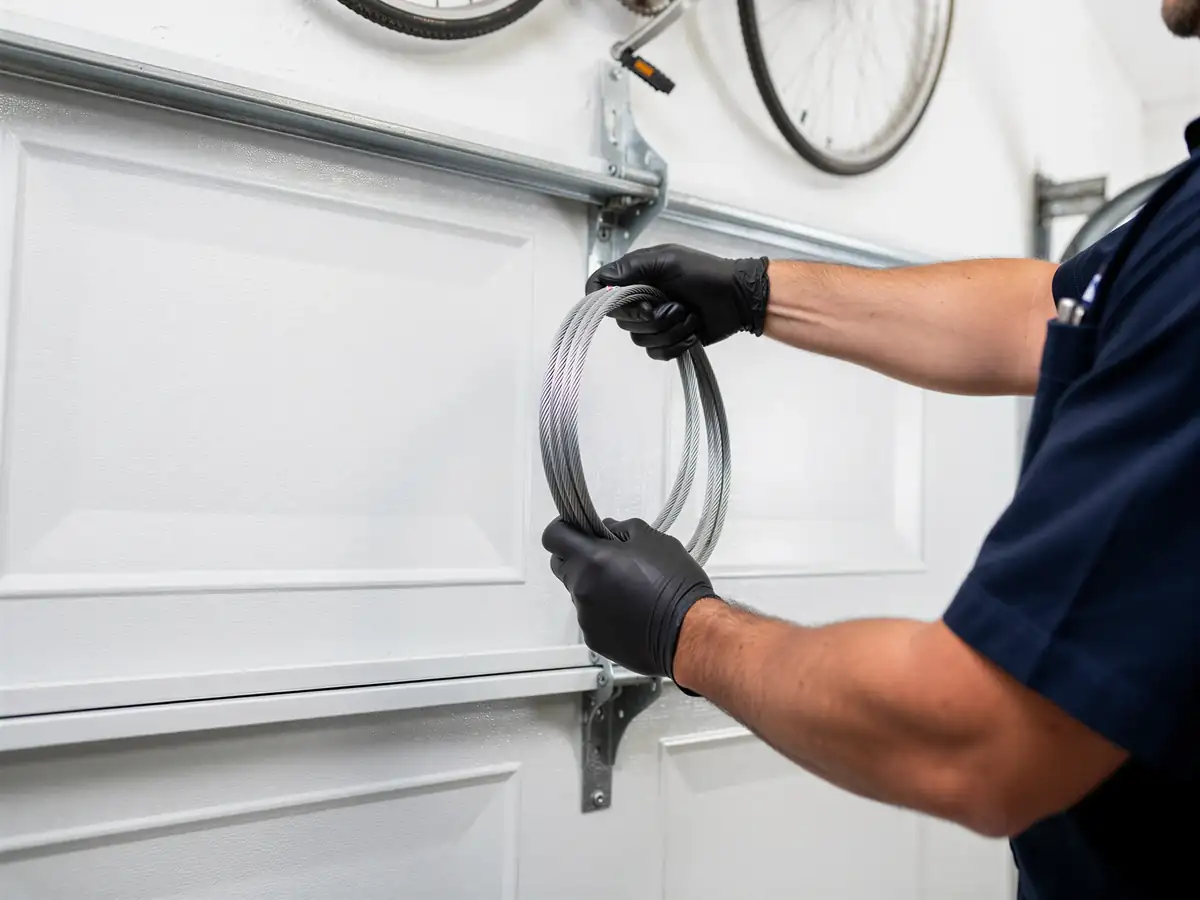
We see all three patterns regularly, which tells us it's less about any one neighborhood and more about age and use. If your door is sagging on one side when it opens, or the cable looks frayed near the bottom bracket, don't keep running it - that's usually the spring already gone and the cable doing a job it wasn't built for.
- 36,333 owner-occupied
- 71,428 households