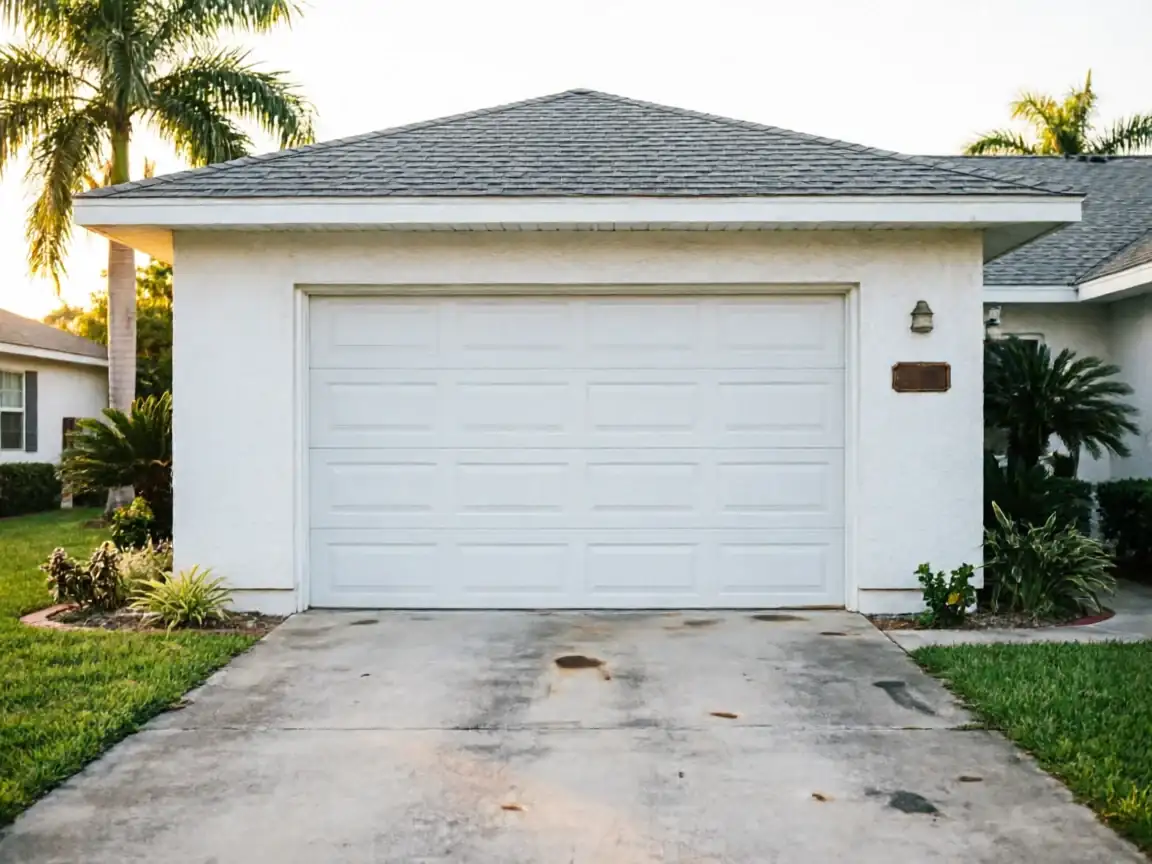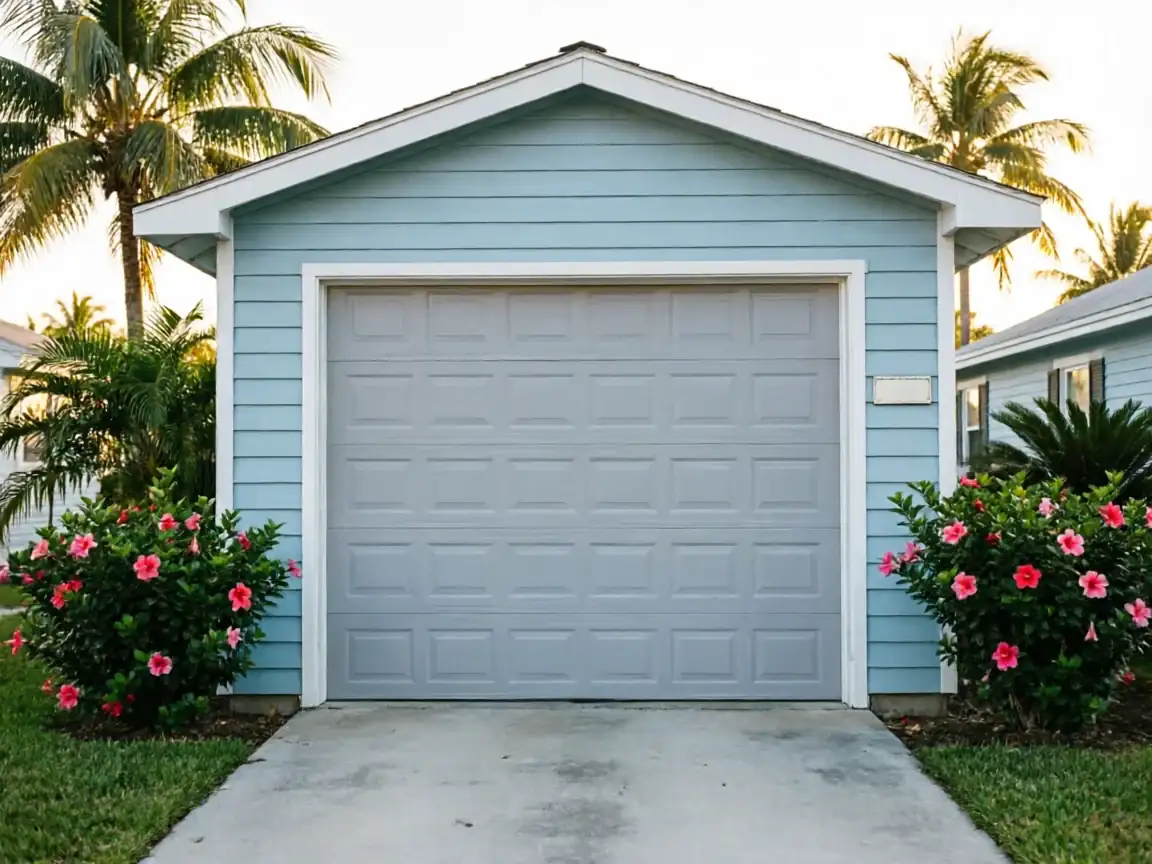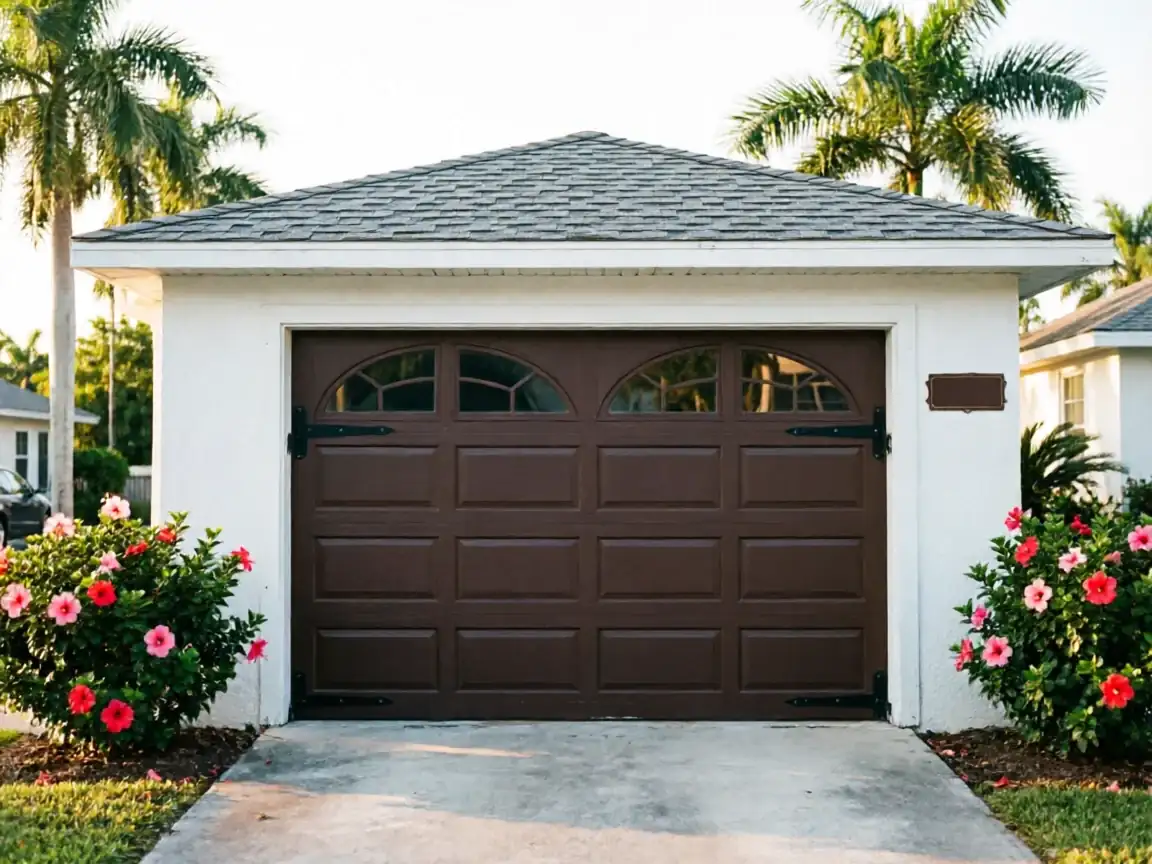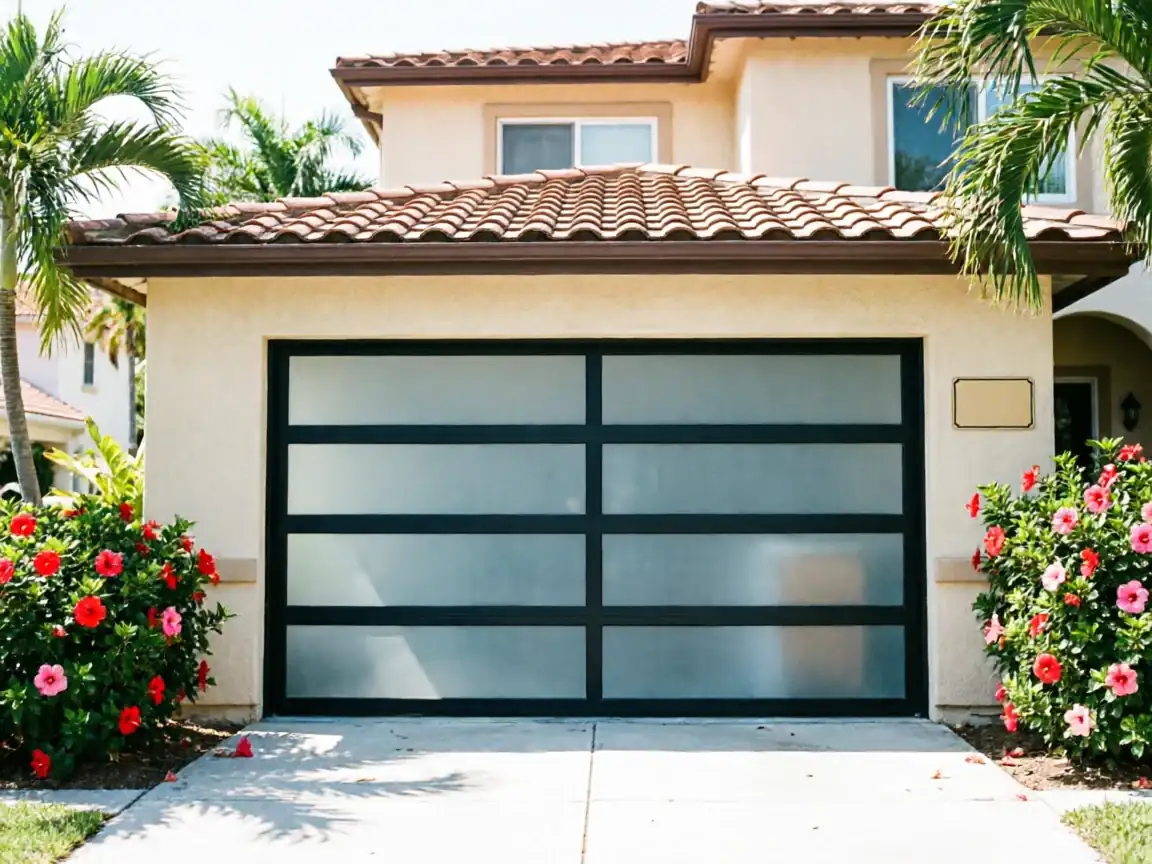
What Causes It Around Here
Most of the houses we get called to in Estero went up between 1970 and 2006
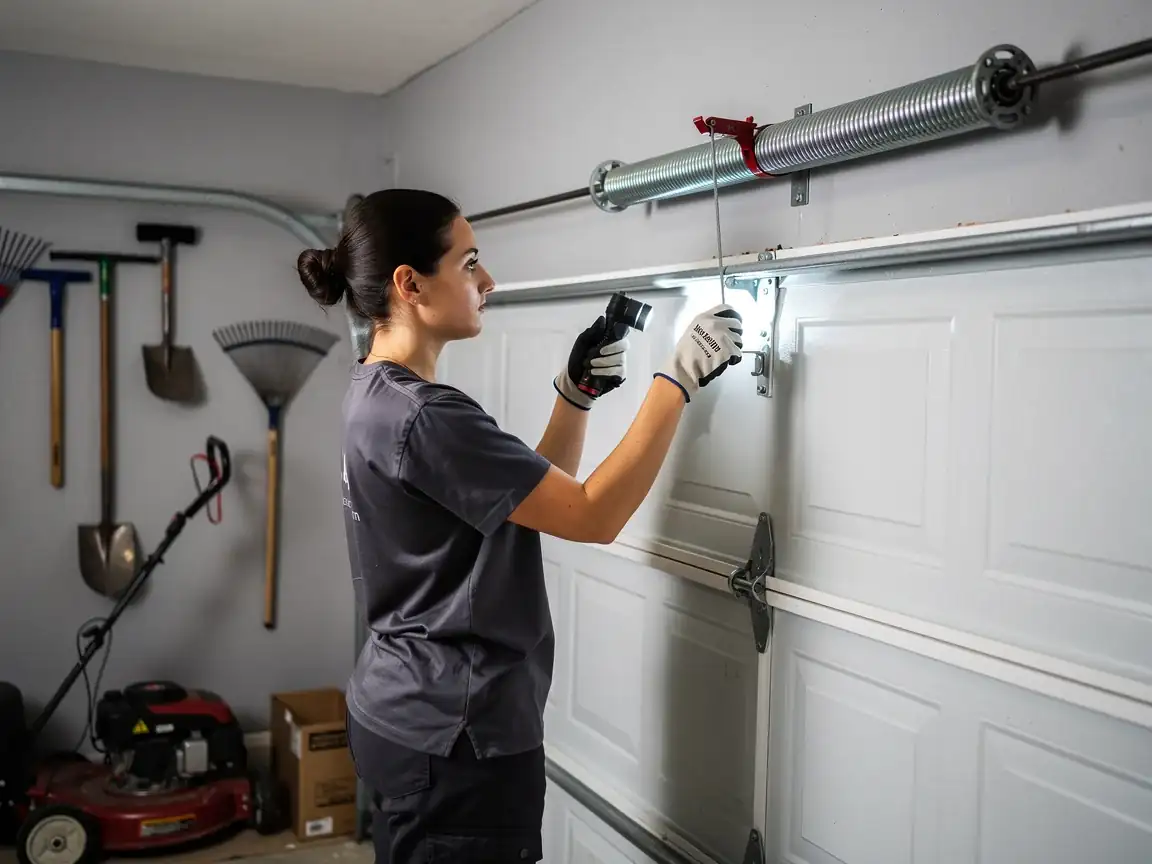
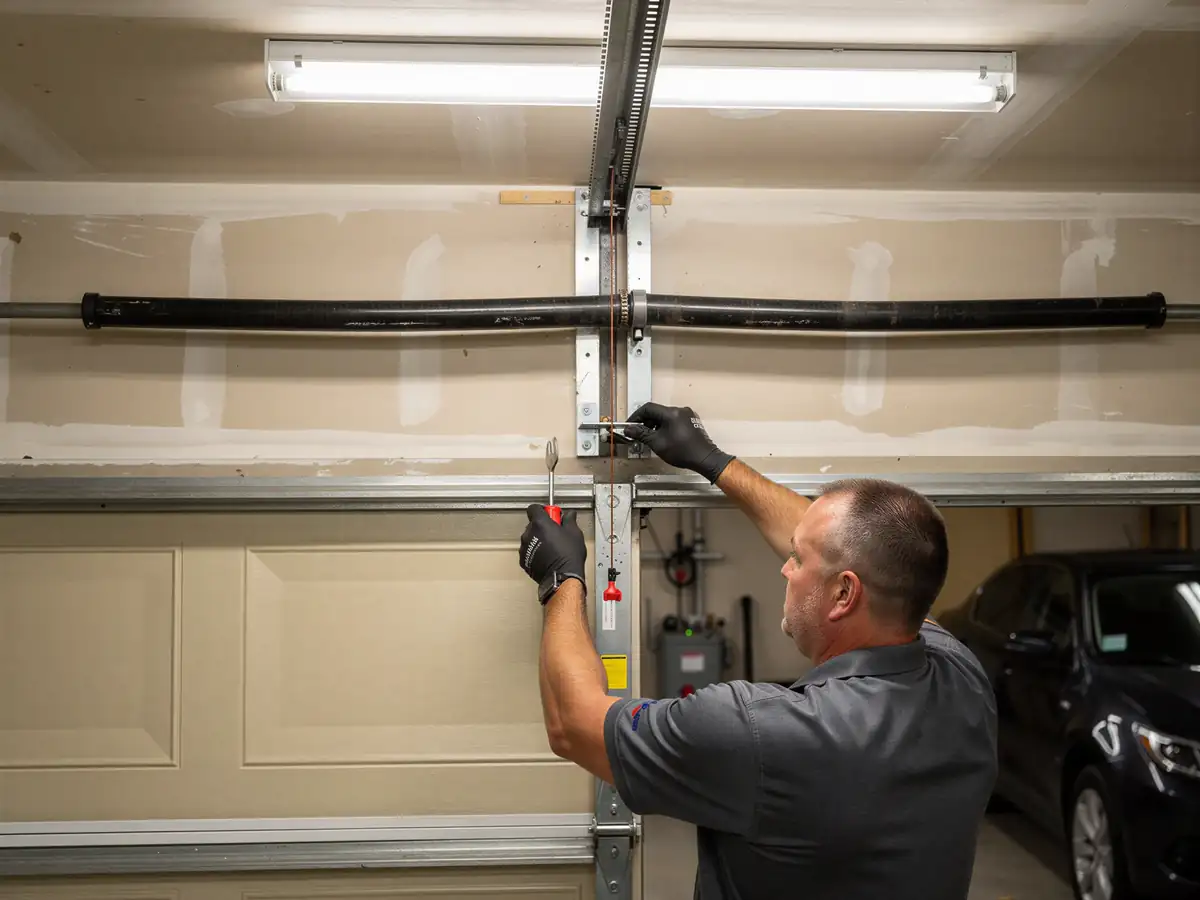
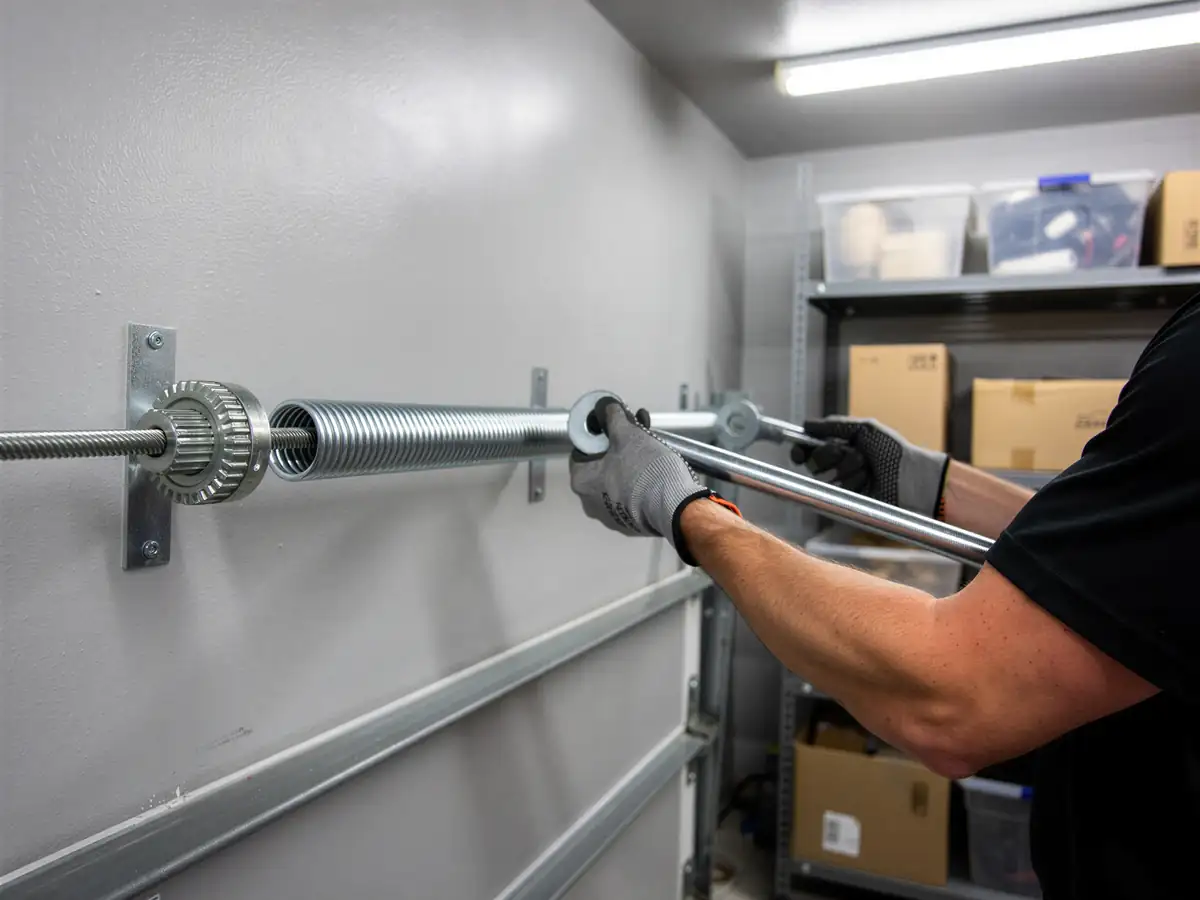
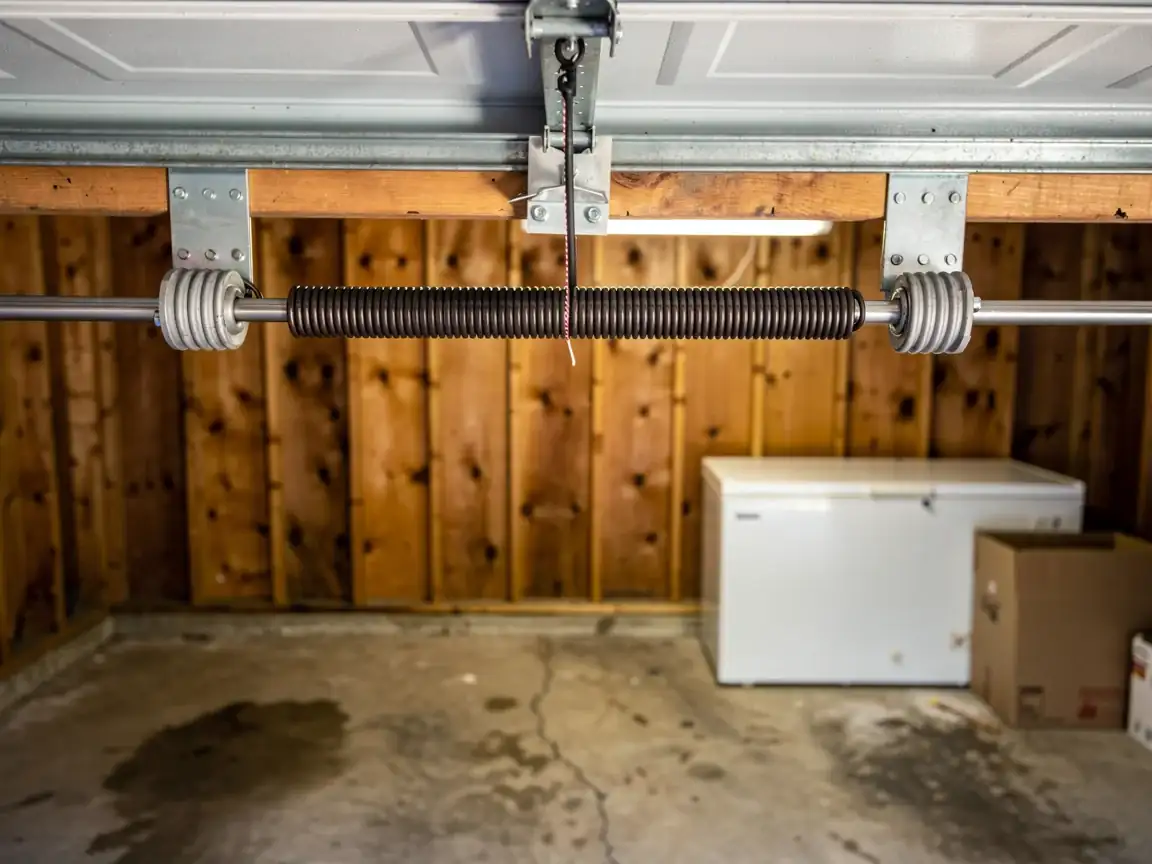
With the median build year landing around 1986. That matters more than people think. A torsion spring or opener installed when a house was framed in the mid-80s has been cycling for close to forty years now, and most of that hardware was never meant to last that long without a rebuild.
Estero sits in a mild temperate band
So we don't see the freeze-thaw cracking that wrecks doors up north. What we see instead is slower and sneakier: years of humidity working into bearing plates, hinge pins, and track brackets until the metal pits and the roller starts binding. Steel doesn't need a hard winter to fail here, it just needs time and moisture.
Across the mix of communities we run calls in
From Three Oaks and San Carlos Park a few miles out to Villas and Cypress Lake further in, the bulk of the stock is still that same 1980s and 90s construction. Same door gauge, same opener generation, same spring wind pattern. So when a cable frays or an opener gear strips, it's rarely a one-off. It's that build era catching up with itself, house after house on the same street.
What You Pay
We don't post a flat number here because what a job costs depends on what's actually wrong, and on a house built in the 1980s or 90s that's often more than one thing at once. A spring job on its own is one price. A spring job that turns up a cracked drum or a worn bottom bracket on the same visit is a different conversation, and we'll tell you that on site before any work starts, not after.
What we can tell you is what drives the number up or down: whether the door is a single or double, whether the opener is original to the house or already a replacement, and whether we're matching hardware that's still common or chasing down a part for an older torsion system that nobody stocks on the shelf anymore. That last one is the honest limitation worth naming - if your door is original to a 1986-era build, a same-day match isn't always possible, and we'd rather tell you that up front than promise a part we don't have in the truck.
What Is on the Truck
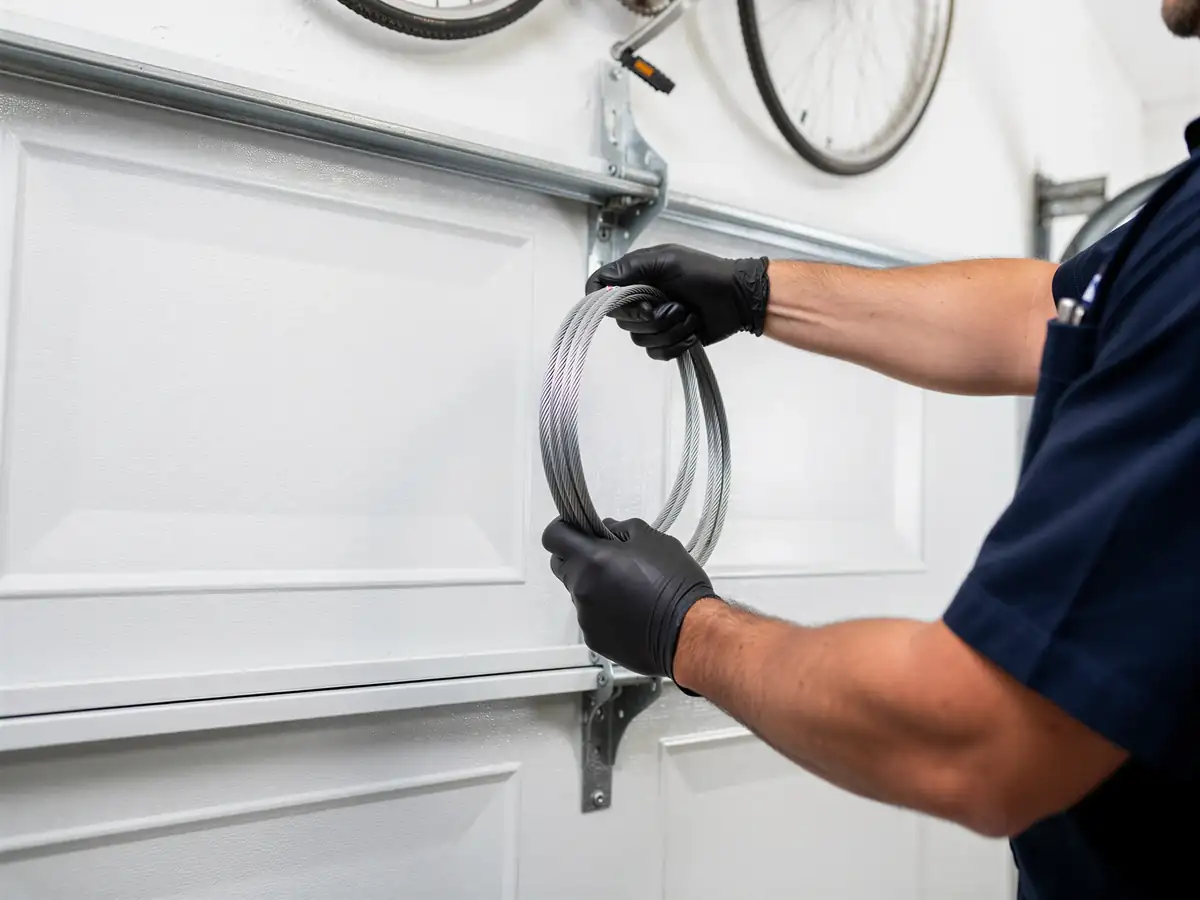
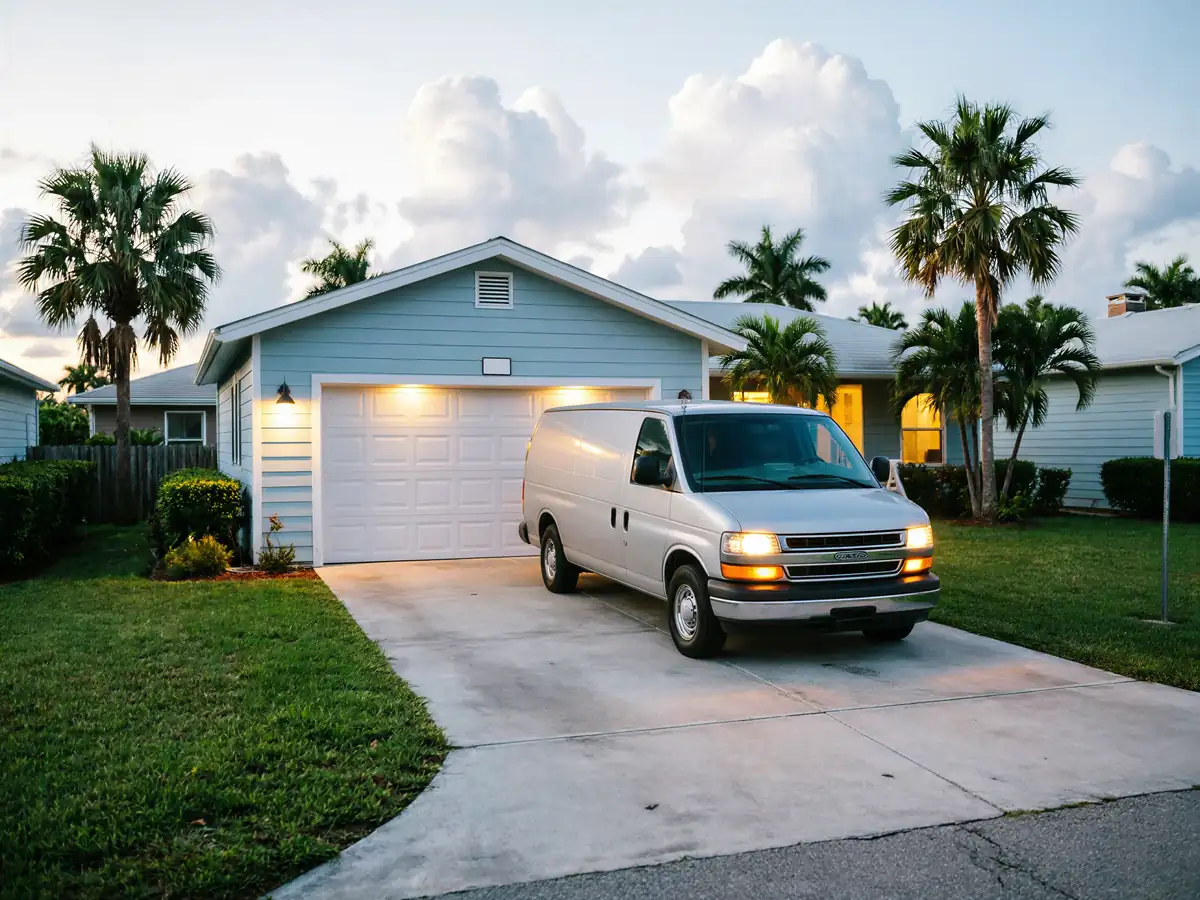
We carry what actually breaks on the doors we see most in this service area: torsion springs in the common residential sizes, galvanized cable, rollers, hinges, and bottom brackets, plus a stock of opener logic boards and drive gears for the belt and chain units that showed up in most of this area's garages during that 1970-2006 building run.
What we don't carry is every obsolete part ever made. Some original hardware from the earliest end of that build window - side-mounted torsion setups from houses closer to 1970 than 1986 - just isn't manufactured anymore. When we hit one of those, we'll say so plainly and talk through whether a rebuild with available parts makes more sense than hunting for an exact match. Honesty on that point saves everyone a second truck roll.
We also carry basic track and section hardware for dents and minor panel damage, since that's a common call after a car clips the door or a storm pushes debris against it. What we won't do on the truck is a full panel repaint - that's a body shop job, not ours, and we'll tell you that instead of taking the work and doing it badly.
How It Shows Up
The calls follow a pattern once you've done enough of them in this area
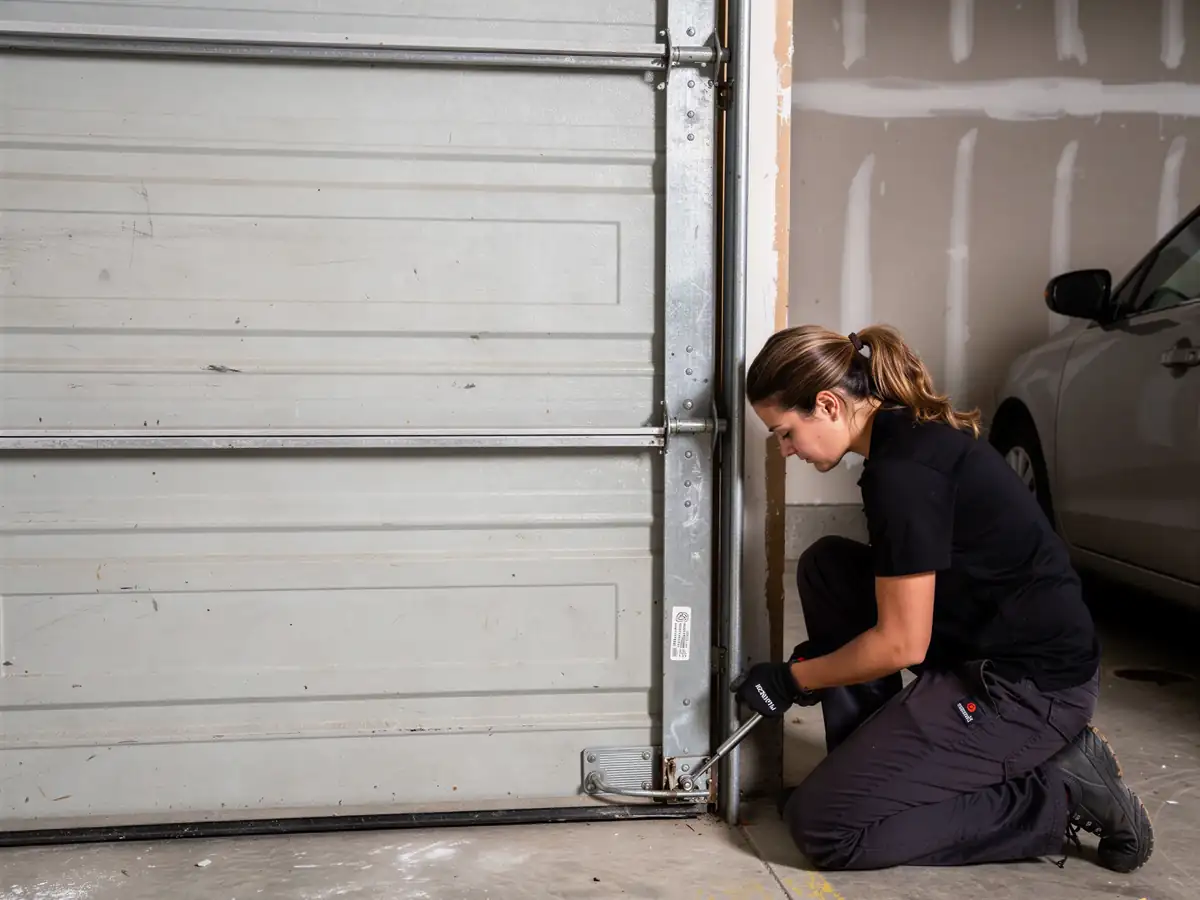
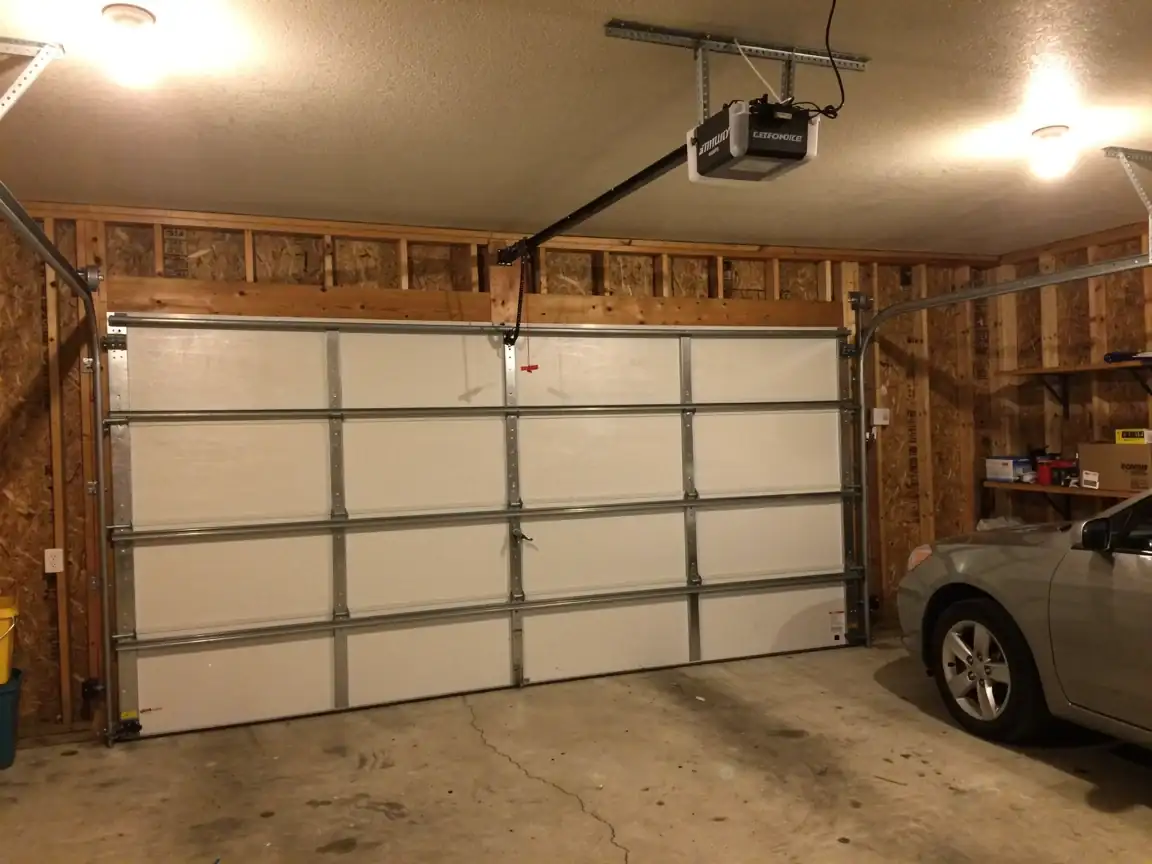
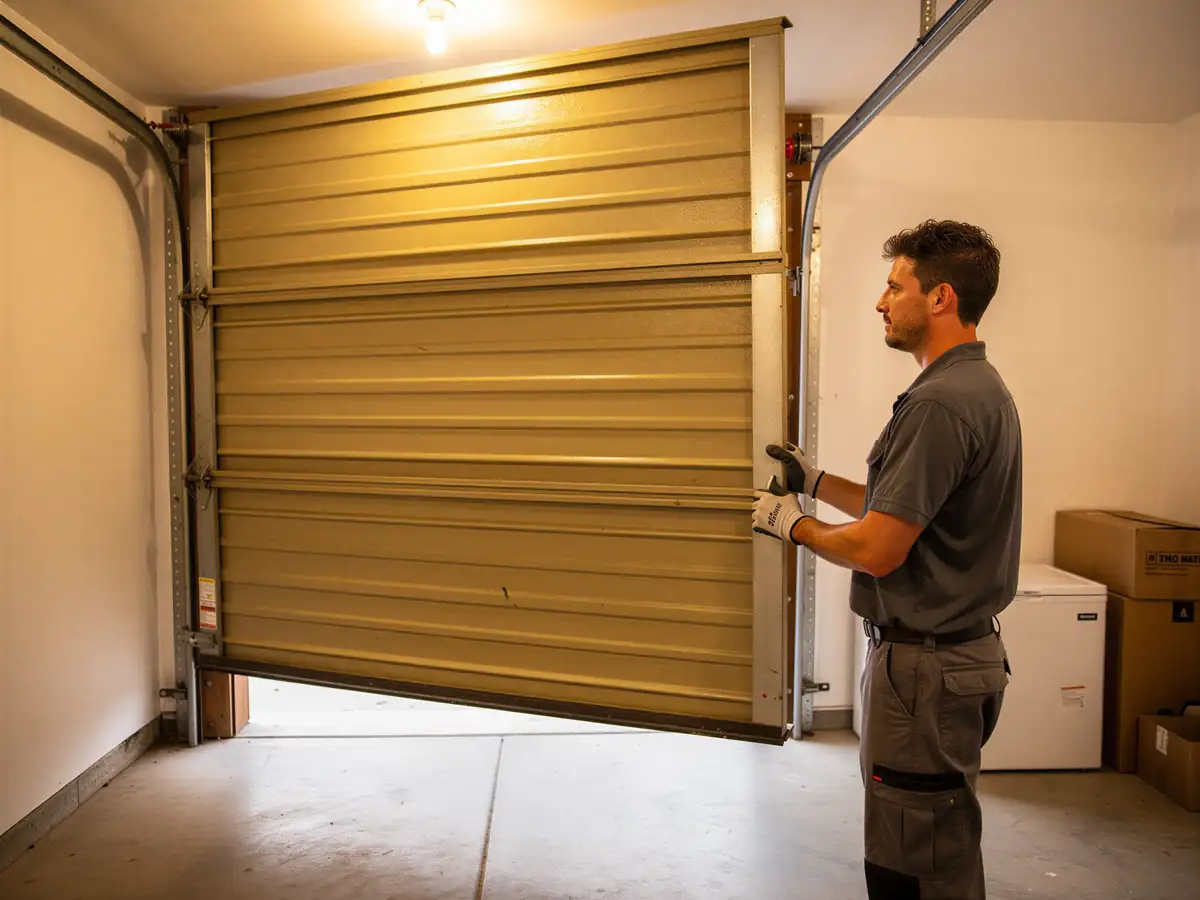
A door that's suddenly heavy to lift by hand, or an opener that strains and reverses partway up, usually means a torsion spring has lost tension - common on doors original to the 1980s-90s stock that makes up most of this market. A door that shudders or drags on one side points to a roller or bracket that's corroded from years of humidity rather than impact damage.
If the opener clicks but the door doesn't move
That's almost always the gear inside the unit, worn down after decades of cycling - again, consistent with openers original to houses in the 1970-2006 range. A door that reverses right after touching the floor is a sensor or limit setting issue, not a spring problem, and it's a quick fix compared to the others.
We hear from homeowners across just east of us
And from further out toward Gateway and Iona, with the same handful of complaints. The symptom sounds different depending on what's failing, but the root cause on most of these calls traces straight back to the age of the house, not anything unusual the owner did.