Where We Stop
We run out of Estero
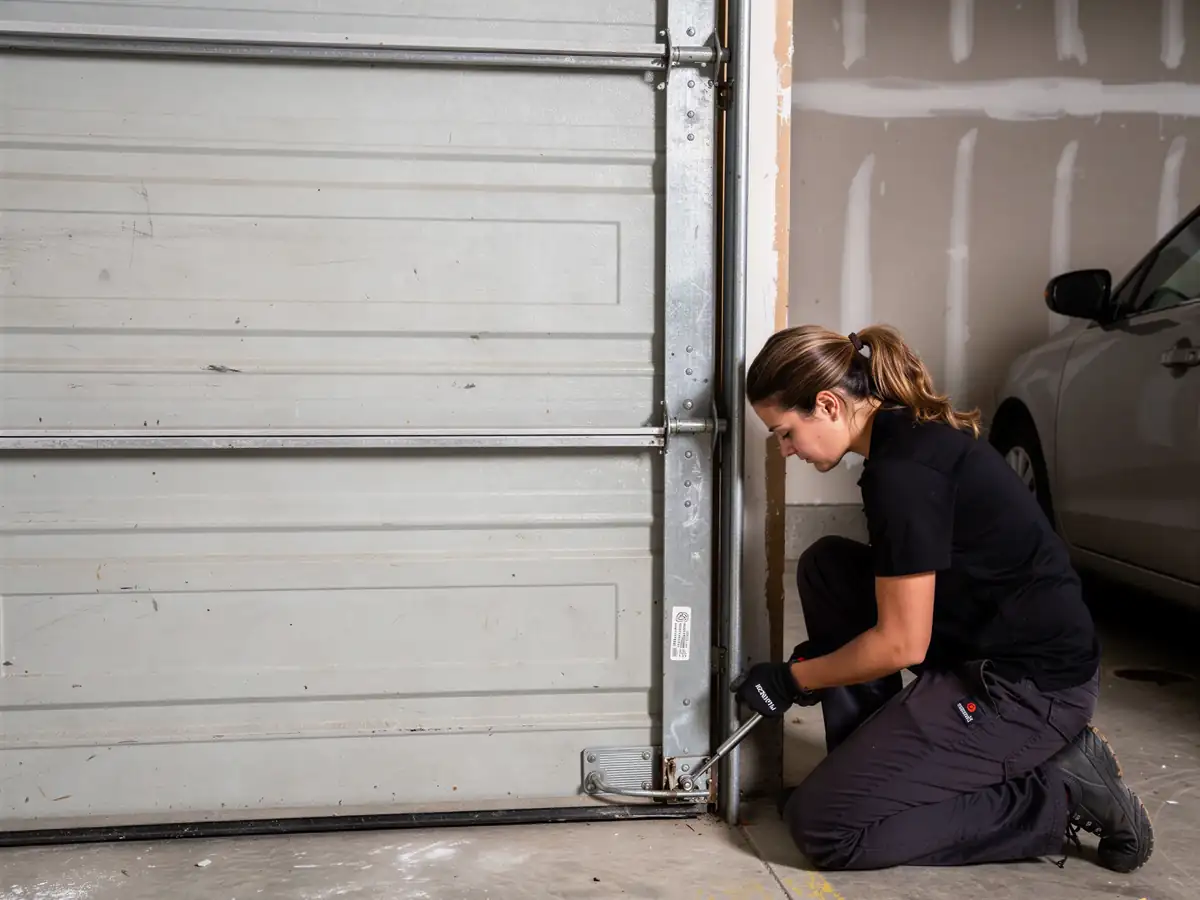
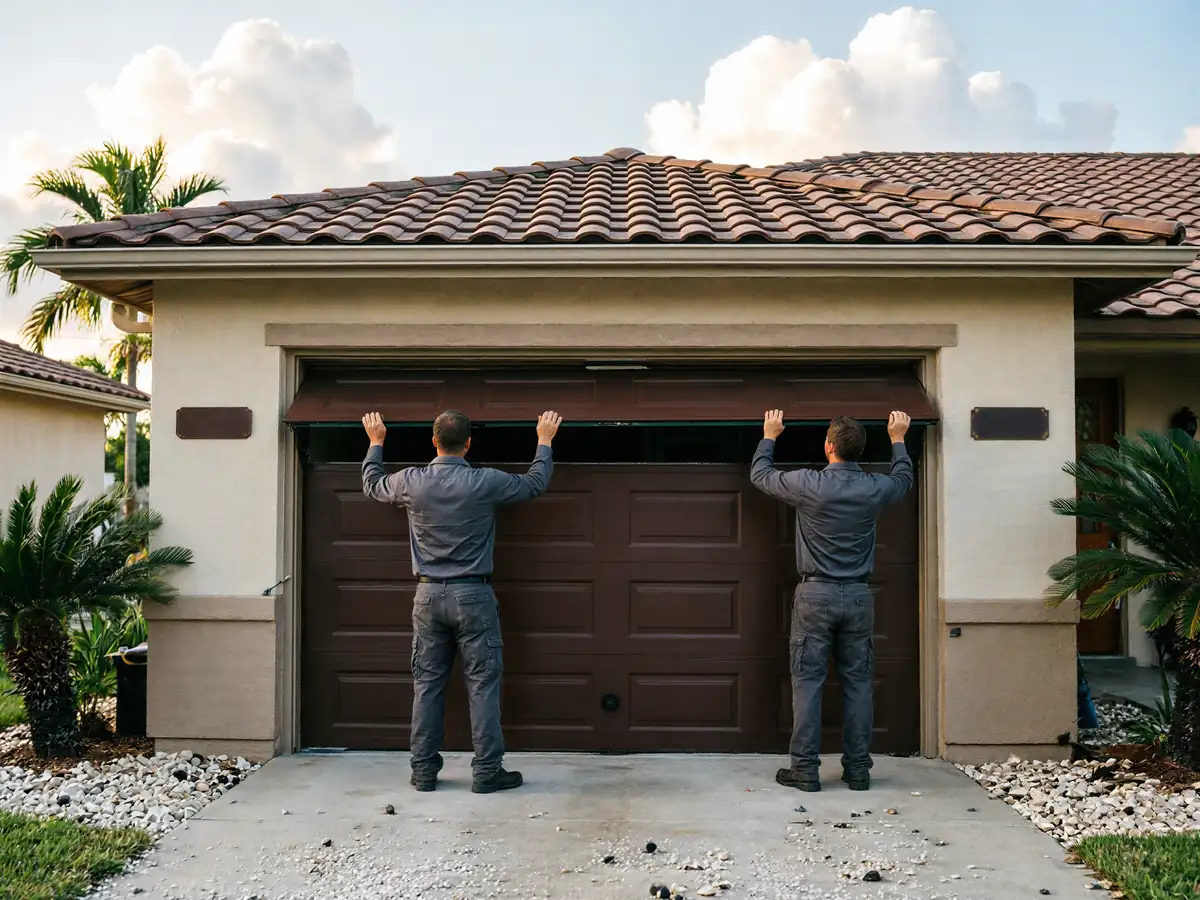
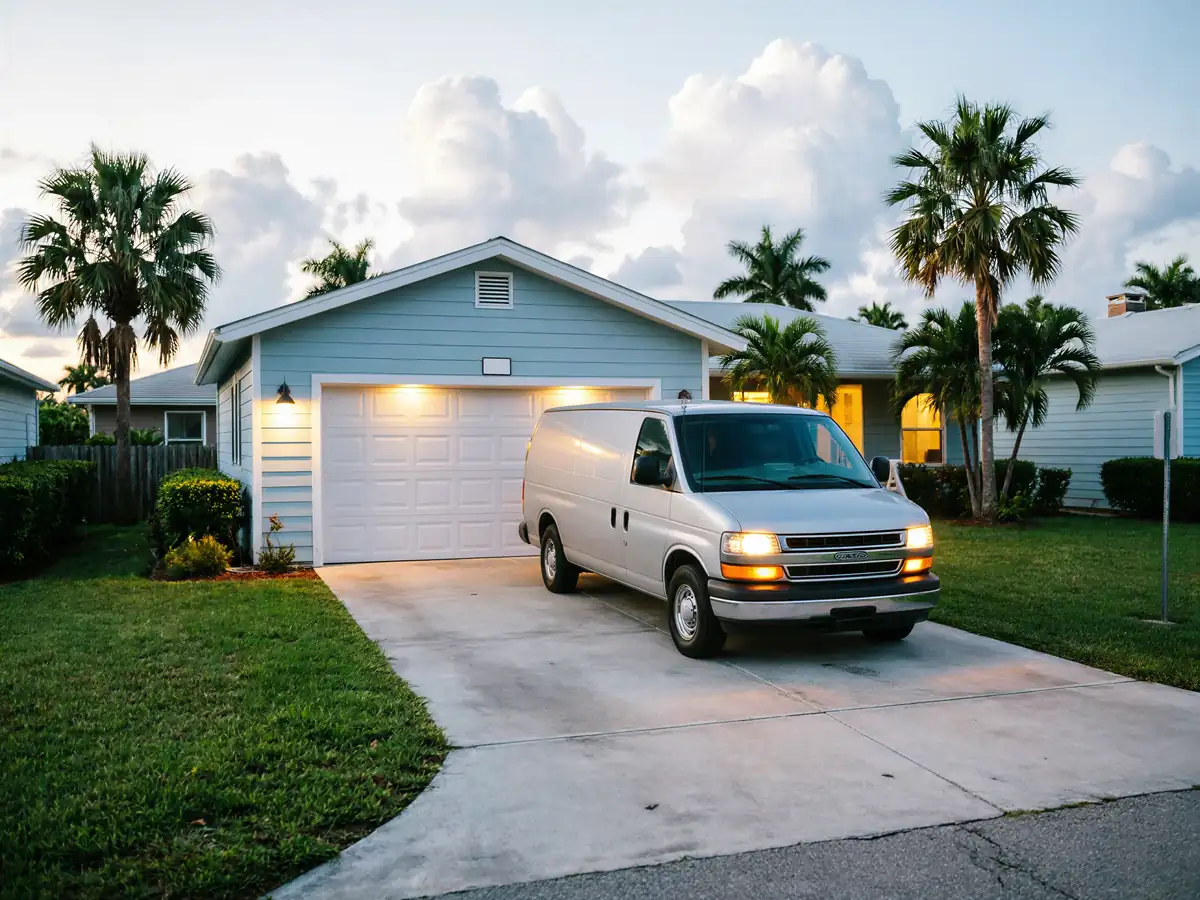
And Three Oaks sits about 3 miles down the road, close enough that it's one of the quicker calls on the board. We don't keep a crew or a shop in Three Oaks itself - the truck comes from Estero every time, same as it does for two miles east four miles east. That's worth saying plainly so nobody expects a local storefront that isn't there. What you do get is a tech who's worked the newer builds on this side of the service area often enough to know what's under the lid before he pulls a panel.
- 3 miles
The area sits inside a mild temperate band
Which matters more for door longevity than people think. No hard freezes to crack old seals, no deep snow load on tracks, but plenty of humidity and salt air drift that still eats at unprotected hardware over the years. None of that is unique to Three Oaks, but it's the backdrop every call here happens against, whether the door is from 2001 or last year.
The Split Between Old and New
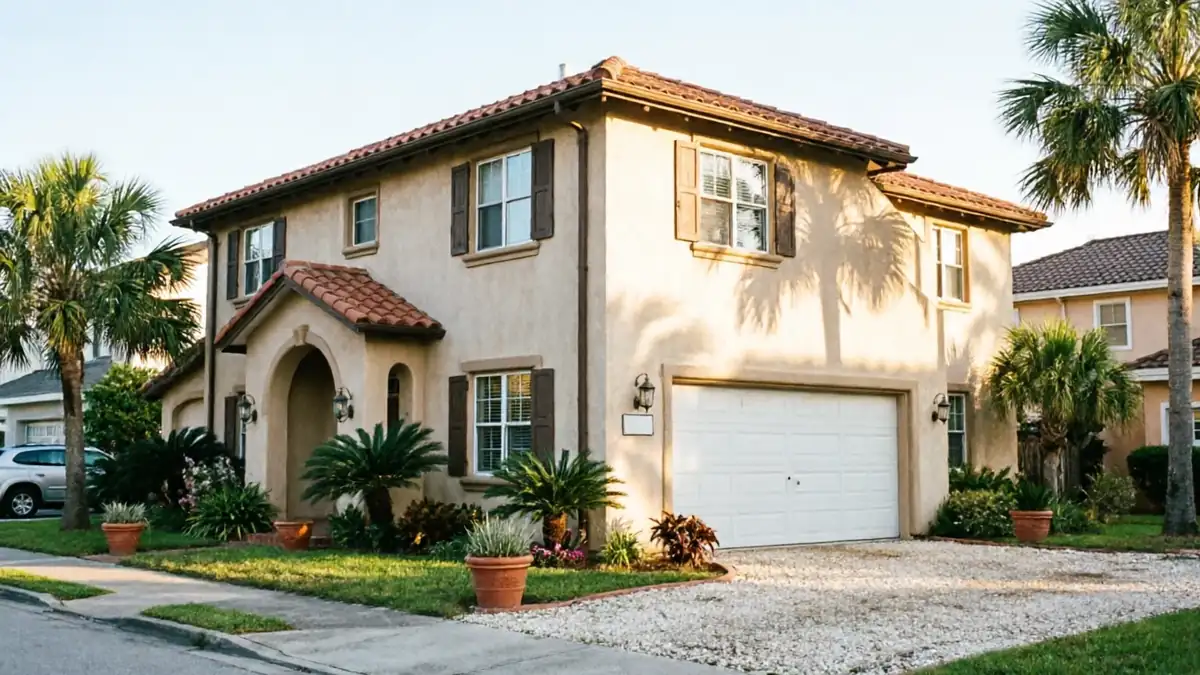
Across the wider service area, the housing stock runs from 1970 through 2006, with a lot of it landing in the 1980s and 90s - older torsion setups, older bracket styles, doors that have usually been replaced once already by the time we see them. Three Oaks doesn't fit that pattern. The median build year here is 2006, which puts most of the neighborhood two decades newer than the typical house we work on elsewhere in the territory.
That gap is the whole story of this page. A door installed in 1986 and a door installed in 2006 are not cousins - they're different products, different spring systems in some cases, different sensor requirements, different everything downstream of the opener. When a tech rolls up to a Three Oaks address expecting the same fault pattern he just saw on a 1988 house across town, he's already starting from the wrong assumption. We don't make that assumption here.
What That Means for Doors
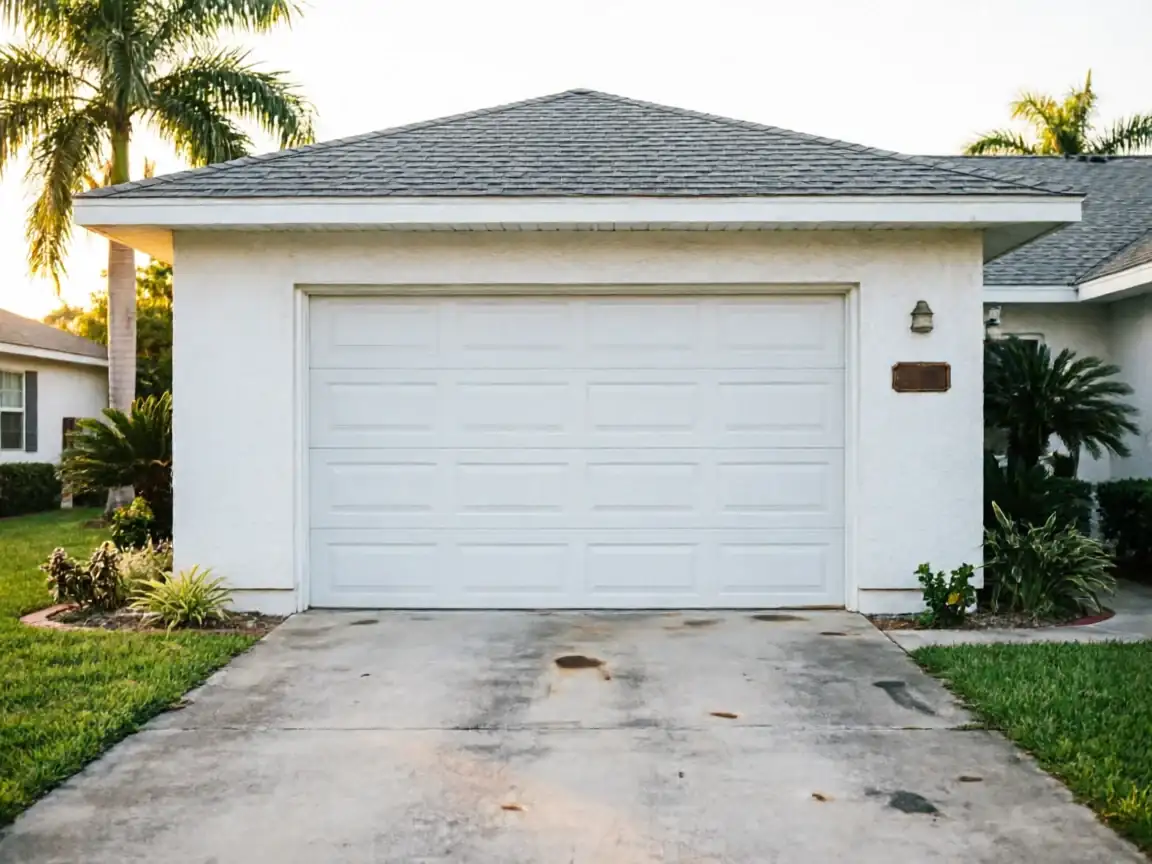
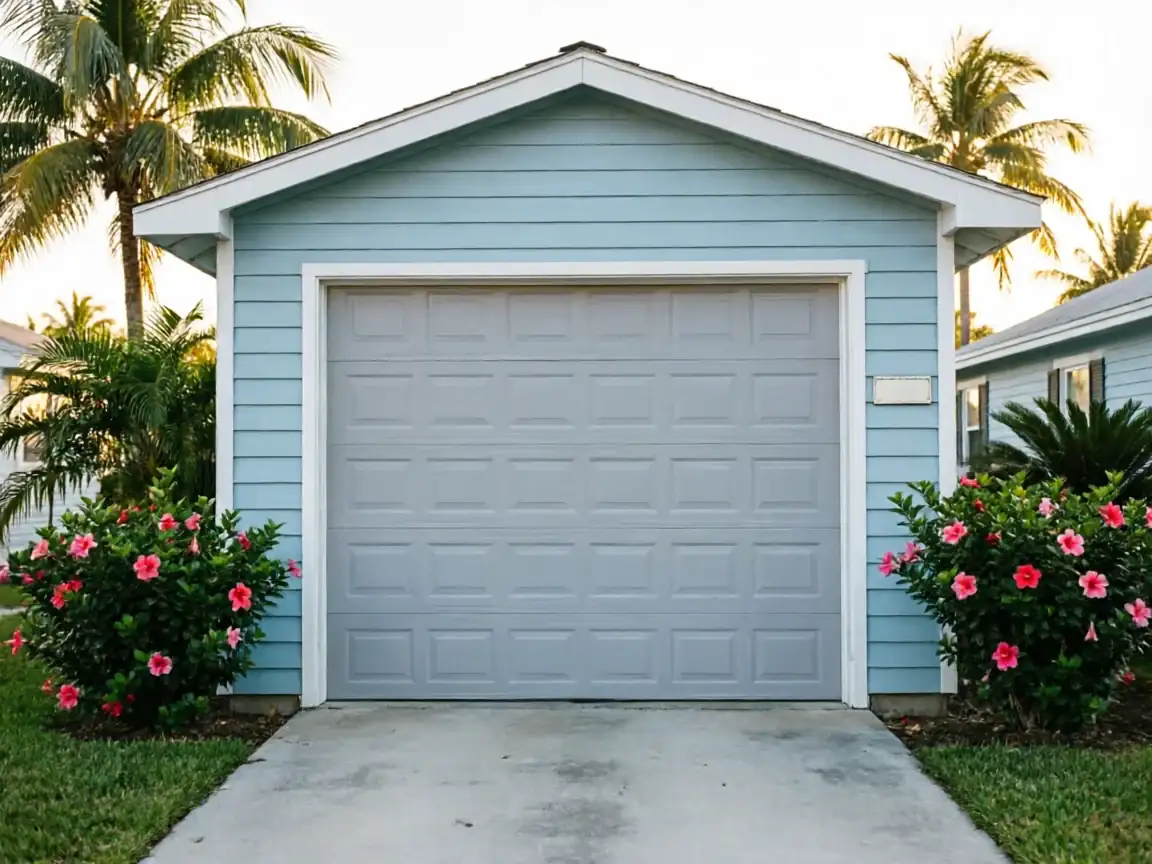
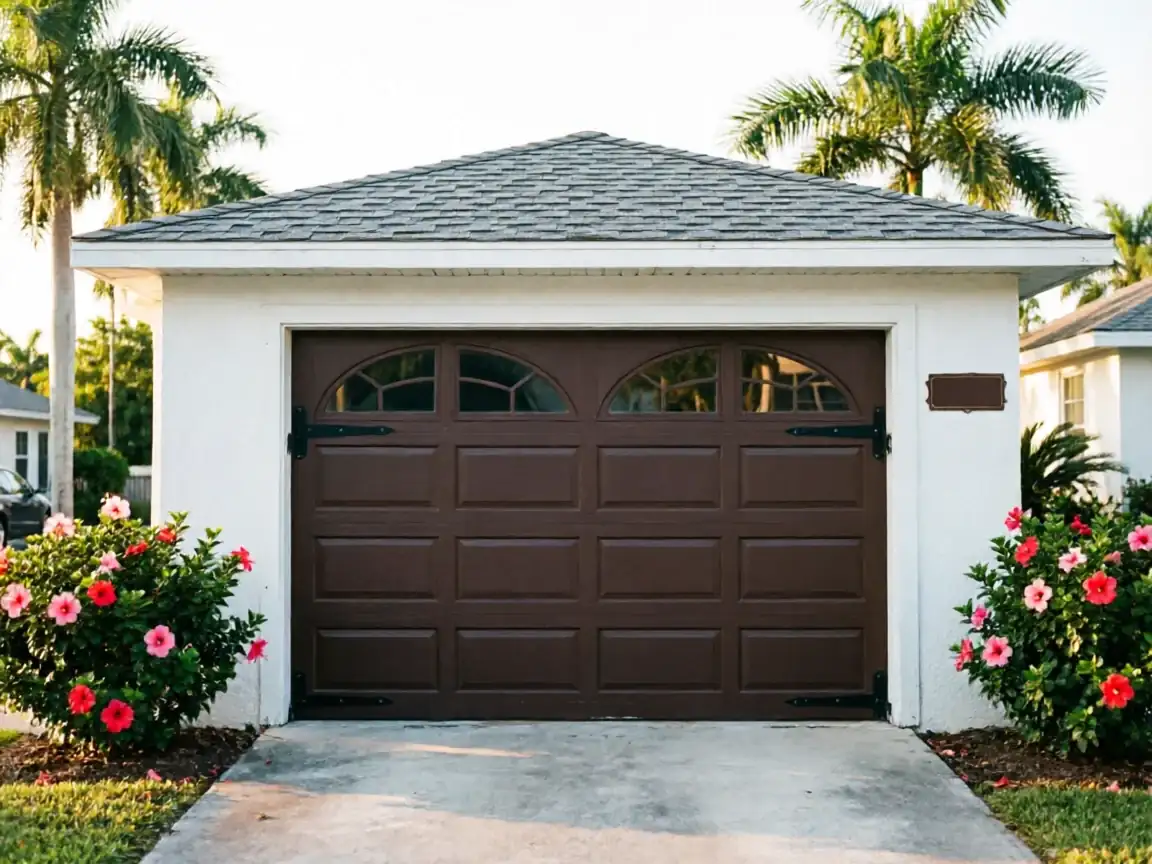
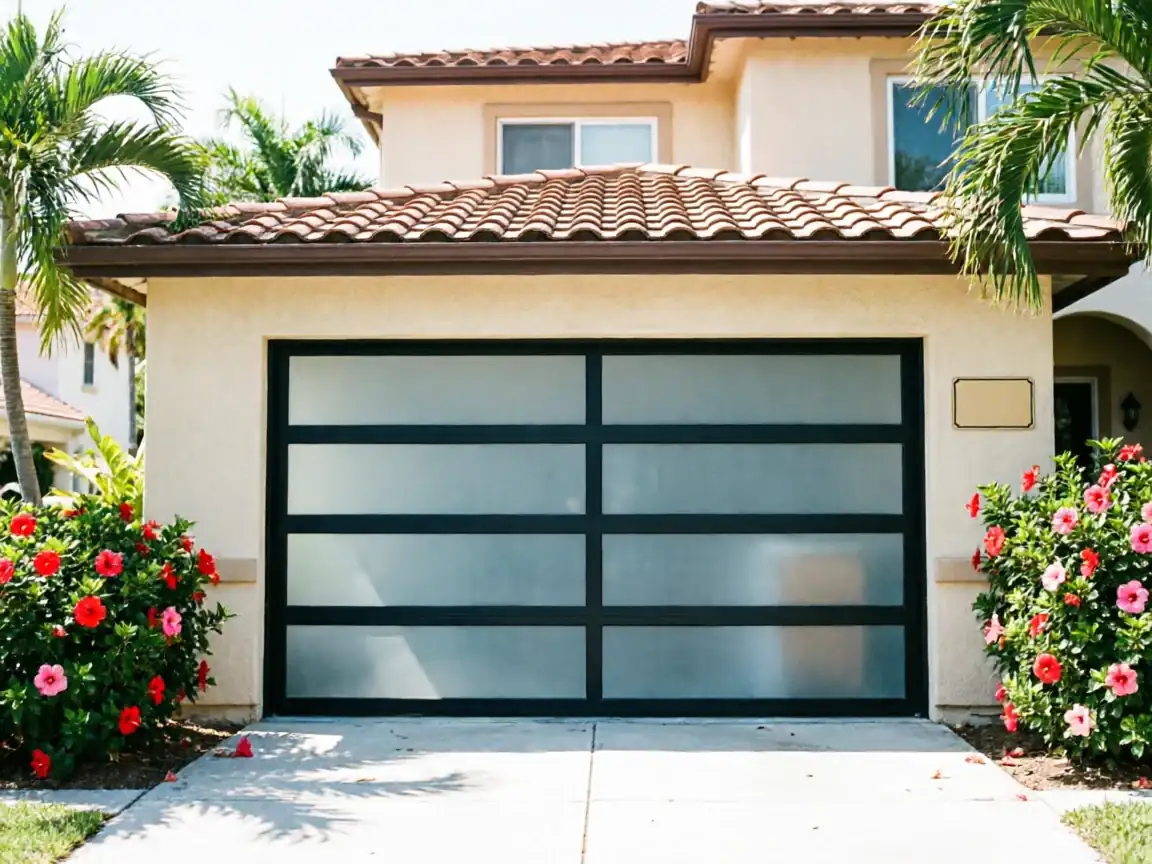
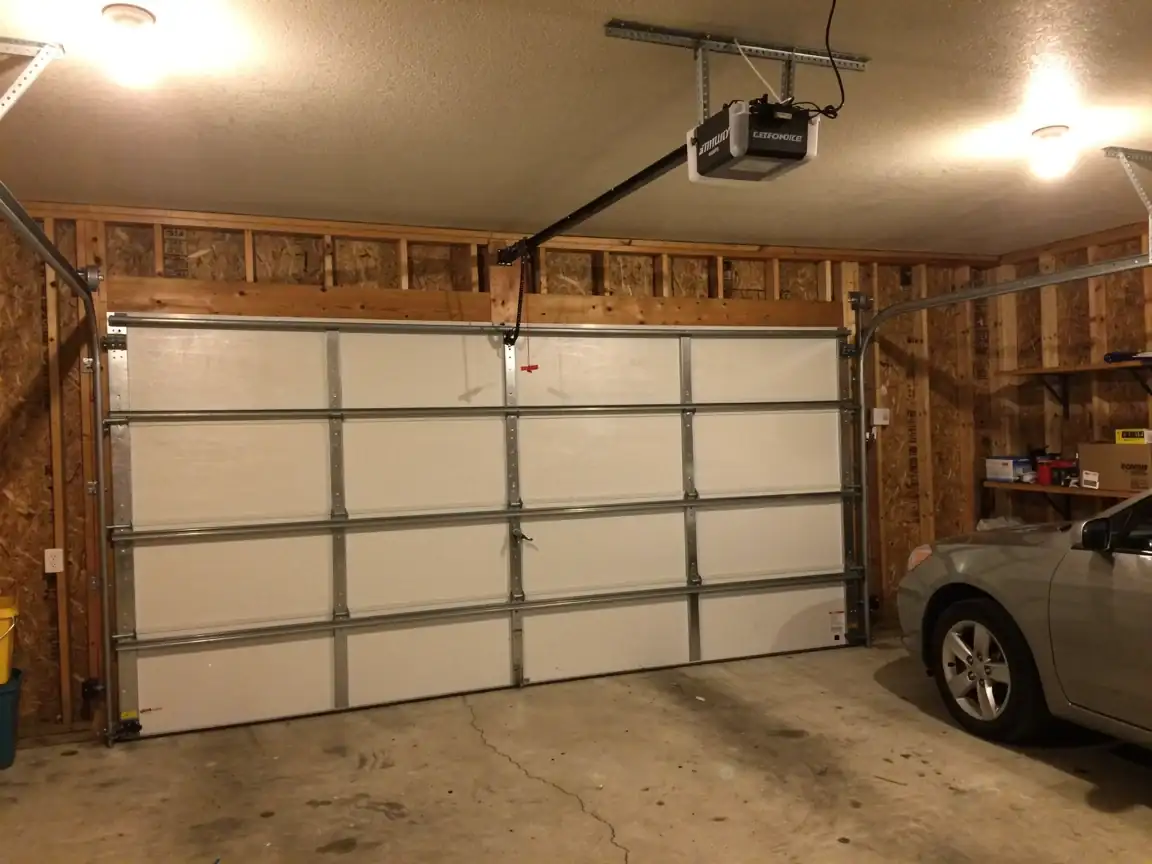
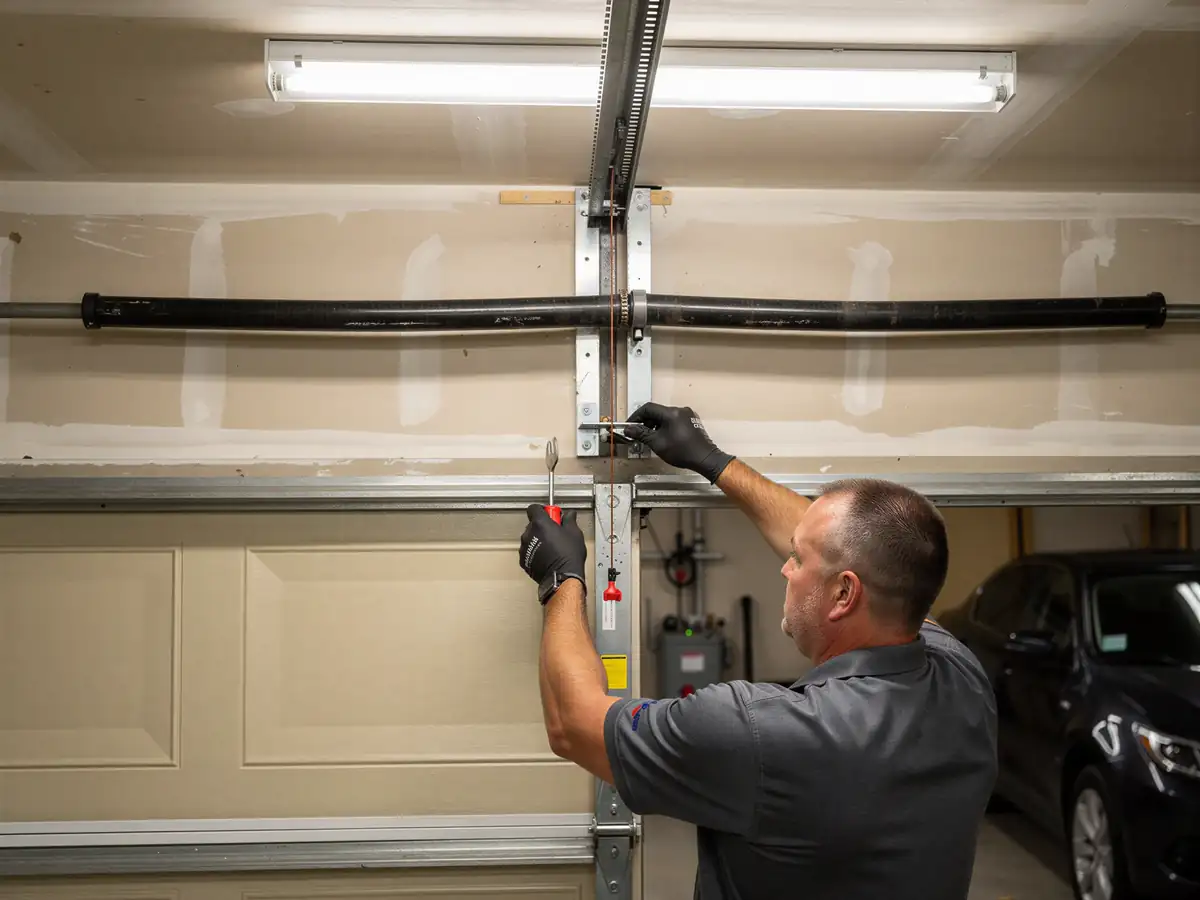
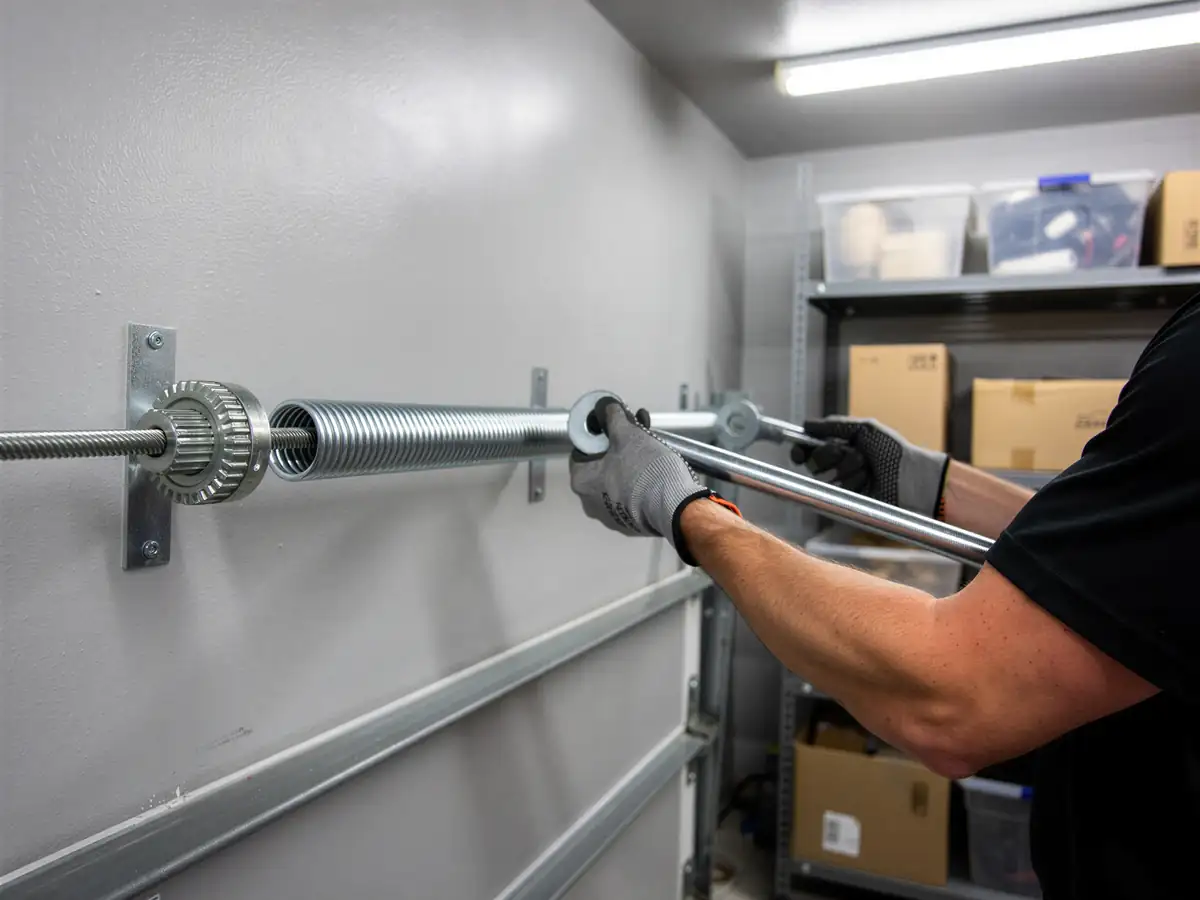
Doors built around and after 2006 almost always carry photo-eye safety sensors as standard, galvanized hardware that's held up better against the coastal humidity, and openers with circuit boards instead of the old mechanical relay switches. The failures we see skew toward sensor misalignment, logic board faults, and worn nylon rollers rather than the snapped torsion springs and brittle wood panels that define the older stock nearby.
That's good news in one sense - these doors are generally easier to diagnose and the parts are still in production, not obsolete. The honest limitation: if a Three Oaks door has been neglected for years despite being newer, a cheap plastic roller or an under-built opener motor can fail just as fast as anything on an older house. Newer construction doesn't mean bulletproof, it means a different failure pattern, and we price and diagnose accordingly rather than assuming every newer door is low-maintenance.
What Was Built Here
With 2,061 households and a median income of $102,392
Three Oaks runs higher-income and more recently built than the 71,428-household, $92,575-income average across the full service area, where 36,333 houses are owner-occupied. That combination usually means better-spec garage doors going in at construction - insulated steel over single-layer, heavier-duty openers with battery backup, not the stripped builder-grade unit that was common in the 80s and 90s stock closer to San Carlos Park or Villas.
- 2,061 households
- 36,333 houses
It also means fewer end-of-life replacements and more maintenance and adjustment calls
A door that's 15-20 years old starting to show its age in the opener logic or the weatherstrip, not in the springs or the panel skin. We work both kinds of jobs, but we don't try to sell a Three Oaks homeowner a full spring replacement when what's actually failing is a sensor bracket that shifted after a pressure wash.
- 20 years