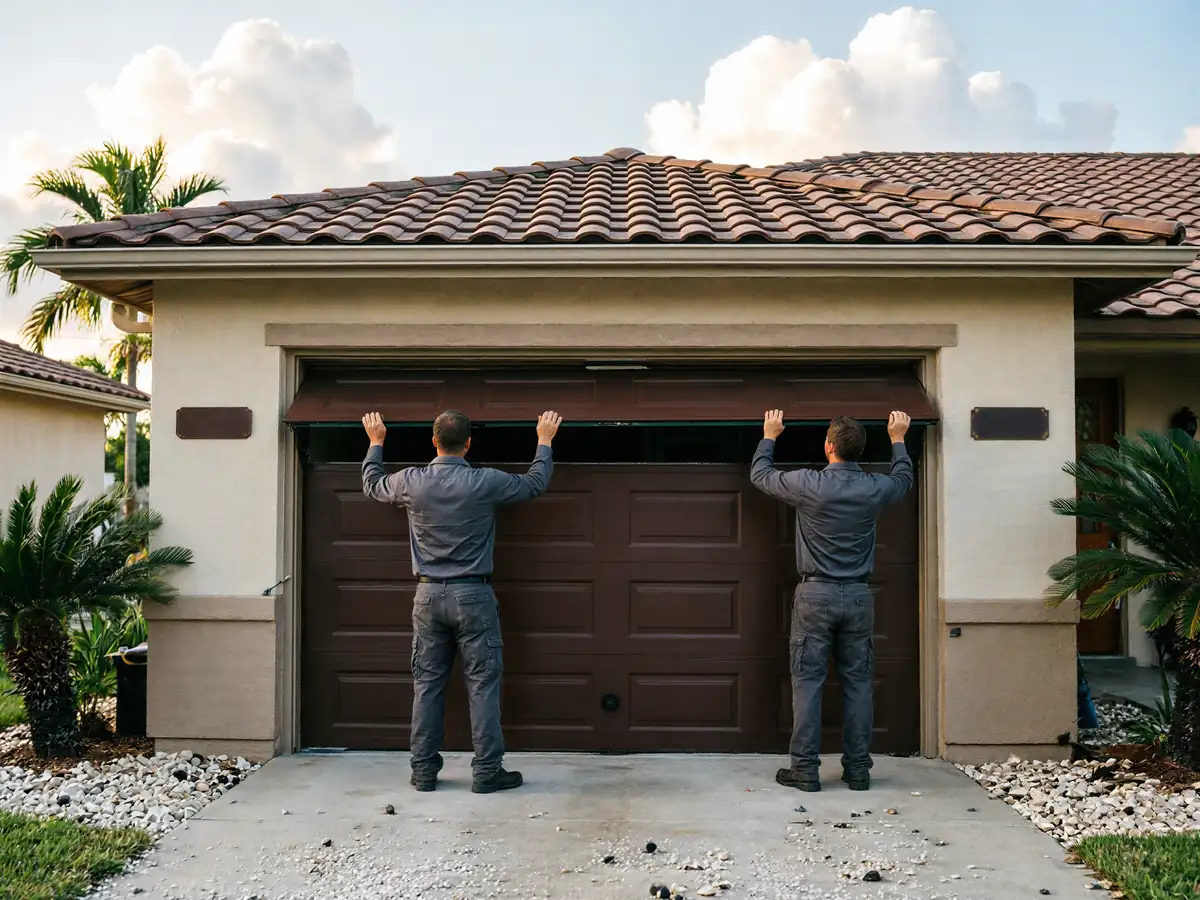
What Is on the Truck
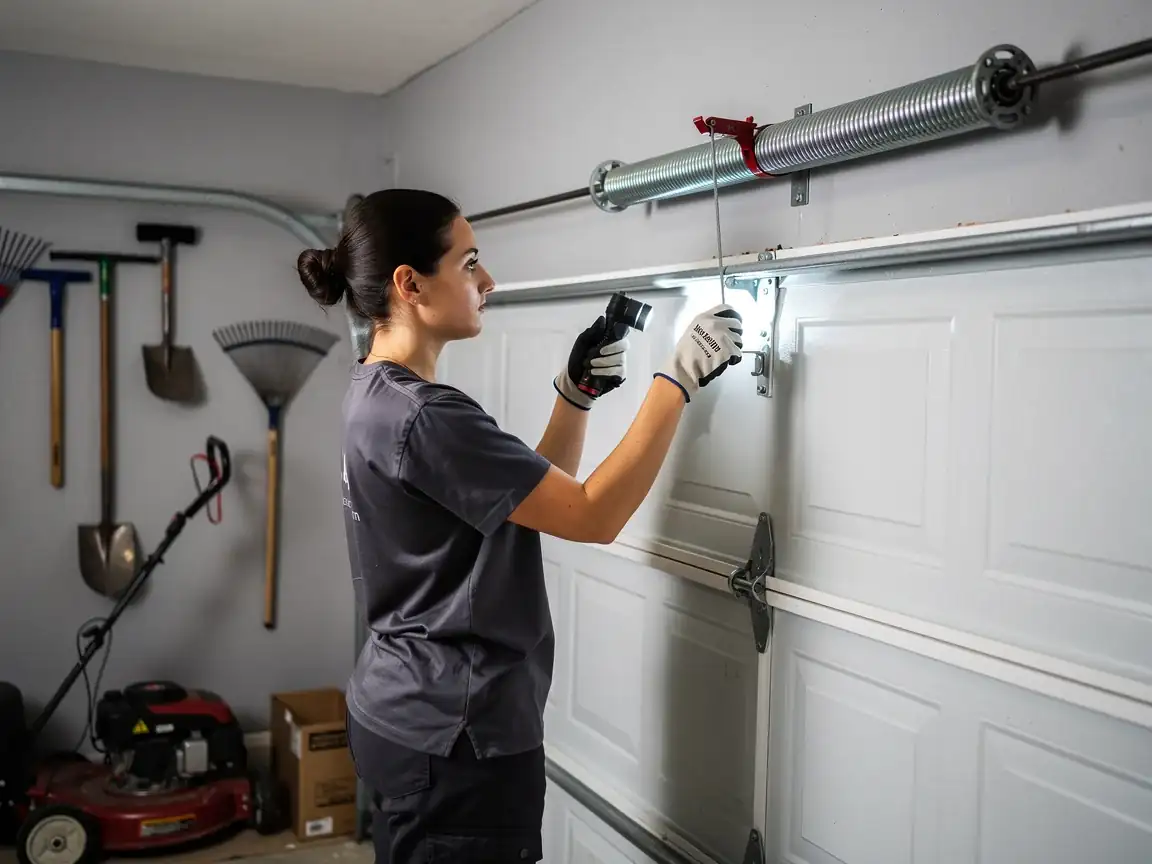
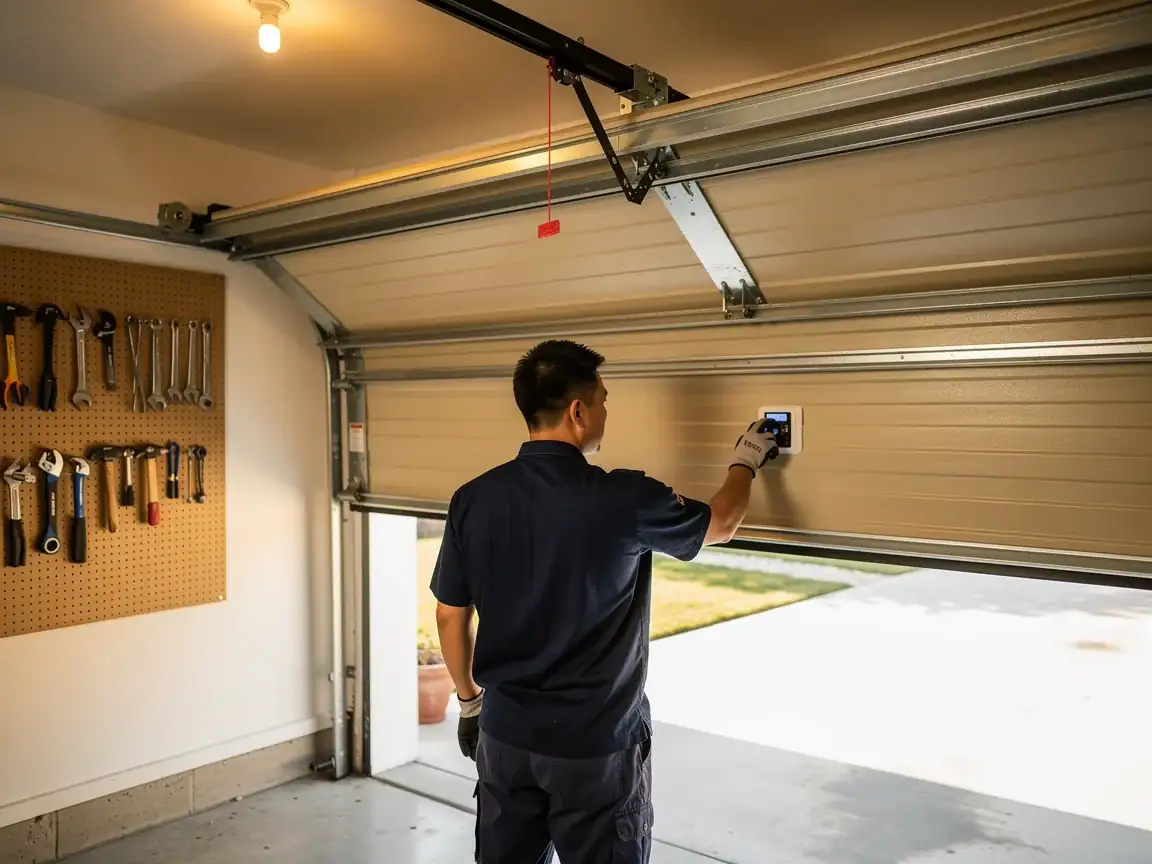
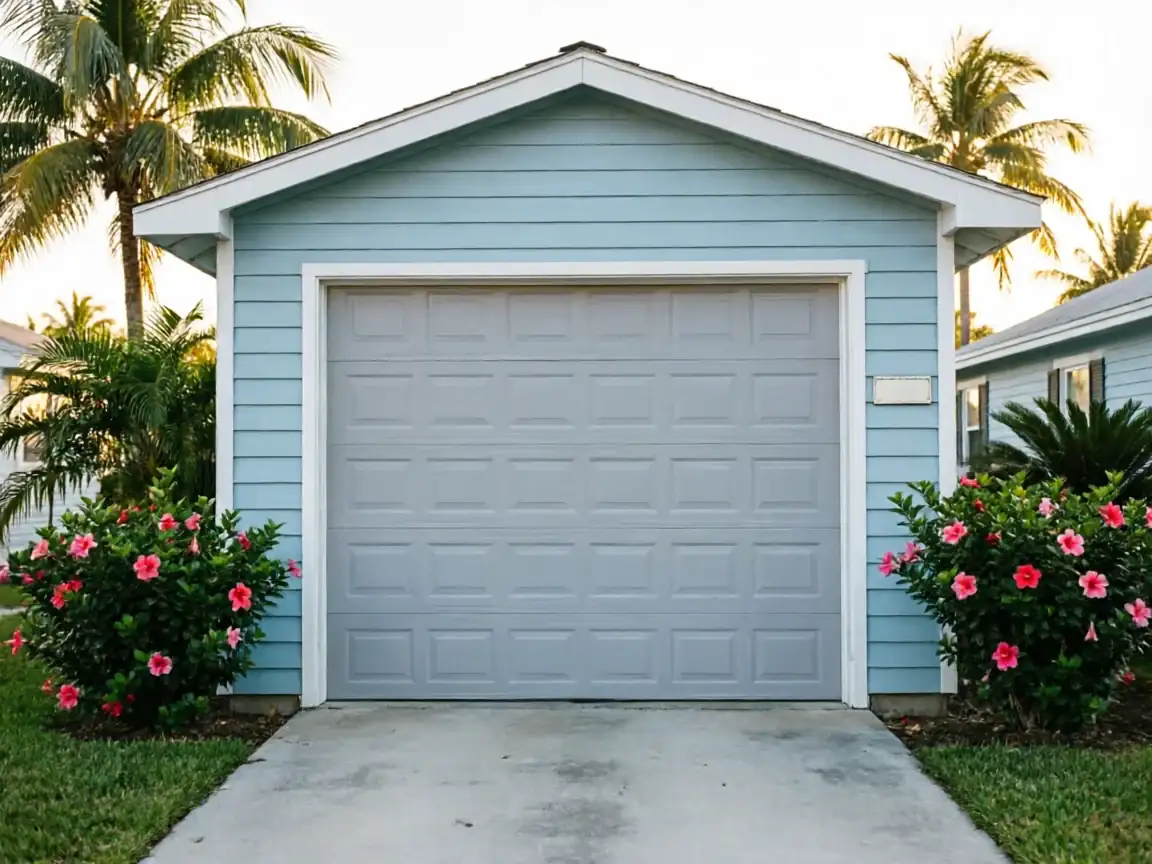
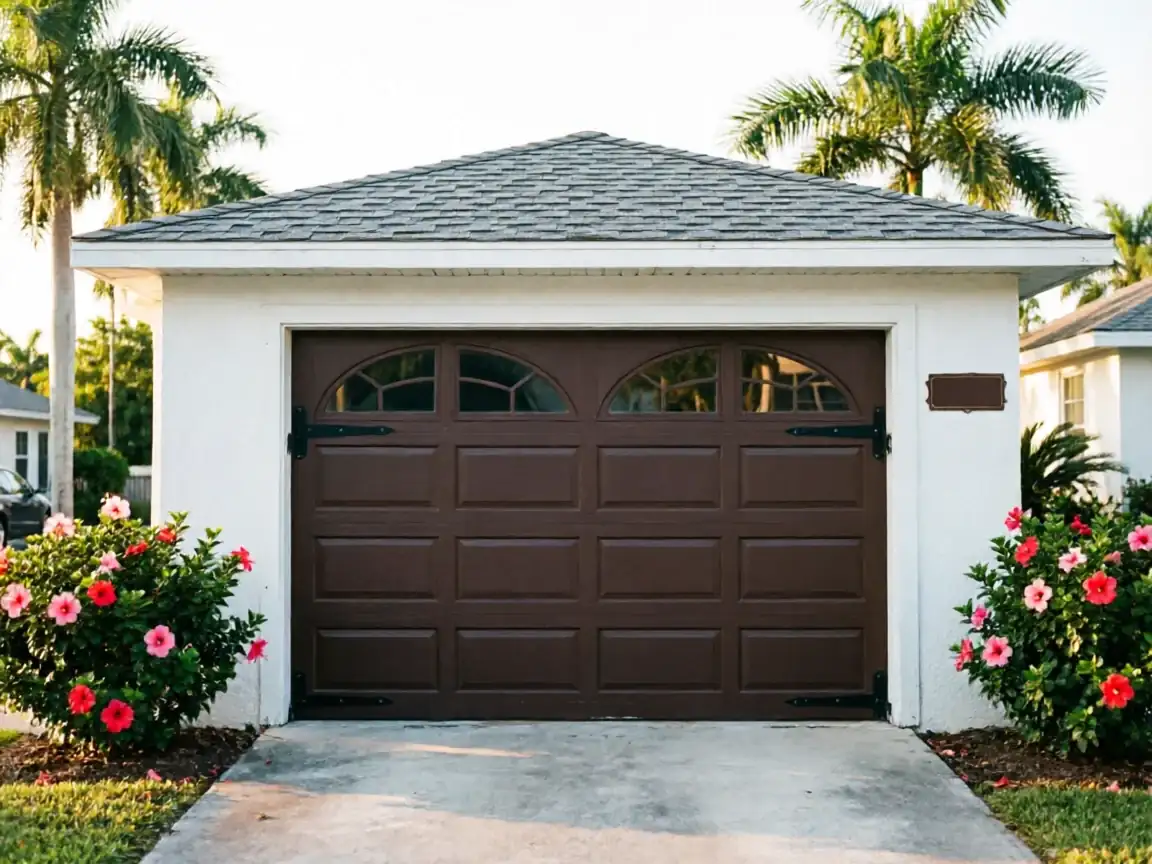
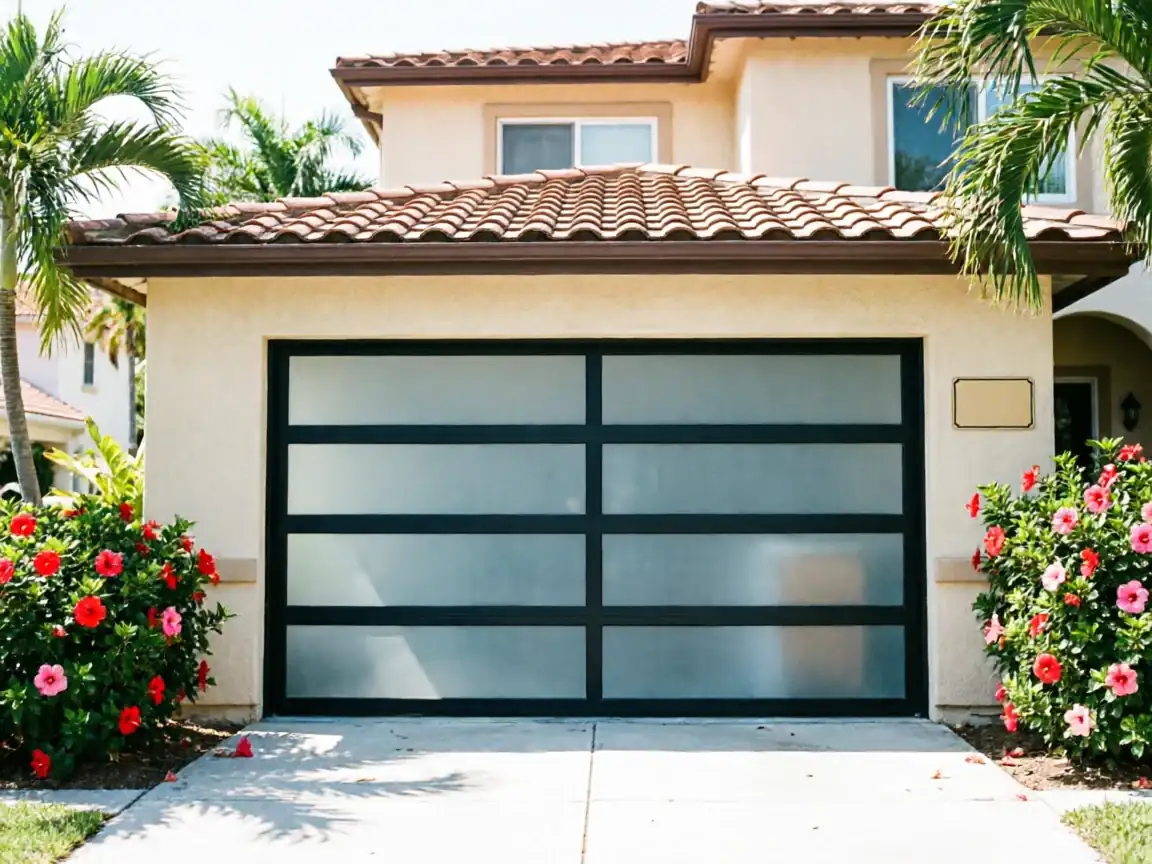
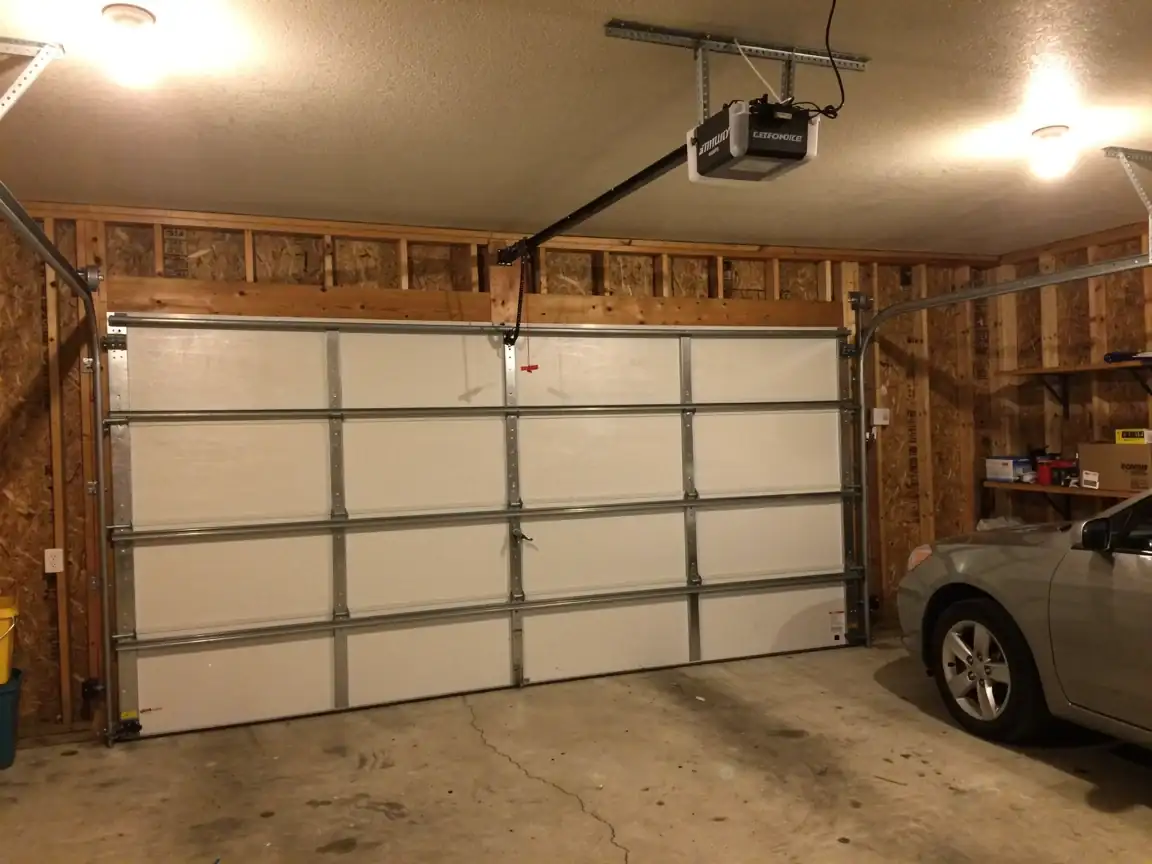
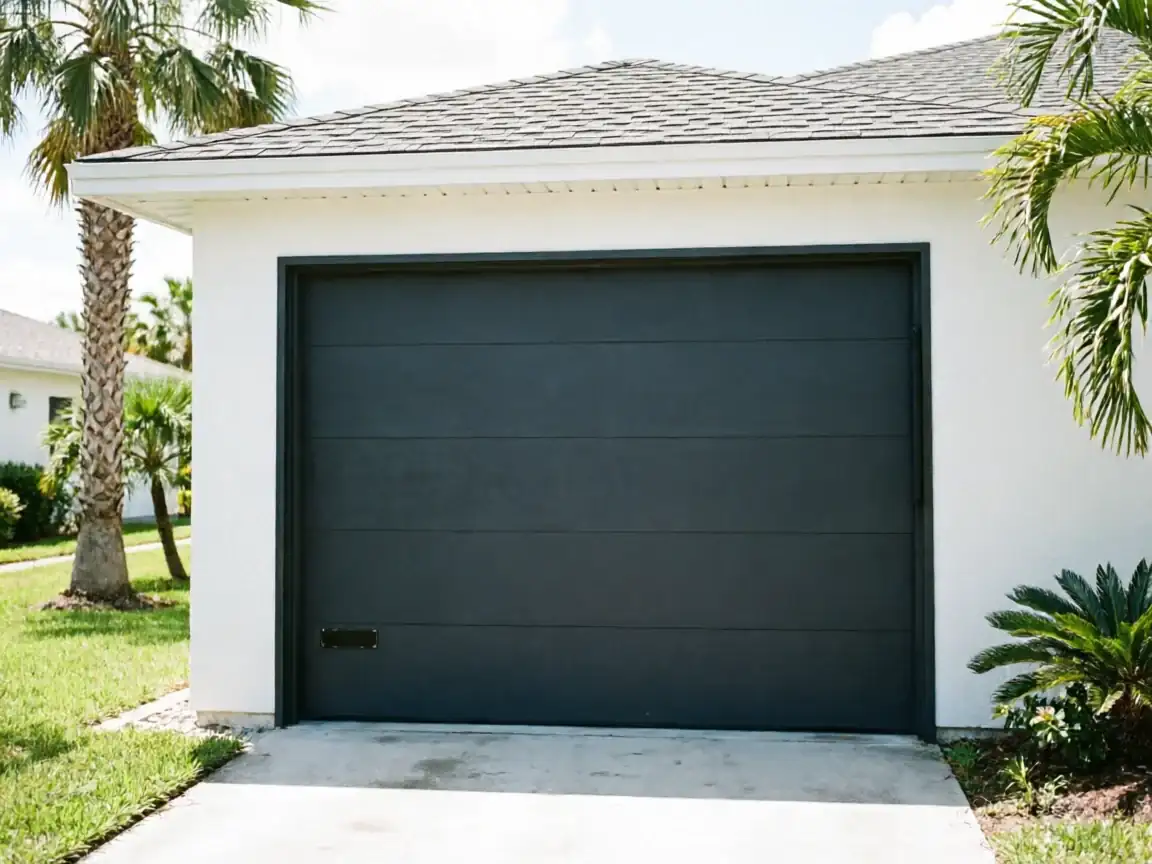
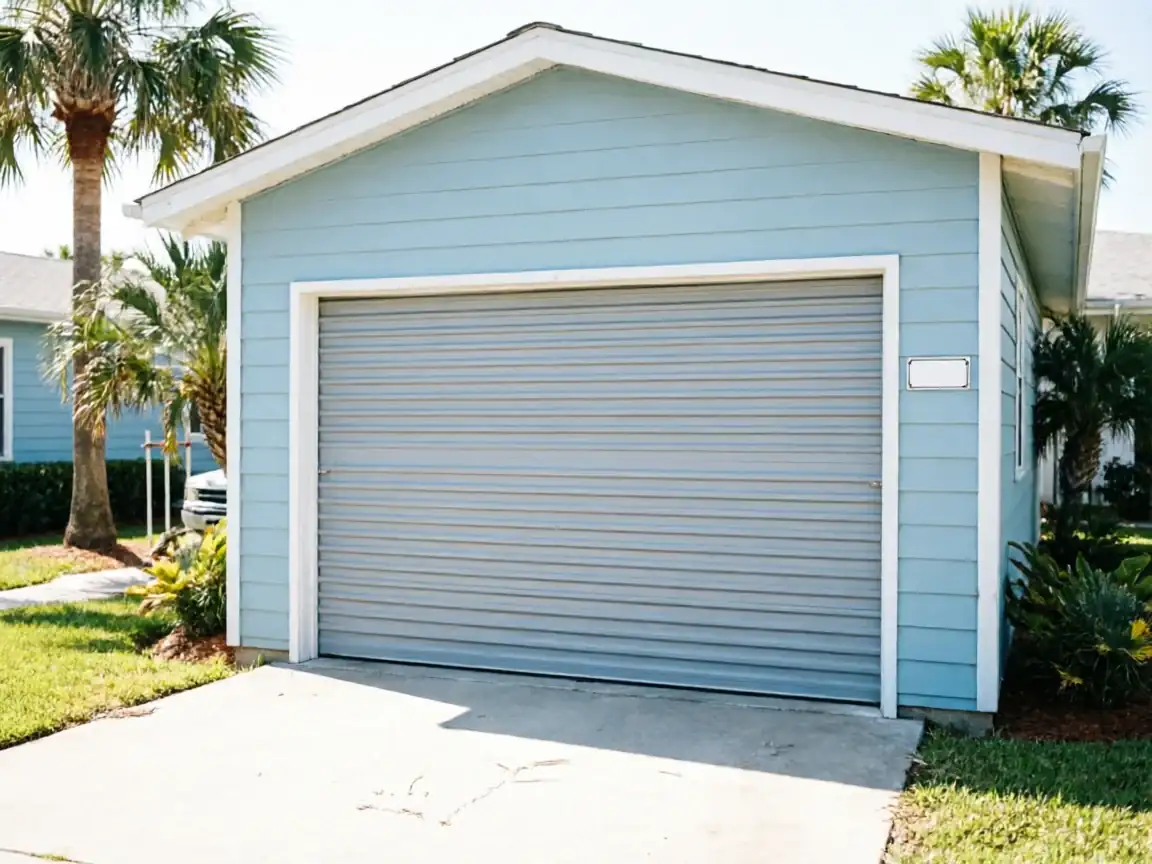
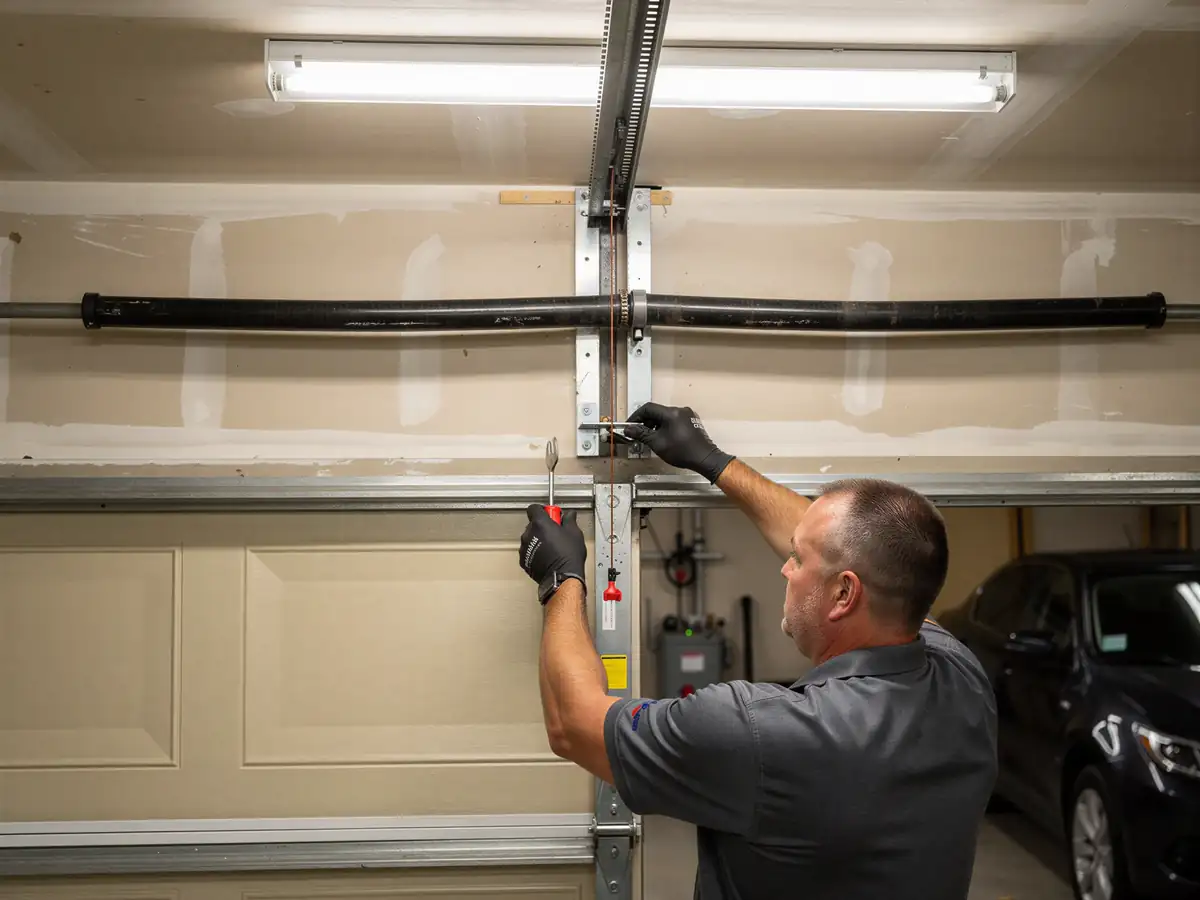
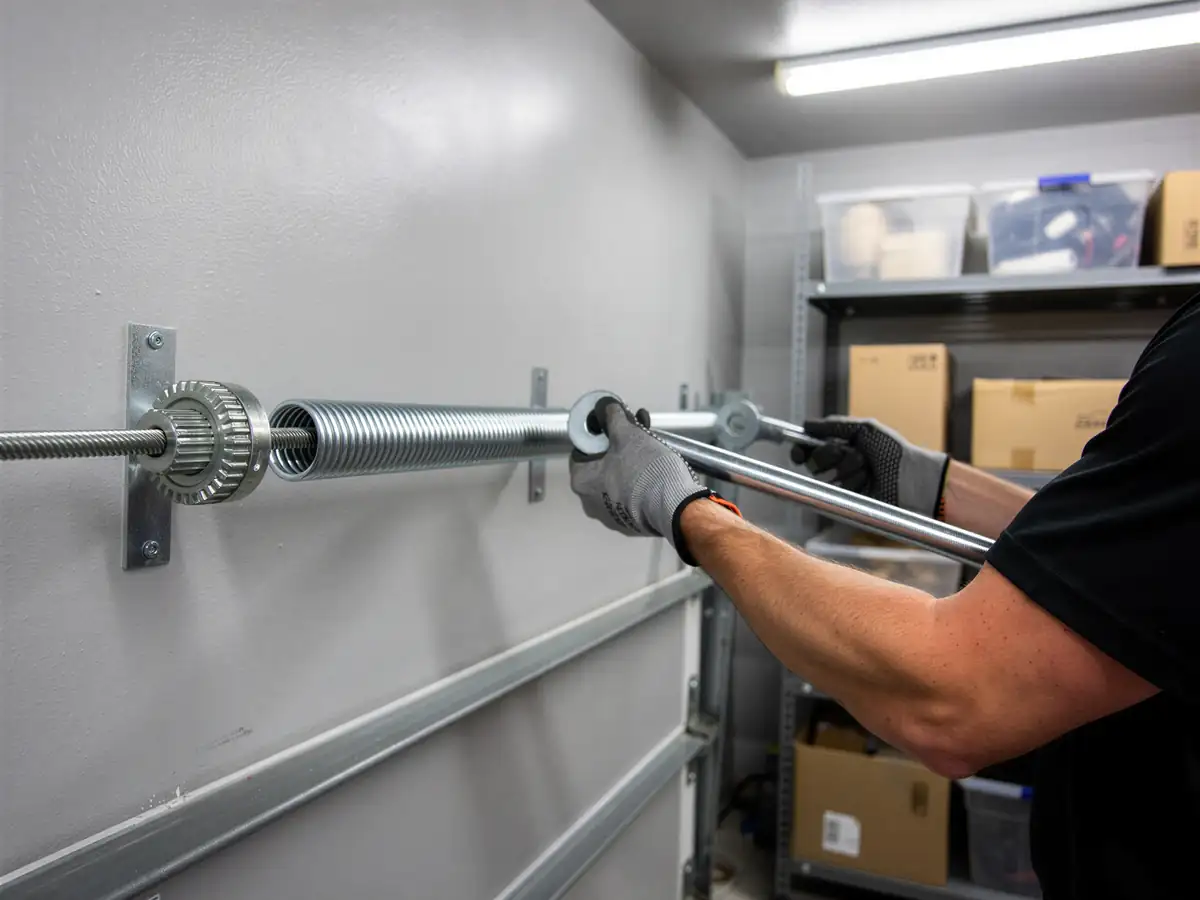
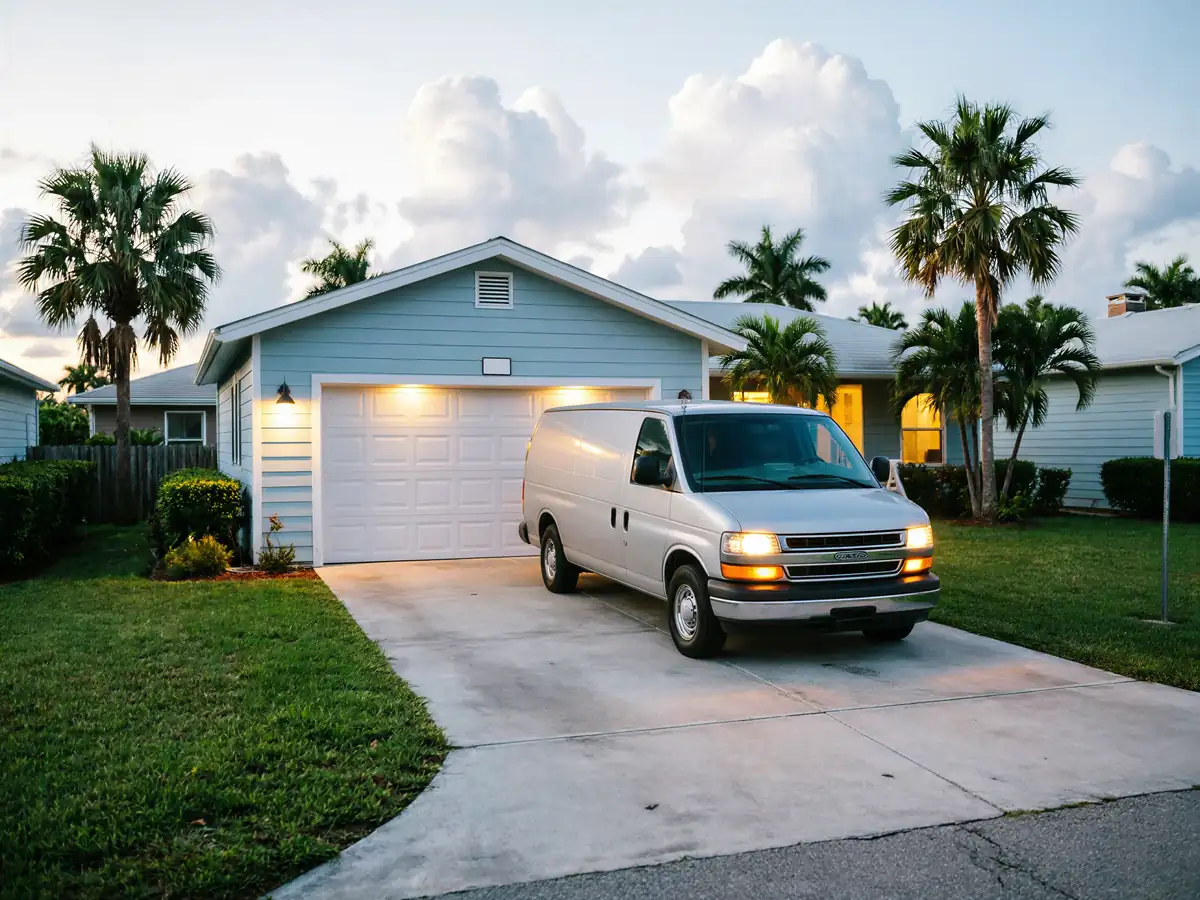
For McGregor jobs we stock the door sizes and track configurations that actually show up in houses from that build era: standard 7-foot and 8-foot double-door widths, steel sectional panels in both insulated and non-insulated options, and torsion hardware sized for openings with lower headroom, since some of the garages from the mid-1980s don't leave much room above the door for a standard torsion shaft. We carry the openers that pair with those setups - belt and chain drive - along with the mounting brackets that fit older stud spacing rather than newer construction. We also keep extension spring kits on hand because a share of houses from that era still run extension rather than torsion, especially on single-car openings. What we don't carry on the truck is anything custom-sized or a specialty finish - carriage-style wood-look doors or non-standard widths get special-ordered, and that's a lead time we tell the homeowner up front rather than promise something the truck can't deliver that day.
How to Book
Booking an install starts with a measurement visit, since we won't quote a door sight unseen. You can see what that visit covers on the McGregor service page, and if you're comparing installation against repair options more broadly, the Estero installation page covers the install process we run company-wide. For McGregor specifically, we ask for the door's rough opening width and height if you have it, plus the age of the house if you know it - anything built in the 1984 range tells us to bring the lower-headroom torsion hardware before we even arrive, rather than finding out on-site and having to reschedule.
What You Pay
We don't post pricing here because door size, spring count, insulation level, and whether the opener needs replacing all move the number, and guessing at a figure before we've measured the opening does nobody any favors. What we can say: at a median household income of $88,575 across the broader service area, and $88,578 within McGregor itself, most of the installs we run here are full replacements rather than patch jobs - owners choosing to do the door and opener together once instead of stretching an aging setup another few years. If you want an actual number, that comes after the measurement visit, not before it.
Where This Job Goes Sideways
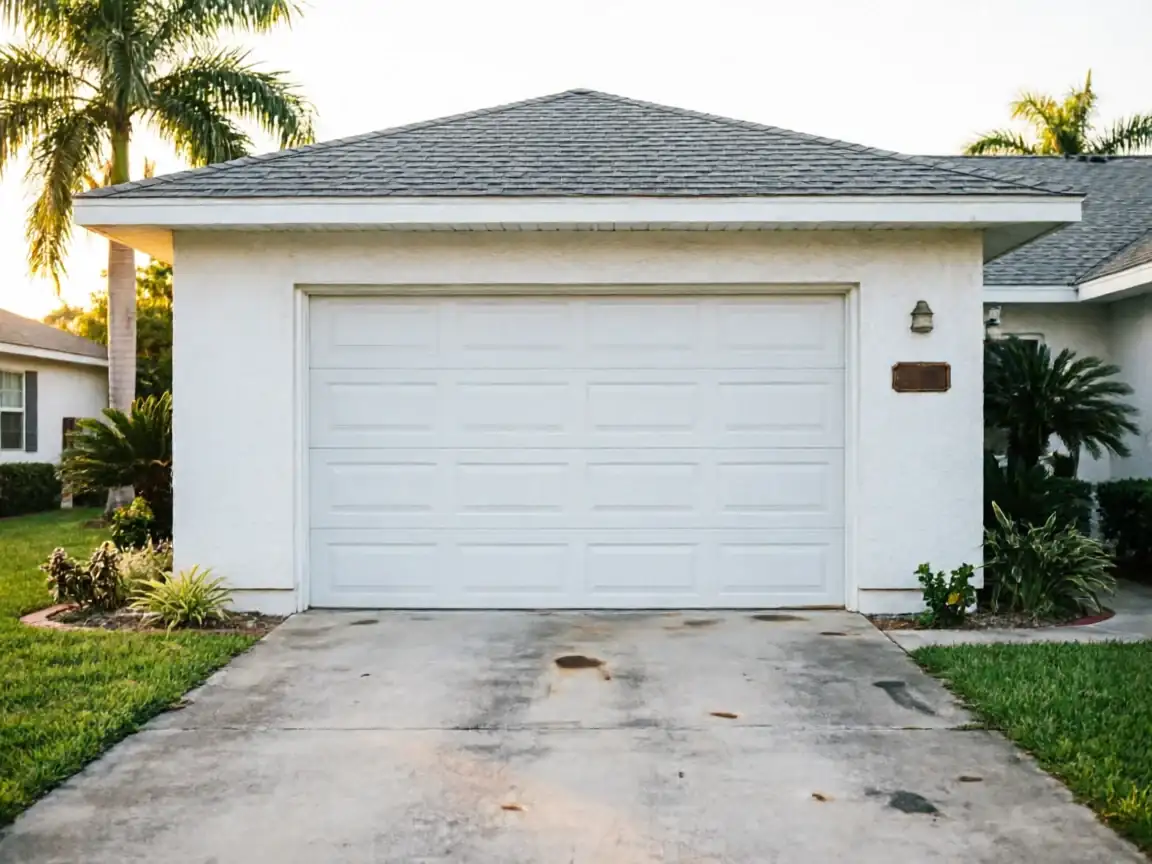
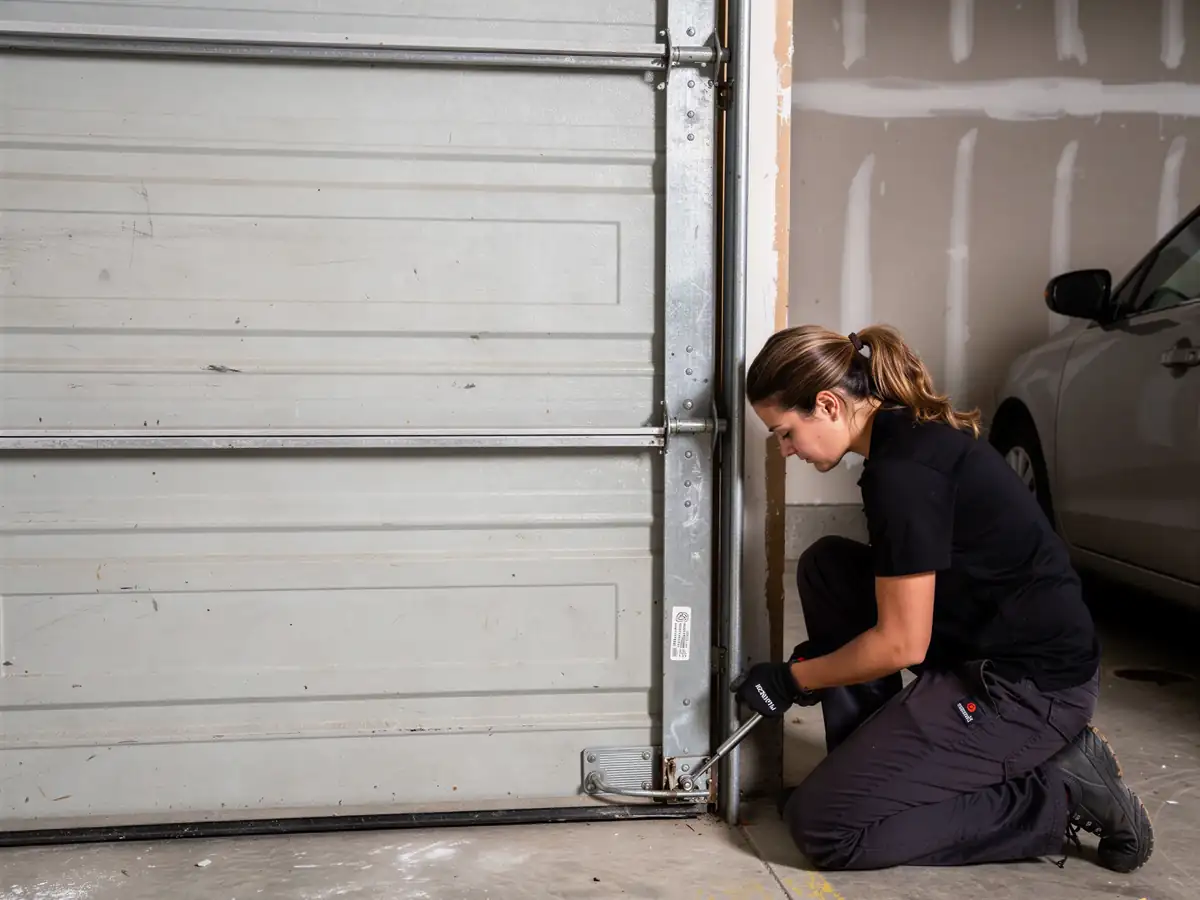
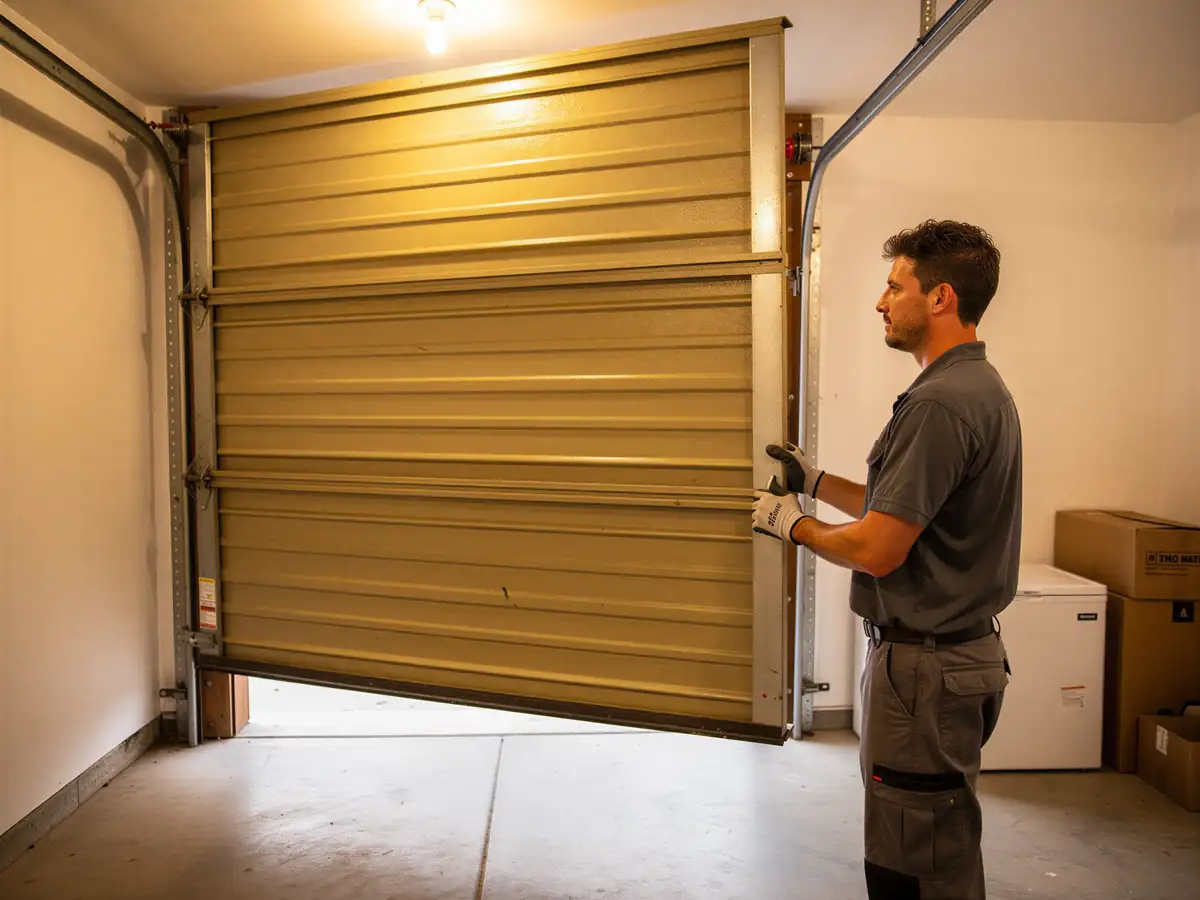
The thing that turns a straightforward McGregor install into a longer job is framing. Houses built around 1984 sometimes have headers that were fine for the original lightweight door but aren't rated for a heavier insulated steel replacement without added support. We catch that at the measurement stage when we can, but occasionally it only shows up once the old door's off the track. When that happens, we stop and reinforce the opening before hanging anything - it adds a step, and it's not something we skip to save a trip. The other spot this goes sideways: custom door sizes or finishes aren't on the truck, so if a homeowner wants something outside standard widths, that's a special order with its own wait, and we say so rather than substitute something close and hope it reads the same.