How We Fix It
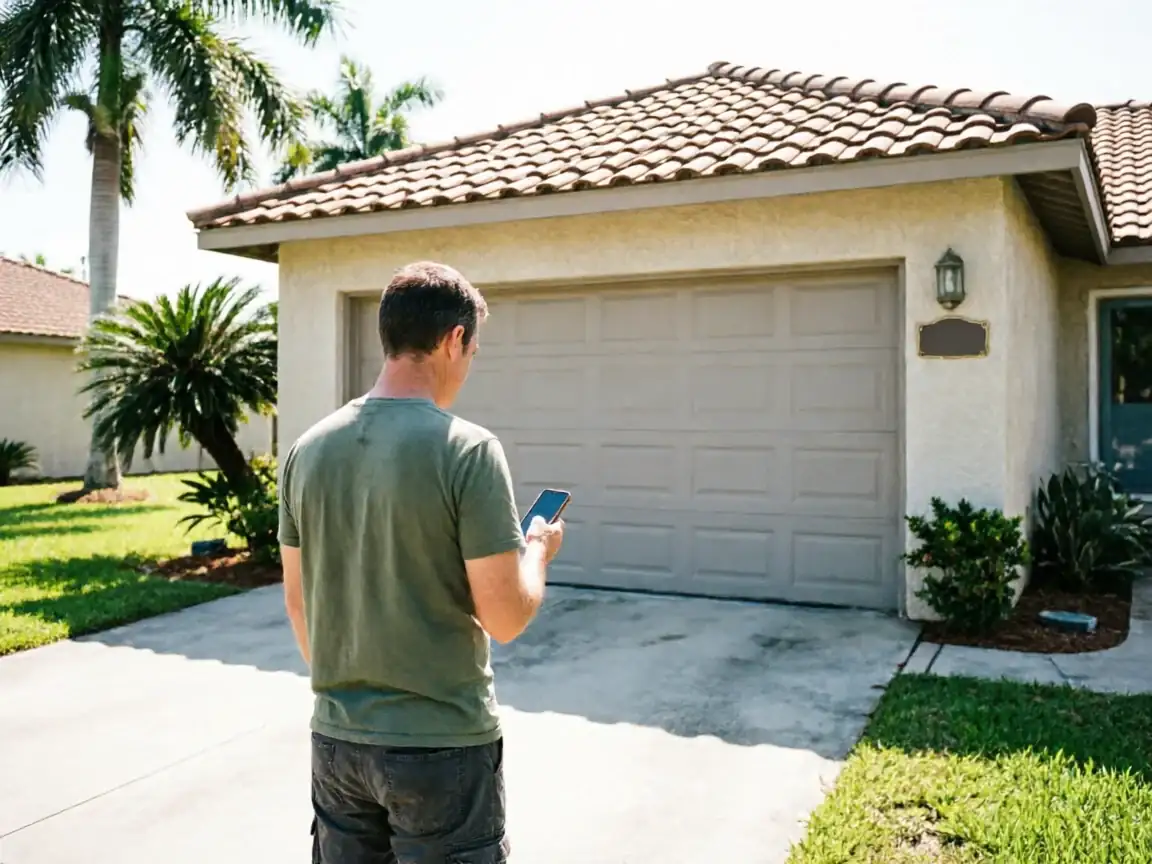
Most houses in McGregor went up around 1984
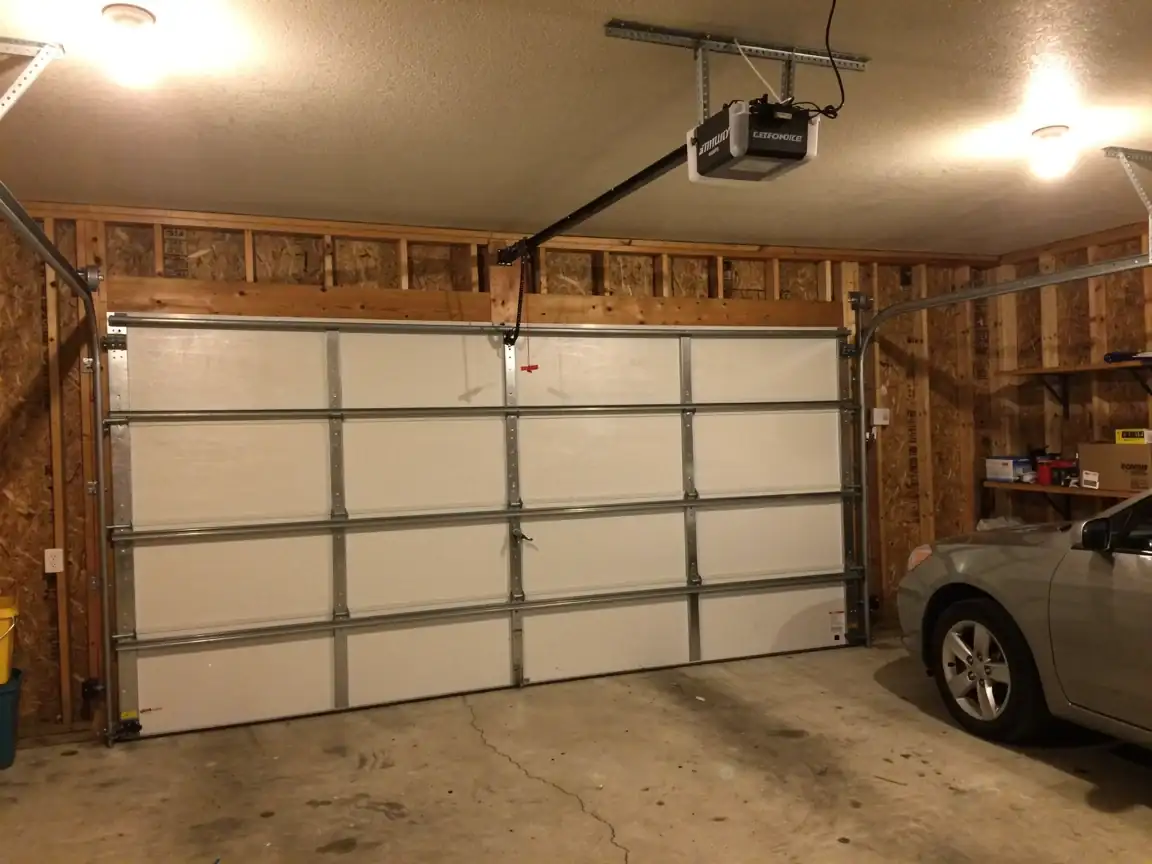
And a lot of the openers bolted to those ceiling joists have never been swapped out. That means chain-drive units with a single wall button, no keypad, no battery backup, and a logic board that's been quietly aging for four decades. When one of these finally quits, you're not looking at a quick fuse reset - the motor windings are done, the gear is stripped, or the circuit board has corroded from forty years of Gulf Coast humidity sitting in an unconditioned garage.
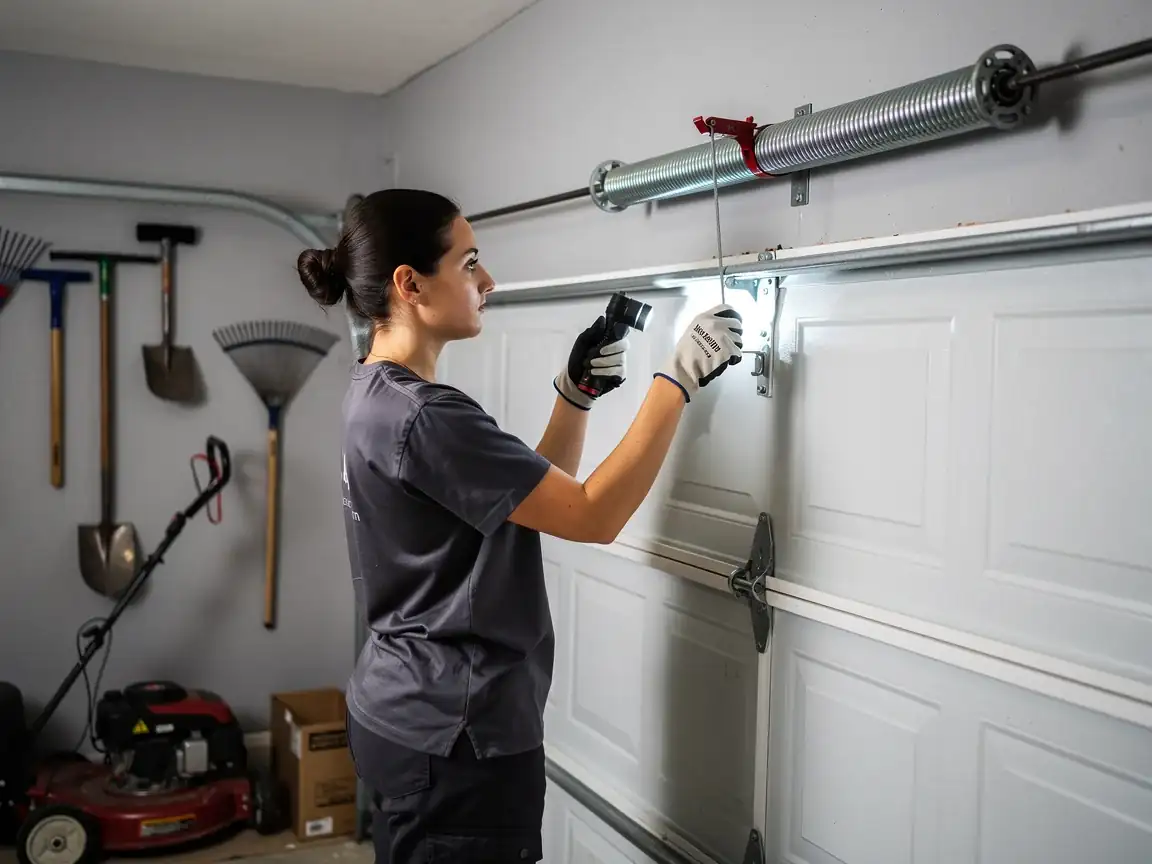
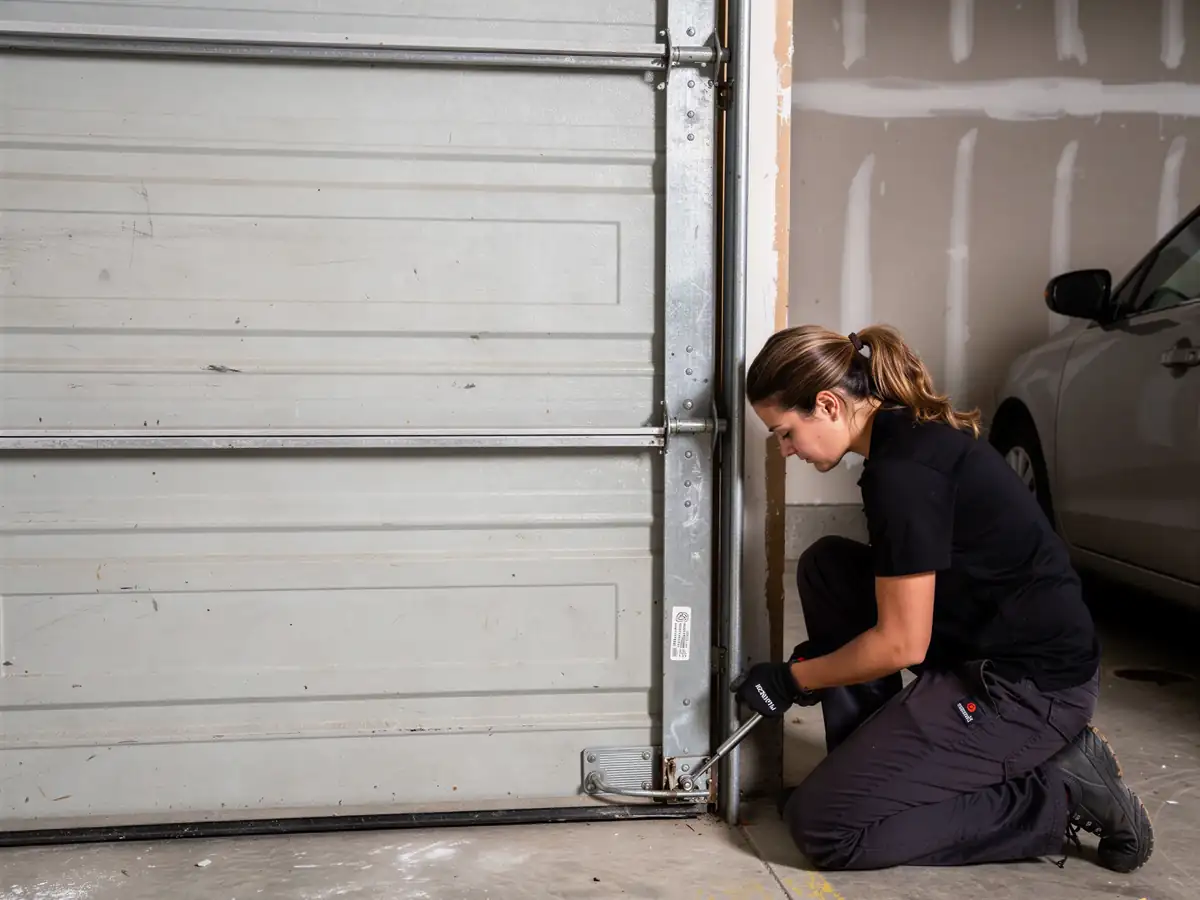
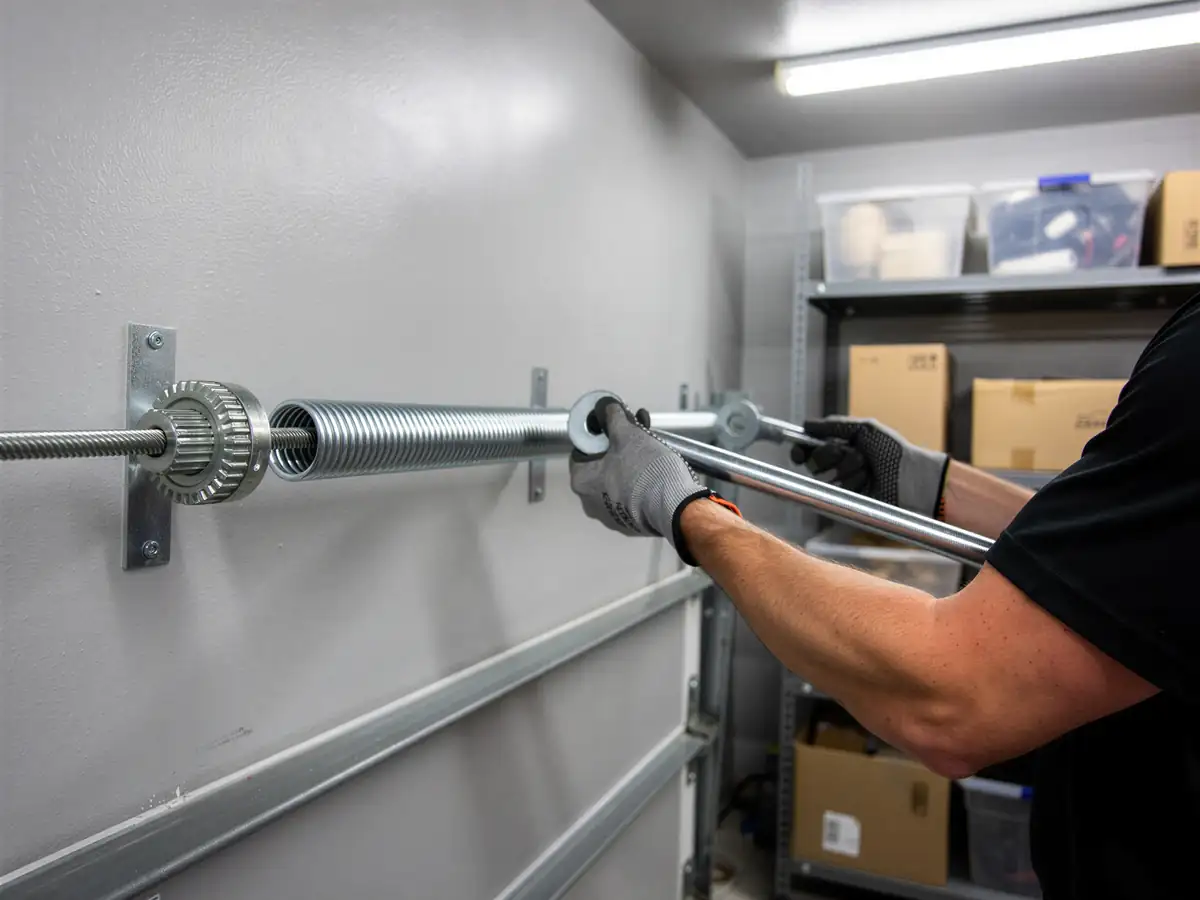
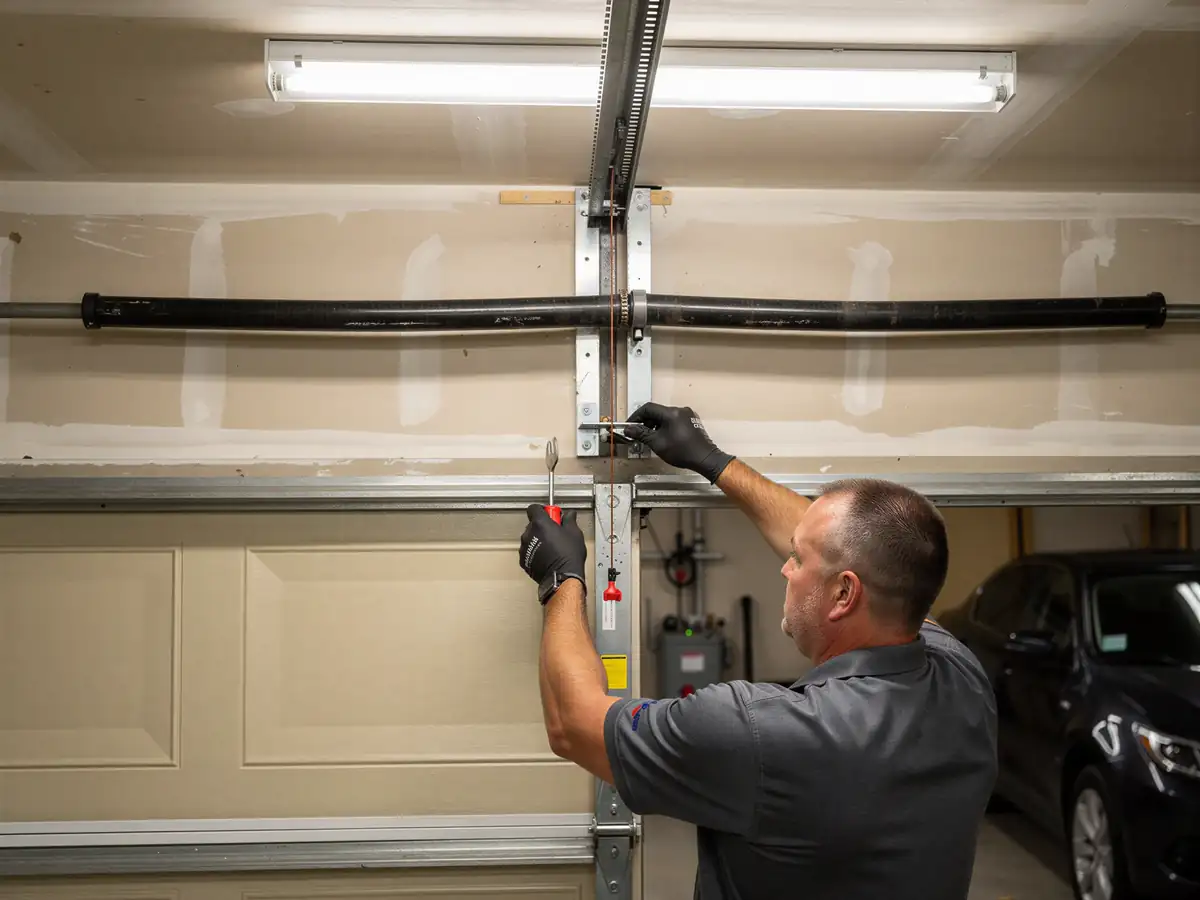
We pull the old unit down to the rail, check the track and spring setup it's been hanging on (older McGregor doors often still run their original torsion spring
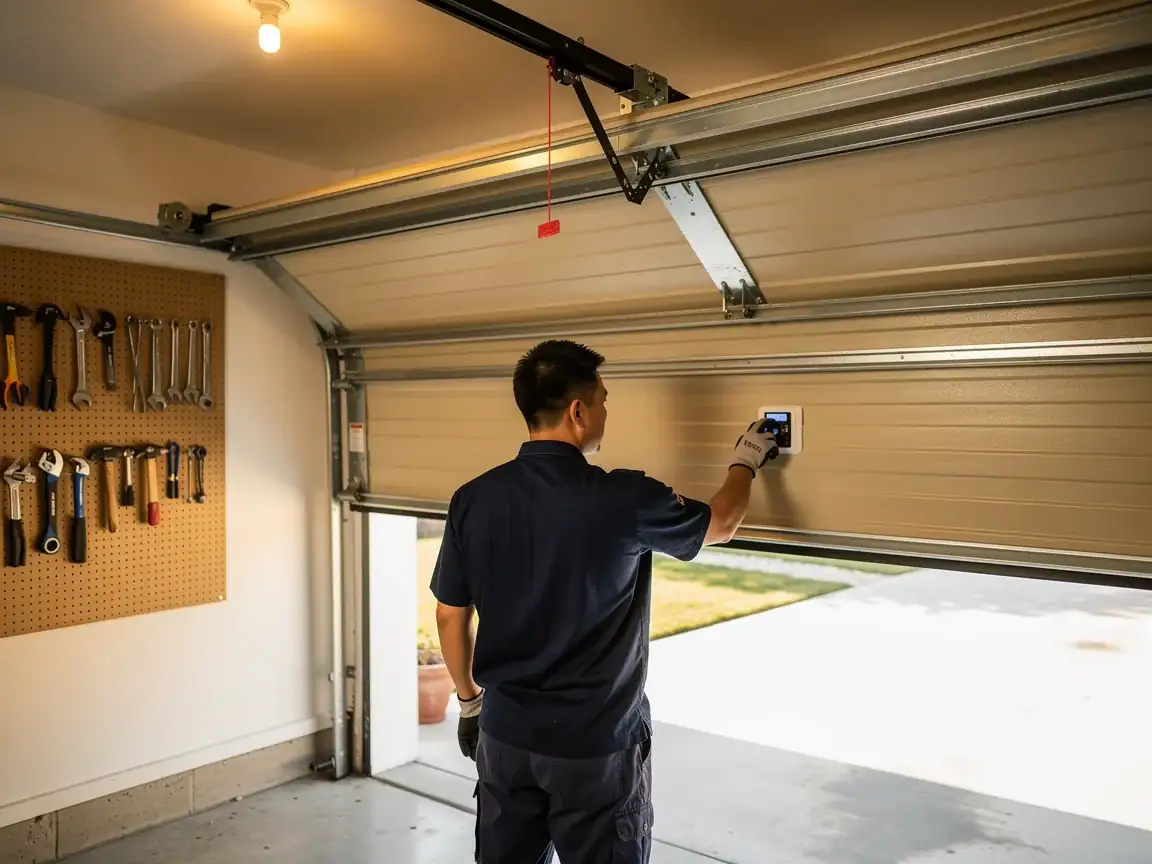
Which we inspect before we mount anything new), and install a new opener matched to the door's weight and size. We set the travel limits, dial in the force settings so the door doesn't slam or stall, and pair any remotes or keypads you want running. If the existing rail or header bracket is too far gone to reuse, we tell you before we start, not after we've billed for it.
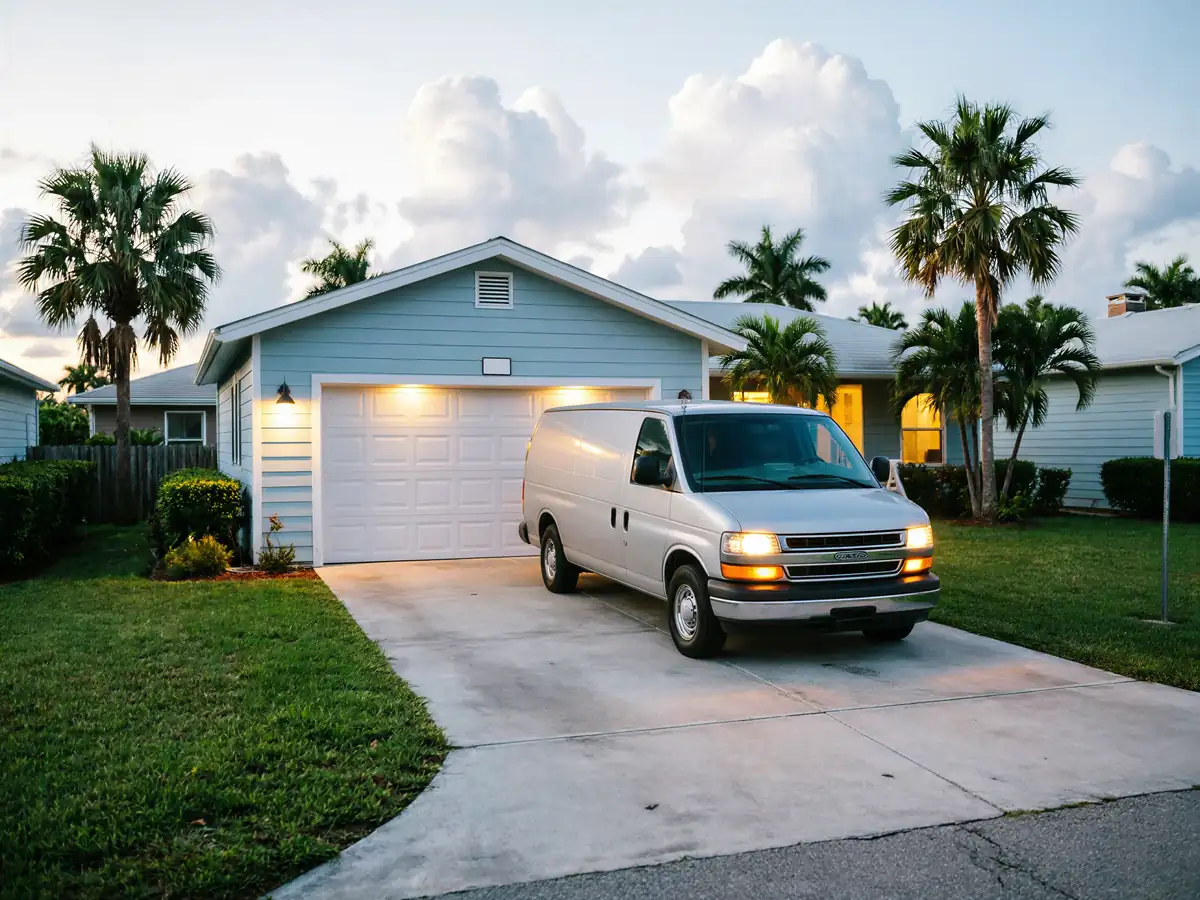
What Is on the Truck
We carry belt-drive and chain-drive openers in the sizes that fit McGregor's single and double door openings, along with the rail, mounting hardware, and wiring that goes with each. Because so much of this housing stock is original to the mid-1980s, we also keep header brackets and door-arm hardware on hand - the stuff that's rusted or cracked on a door that's been opening and closing since before most modern safety sensors existed.
We stock the photo-eye sensor kits that a lot of these older setups never had, along with wall consoles and keypads that replace single-button units from that era. What we don't carry is every obsolete proprietary remote from every opener brand ever sold - if your unit takes a remote nobody's made in twenty years, we'll tell you straight that replacing the opener is simpler than hunting down a part.
How to Book
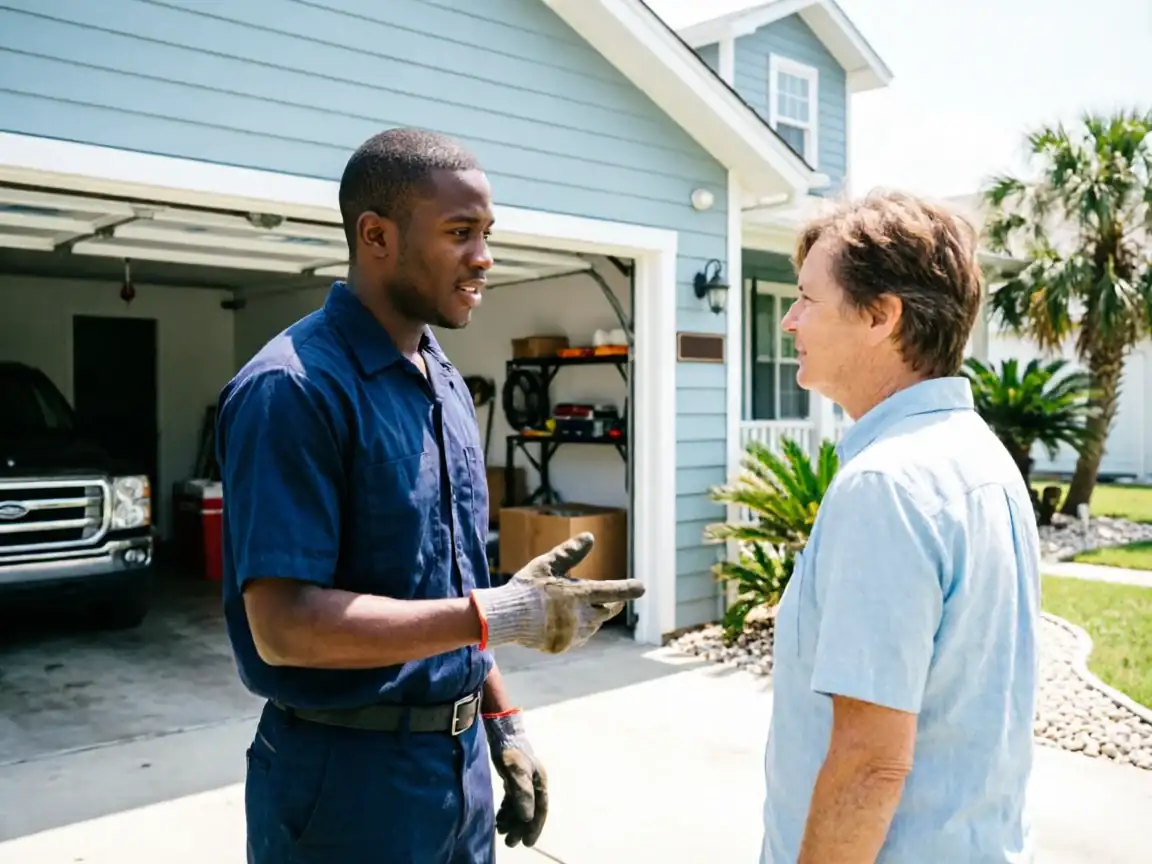
We run this job out of Estero, about 12 miles from McGregor, so we schedule the visit rather than drop by on a whim. Call and tell us the door size, whether it's single or double, and roughly how old the current opener is - if you know the house was built around 1984 and nothing's been swapped, say so, it changes what we load on the truck.
We'll ask a few questions about the ceiling height and whether there's power already run to the opener location, since that affects install time. If you're not sure, a photo of the garage interior helps more than a guess.
How It Shows Up
In McGregor, the failure usually isn't a dead motor out of nowhere
It's a chain that's been stretching for years finally jumping the sprocket, or a drive gear worn down from decades of use that nobody noticed because the door still opened, just slower and louder each year. On original 1984-era units, the first sign is often the door reversing for no reason, or the opener running but the door not moving at all.
The mild coastal climate here doesn't crack hardware the way freeze-thaw regions do
But it does work on the electronics - condensation and salt air corrode logic boards and relay contacts over time, especially in garages that aren't climate controlled. That's a slower failure than a snapped spring, but it ends the same way: an opener that needs replacing, not resetting.
What You Pay
We don't post opener pricing here because it depends on the unit, the door size, and whether we're reusing existing rail and wiring or replacing it. What we can tell you is that McGregor's housing stock - mostly built around 1984 with a median household income near $88,578 - means we see a mix of homeowners who want the cheapest reliable chain-drive replacement and others who'd rather pay once for a quieter belt-drive unit with battery backup and move on.
Either is a reasonable call. We'll quote both options on the visit so you're comparing real numbers for your door, not a number pulled off a website.
Where This Job Goes Sideways
The job gets harder when the opener failure is a symptom, not the problem. If the torsion spring on that original 1984 door is original too, it's outlived its design life by a wide margin, and hanging a brand-new opener on a door with a tired spring just means the new motor works twice as hard until it fails early too. We'll flag that before we install anything.
It also goes sideways when the header bracket or framing around the opener mount has rotted or cracked from age - not common, but we see it on houses that haven't had any garage work done since they were built. If that's the case, we fix the mount first. We won't bolt a new opener to a bracket that won't hold it, even if that means the job takes longer than you planned.