What Causes It Around Here
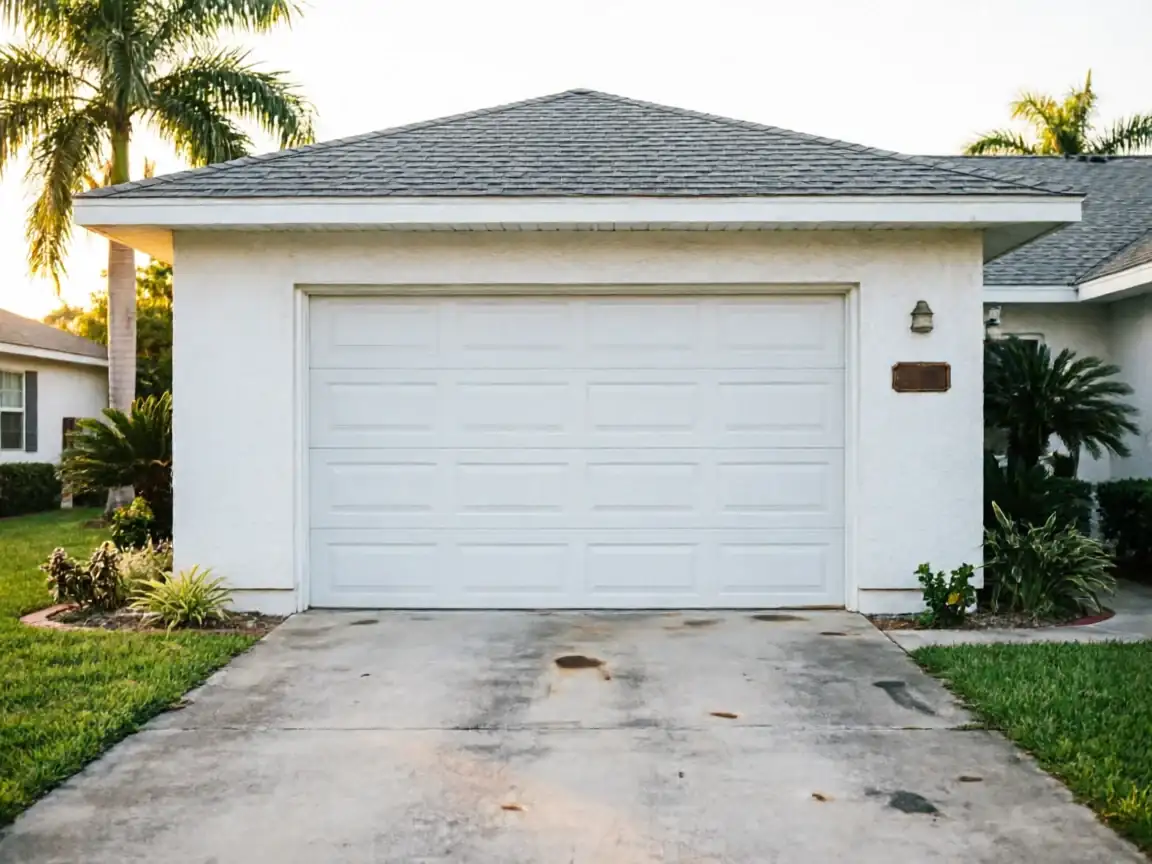
Most houses in this part of Estero went up between 1970 and 2006
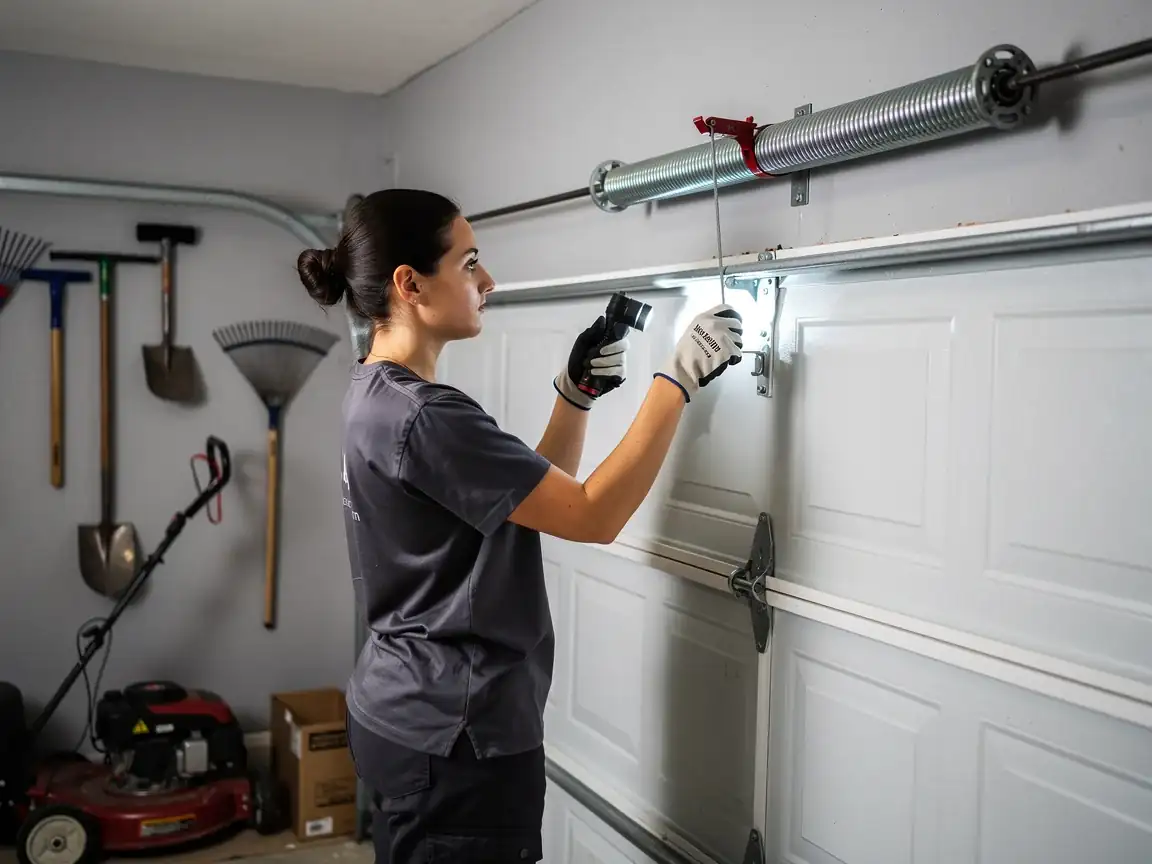
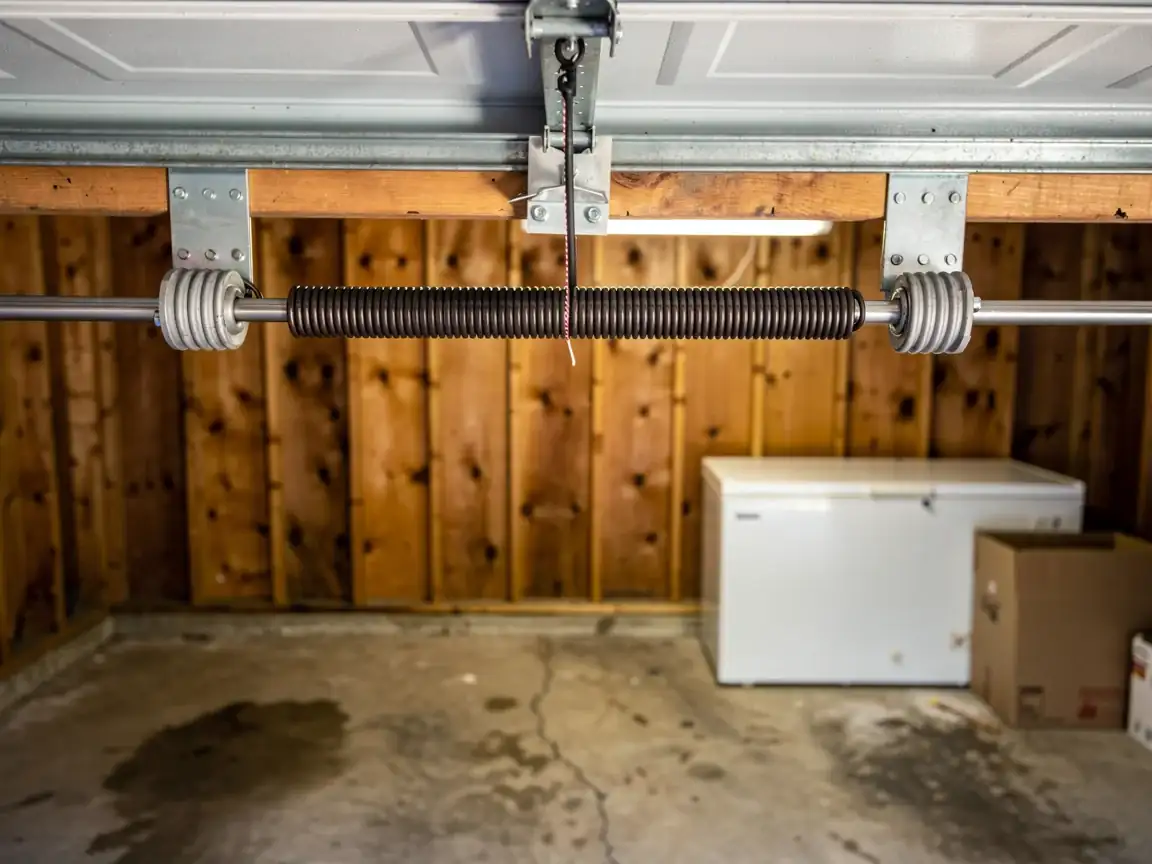
With the median build year sitting around 1986. That matters because torsion springs are rated for a set number of open-close cycles, usually somewhere between 7 and 12 years of normal use, and a lot of the springs still hanging over garage doors here are original to construction. They're thirty to forty years past where they should have been swapped out.
- 12 years
It isn't just Estero proper
Twenty named areas within a few miles share that same 1980s and '90s builder-grade stock - Three Oaks, San Carlos Park, and the rest of the list went up in the same building wave, with the same contractors likely running the same spring and opener models through dozens of houses at a time.
Our mild temperate climate actually works in homeowners' favor in one way
We don't get the hard freeze-thaw cycling that snaps brittle steel up north. But thirty years of daily heat cycling still does its own damage - paint fades, thin steel panels warp slightly at the seams, and nylon rollers that were fine in year ten start binding and cracking by year thirty. The climate is gentler here, but it isn't doing nothing.
What You Pay
We don't post a flat rate here because the honest answer depends on what's actually broken - a single roller swap and a full torsion spring replacement on a double door are not the same job, and anyone who quotes you one price before seeing the door is guessing. What we can tell you is how the area shapes the decision: median household income here runs $92,575, which is a big part of why more owners choose a clean opener or spring replacement over stacking patch repairs on a system that's already near the end of its builder-grade life.
We'll also tell you when replacement beats repair outright. If a door is original to a house built in the 1980s or '90s and the spring goes, we're not going to sell you a spring-only fix and send you on your way if the rollers, cables, and hinges are all the same age and all showing the same wear. That's a repair that comes back in eight months. We'd rather tell you the truth on the first visit than the second one.
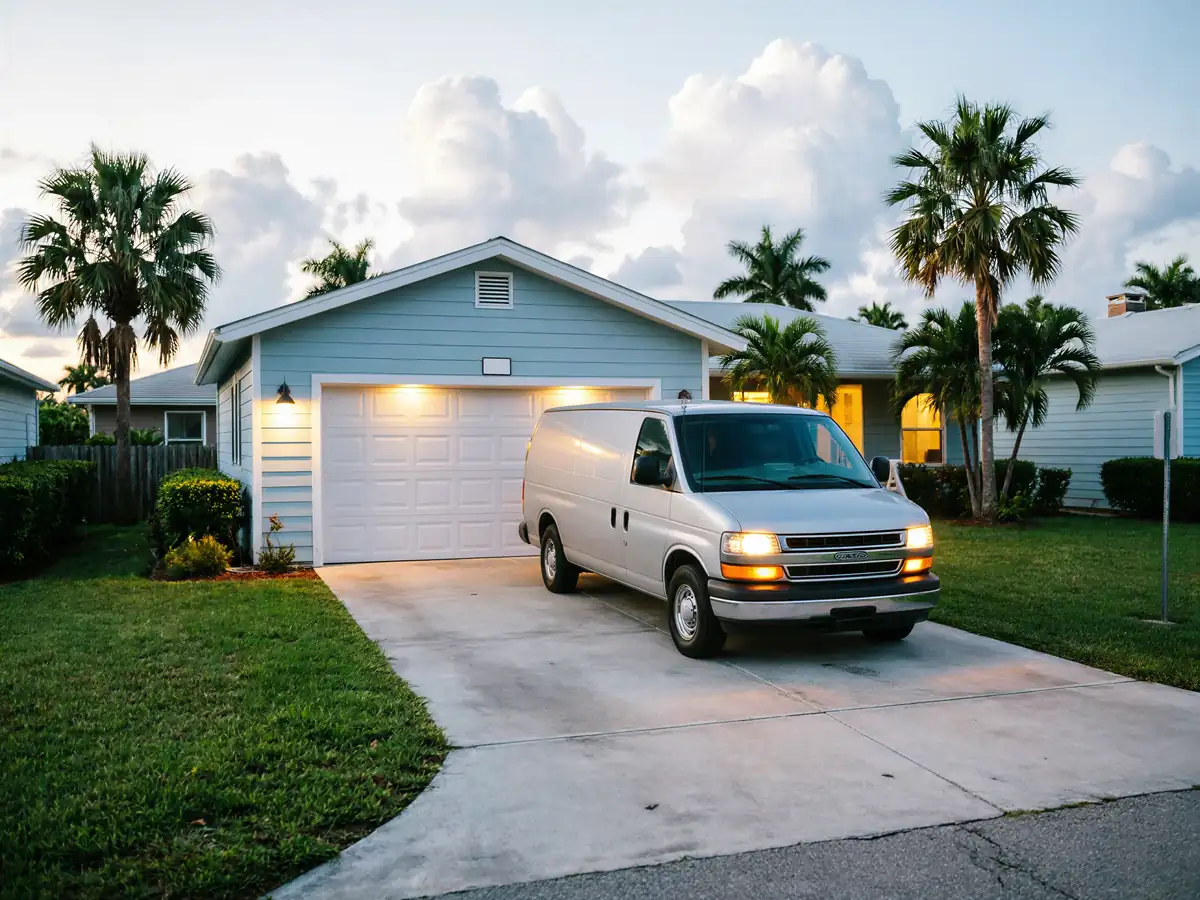
What Is on the Truck
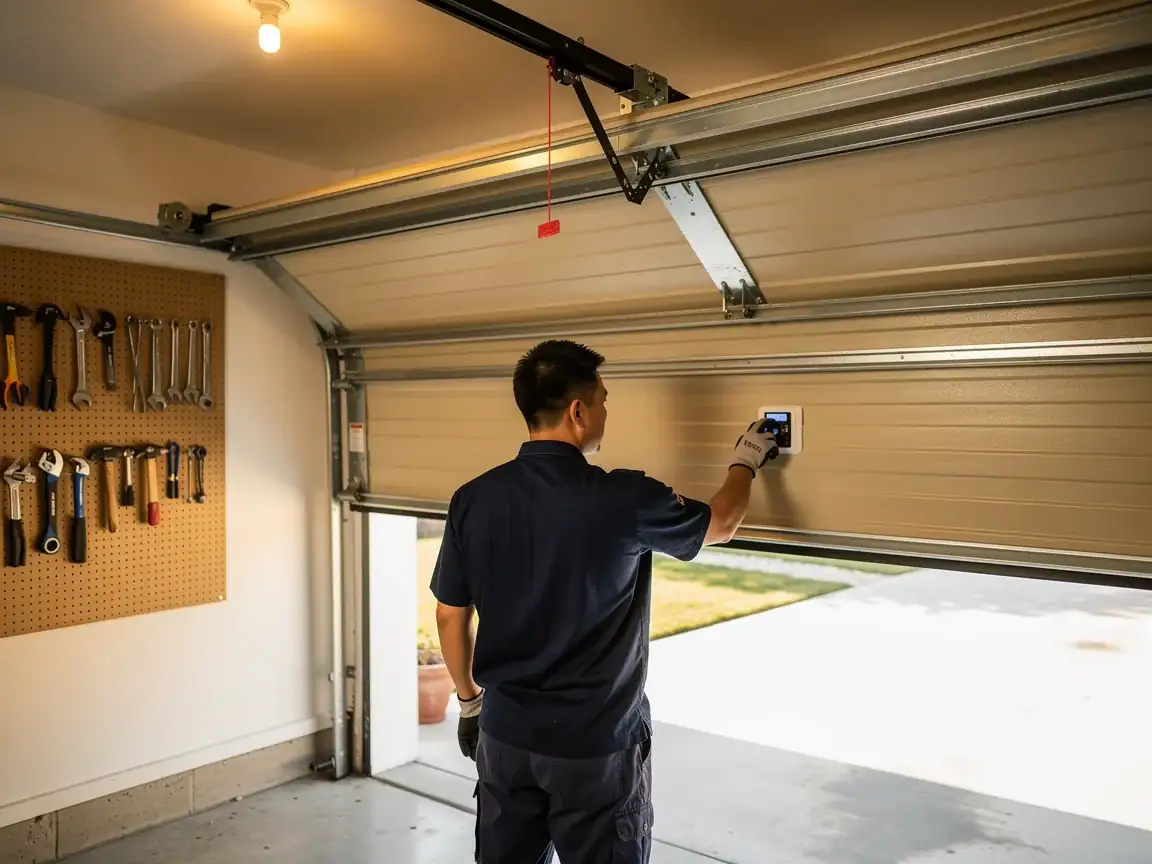
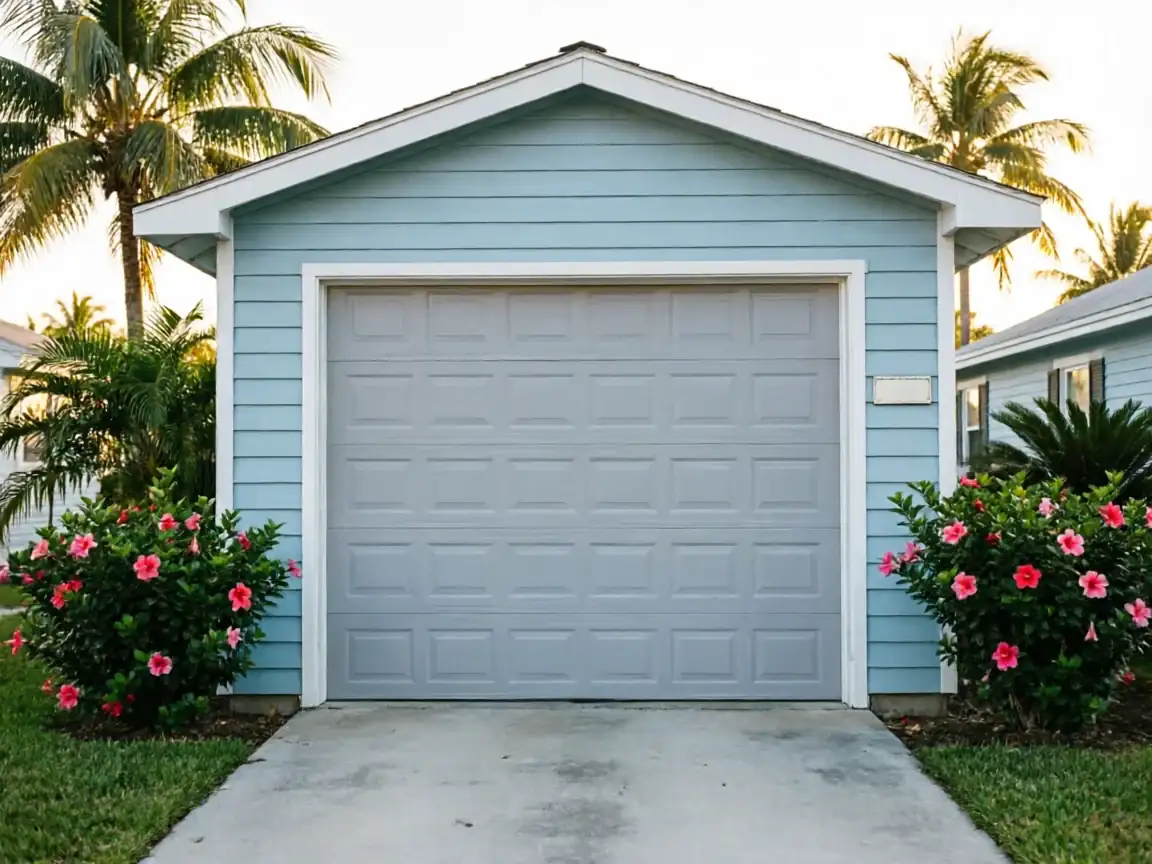
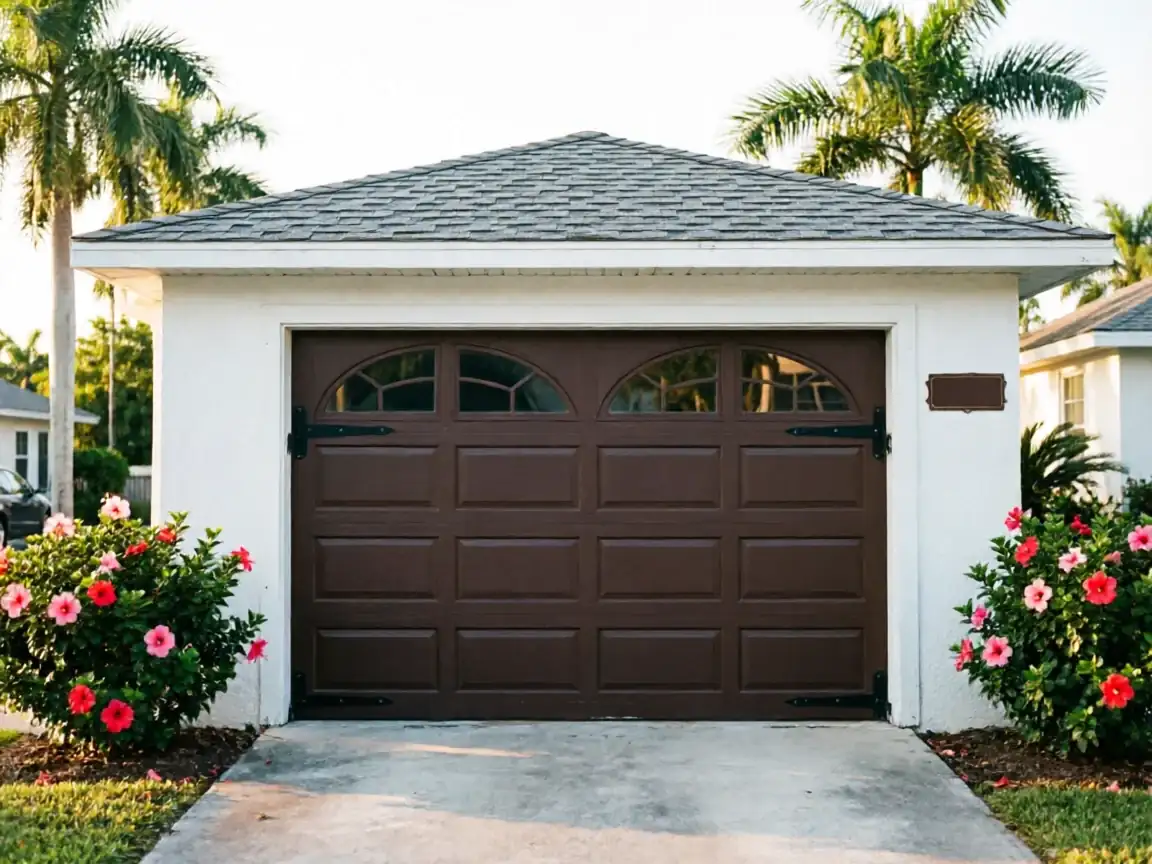
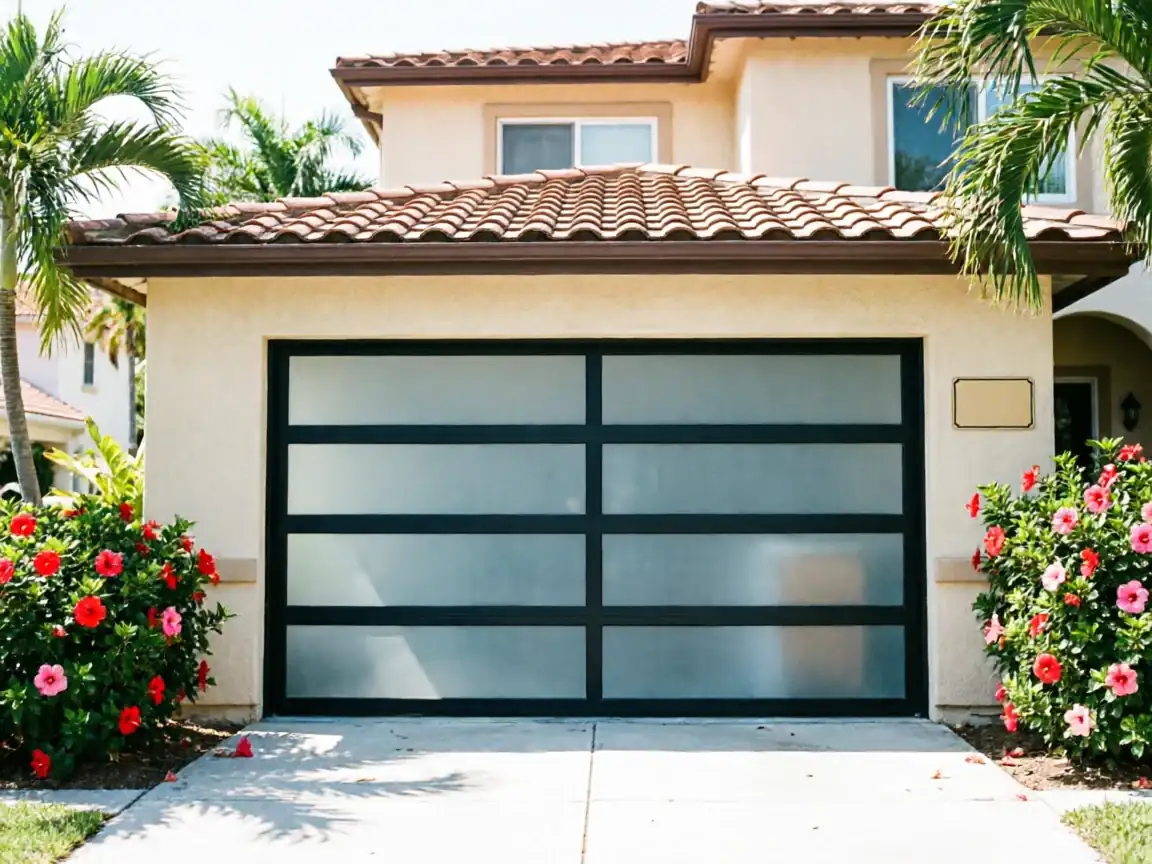
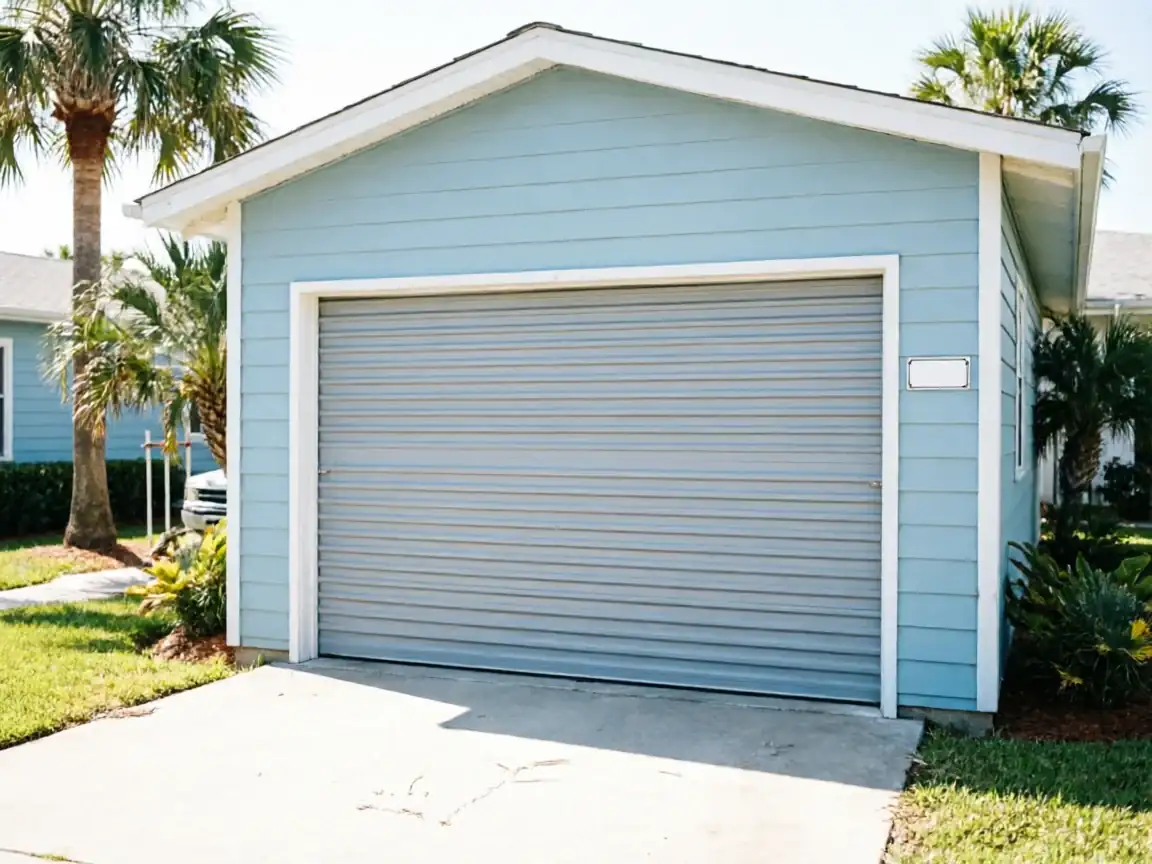
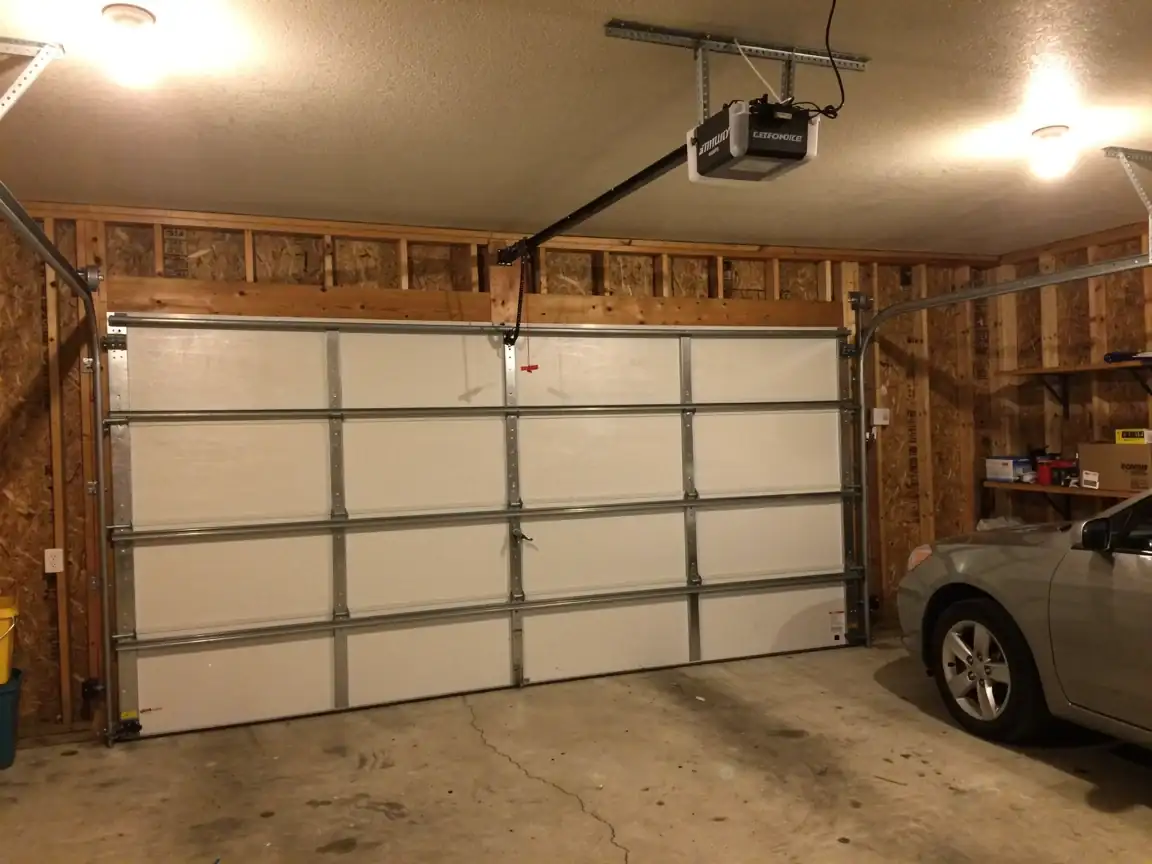
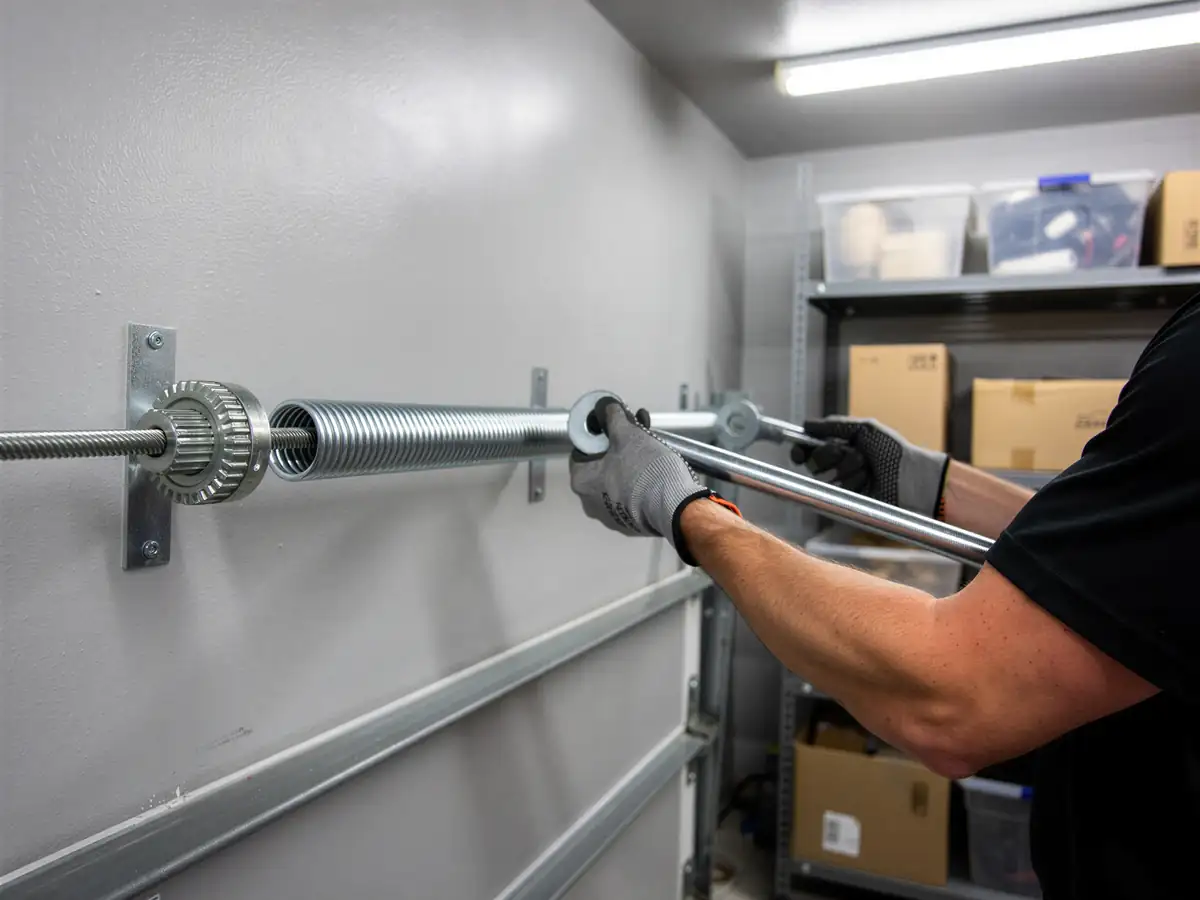
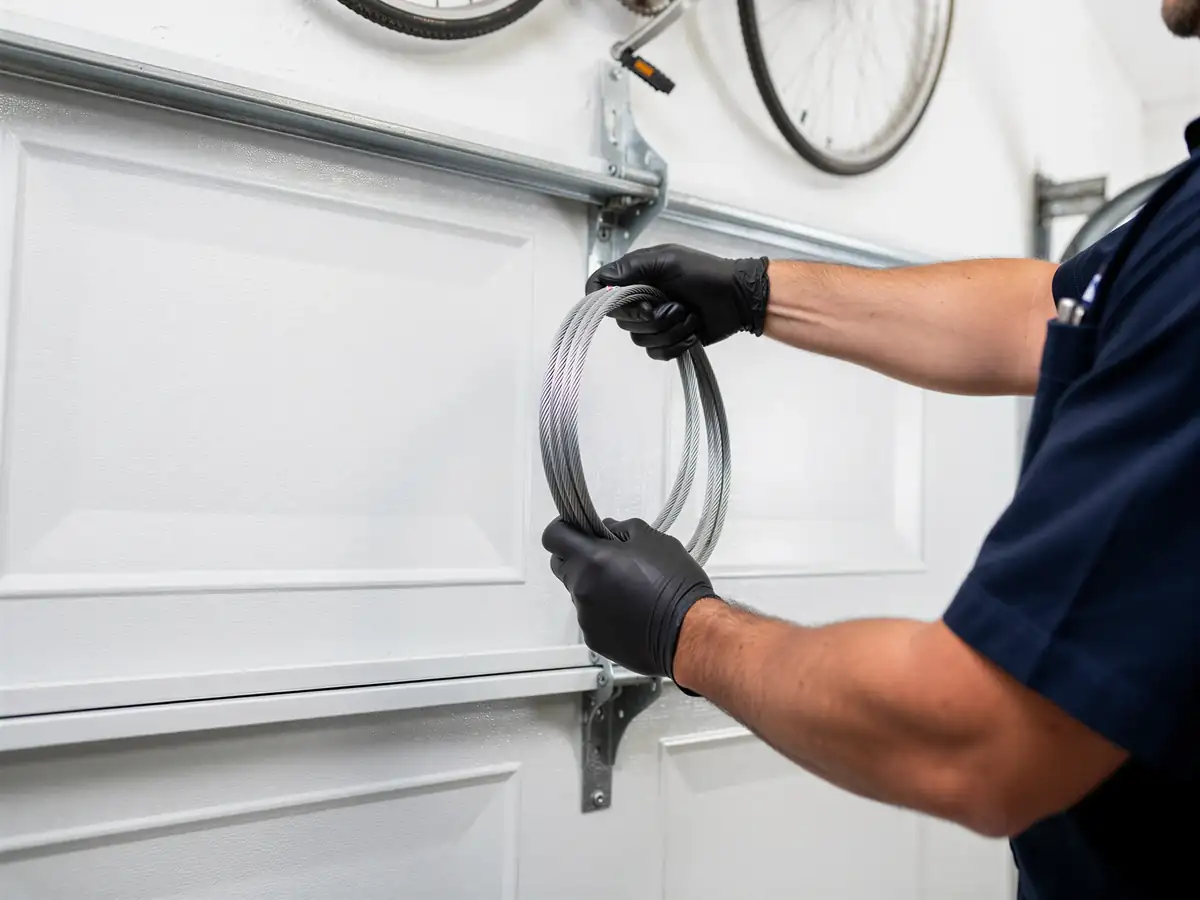
Because so much of the housing stock in and around Estero dates to the same 1970-2006 window, with the bulk of it built in the 1980s and '90s, our truck is stocked for those exact spring sizes, track widths, and opener drive types rather than guessing at whatever's newest on the shelf. Torsion springs in the common residential diameters, extension springs for the older setups that still use them, rollers, cables, hinges, and the sensors and drive gears that fail most often in chain and belt openers from that era.
Here's the honest limitation: if your door panel itself is an older, discontinued builder profile or color, matching it exactly can mean a special order and a wait, since manufacturers don't keep every late-80s panel style in current production. We carry what covers the vast majority of calls in this service area. What we can't carry is a part nobody makes anymore - in that case we'll tell you straight whether it's worth sourcing or worth replacing the section instead.
How It Shows Up
The most common call we get is a door that won't move at all
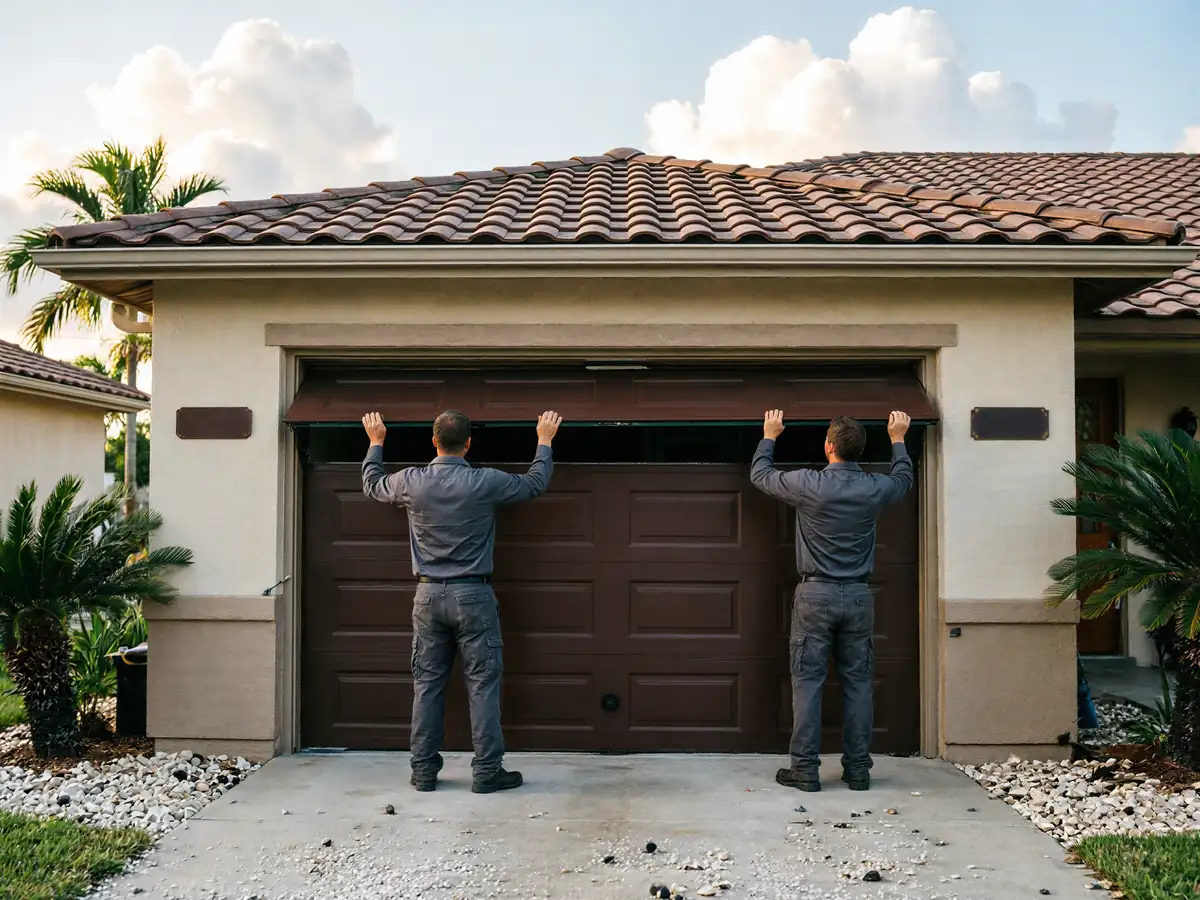
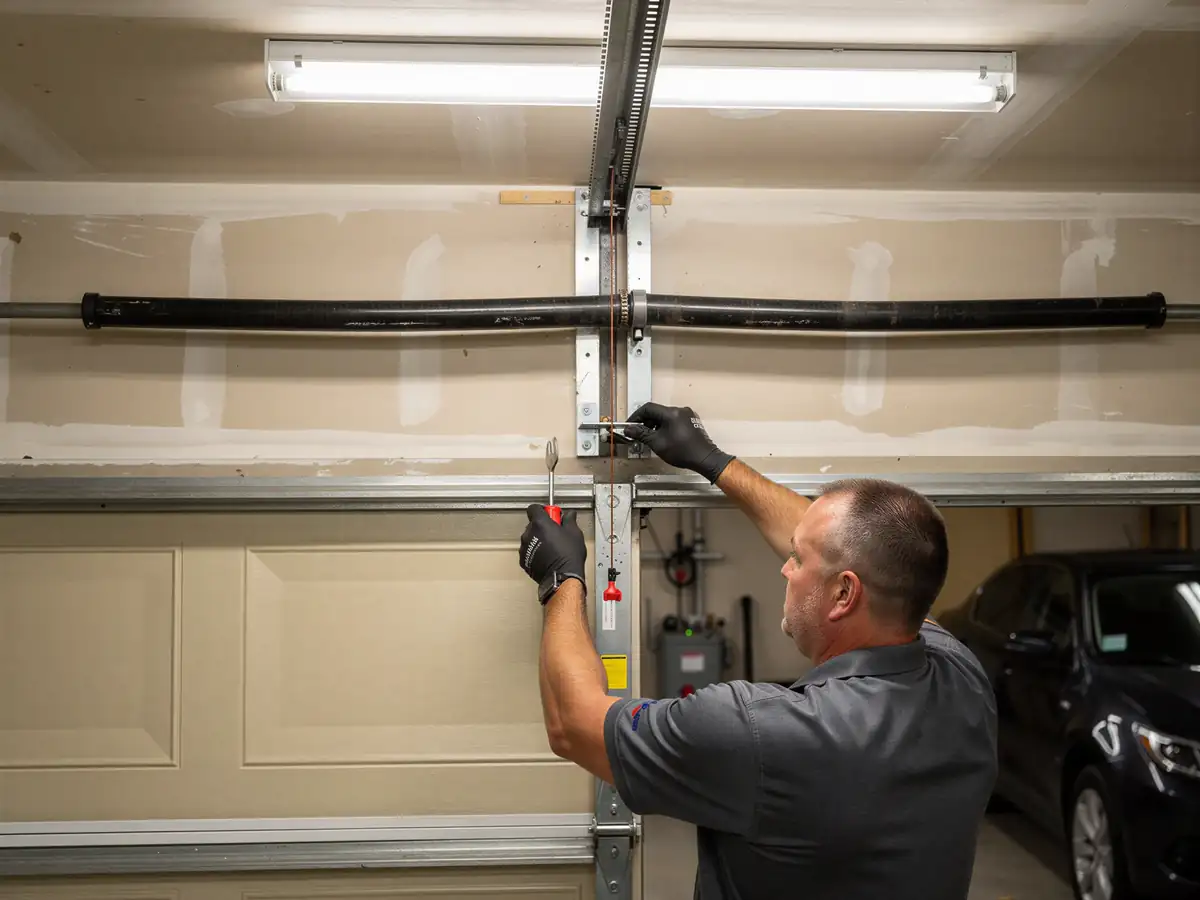
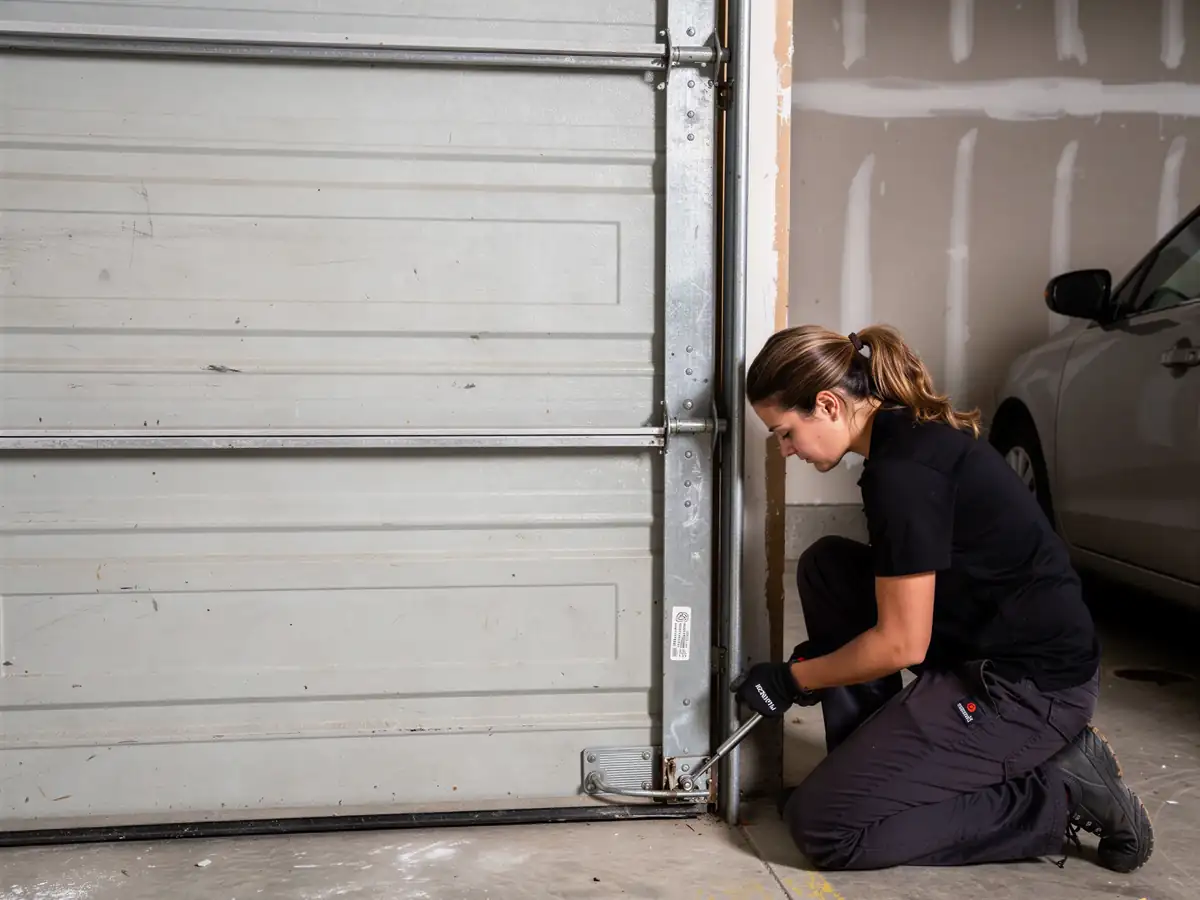
Paired with a loud bang from the garage sometime before - that's almost always a torsion spring letting go, and on a house with 1980s or '90s original hardware, it's not a surprise, it's overdue. Close behind that: a door that reverses itself partway up, or an opener that grinds and strains without actually lifting the door. Both usually point to a spring that's lost tension gradually rather than snapped outright, which is common in doors this age since the steel has been cycling for three decades already.
You'll also see doors that visibly sag on one side
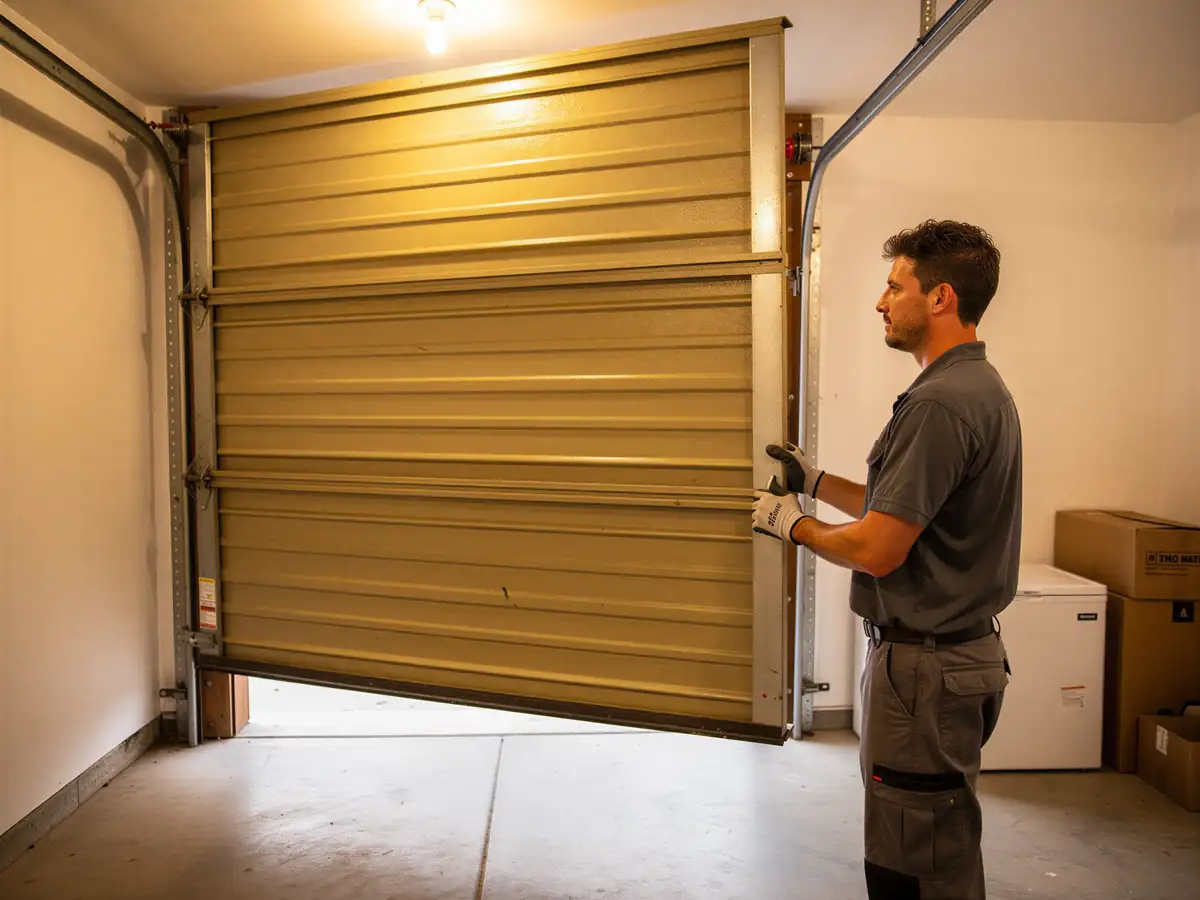
Or rollers that have worked their way partly out of the track - again, wear that shows up right on schedule in the owner-occupied houses that make up the bulk of this area's housing. If your door is making noise it didn't used to make, that's the system telling you it's near the end of its original life, not a fluke.