How We Fix It
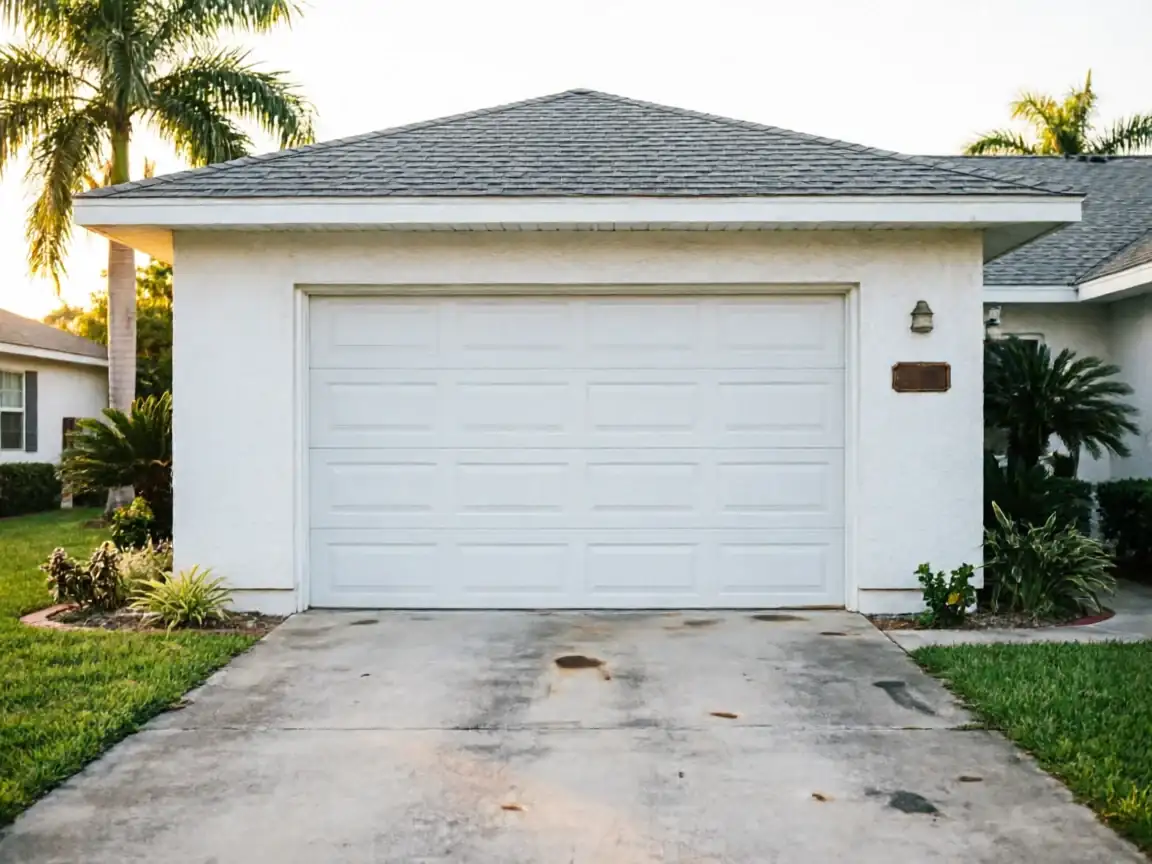
McGregor's housing stock centers on 1984
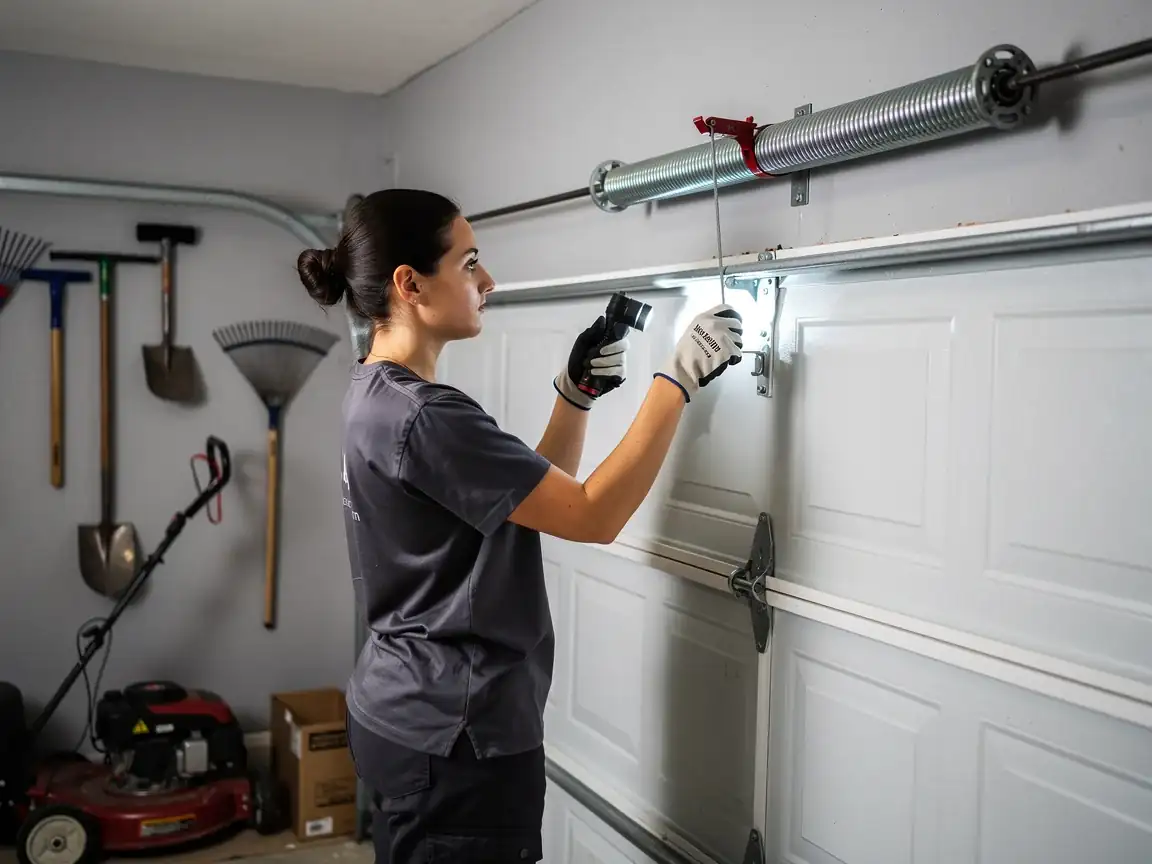
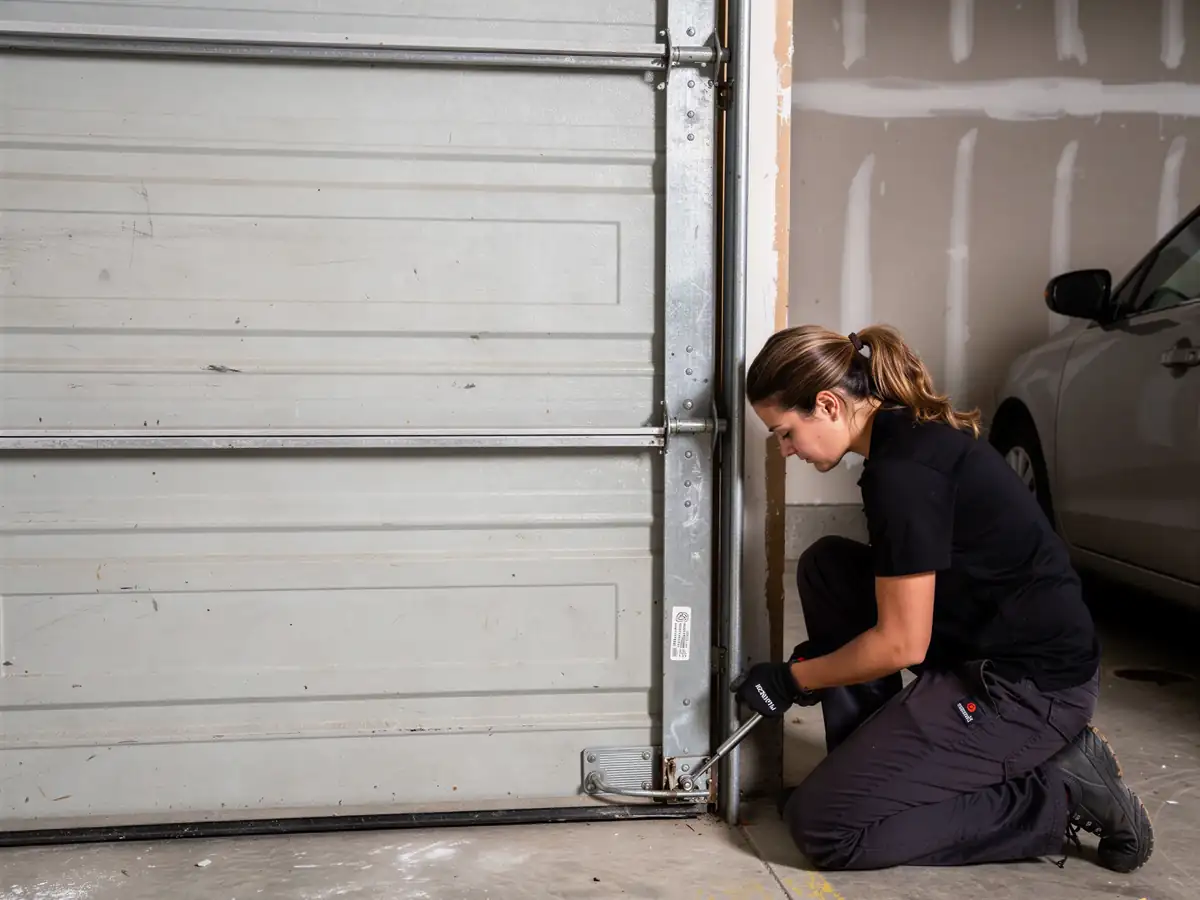
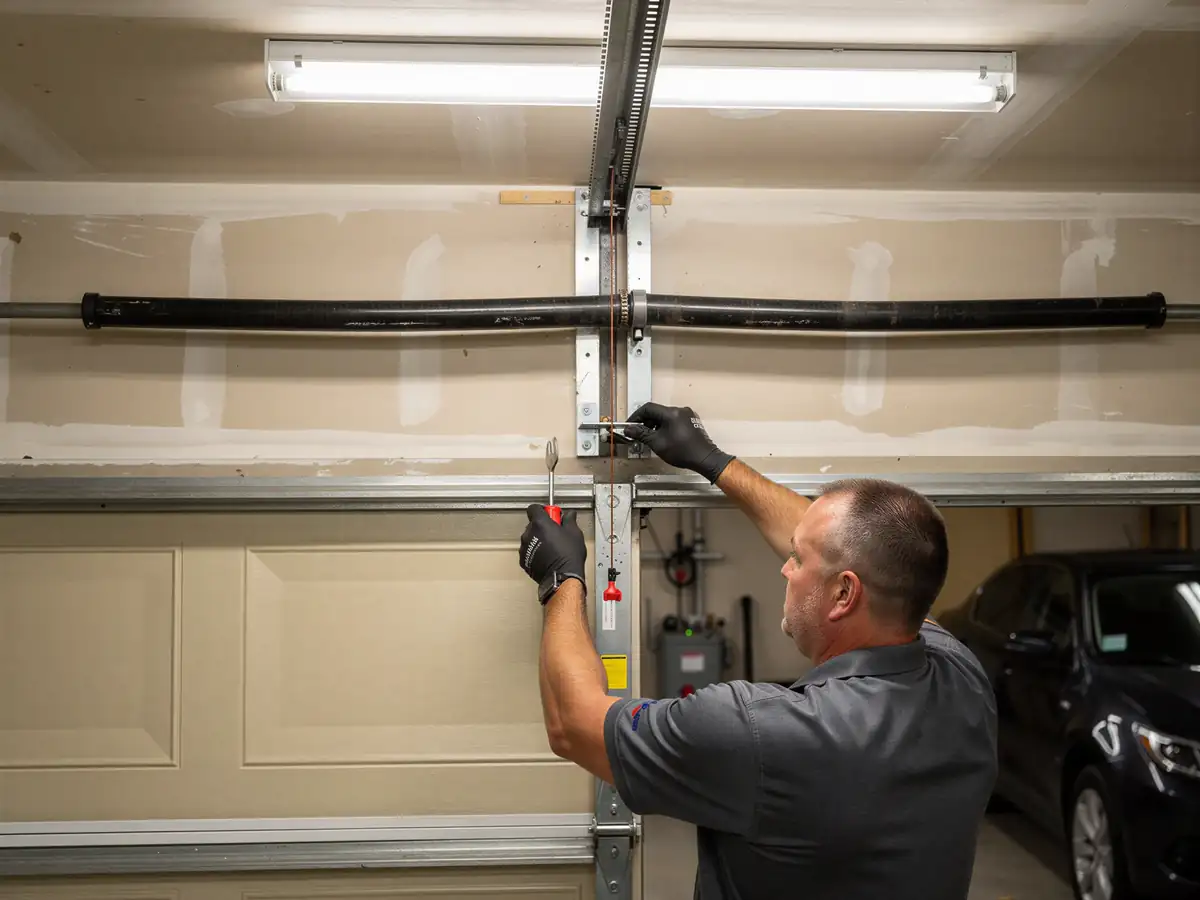
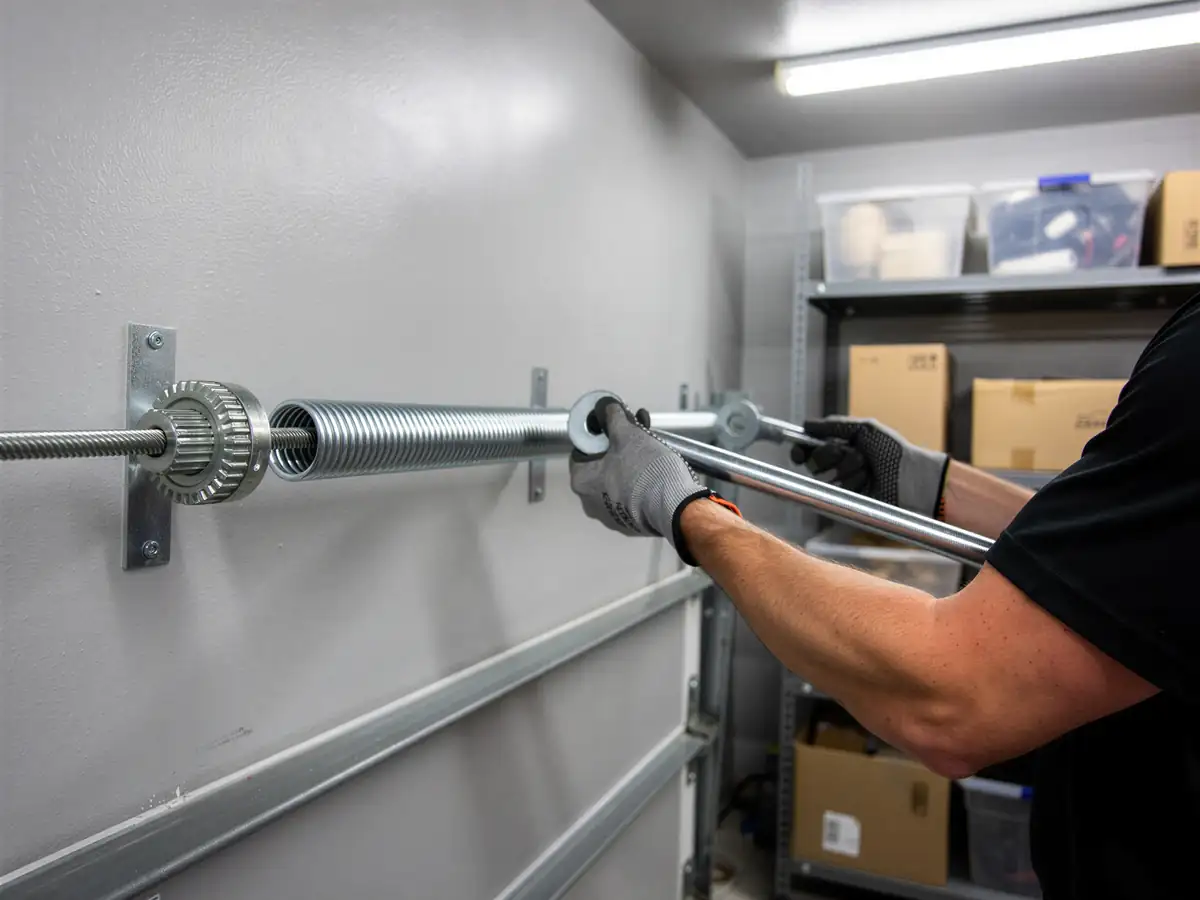
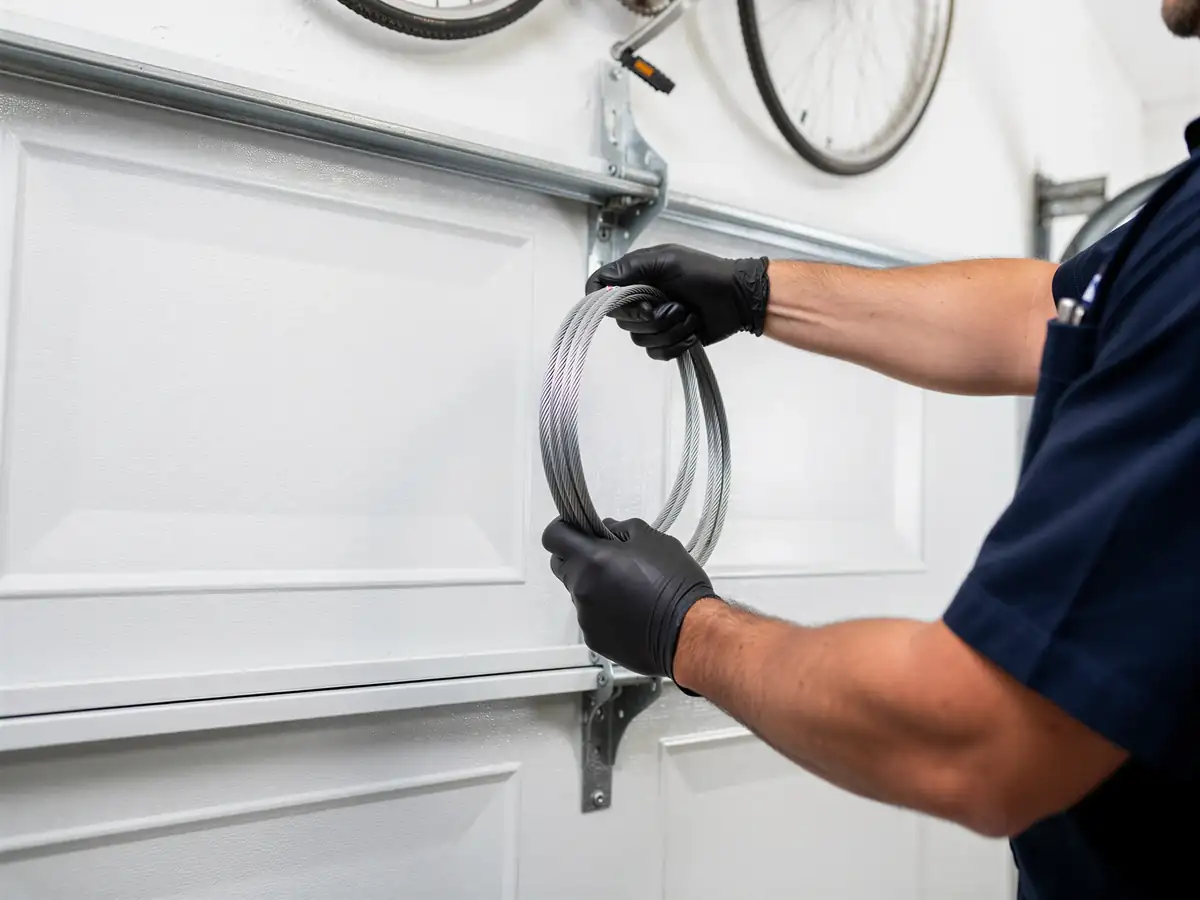
A touch older than the 1986 median across the rest of the Estero service area covered under F1. That few years matters on a broken-spring call: openers and torsion springs installed in the mid-80s are past their second or even third replacement cycle by now, and a lot of them were swapped out with whatever hardware was on the truck at the time, not matched to the original door. So the first thing we do on an emergency call out here isn't grab a stock spring size off the shelf - it's measure the drum, the cable gauge, and the wind direction on-site, because guessing on a house this age means a second trip.
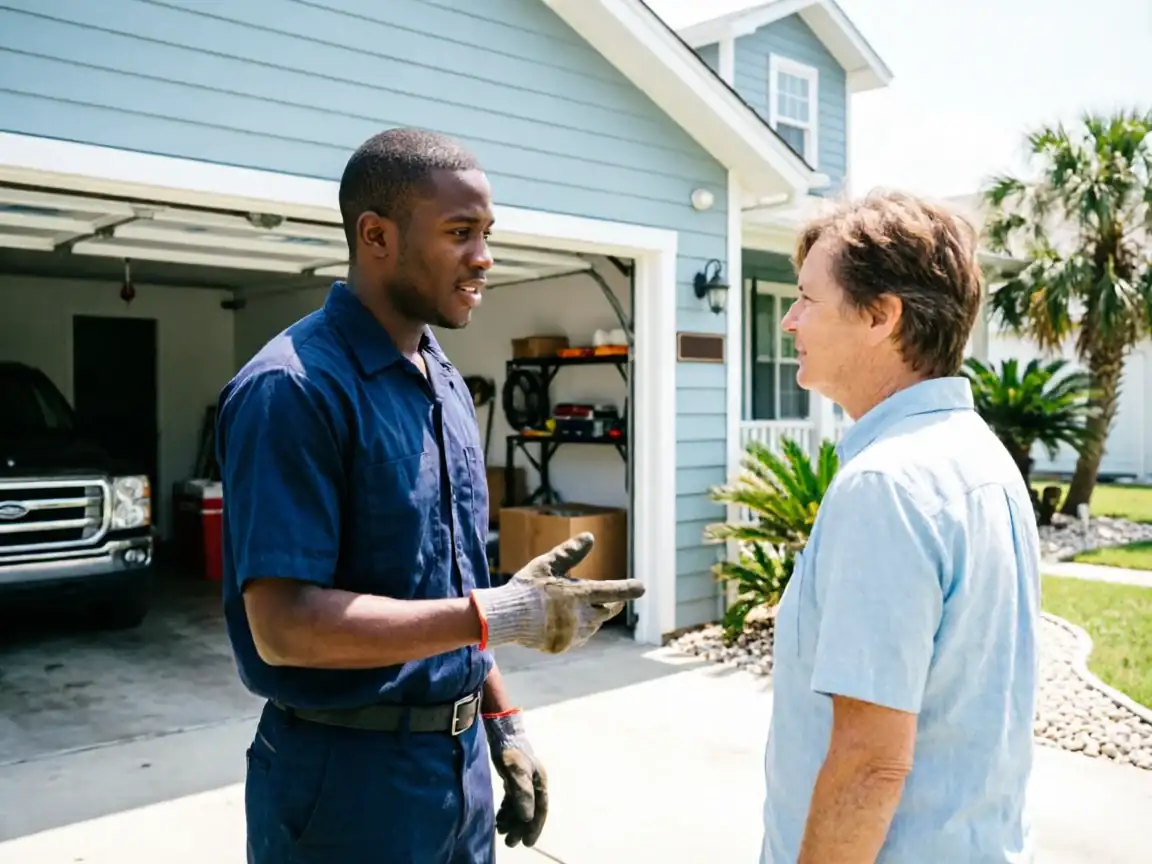
We travel the 12 miles out from Estero for every call in McGregor
There's no branch location here, so we come prepped. On a broken spring or a cable that's jumped the drum, that means the right spring pair already loaded rather than hoping the house matches what's common closer to home. The mild coastal climate doesn't put the same stress on hardware that freeze-thaw regions see, which is part of why original torsion setups from the 80s are still running in some of these garages - worn, not rusted through, which usually means repairable rather than a full teardown.
- 12 miles
What Is on the Truck
Because McGregor skews a few years older than the service-area median, we carry torsion springs in the wind and cable sizes that matched standard builder-grade doors from the mid-1980s, not just the newer high-cycle springs that cover houses built after 2000. We also carry drums and end bearing plates in older bolt patterns - the kind that get phased out of current catalogs but still show up on a house built in 1984.
What we don't carry is custom-width door panels. If a section on a door this age is cracked or dented beyond a patch, that's a parts-order situation, not a same-visit fix, and we'll tell you that on the spot rather than stretch a repair that won't hold. Openers get the same treatment - chain-drive units from this era often just need a new logic board or sprocket, but if the motor housing itself has failed, replacement is usually cheaper than chasing discontinued parts.
How to Book
Call it in and tell us it's McGregor - we'll ask the door's approximate age before we load the truck, since the gap between a 1984 build and anything put in during a later remodel changes which springs and drums we bring. We're dispatching from Estero, 12 miles out, so there's no local branch to route the call through; it comes straight to the same crew that covers the rest of the service area.
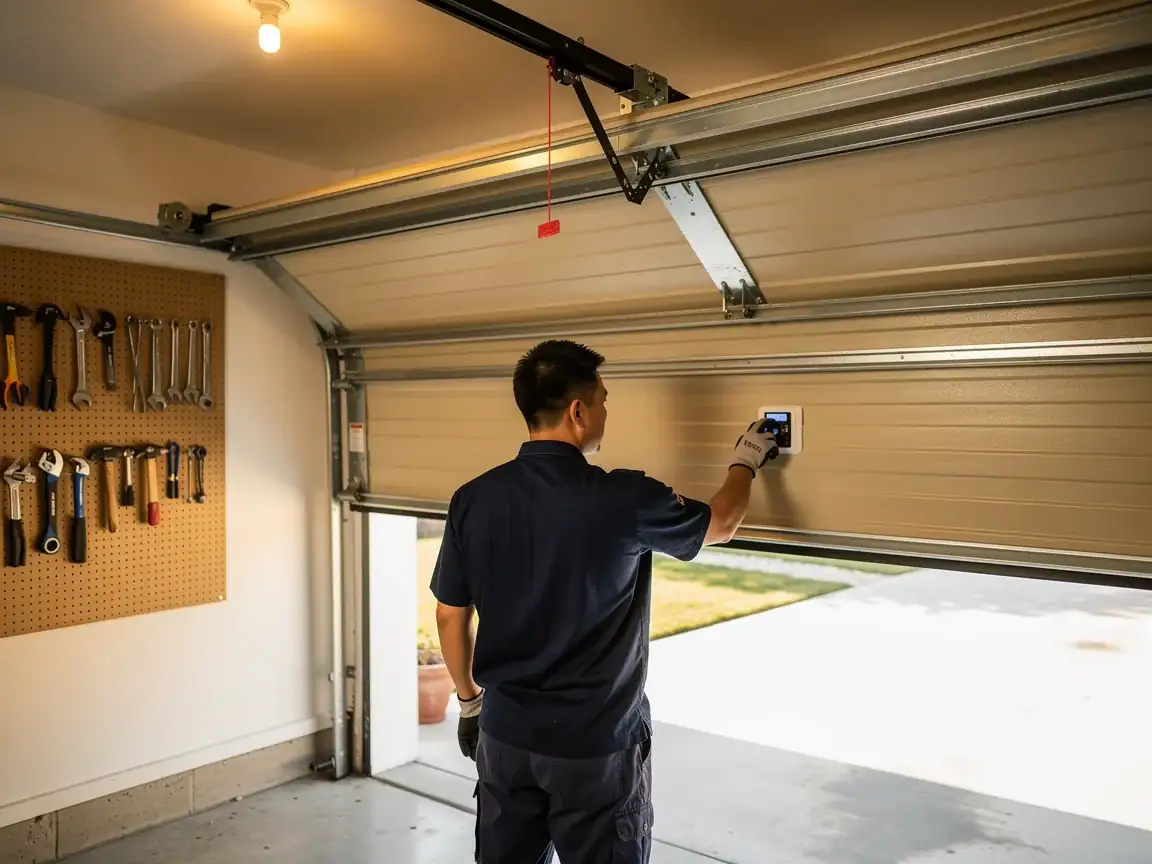
If you can, have the model plate on the opener motor ready when we call back to confirm - most houses out here still have the original unit or a direct same-era swap, and that one detail saves a wasted trip for the wrong chain or belt kit.
How It Shows Up
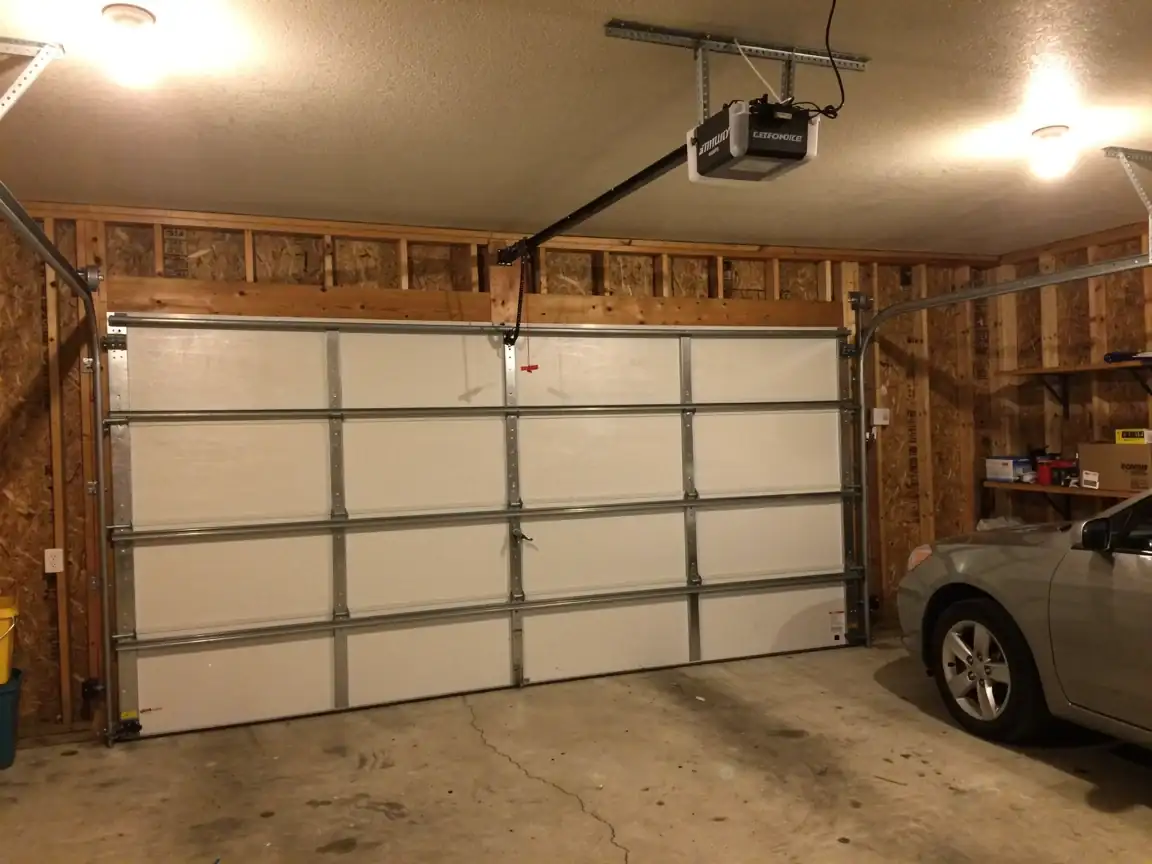
On a torsion spring from this era, the tell is usually a loud bang from the garage followed by a door that won't lift past a few inches
Or lifts unevenly on one side. On a cable, it's a door that drops fast partway down instead of closing smooth. Both are common on houses built around 1984 because the original hardware is finally reaching the end of its cycle count, not because anything was installed wrong.
Openers in McGregor more often fail at the circuit board or the drive gear than the motor itself
Again, a function of age rather than misuse. If the door only responds to the wall button and not the remote, that's almost always the receiver board, and it's a part we carry rather than order.
What You Pay
We don't have a posted price list for this page, and quoting a number without seeing the door and spring size would be a guess, not a fact. What we can say is that the age of McGregor's housing stock tends to push jobs toward spring and cable repair rather than full door replacement - the doors themselves are usually structurally fine, it's the moving hardware that's worn out. That's a cheaper call than a full teardown, but the exact number depends on spring size, drum pattern, and whether the opener board needs replacing alongside it.
Where This Job Goes Sideways
The honest limitation: if a McGregor door has had multiple past repairs with mismatched hardware - a newer cable on an old drum, or a spring pair that doesn't match the door weight - a same-visit fix can turn into a return trip once we see what's actually behind the panel. We'd rather tell you that up front than promise a one-call fix we can't back up.
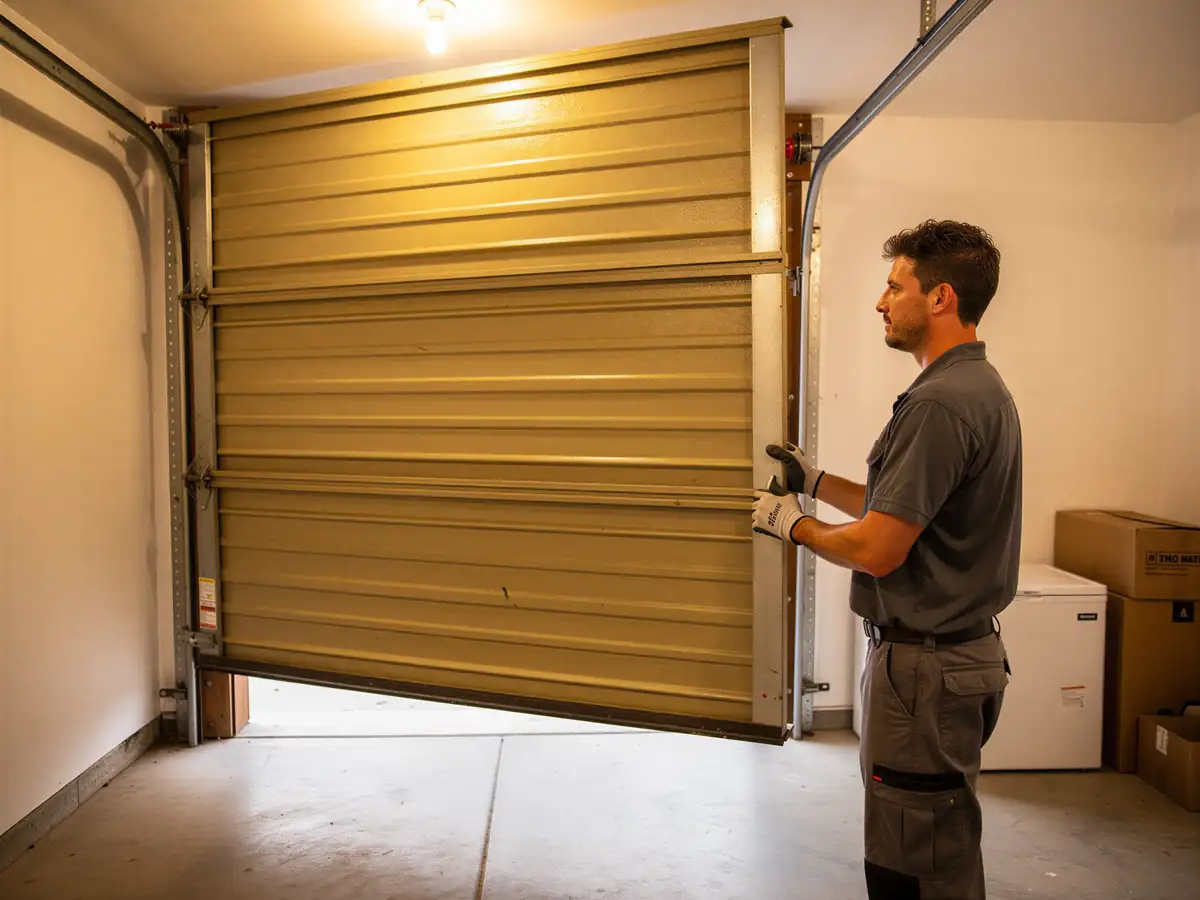
The other place it goes sideways is panel damage. A cracked or dented section on a door this age usually isn't a stock part anymore, and ordering a custom match can take longer than the emergency itself. In that case we'll get the door safe and operable first - spring and cable sound, opener running - and talk replacement timeline separately rather than leave you waiting on a part before the door even closes.