The Split Between Old and New
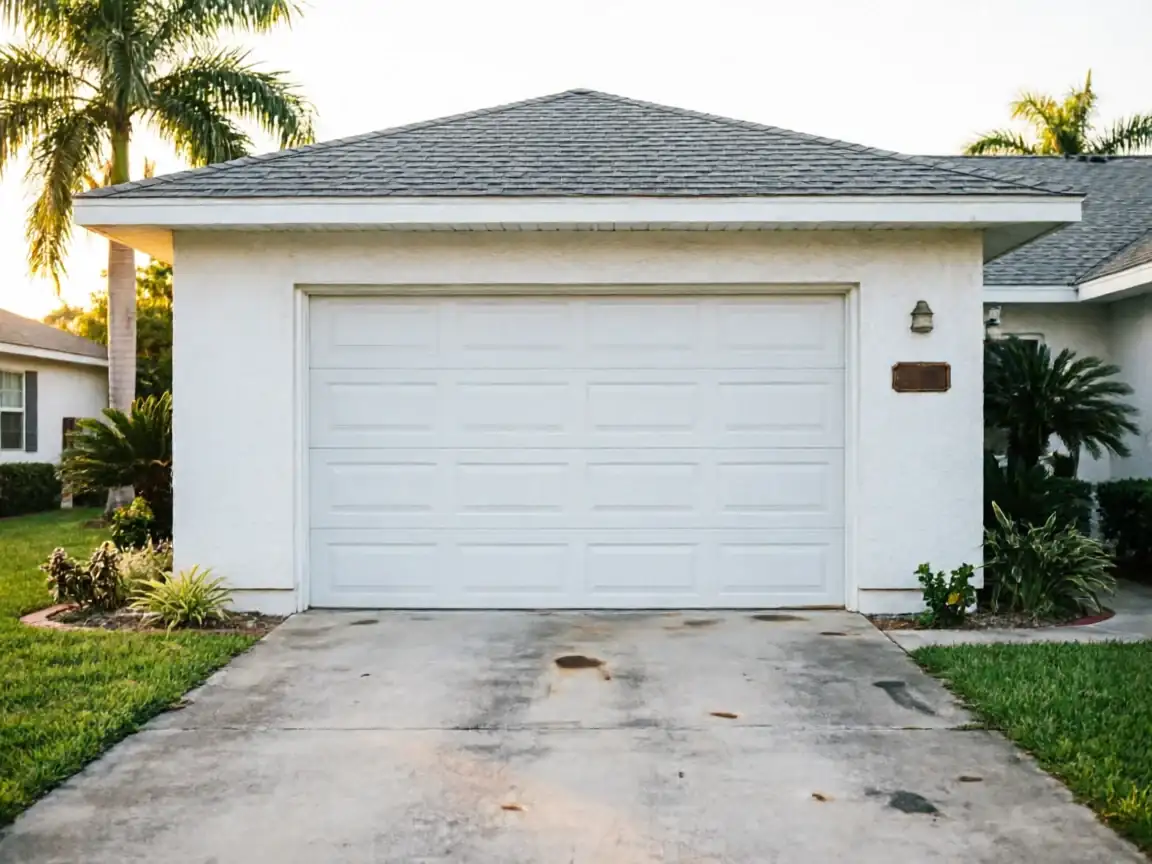
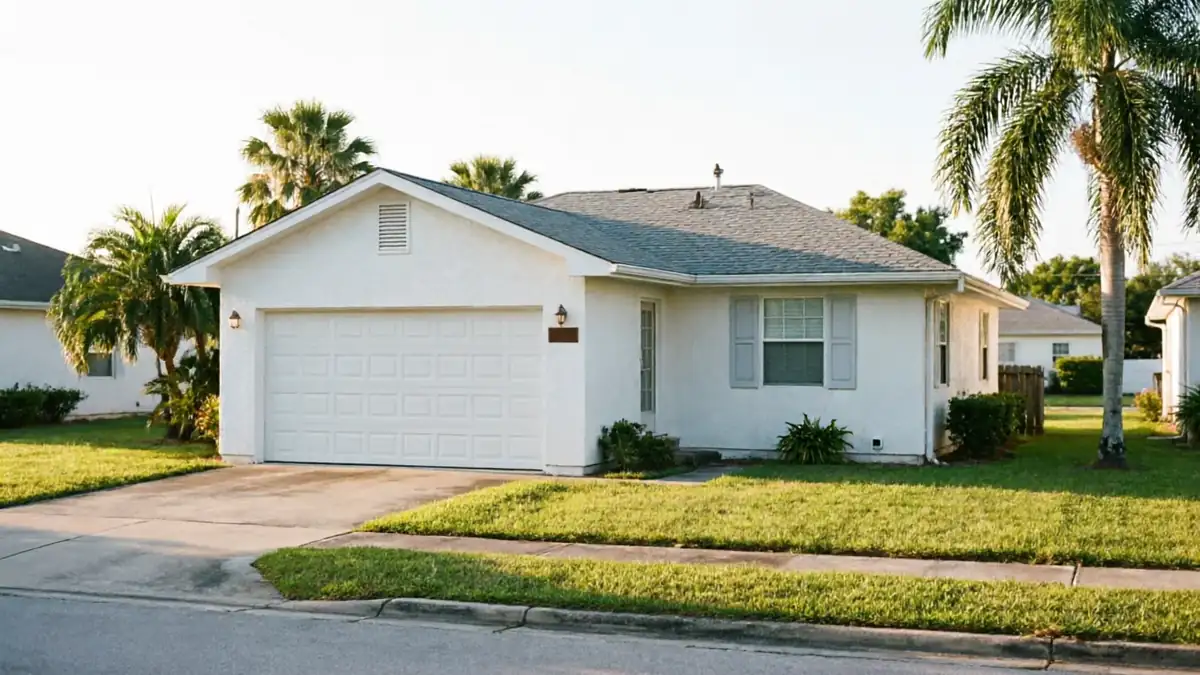
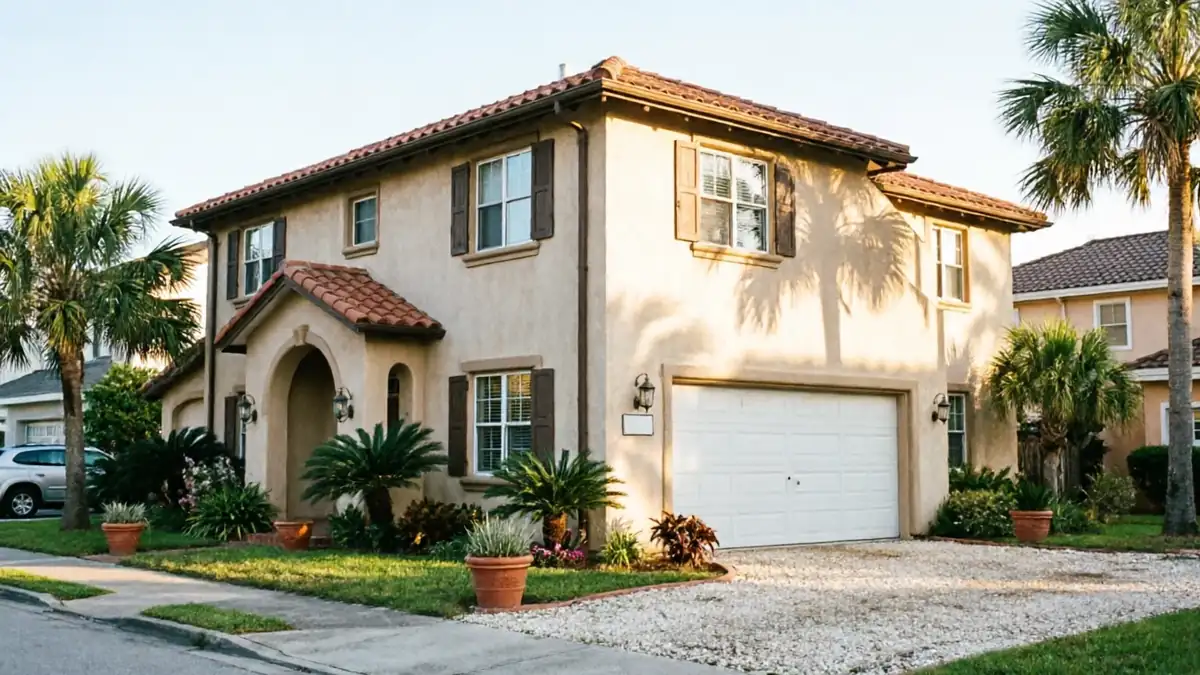
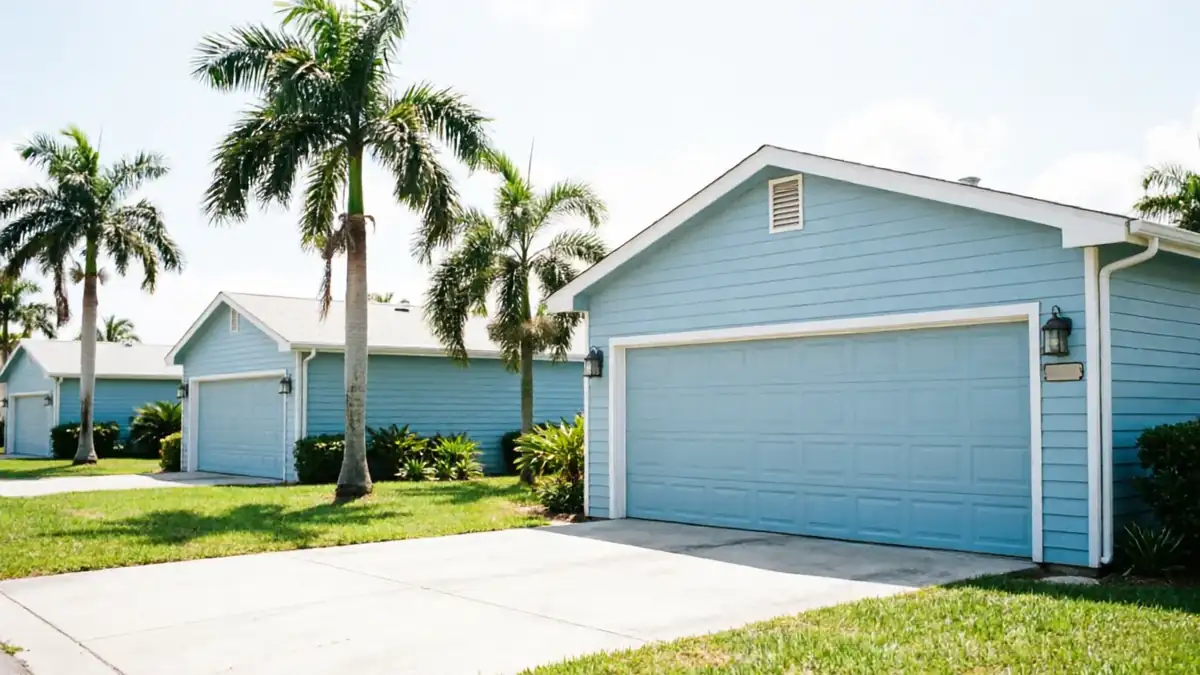
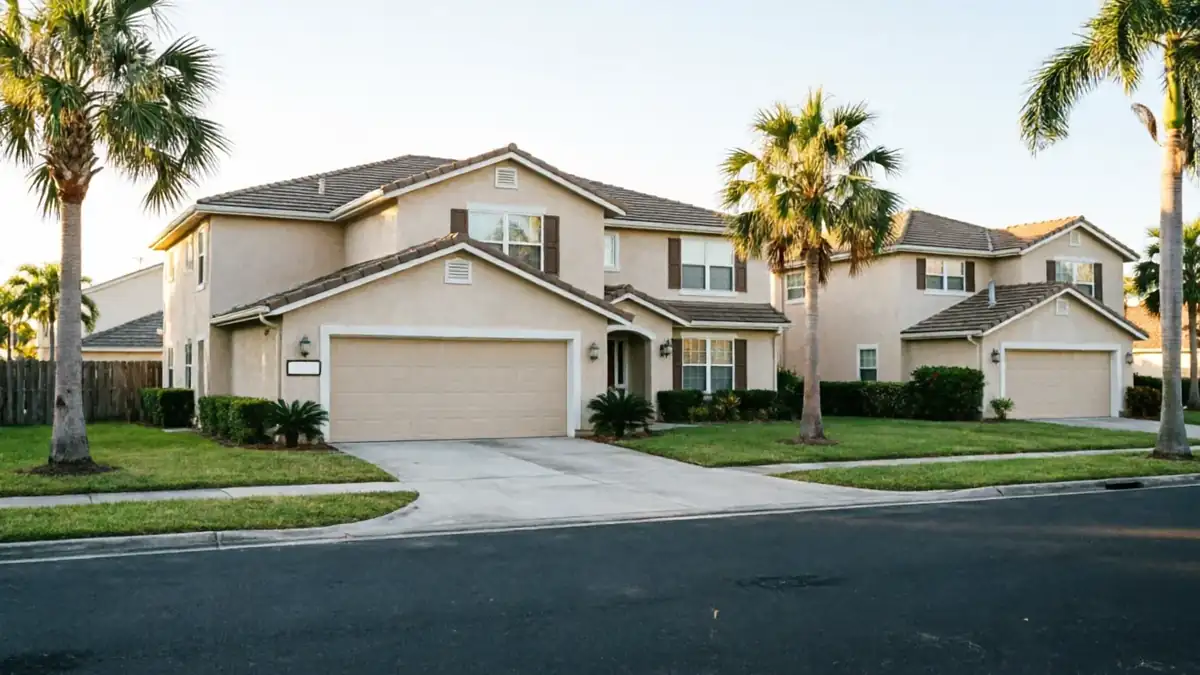
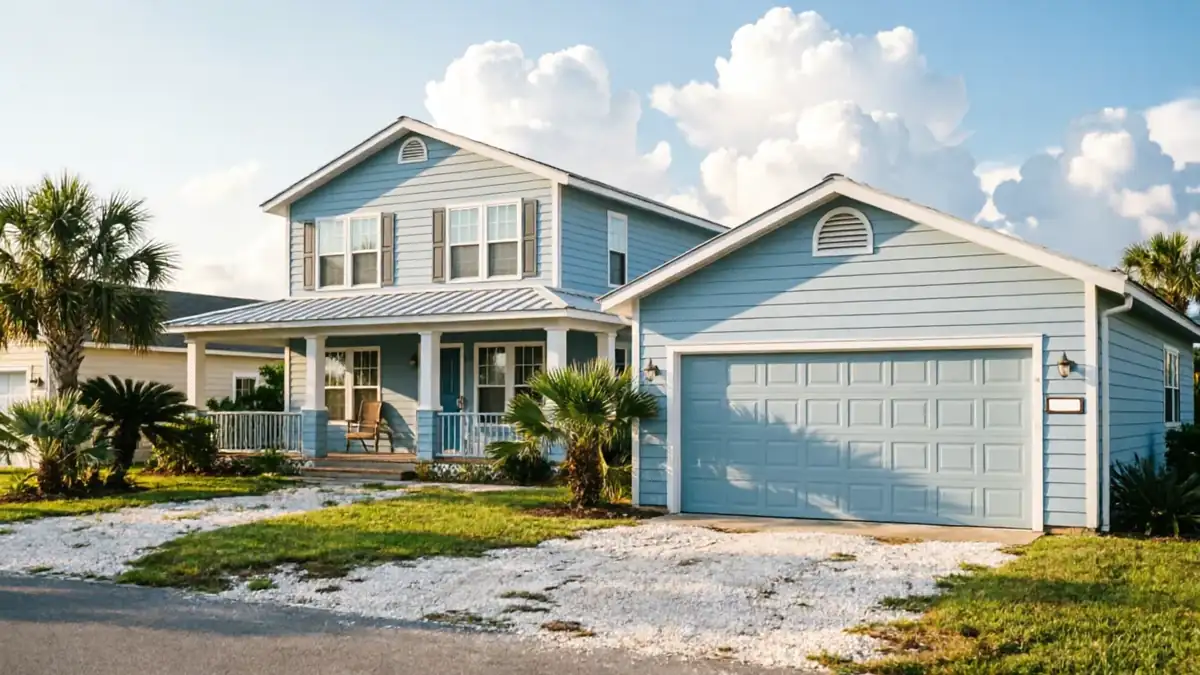
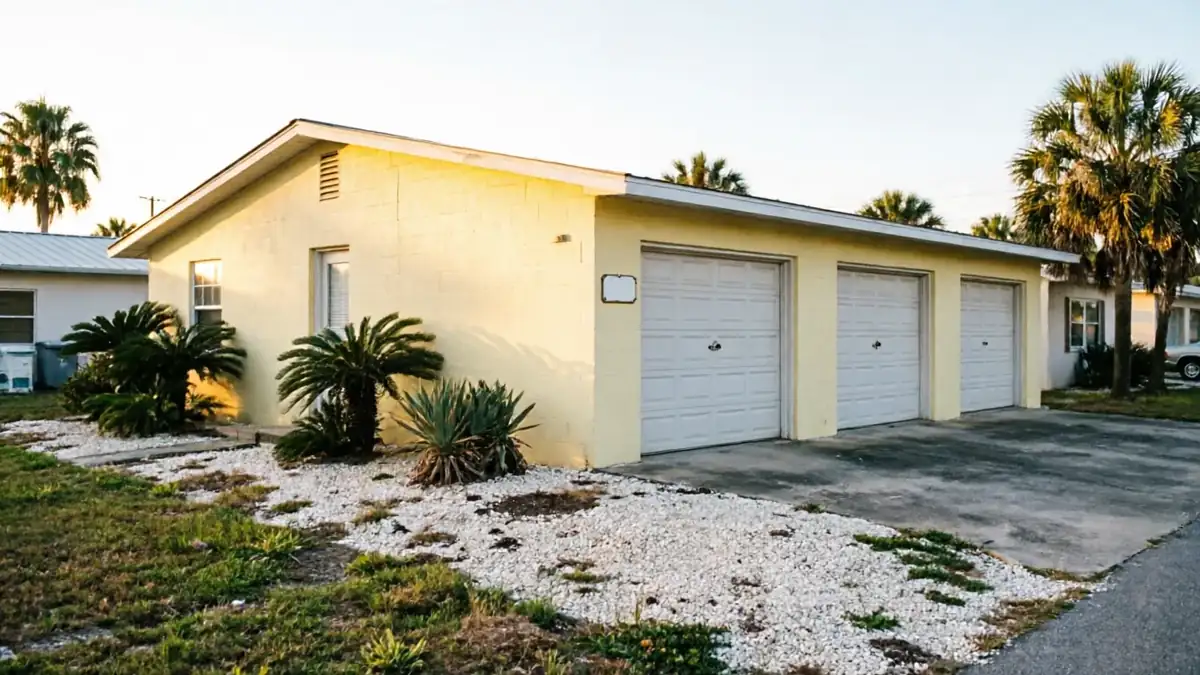
Across the wider service area, houses went up anywhere from 1970 to 2006, with the median landing around 1986. Sanibel skews a touch older than that average - the typical house here was built around 1983, which puts a meaningful share of the island's garages in a slightly earlier generation of door and opener than you'd find in the newer pockets further inland like Gateway. It's not a huge gap on paper, three years, but on garage hardware three years either side of 1983 can be the line between a chain-drive opener that's been swapped twice already and one still running its original logic board. Most of what we see on Sanibel calls are doors and openers installed when the house was built or close to it, now well past the point where replacement parts are something you can just order and have next week.
What That Means for Doors
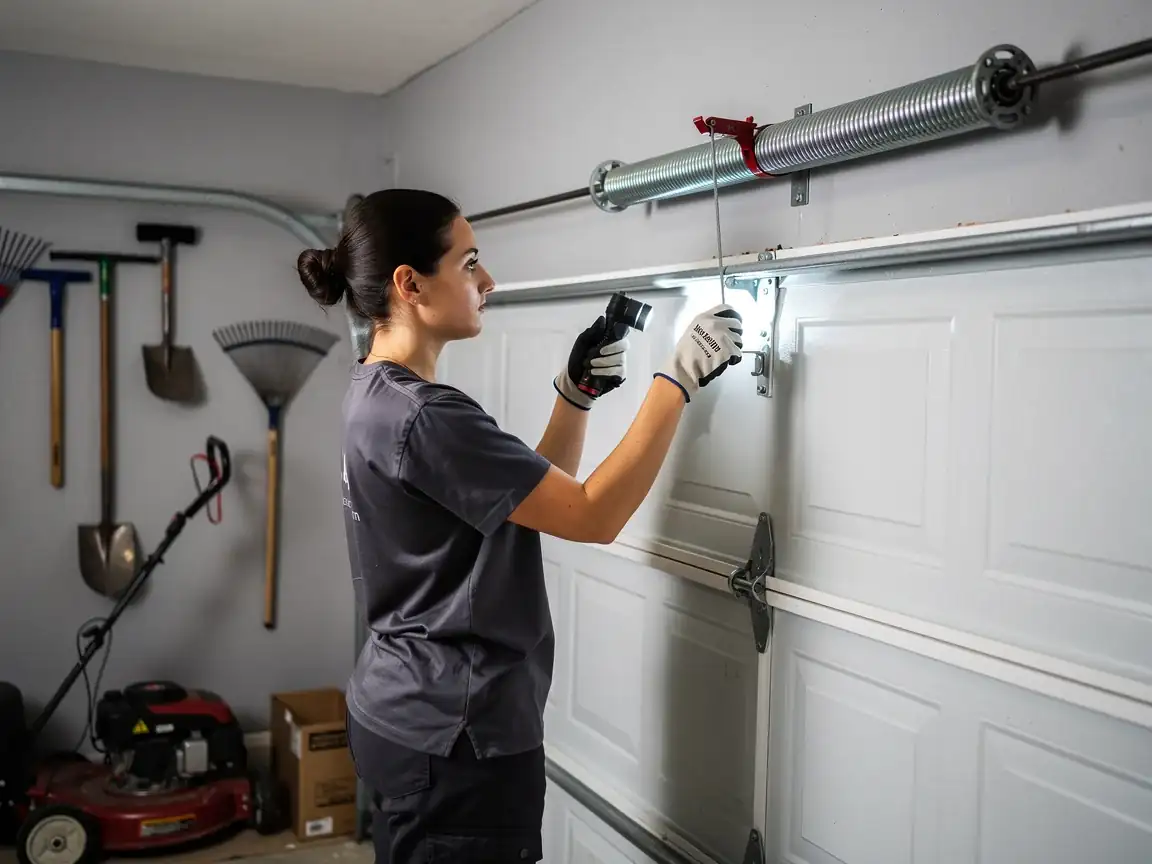
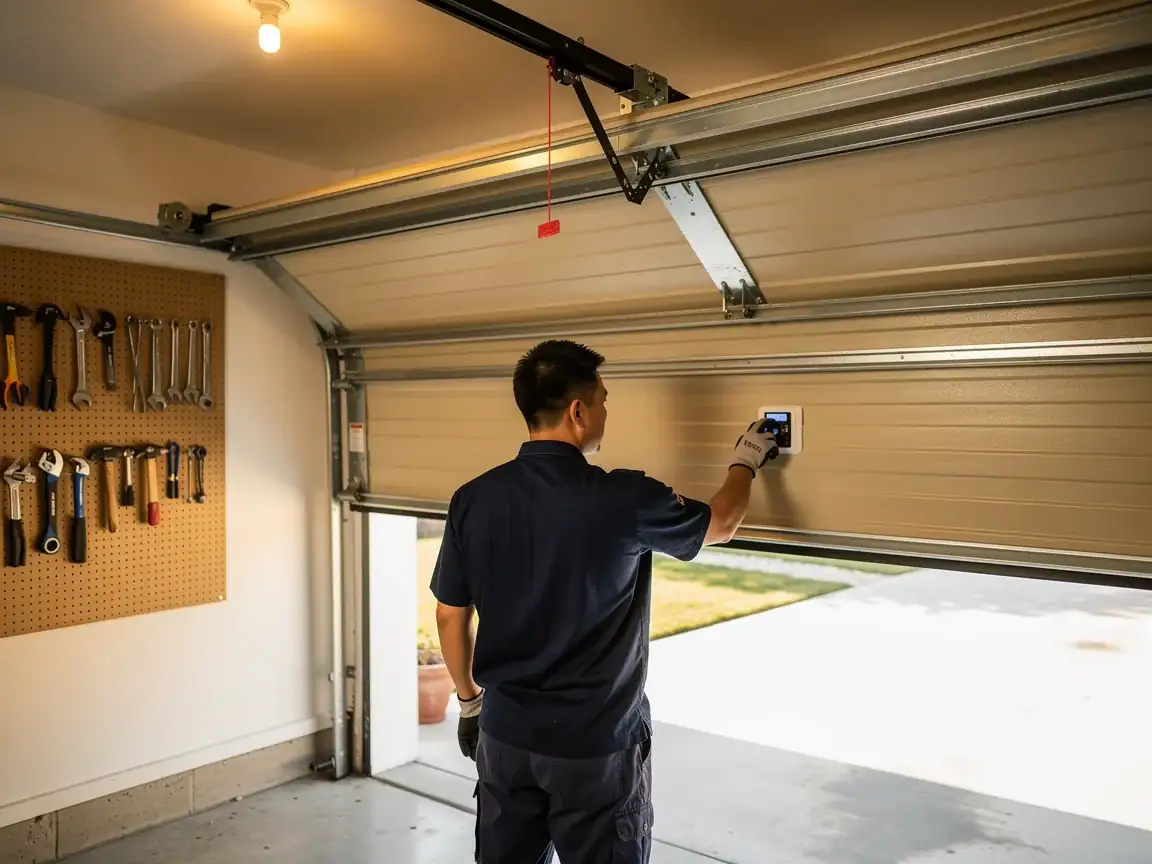
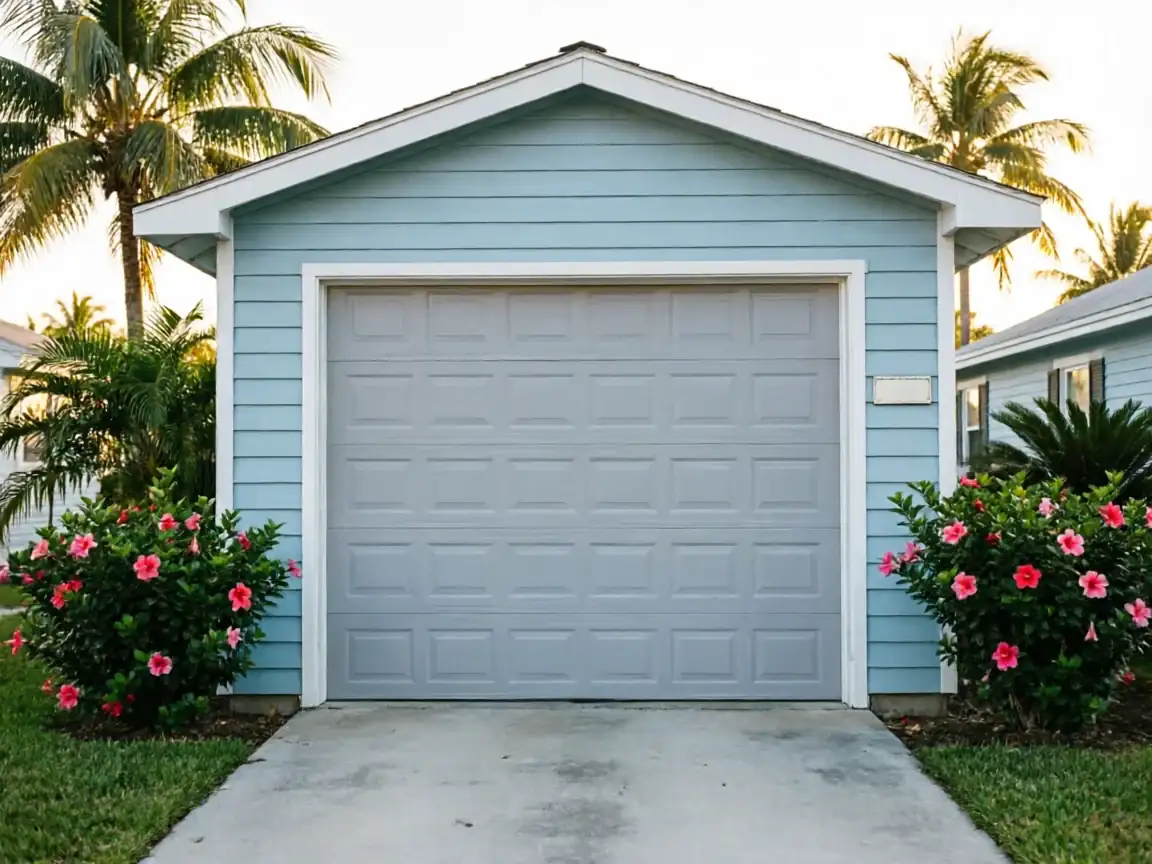
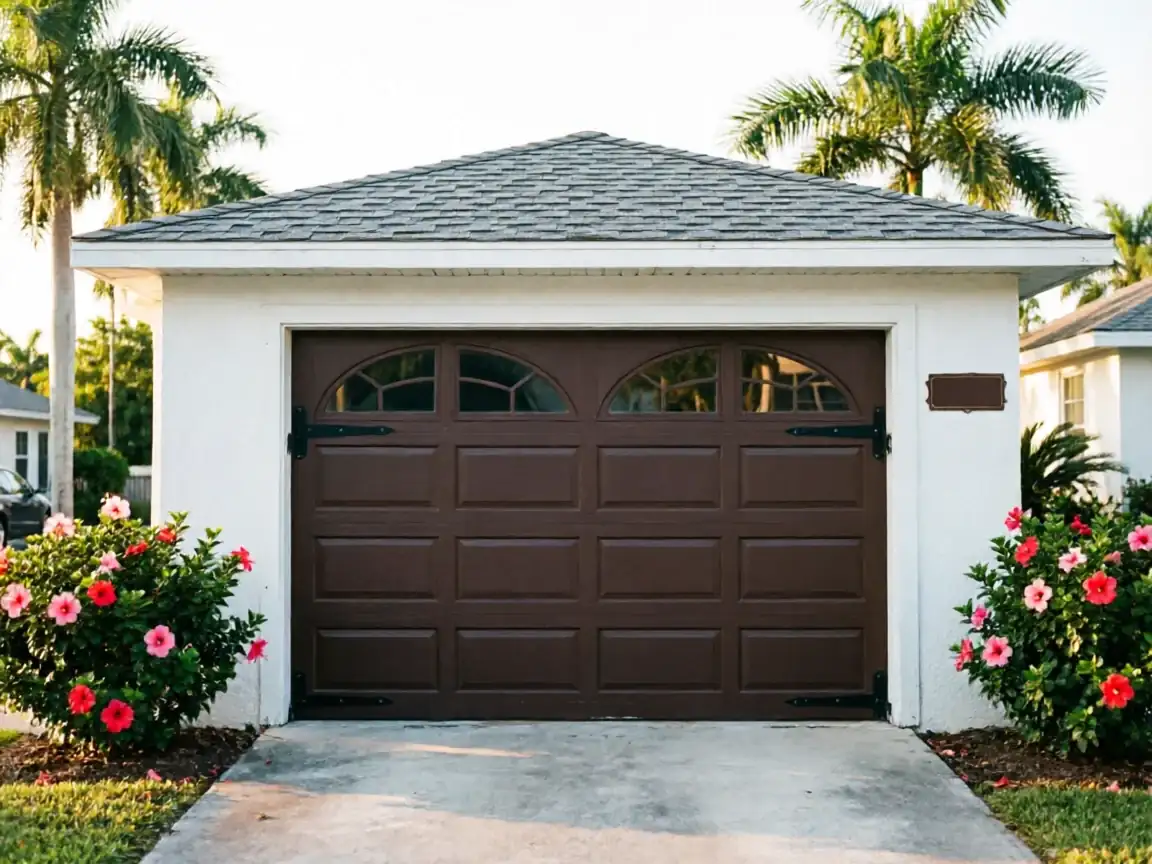
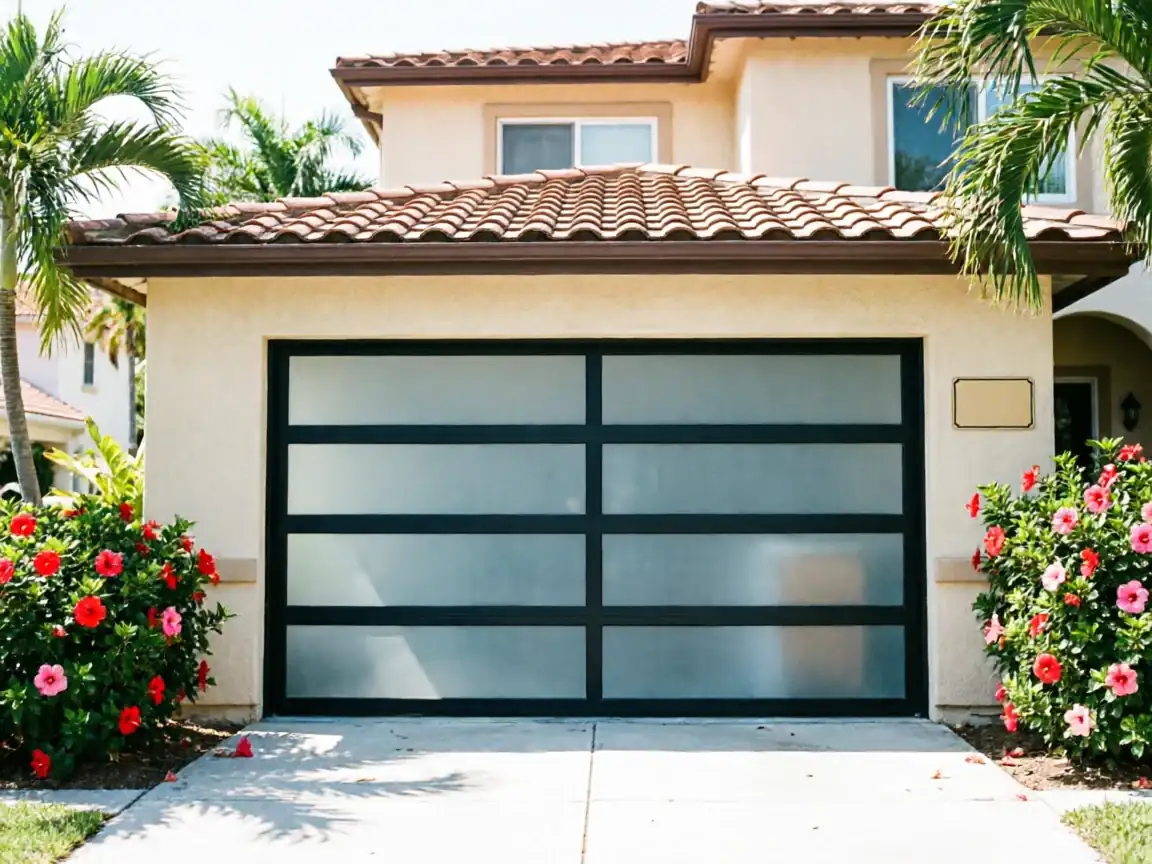
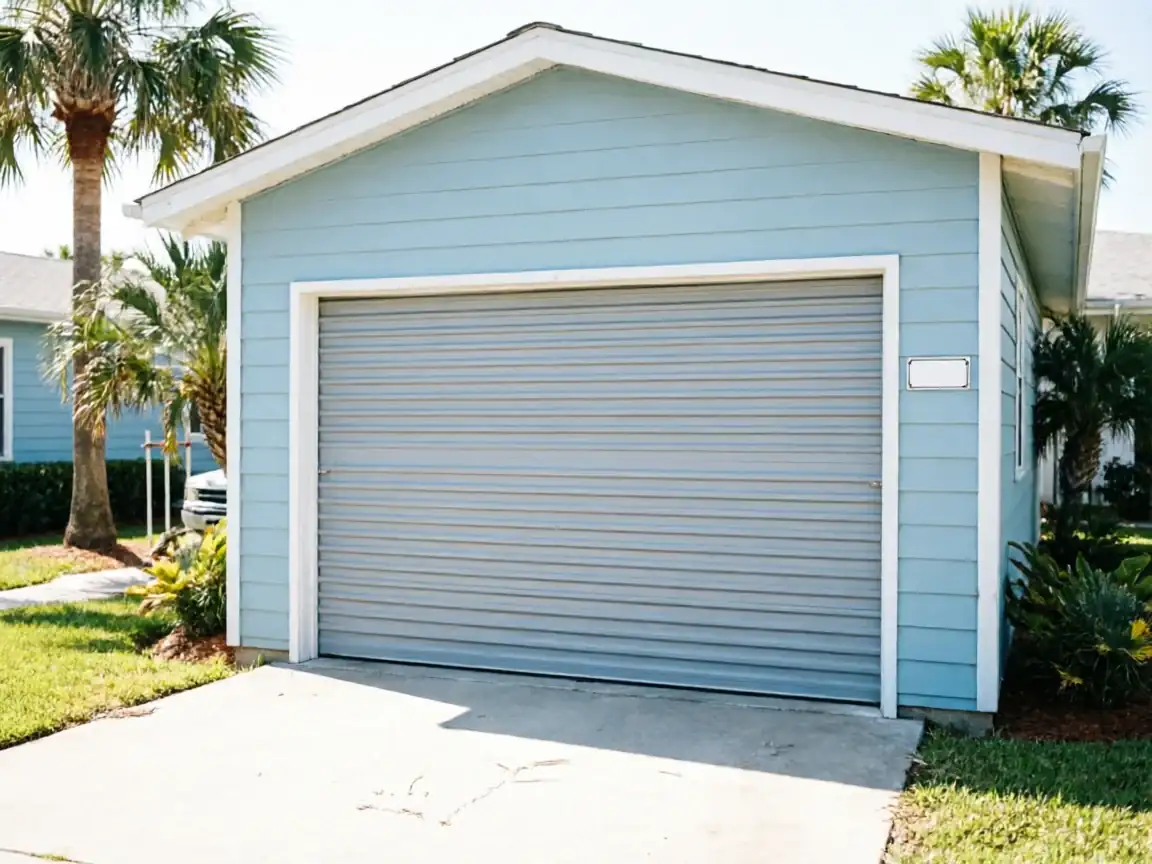
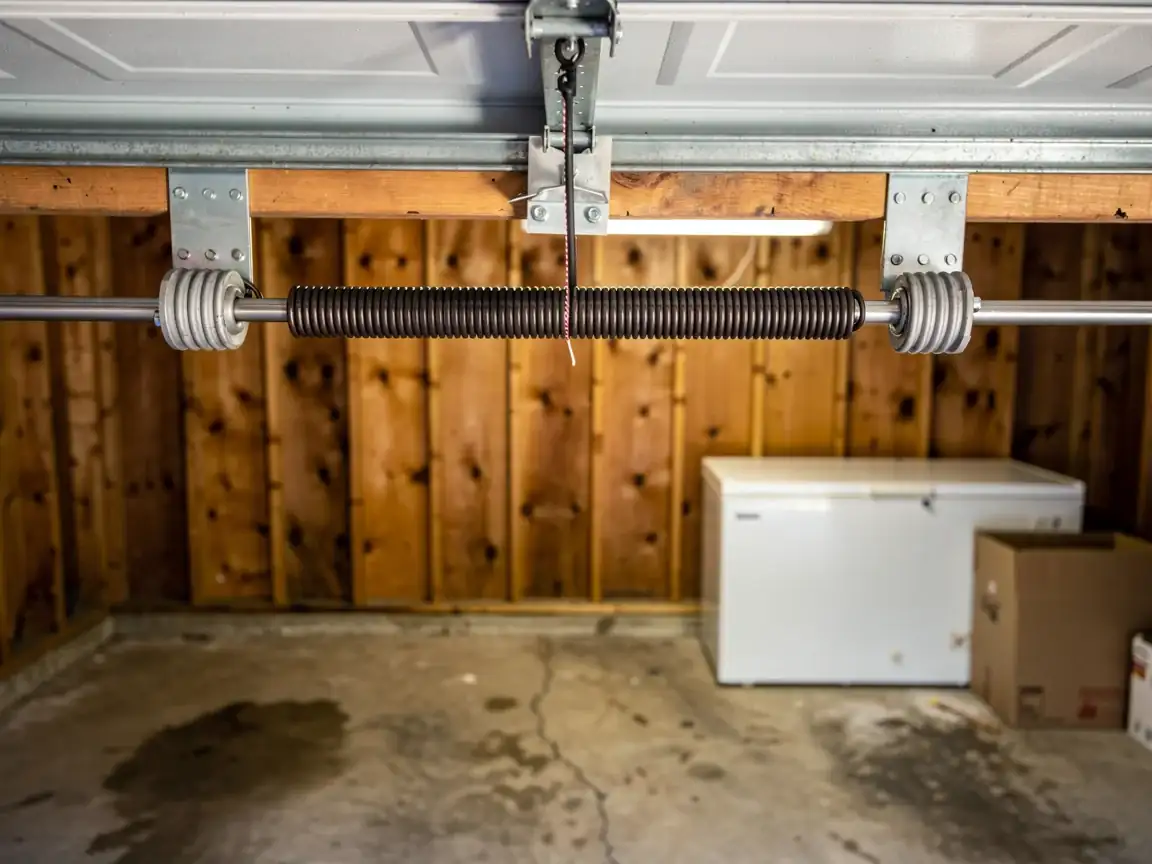
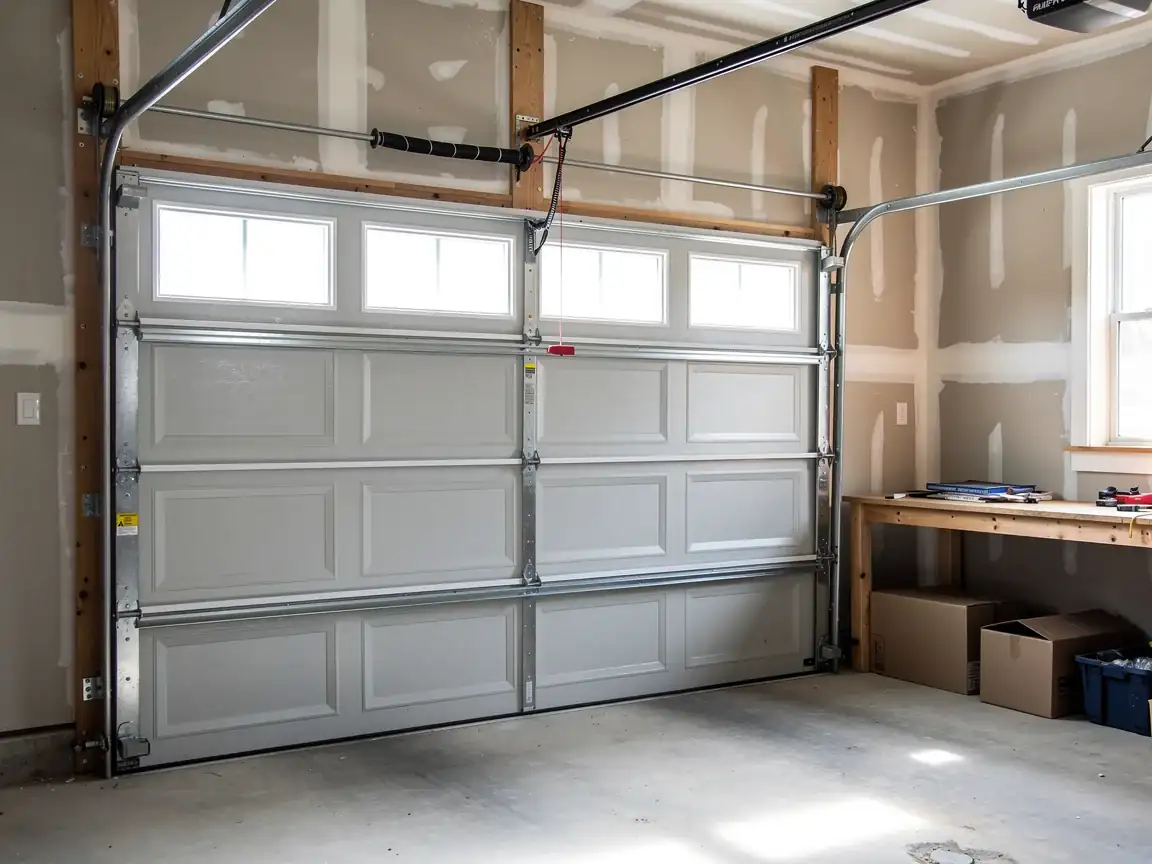
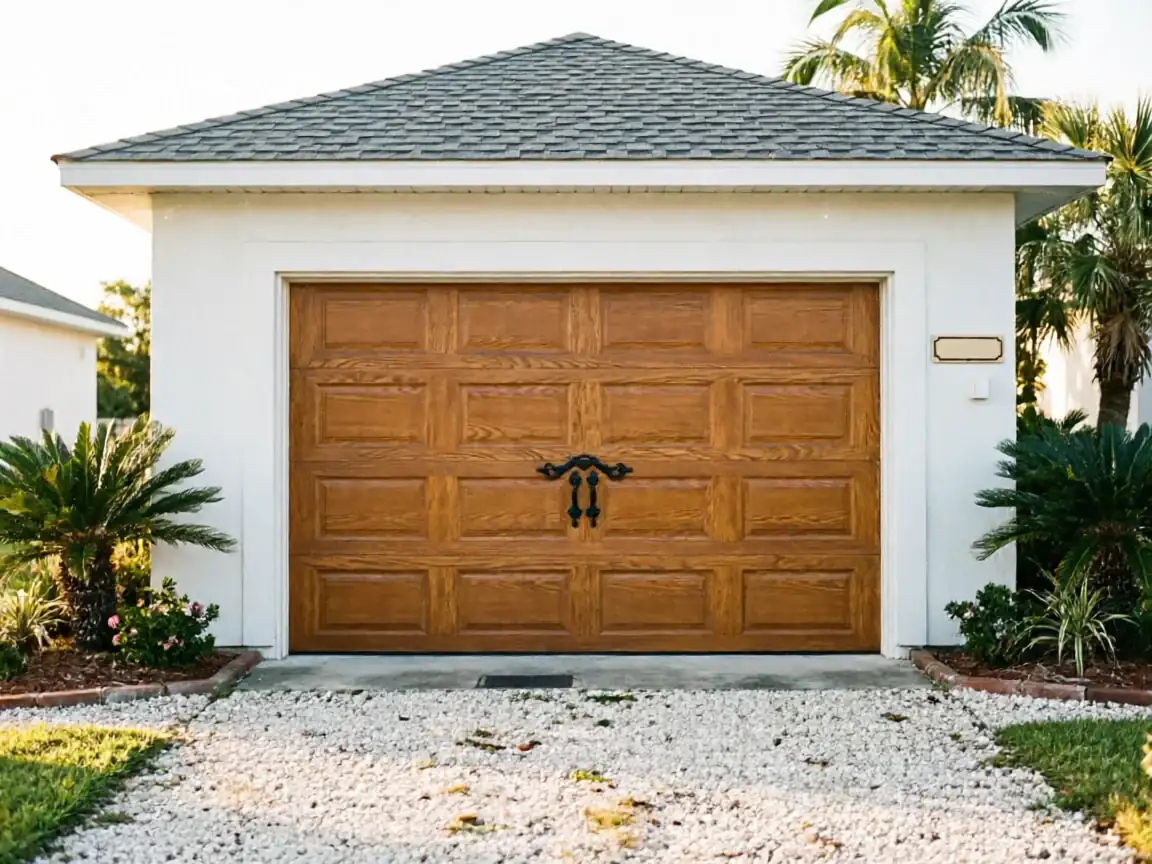
A door and opener from the early 1980s on Sanibel is usually steel, single-layer or thin double-layer, hung on tracks and hardware sized for a lighter door than what's sold today. The springs on these are torsion, side-mounted in most cases, and they've had decades to fatigue even in a mild temperate climate that doesn't put the stock through the freeze-thaw cycles that kill springs faster up north. What we actually see fail on these older Sanibel doors: worn rollers that have gone from nylon to metal-on-metal, cables stretched past their safe travel, and openers with drive gears that have chewed themselves down to the point the door reverses on its own partway up. Replacing a spring on one of these is usually straightforward. Replacing the opener logic board, when that's what's gone, is often not worth chasing - at that age we'll tell you flat out that a new opener costs less than hunting down a part for a thirty-plus-year-old unit, and we won't pretend otherwise.