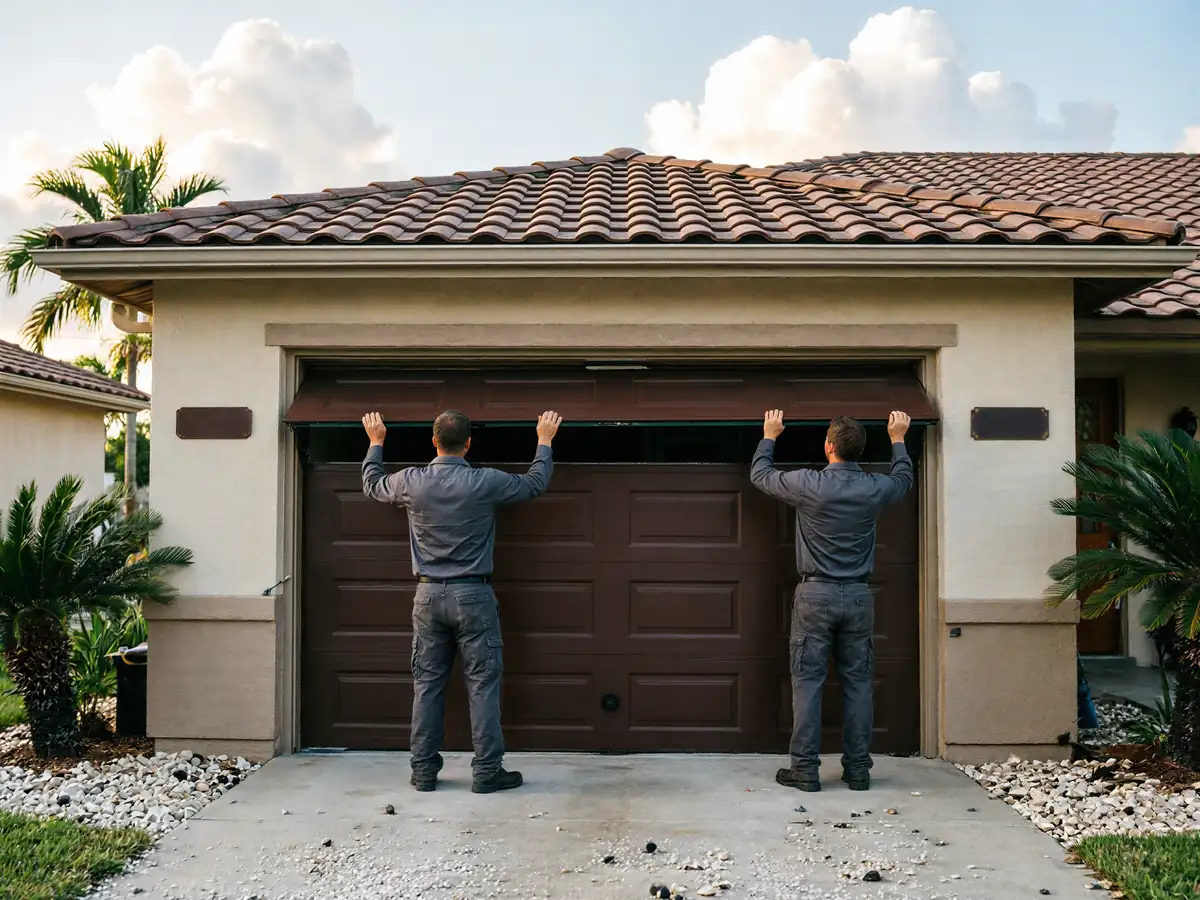
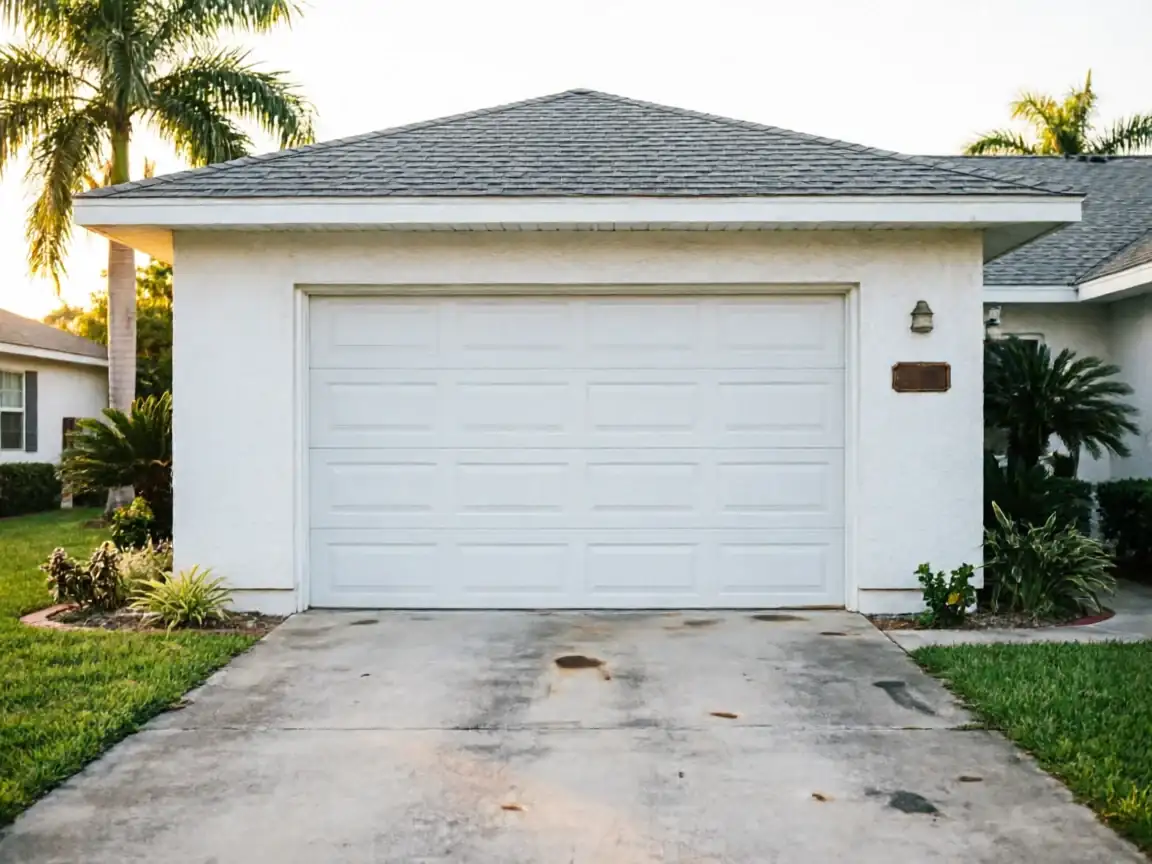
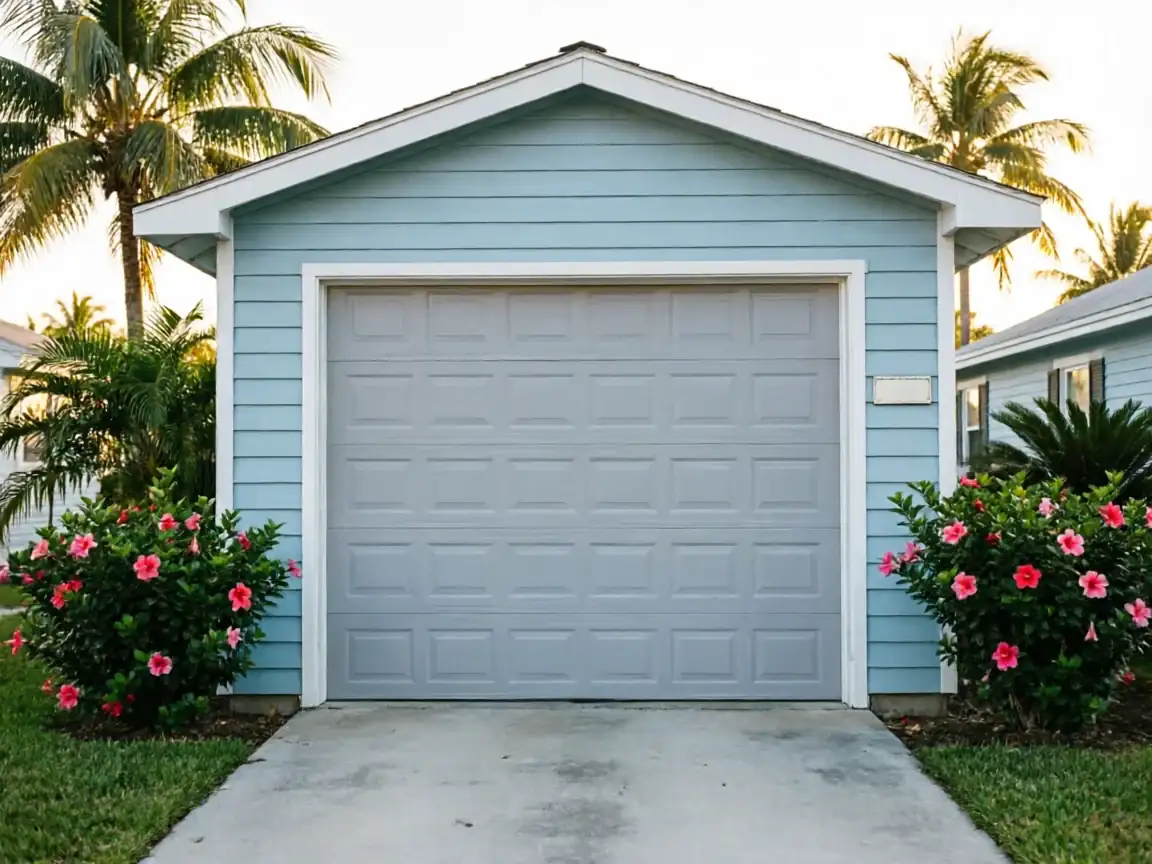
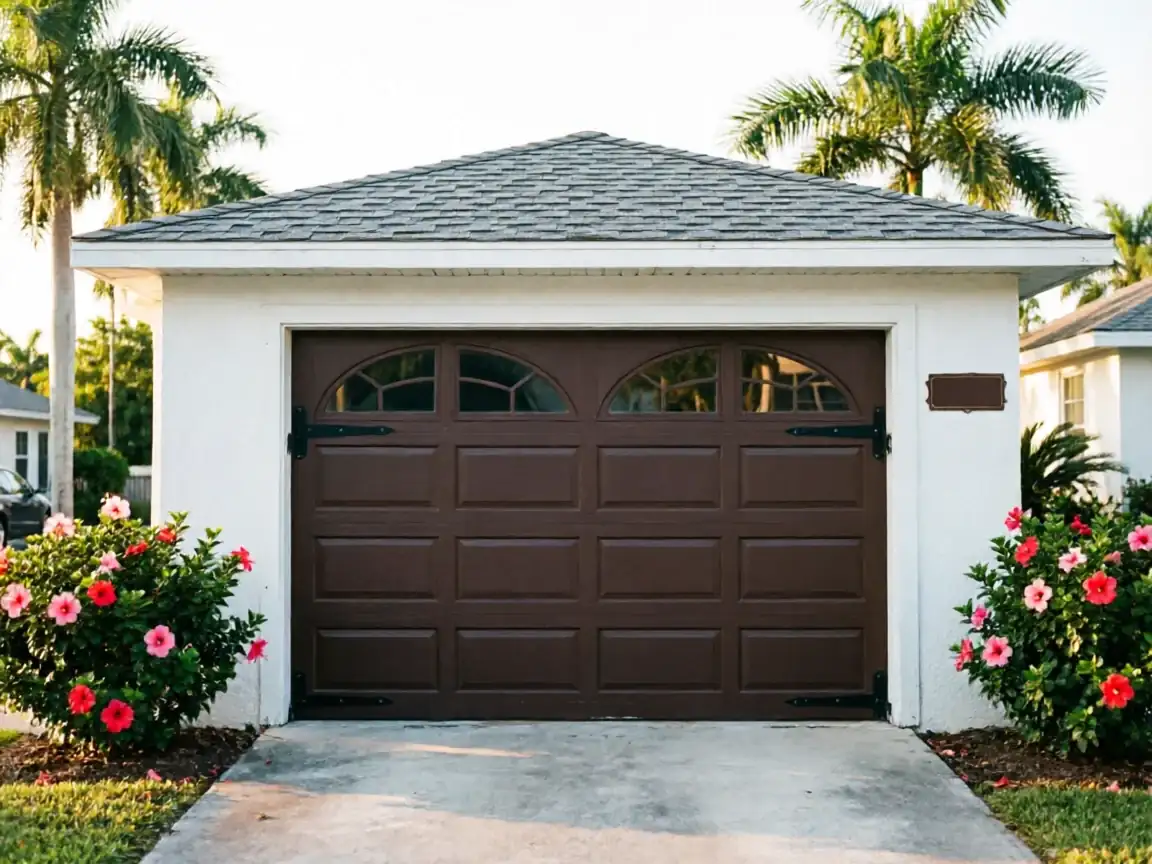
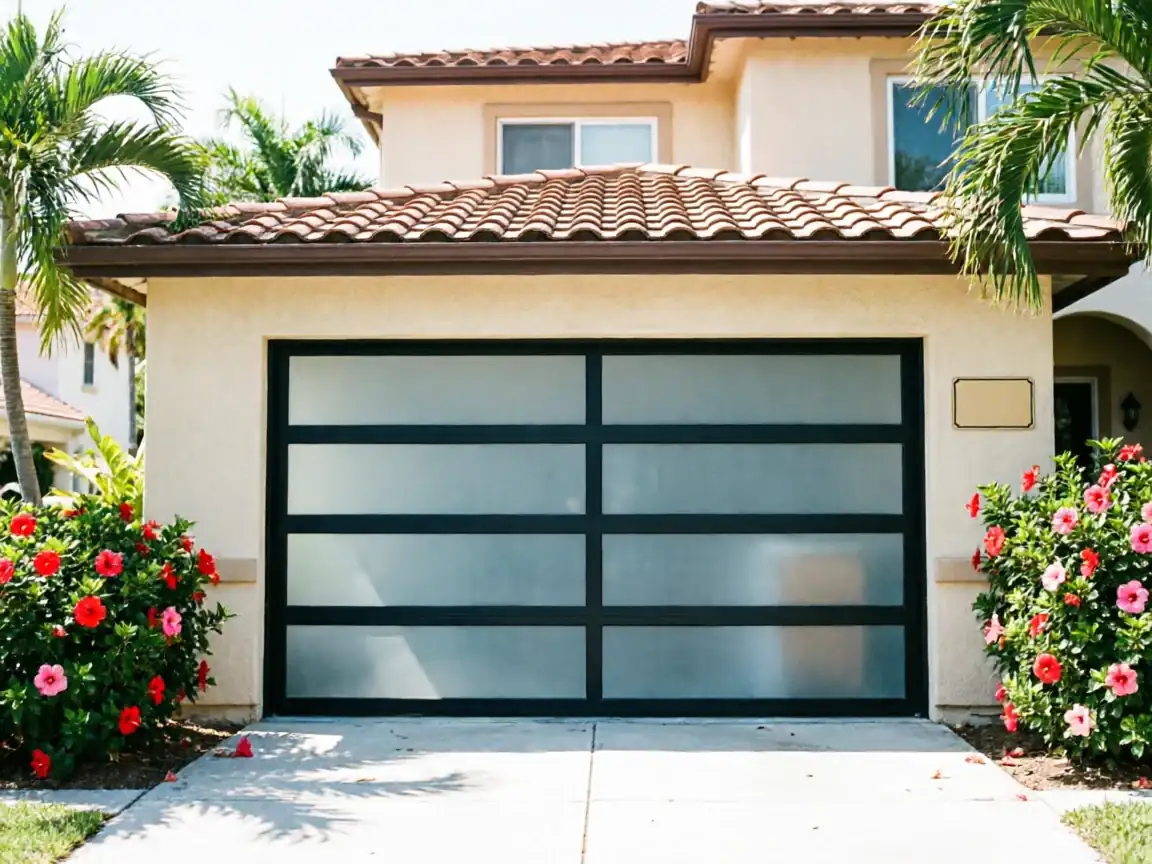
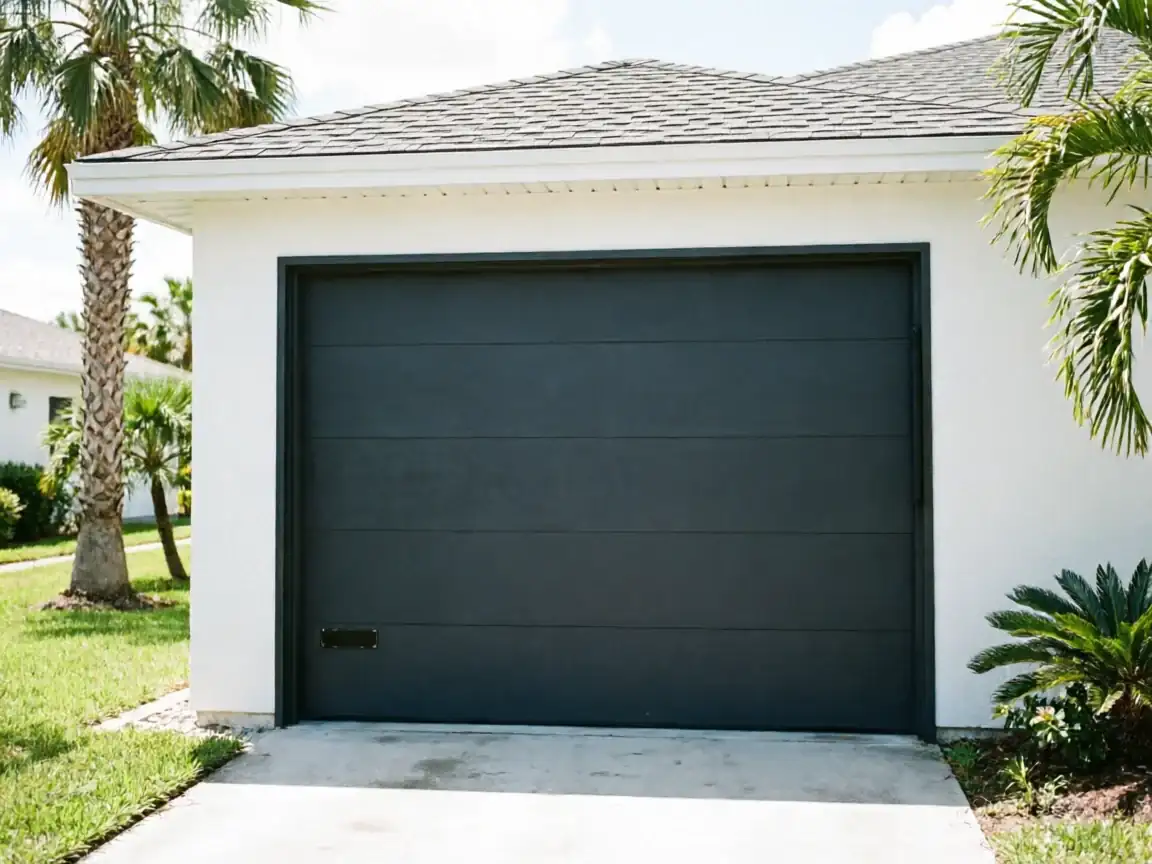
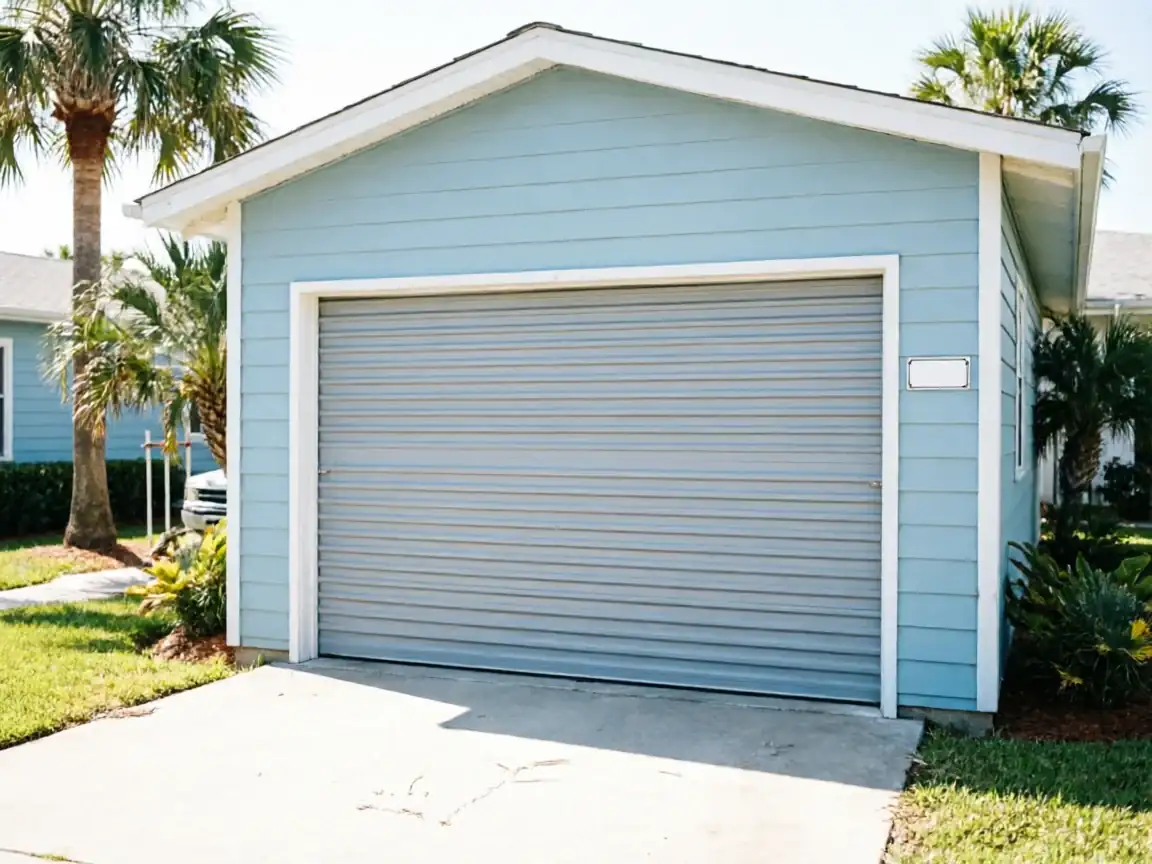
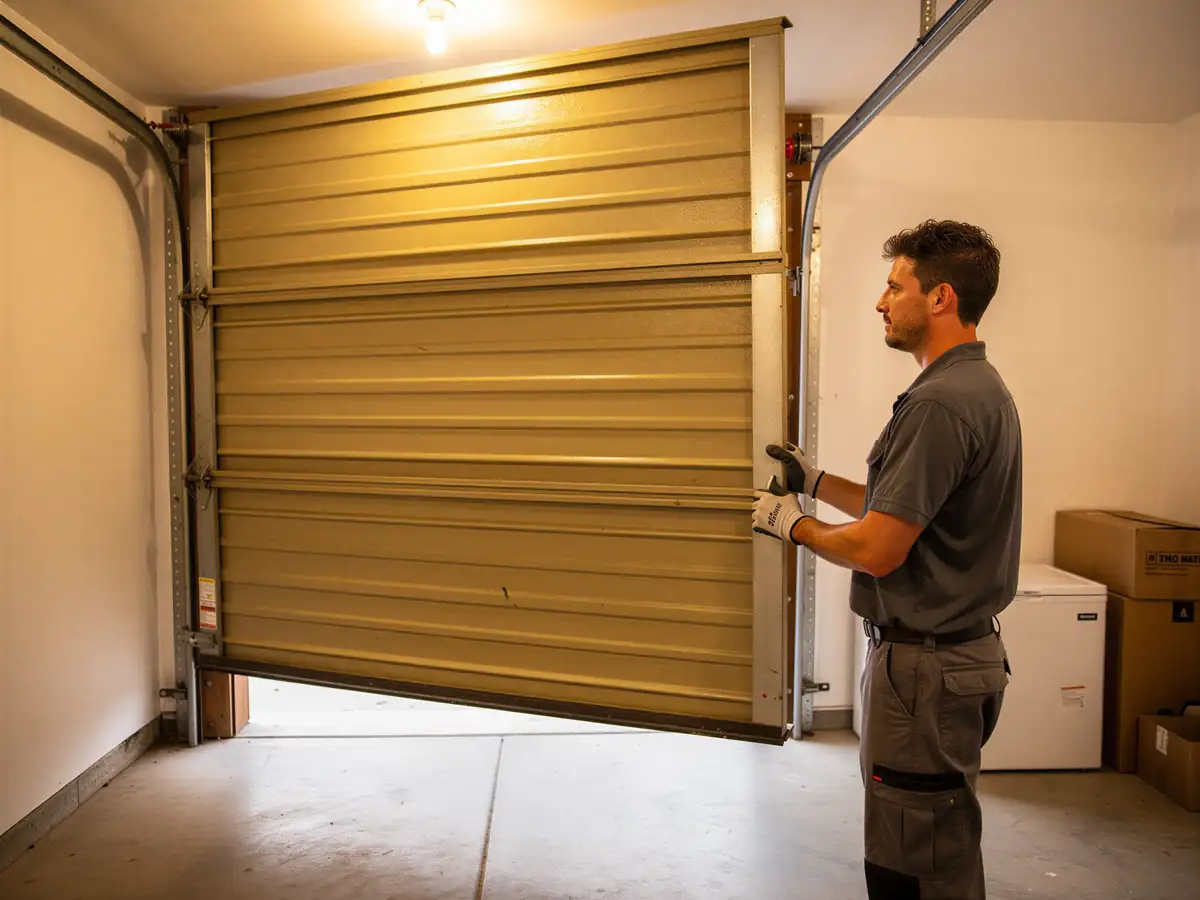
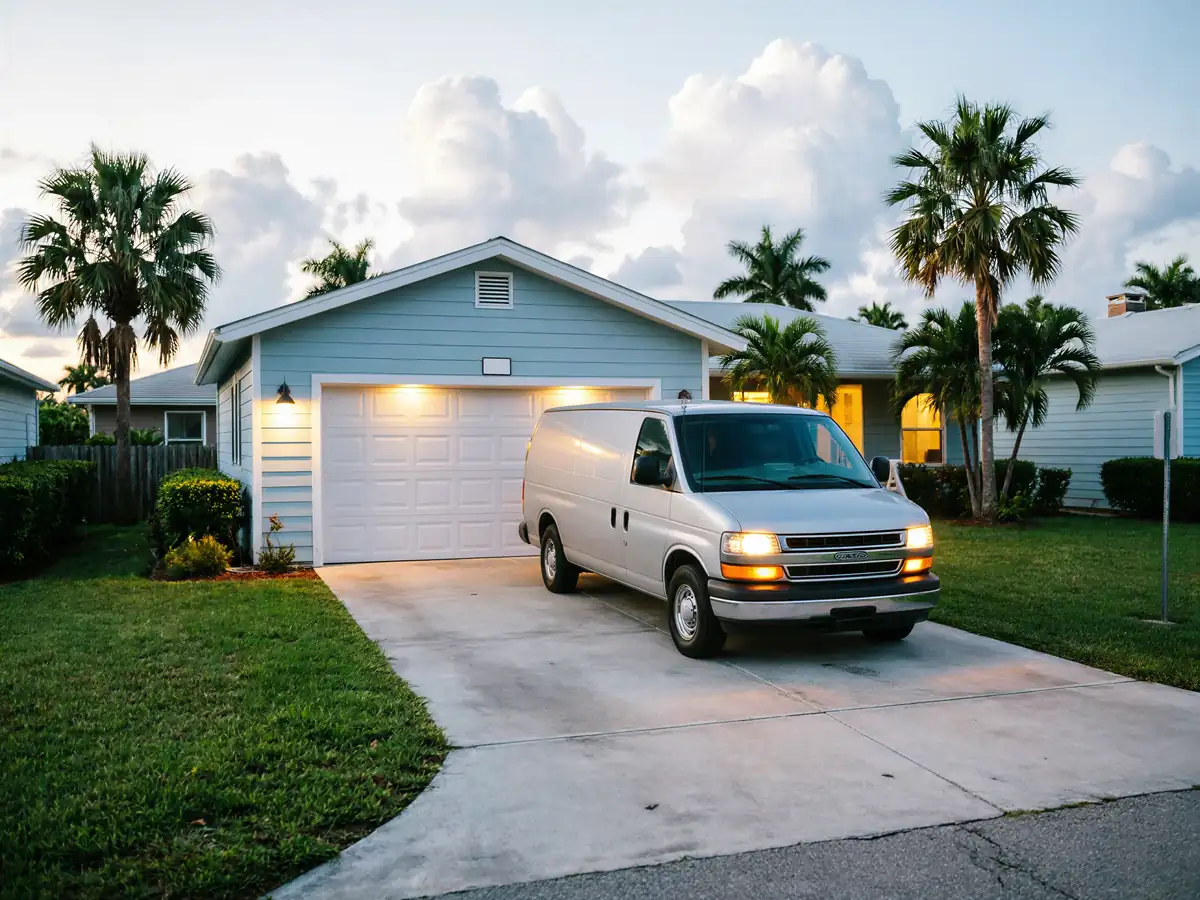
The median home in Gateway was built around 2003, a good two decades newer than the 1986 median across the rest of the service area we cover from Estero. That matters for pricing more than people expect. A door going into a house built in 2003 usually comes out of a standard 16-foot double opening with the framing and headroom builders used from the 1990s on, so there's rarely a surprise structural fix tacked onto the quote the way there can be in older pockets of the area. What drives the number here is the door itself: household income in Gateway runs $103,161, well above the $92,575 median across the wider service area, and we see that reflected in what people ask for - insulated steel, glass-panel inserts, higher-end hardware - rather than the plain builder-grade steel door that's the default quote elsewhere. We don't publish a flat number because the door you pick moves the price more than the opening does. What we can tell you is that a bare steel replacement and a fully insulated door with windows are not close in cost, and most Gateway quotes land on the higher end of that range because that's what gets asked for.
Can You Do This Yourself
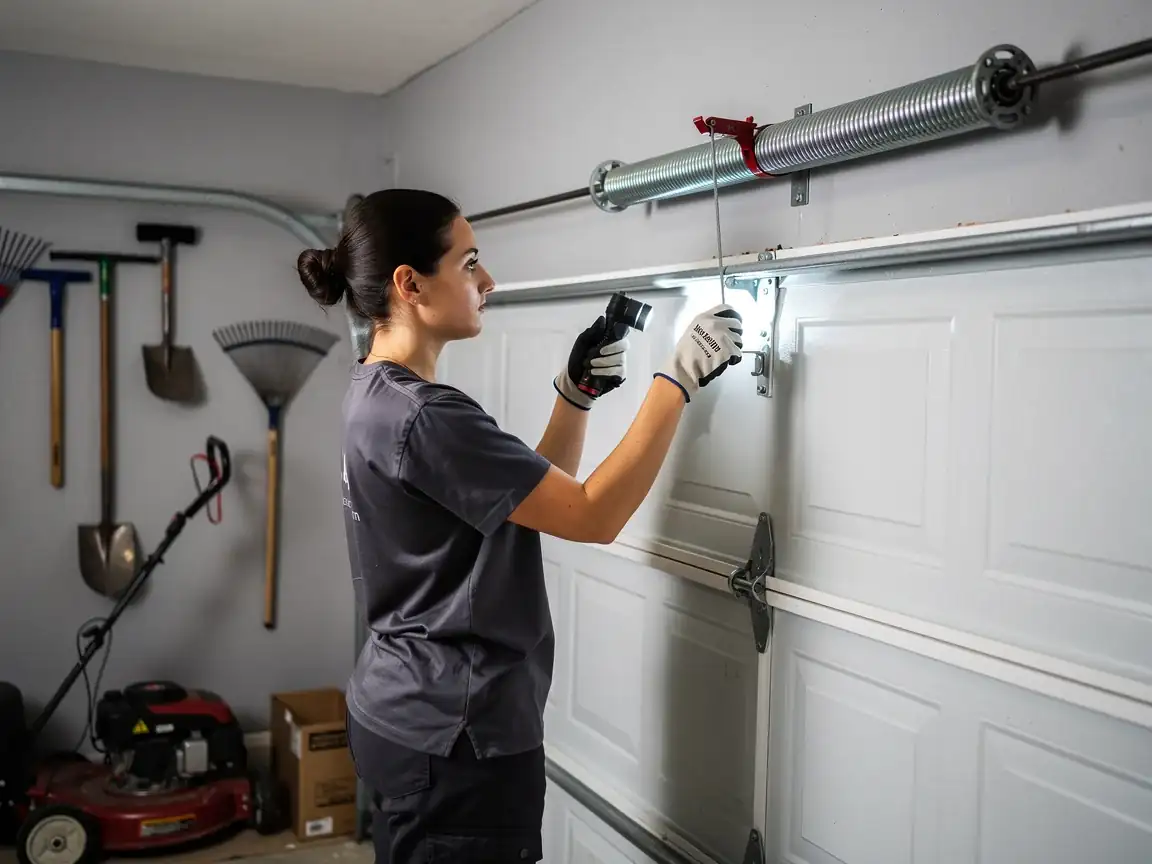
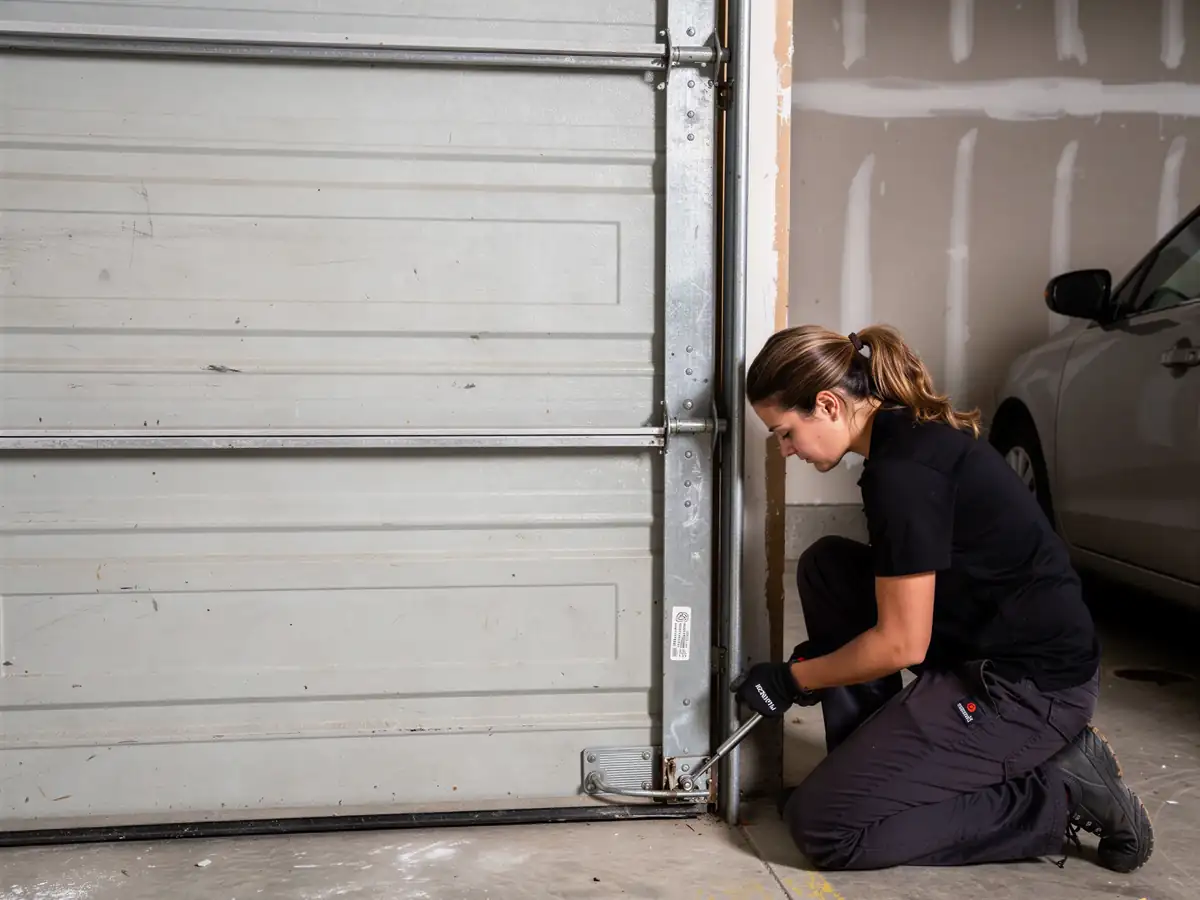
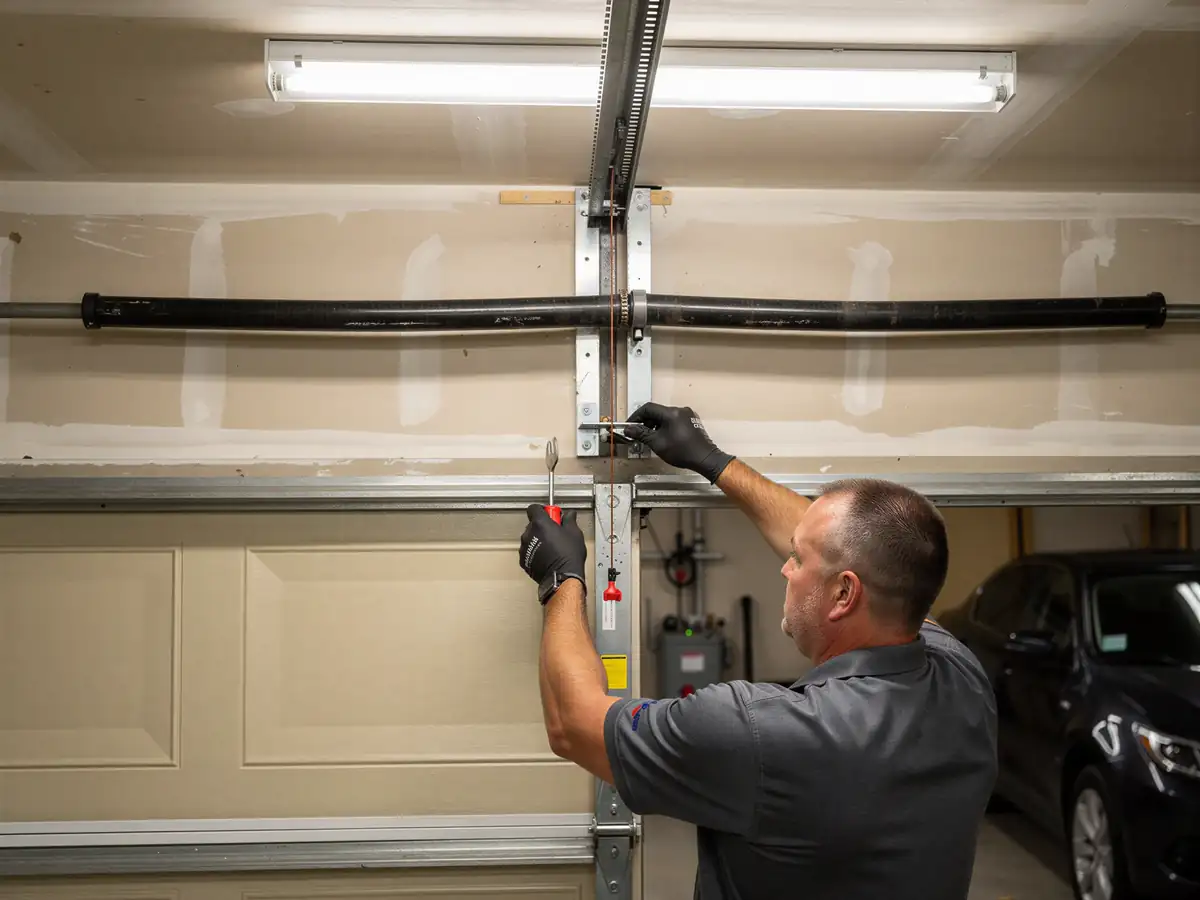
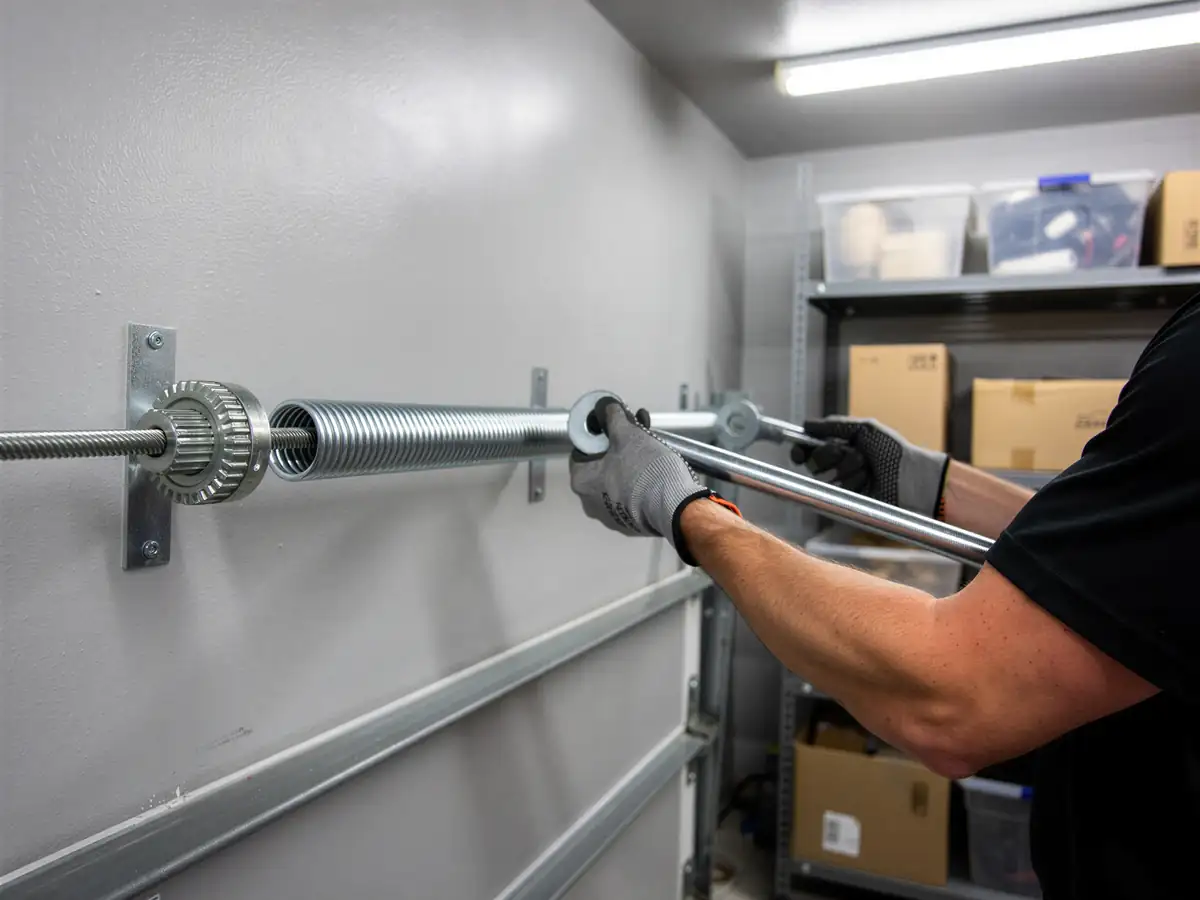
A garage door is not a weekend project, and a new install is less forgiving than a repair. The door itself isn't the hard part - it's the spring system holding a 120-150 lb door under tension, and getting that wrong is how people end up in the ER, not just back at the hardware store. If your home is one of the newer builds typical for Gateway, the opening is probably standard and the hardware straightforward, which is exactly the situation where a confident DIYer gets hurt: nothing looks unusual until the spring lets go. We're not going to tell you it can't be done. We're going to tell you that the margin for error on torsion spring tension and panel alignment is small, and a door hung half a degree off square will bind, wear its rollers early, and strain the opener within a year. If you want to handle the trim work or the opener's smart-home setup yourself and have us handle the door and spring, say so when you call - that split job is common and reasonable.
How Long You Are Without the Door
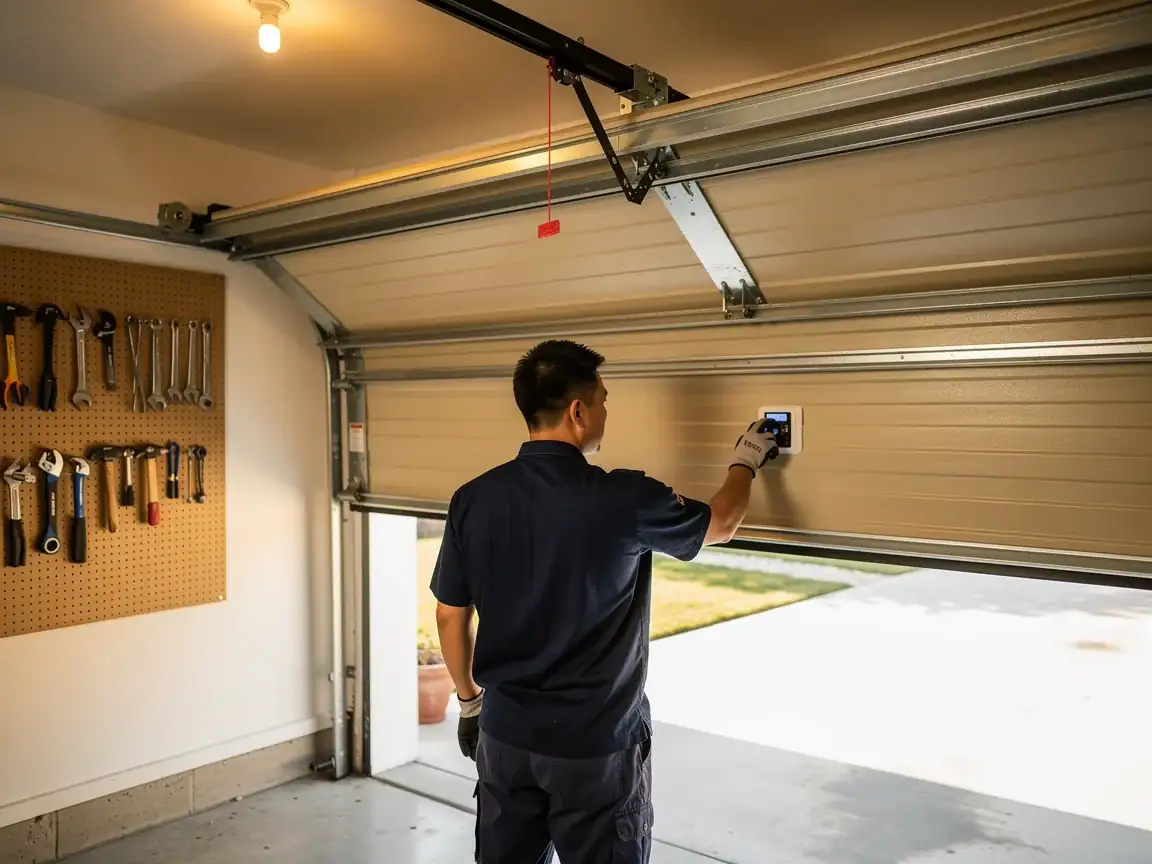
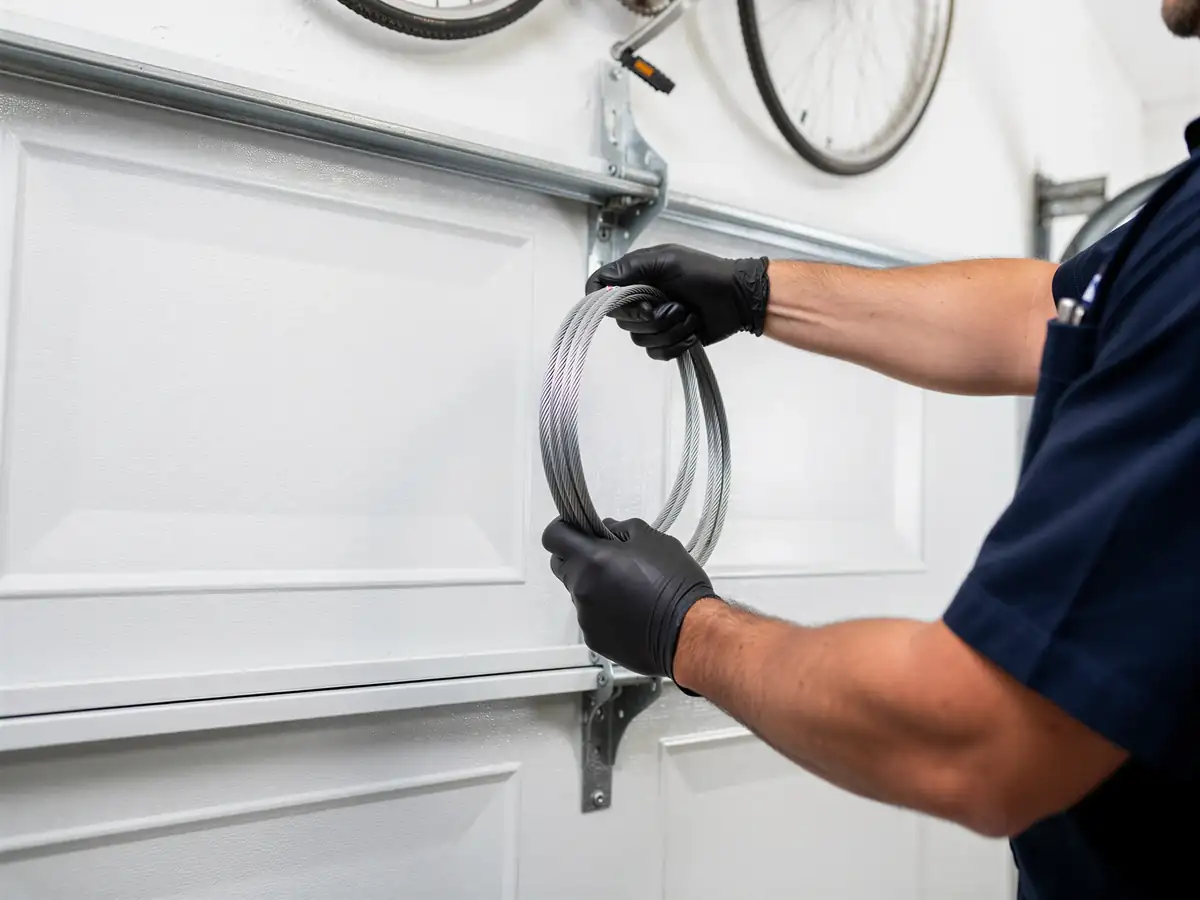
Because we're coming from Estero, about 11 miles out, a Gateway install gets scheduled as a planned trip rather than squeezed in as a drop-by. That's not a bad thing for an installation - unlike an emergency repair, a new door job benefits from having the full day blocked out rather than rushed between calls. Once the crew is on site, the swap-out itself - old door off, new door and track hung, opener reconnected and balanced - is a same-day job on a standard single or double opening, which describes most garages in a neighborhood built out mostly after 2000. What stretches the timeline is the door itself: a custom insulated door or anything with a glass package often has to be ordered first, and that lead time is on the manufacturer, not on us. If you want the shortest gap between your old door coming down and the new one closing, ask about what's in stock before you fall in love with a custom option.
How It Shows Up
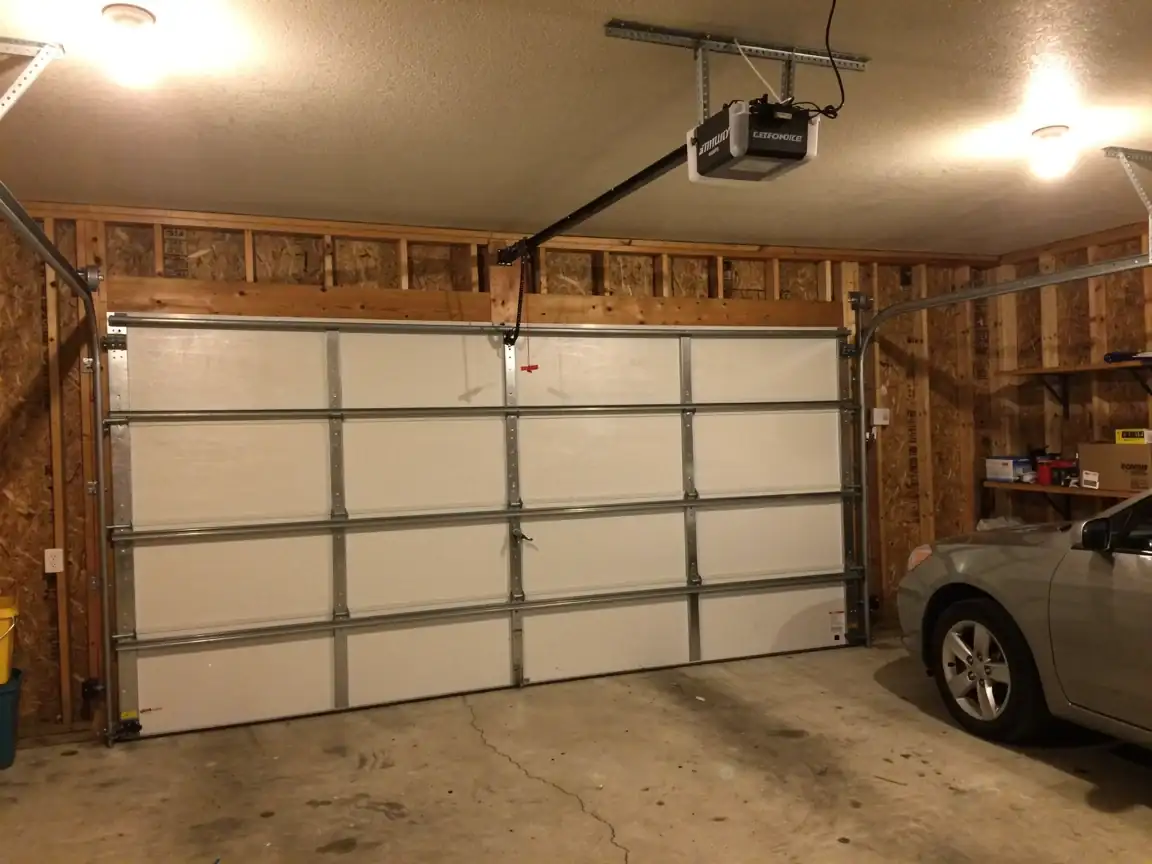
The call we get from Gateway is rarely 'my door is broken' - it's usually 'the door still works but it's the original unit and we're renovating' or 'the opener is on its last legs.' That tracks with the housing stock: with a median build year of 2003, most of these doors and openers are old enough to be near the end of a normal service life without having failed outright yet. You'll notice it as a chain-drive opener that's noticeably louder than it used to be, a door that shudders more than it should on the way up, or just wanting a quieter belt-drive opener with battery backup before a storm takes out the power. None of that is an emergency, which is exactly why it's a good time to replace rather than wait for a spring to go at 6 a.m. on a Tuesday. One honest note: if your current door is structurally fine and the only complaint is noise, a new opener alone often solves it for less than a full door swap - we'll tell you that on the call instead of upselling you a door you don't need.
How it works
From “it’s stuck” to “it’s fixed”
01
Tell us what’s wrong
Describe the symptom - won’t open, loud bang, opener runs but the door won’t move.
02
On-site diagnosis
A technician tests the door under power and by hand and finds what actually failed.
03
Clear, up-front plan
You get the fix that’s needed and what drives the cost - before any work starts.
04
Repaired & tested
The repair is done, the door is set true and tested, and the work area left clean.
Not sure which repair your door needs in Estero, FL? Describe what it’s doing - every job starts with a diagnosis.
No. We run out of Estero, about 11 miles away, and schedule Gateway installs as planned jobs rather than same-day emergency calls. For a new door, that's not a drawback - it means the crew comes with the full day set aside for your install.
Will my new garage door need special sizing for an older Gateway home?
Probably not. Gateway's housing stock is mostly newer, built mostly after 2000, with standard single and double openings. Unlike older sections of the wider service area where openings and headroom vary more, most Gateway installs are straightforward standard-size swaps.
Should I replace the opener along with the door?
Not always. If your opener is working fine and the door is what's failing, we'll usually leave the opener in place and just make sure it's rated for the new door's weight. If the opener's original to a 2003-era build, it may be worth discussing on its own.
Ready to get your garage door sorted?
Tell us what it’s doing and where you are in Estero - we’ll take it from there.