What You Pay
Gateway's houses mostly went up around 2003
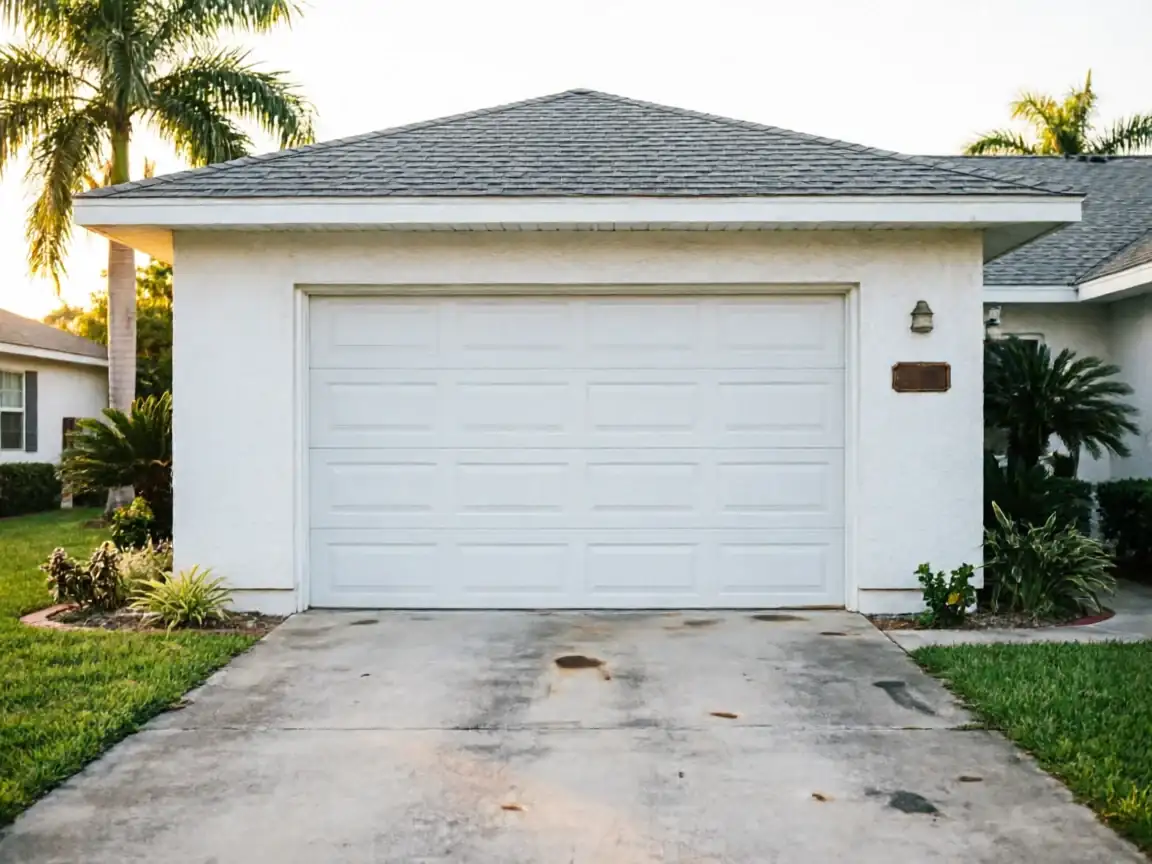
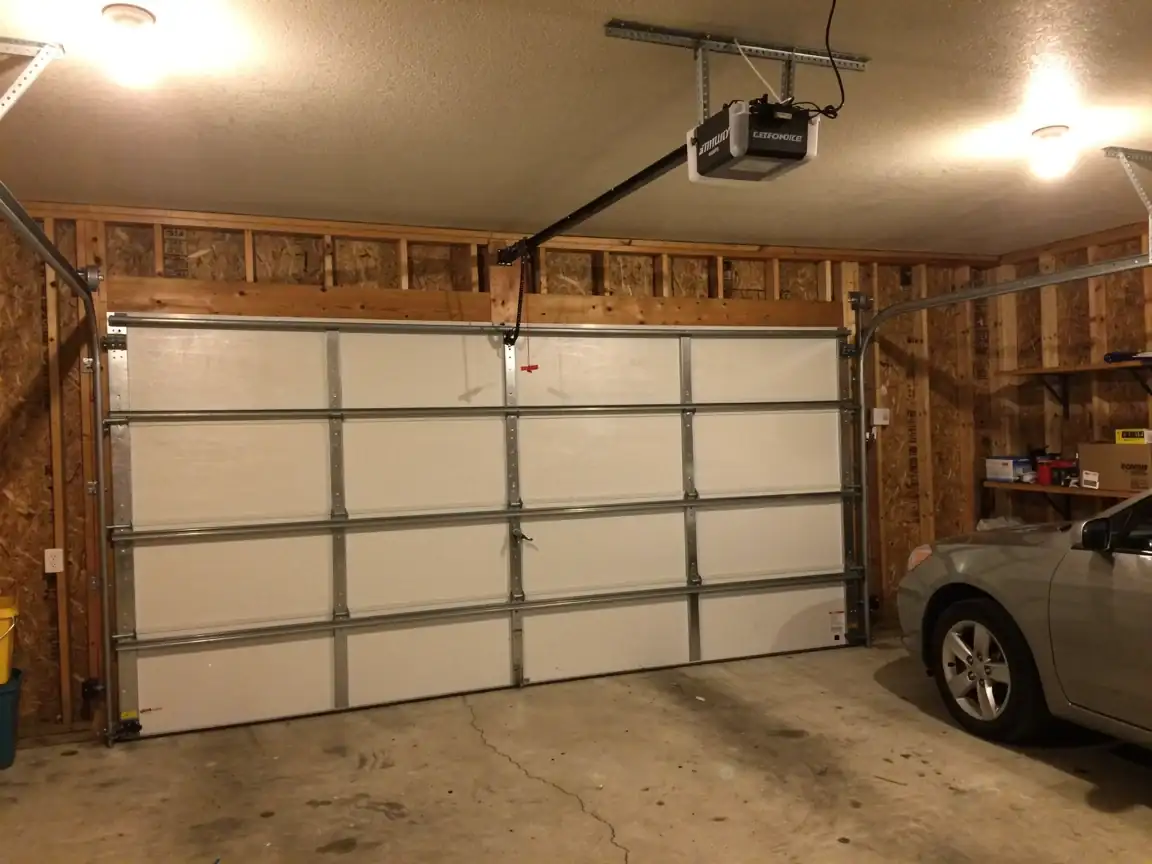
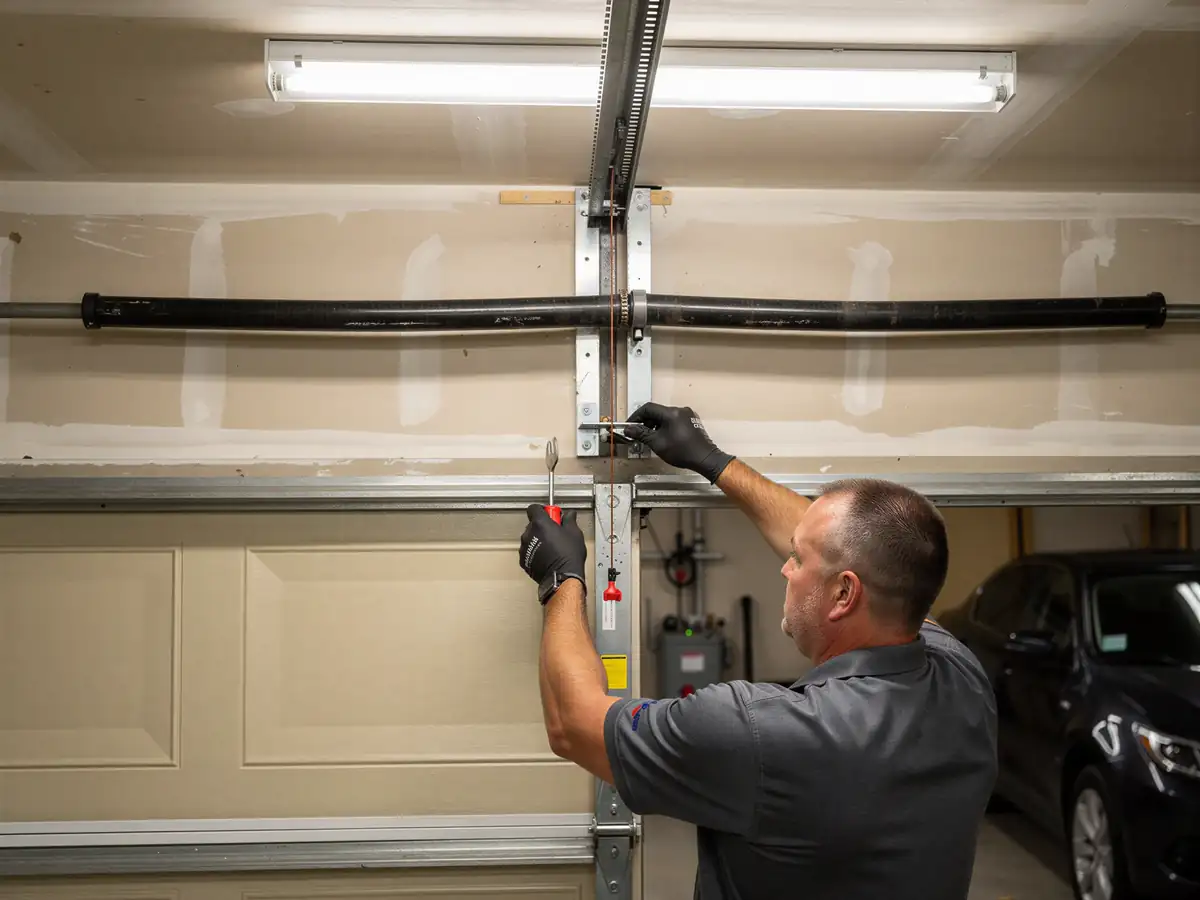
Which matters more than people think when a spring lets go. Builders in that era put heavier insulated steel doors on these homes than the thinner panel doors common in older Lee County stock, and a heavier door needs a stiffer torsion spring to balance it. Replacing that spring costs more than the single, lighter spring you'd find on a 1980s door, and if the door is a double-wide two-car opening, you're often looking at two springs, not one, because that's how builders spec balance on wider spans.
Gateway's median household income runs higher than much of the rest of the service area
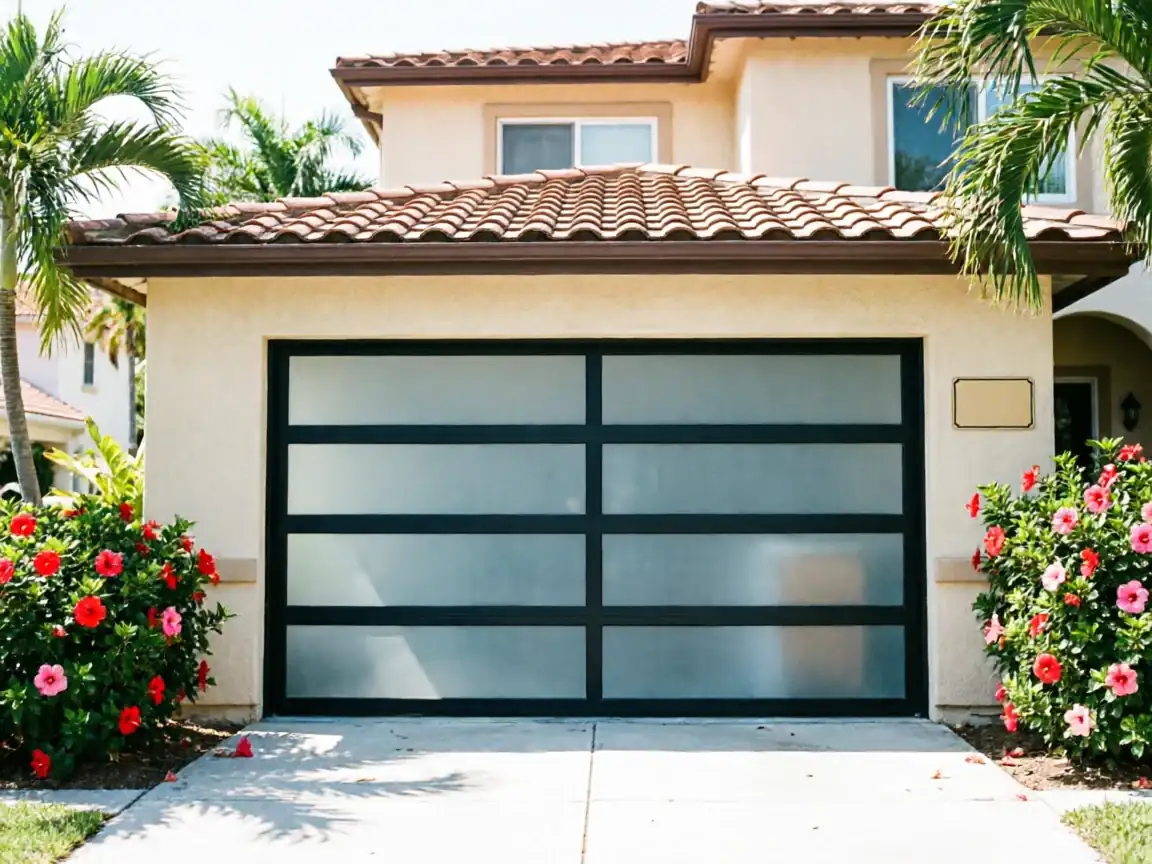
And we see that reflected in the doors themselves - more insulated steel, more windows, more weight on the shaft. None of that changes the physics of a broken spring, but it does change what replacing it costs versus a bare-bones door down the road. We quote the job after we see the door, the spring size, and whether it's a single or dual-spring setup, because guessing on a wider door only means a second trip.
Can You Do This Yourself
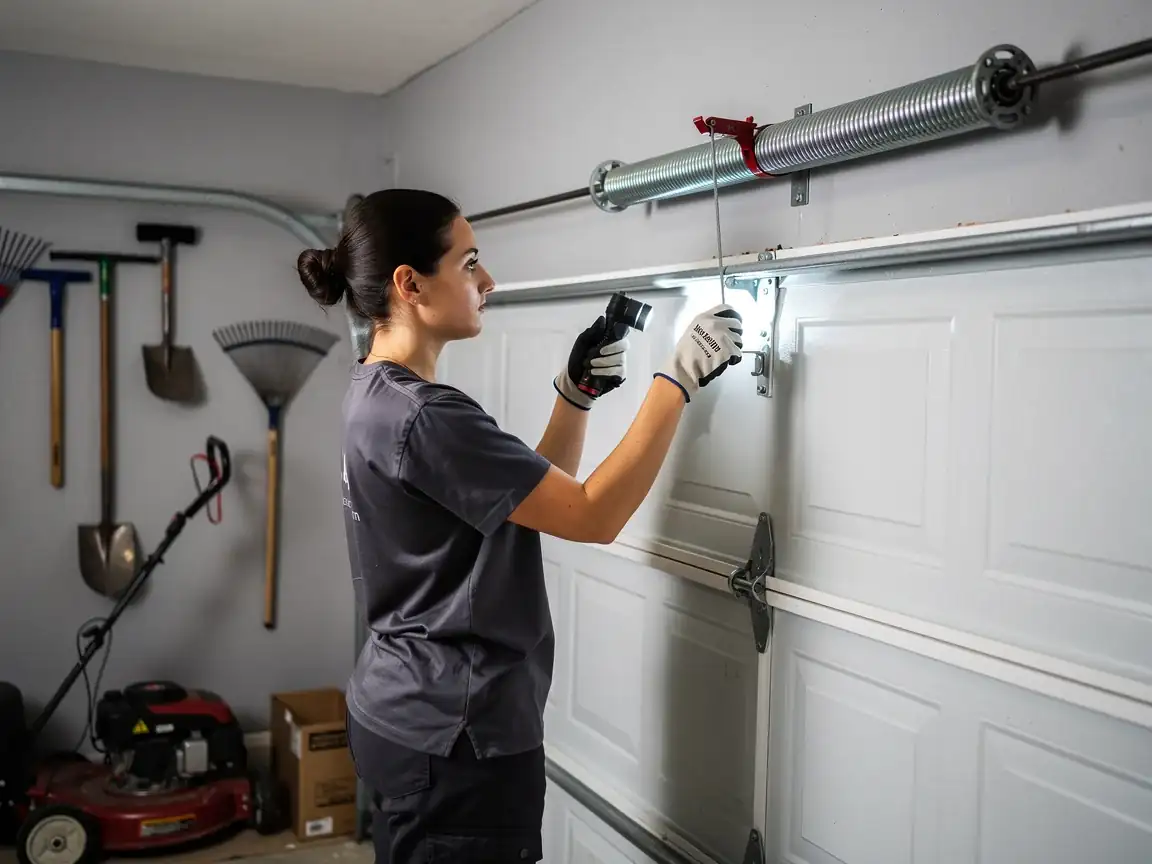
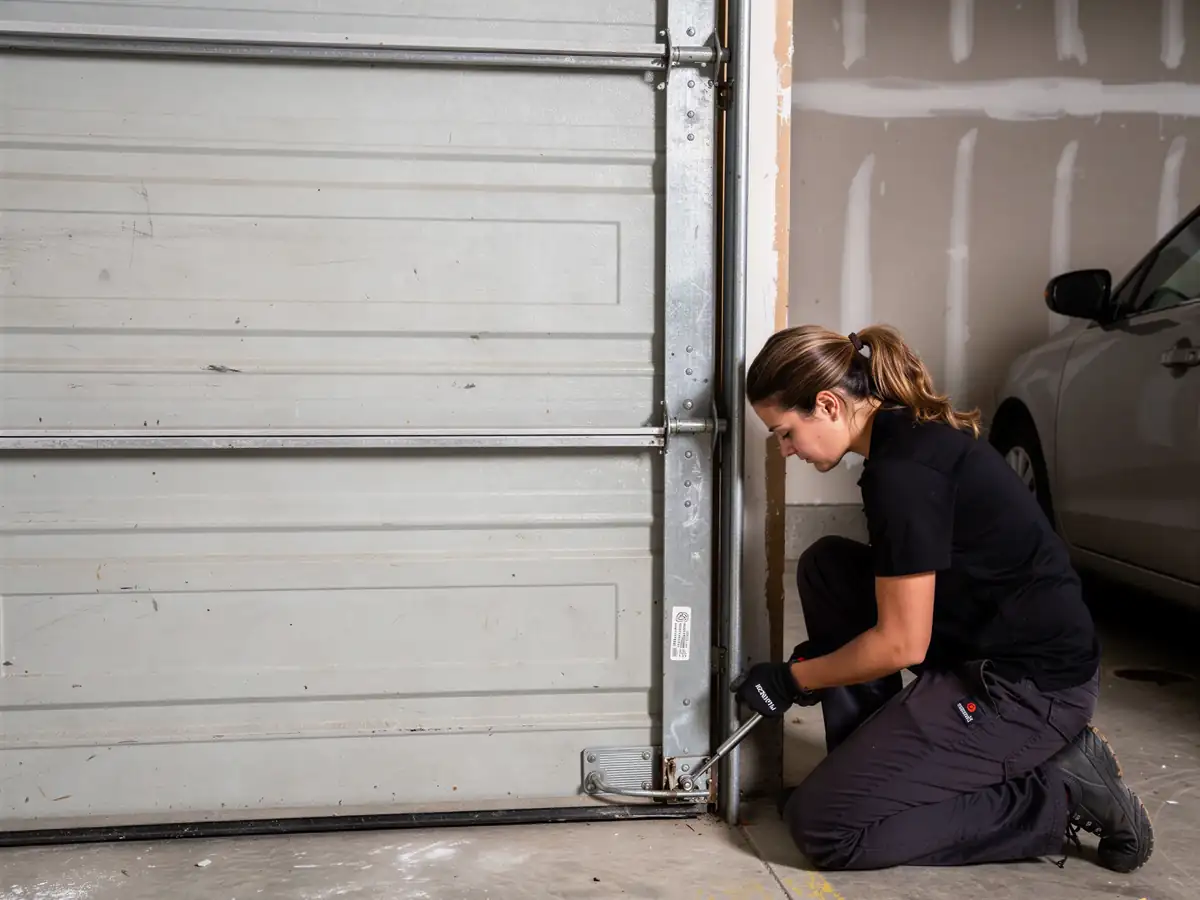
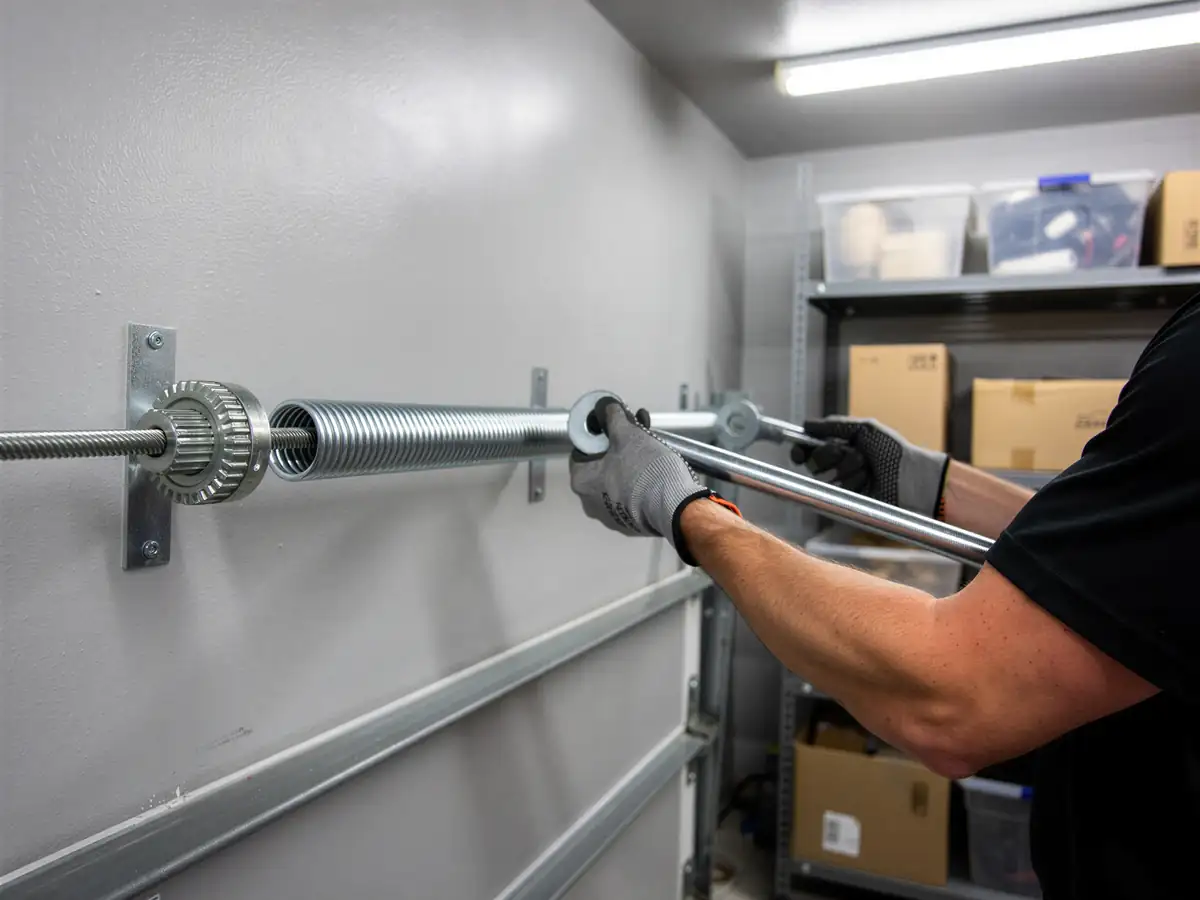
A torsion spring under tension can take a finger or worse if it lets go while you're working on it, and the heavier springs that match Gateway's larger doors store more energy than the lighter springs on an older, smaller door. That's not a reason to scare you off your own garage - it's a reason to be honest that this isn't a weekend project with a socket set and a YouTube video.
What you can do yourself: watch the door cycle and listen. A spring nearing the end of its life on a door this age - most of these houses are now twenty-plus years old - starts making a different sound before it snaps, a kind of grinding or a visible gap opening in the coil. If you see rust starting on the coils even in this mild climate, or the door feels heavier to lift by hand than it used to, that's your spring telling you it's close. Catching it before it snaps under a loaded cable means a cleaner job and no door stuck halfway up with a car trapped inside.
How Long You Are Without the Door
We run out of Estero, and Gateway sits about 11 miles from there, so the time between your call and a truck in your driveway includes that drive. Once we're on site, a single spring swap on a standard door doesn't take long, but Gateway's dual-spring setups on wider two-car doors add time because both springs usually need replacing together - if one gave out from fatigue, the other is on the same clock.
We don't stock every spring size on every truck. If your door uses a less common wire gauge or an odd coil length, which happens more on builder-grade doors from the early 2000s than on older standardized stock, we may need to order the part before we finish the job. That's the honest limitation here: most spring jobs finish same visit, but not all of them, and we'd rather tell you that up front than promise a one-trip fix we can't guarantee on every door type.
How It Shows Up
The door won't lift
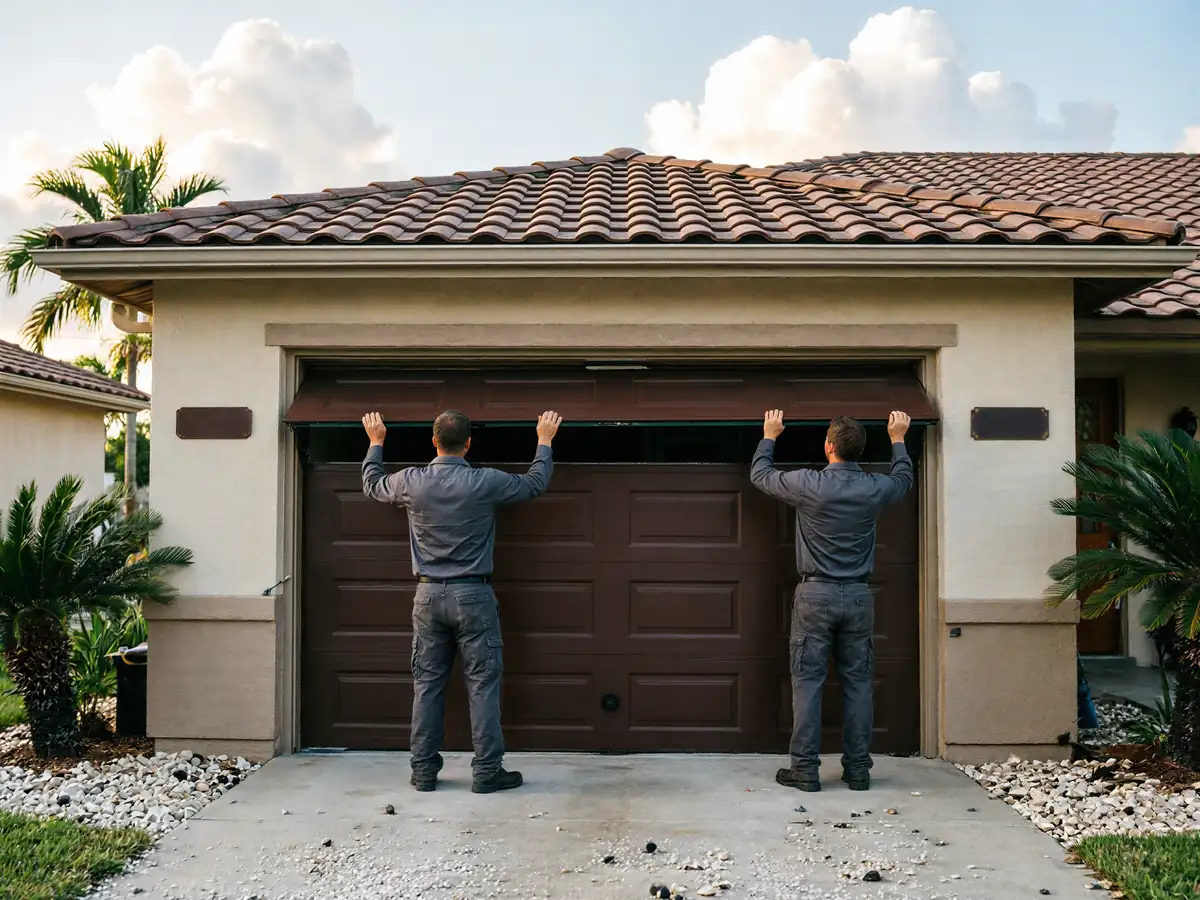
Or it lifts a few inches and stops, or the opener strains and reverses itself - these are the usual signs of a broken spring, and on a Gateway house built in the early 2000s, you're at roughly the age where factory-installed torsion springs reach the end of their rated cycle count. A spring rated for a given number of open-close cycles doesn't care how many years pass; it cares how many times the door has moved, and a door in regular daily use for two decades has put a lot of cycles on that coil.
Sometimes it's quieter than a dead stop
A loud bang from the garage, often mistaken for something falling, is frequently the spring itself letting go. The door may still look fine afterward, sitting shut, until someone tries to open it and nothing happens. If your opener is newer than the house - a lot of Gateway owners have swapped original openers for quieter models over the years - the opener isn't the problem even when it's straining. It's the spring underneath doing none of the lifting it used to.