Can You Do This Yourself
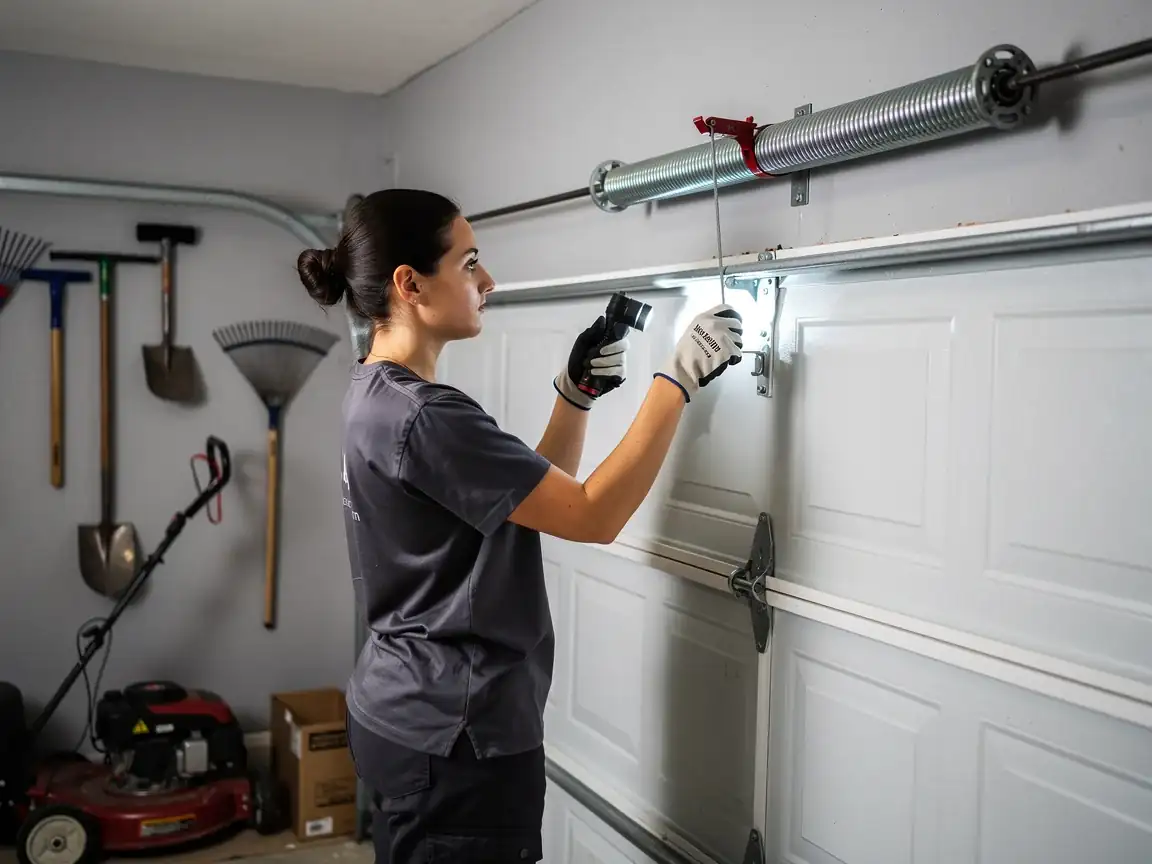
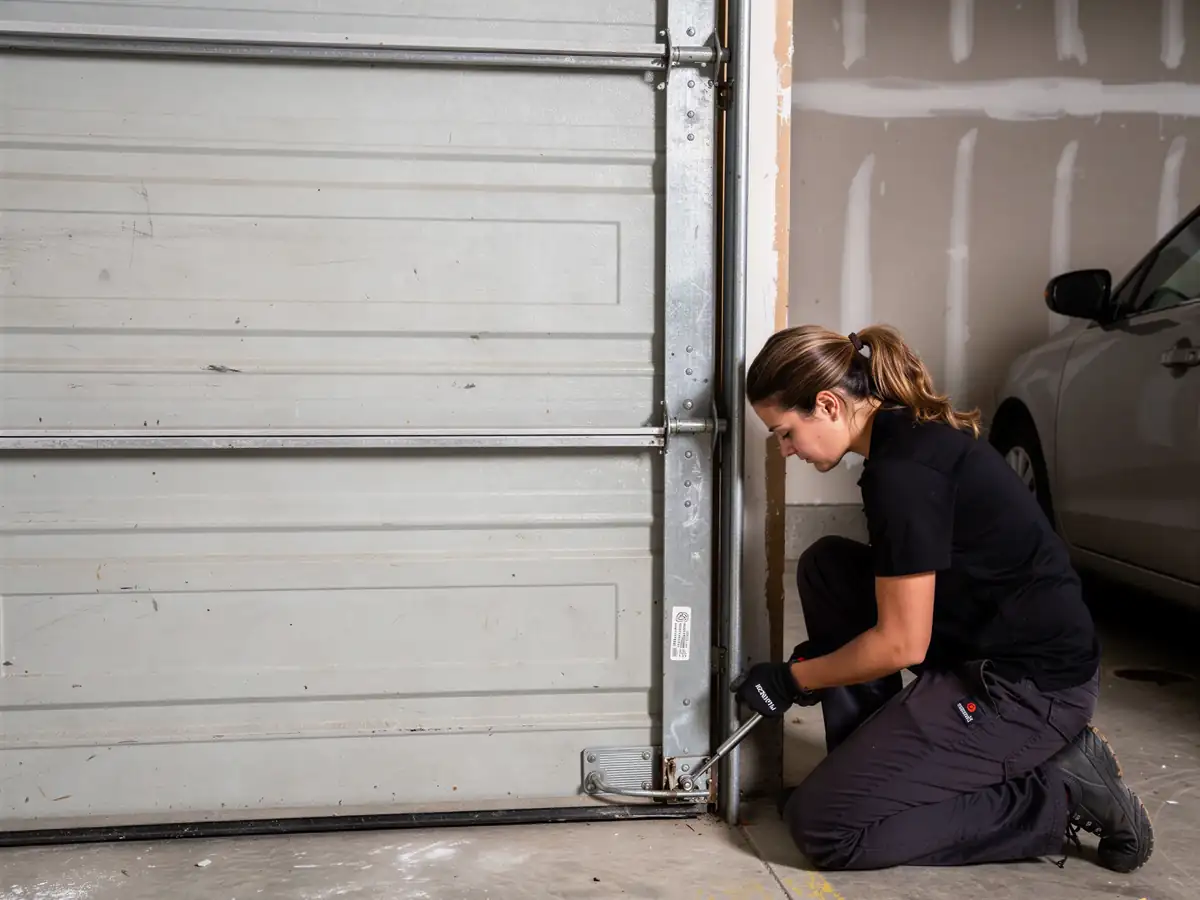
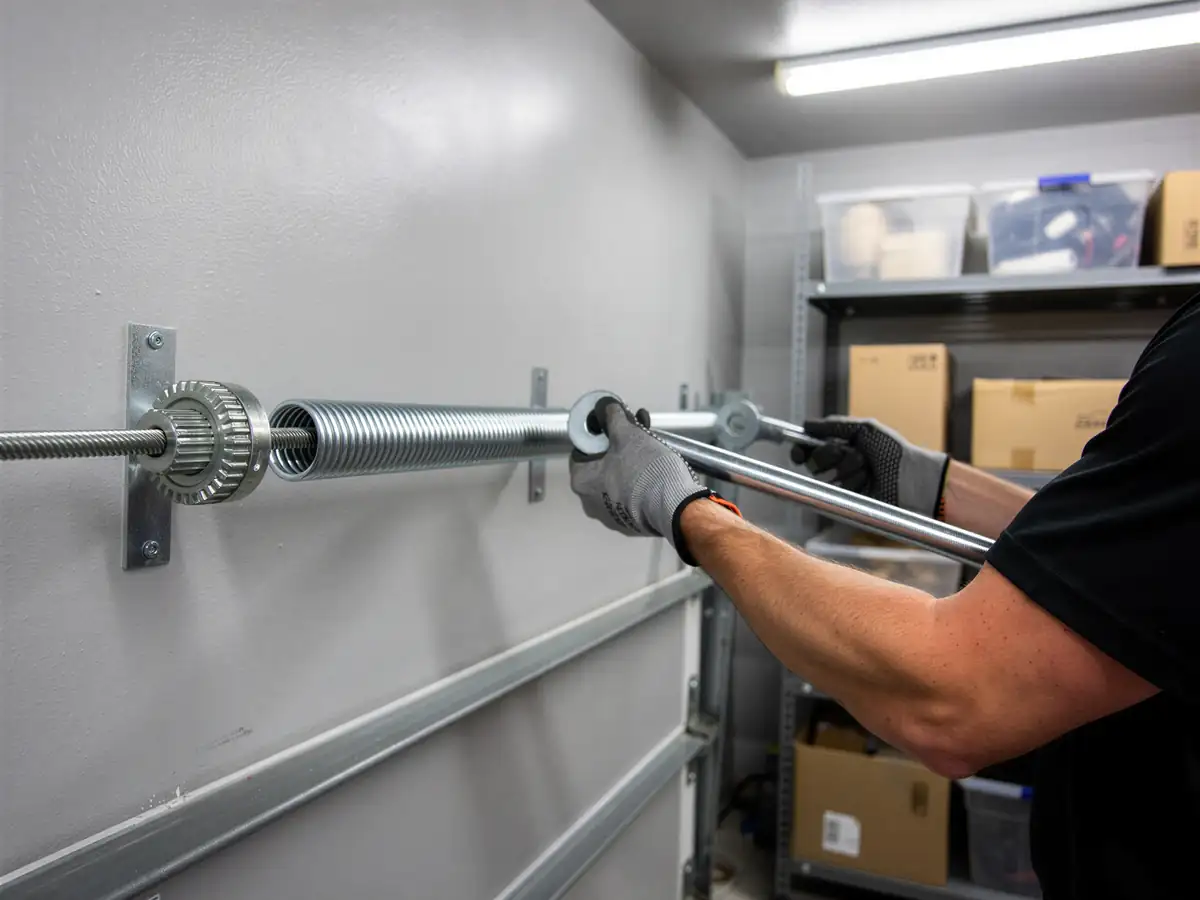
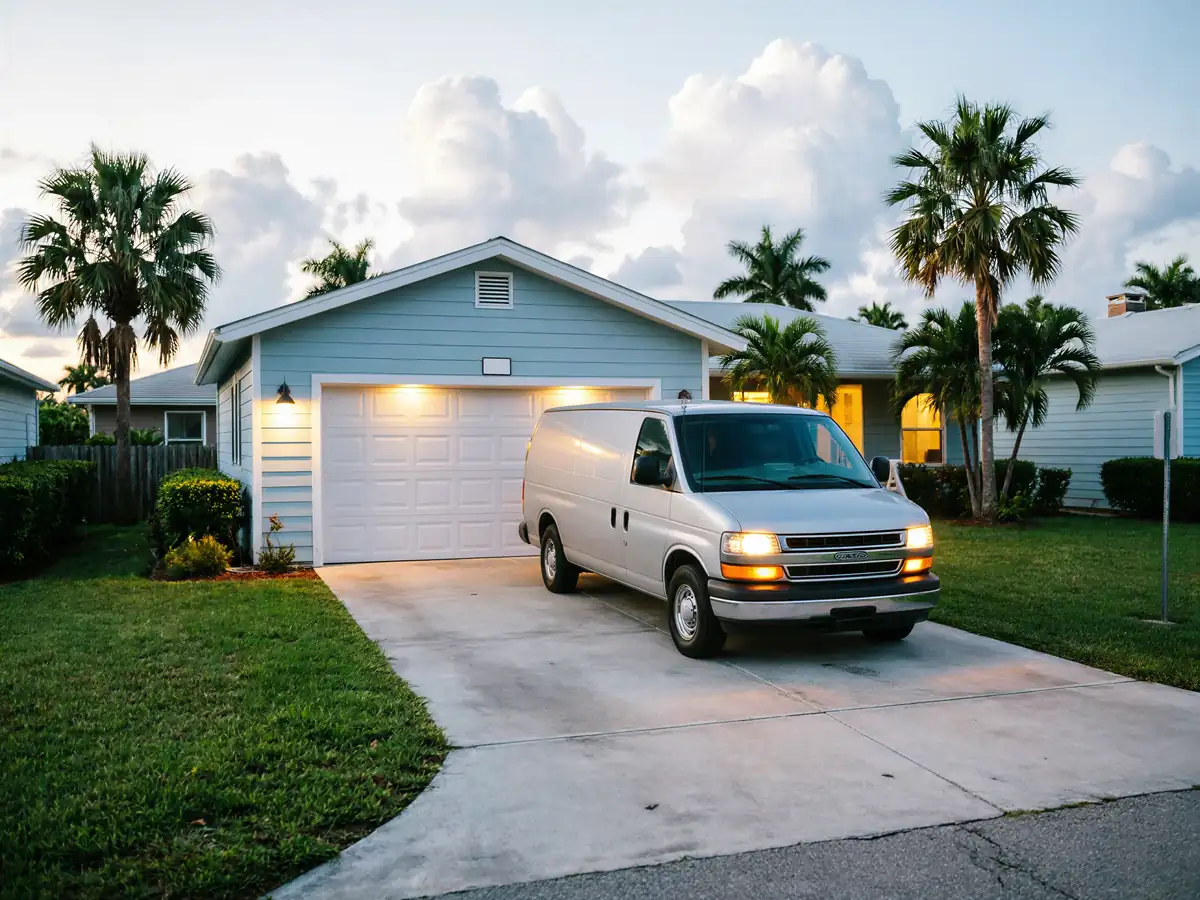
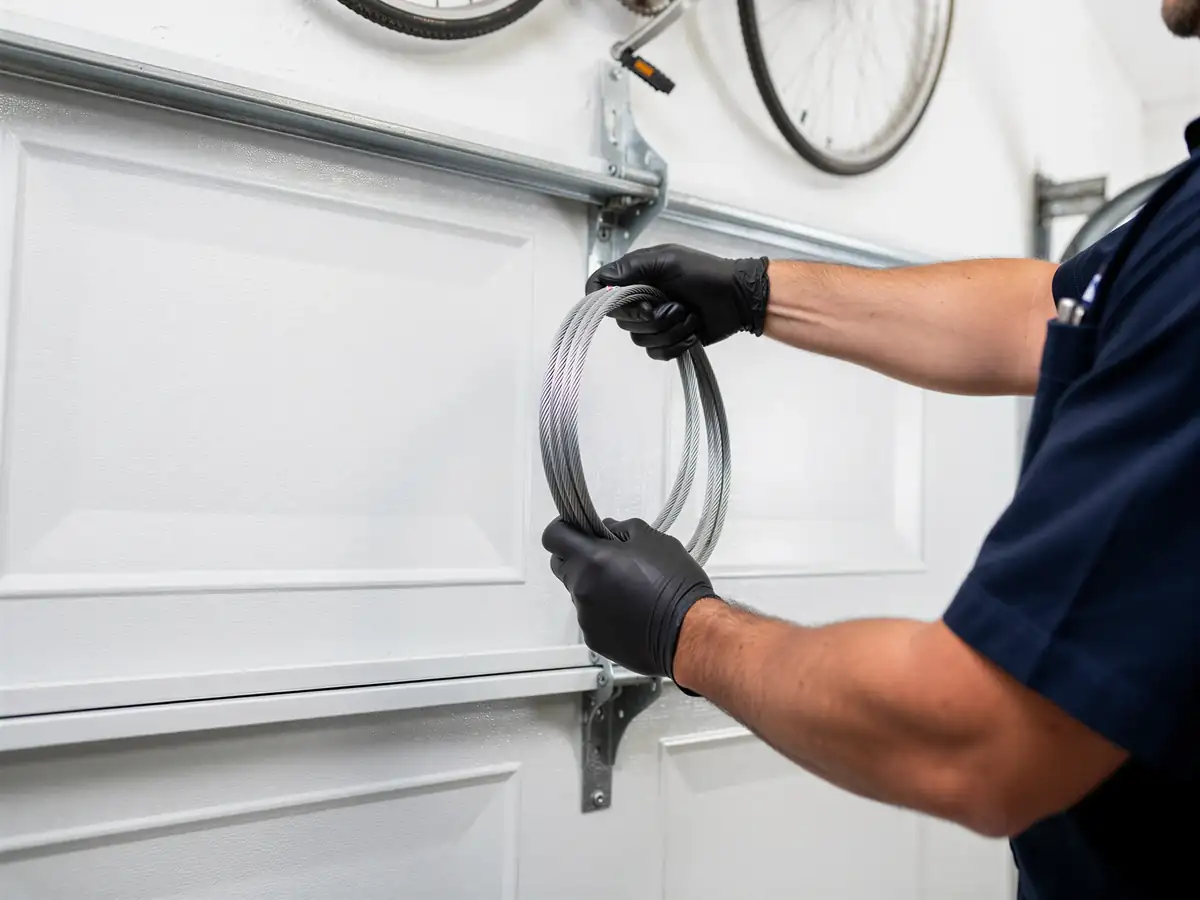
A garage door cable runs under real tension - it's wound around a drum that's under spring load, and letting it go wrong while you're standing under the door is how people get hurt. If a cable has already snapped and the door is sitting crooked or jammed in the track, don't try to force it level or pull the cable free yourself. That's a call for us, and it's an 11-mile drive out from Estero either way, so there's no saving time by starting the job and getting stuck partway through.
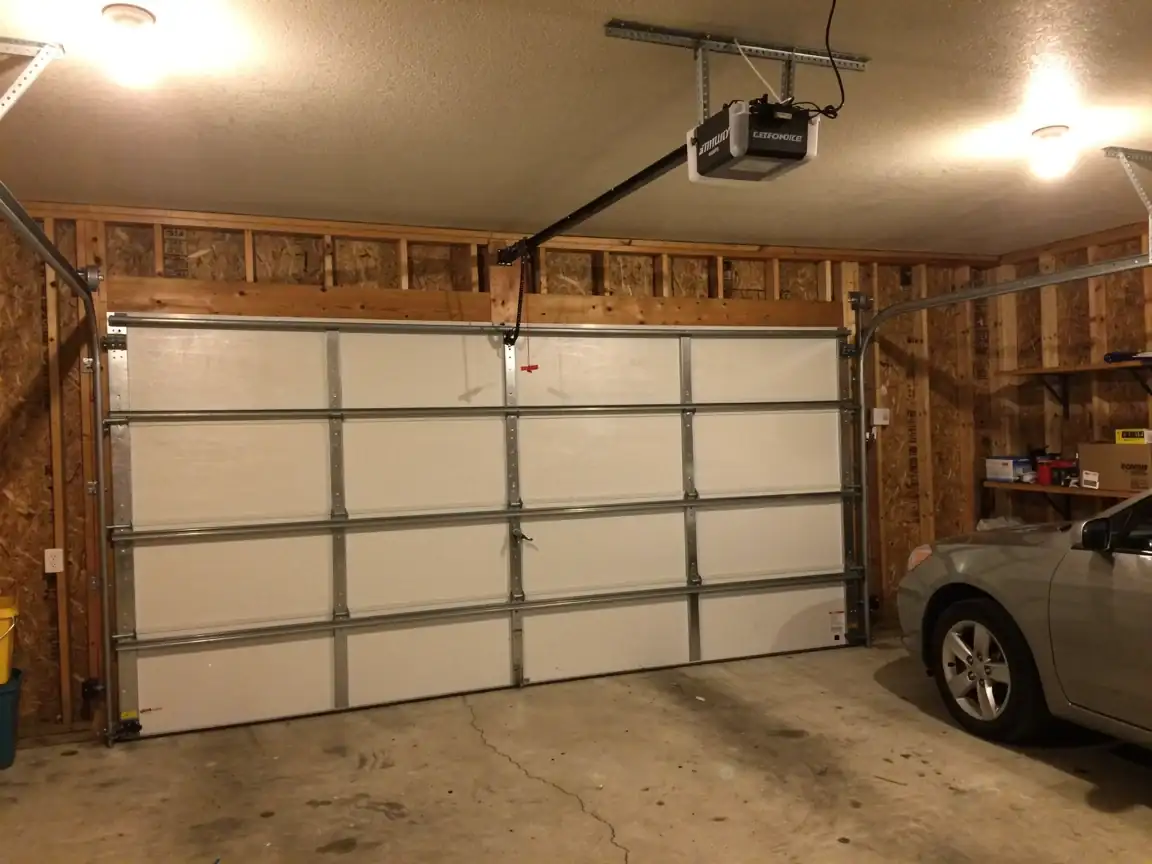
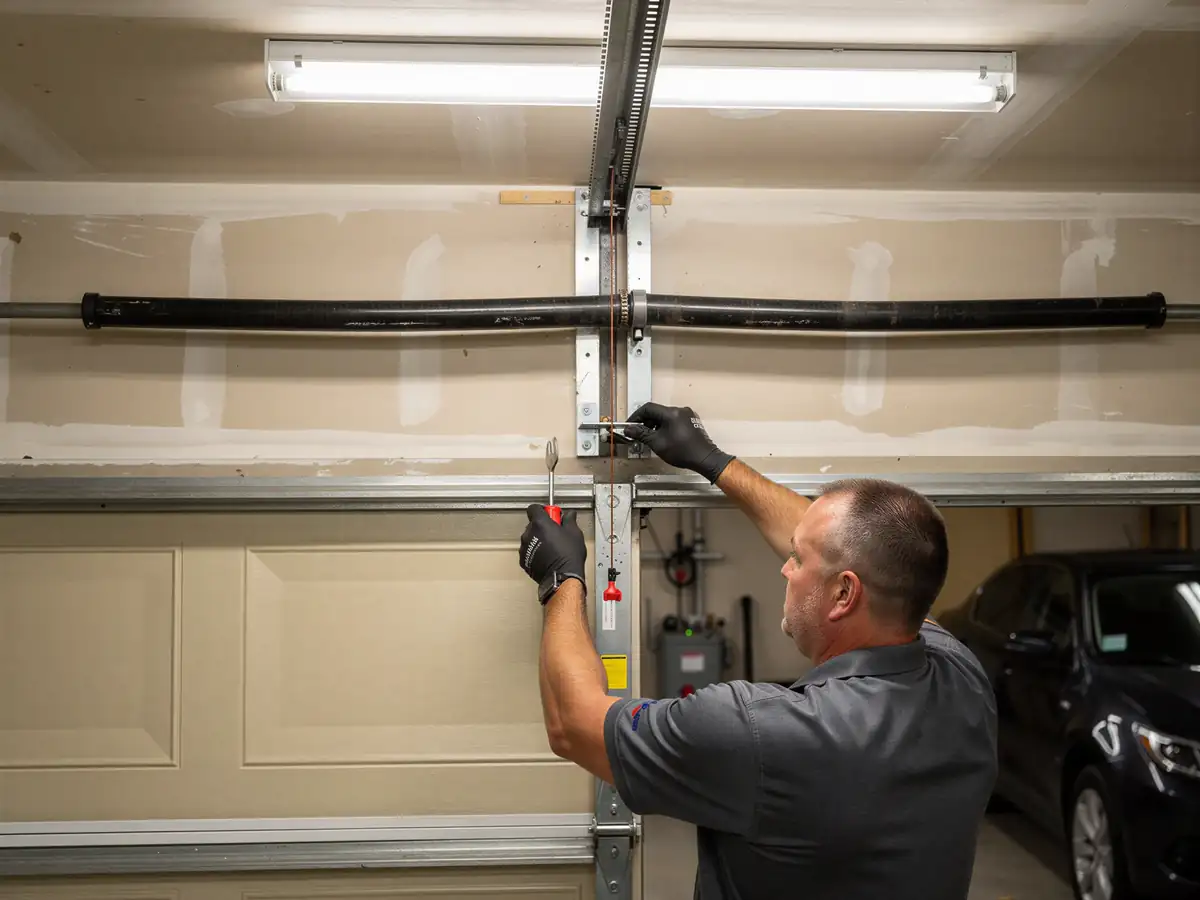
What you can do safely: look at the cable without touching it. Gateway's doors are mostly from the early-to-mid 2000s build-out, so if you're seeing rust or fraying on a cable that age, that's wear catching up with the hardware, not a fluke. Check that the door isn't hanging unevenly - one side higher than the other is often the first sign a cable is about to go. If the opener still runs but the door binds or scrapes one side of the frame, stop running the opener. That strain is exactly what turns a cable replacement into a track and roller job too.
How Long You Are Without the Door
A single-cable failure on a well-maintained door is usually a straightforward swap - we pull the old cable, check the drum and the other side's cable for matching wear, and reset tension on both. Where it runs longer is when a cable snaps and the door drops hard enough to bend a track or crack a panel on the way down, which we see more on double doors carrying the extra weight unevenly. Gateway's housing stock being newer than much of the surrounding area cuts both ways: less corrosion overall given the area's mild climate, but it also means a lot of these doors are hitting the 18-to-22-year mark on original hardware at roughly the same time, so cable wear tends to show up in clusters rather than as one-off failures.
We don't stock every size of replacement cable or drum on the truck for every door model, so if yours is an uncommon size, we may need to come back with the right part rather than keep you waiting at the house while something gets sourced. We'll tell you straight if that's the case before we start.
How It Shows Up
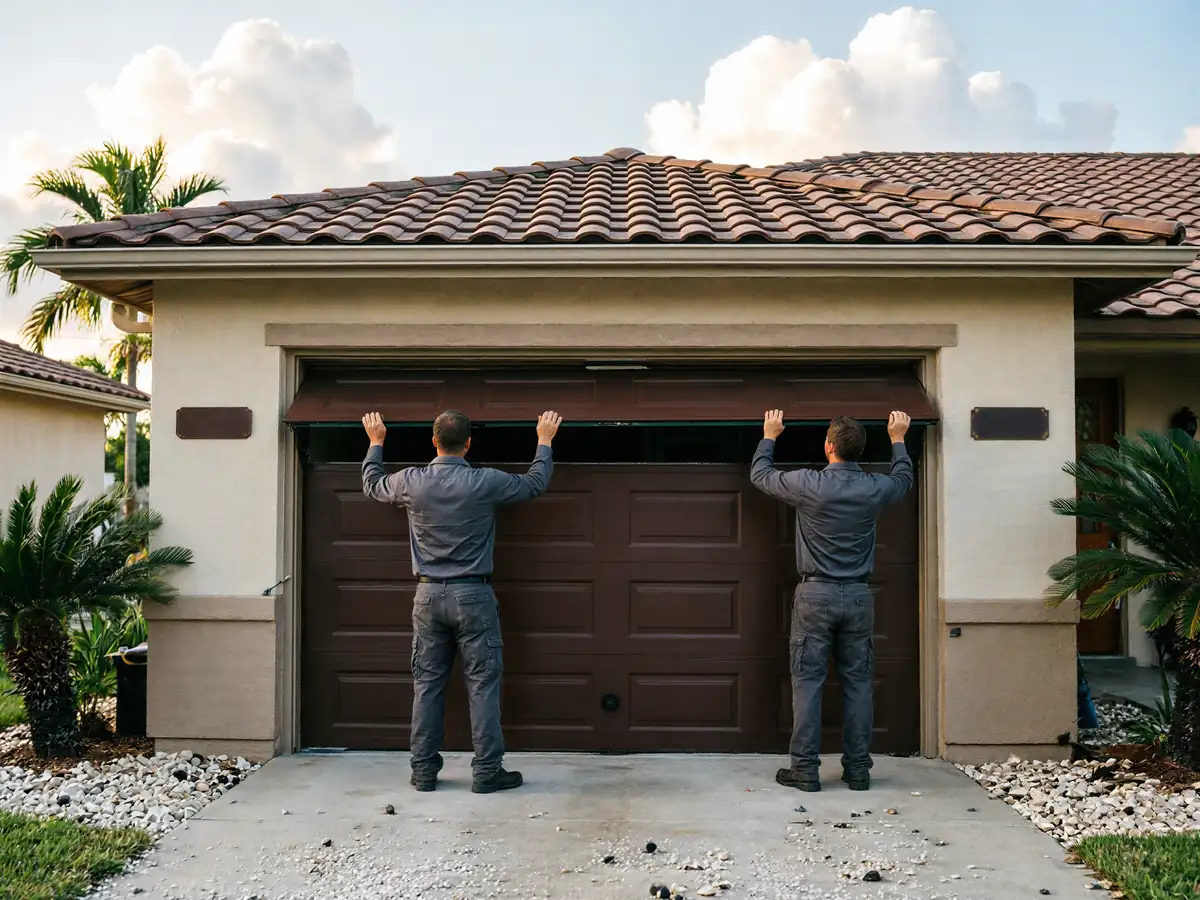
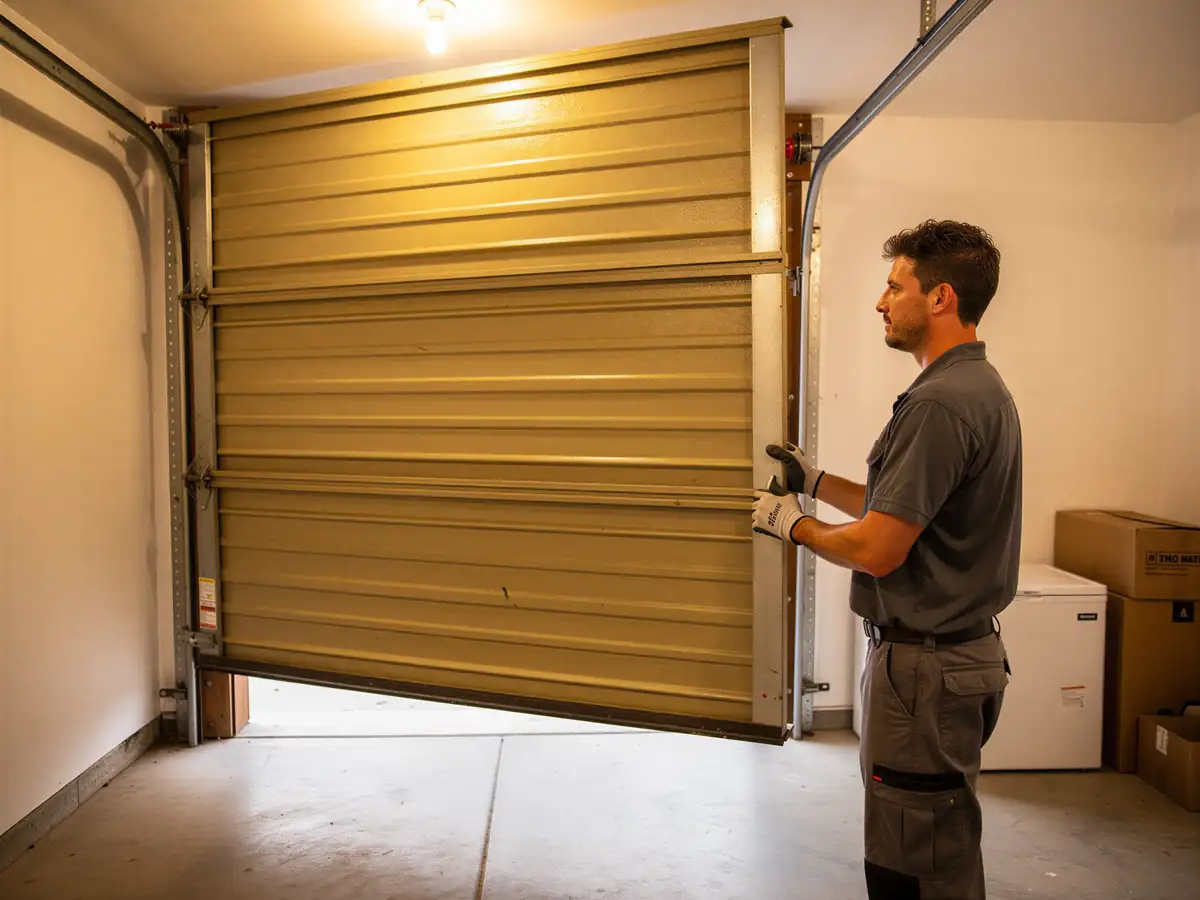
The way a cable failure shows up on a Gateway door is usually a door that drops unevenly
One corner lower than the other - or a door that won't budge at all because the slack cable has jumped the drum and jammed. Fraying is the early warning: thin strands sticking out near the bottom bracket or where the cable wraps the drum. Because Gateway's homes were mostly built in and around 2003, the cables on a lot of these doors are original, meaning the ones failing now are doing it on a predictable timeline rather than from storm damage or a one-time accident.
If you hear a loud bang and the door won't move afterward
That's often a cable letting go under tension rather than the spring - the two fail differently, but both need someone to look at the drums, the track, and the bottom brackets before the door runs again. Don't keep hitting the opener remote hoping it frees up; that just adds strain to a system that's already lost part of what's holding the door level.