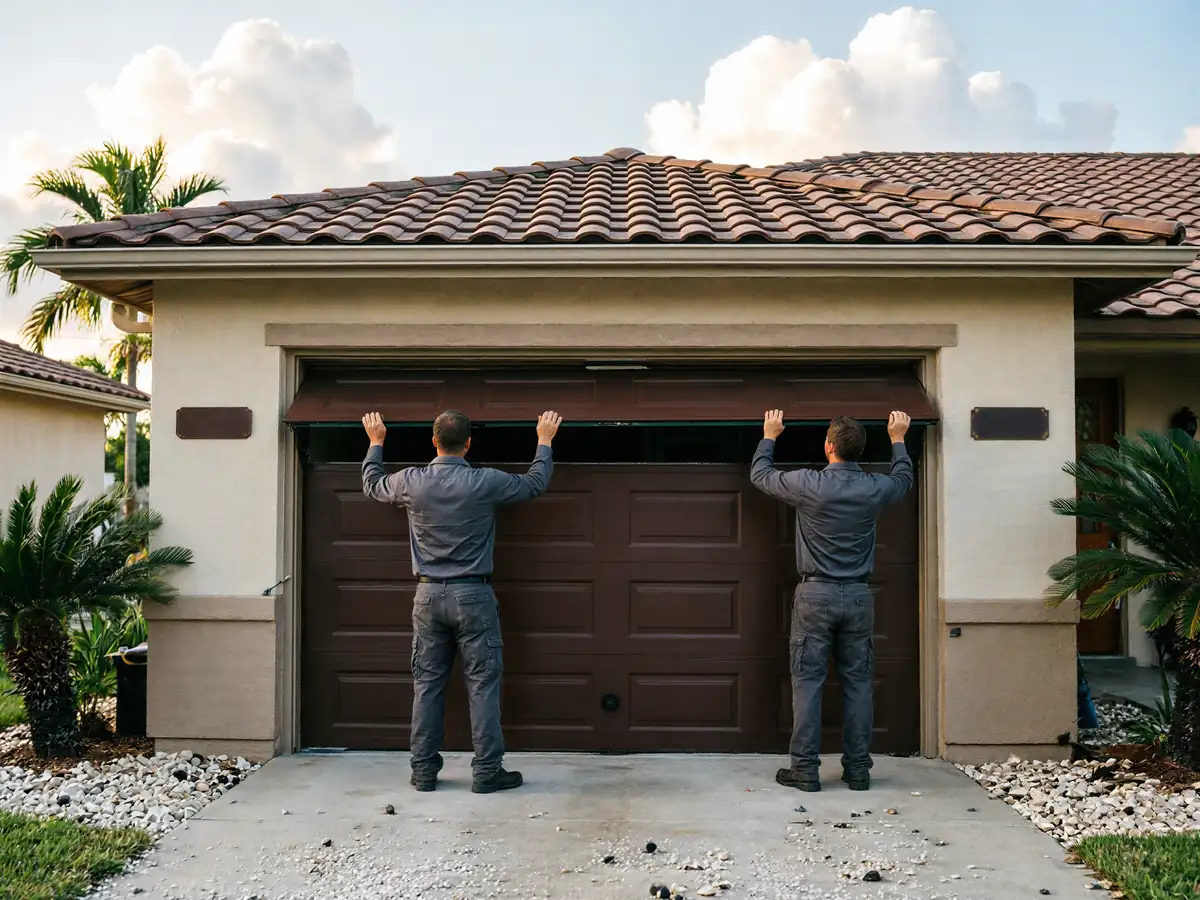
Most Gateway homes went up around 2003, which means newer torsion hardware. Here's what maintenance runs, what you can do, and what to expect from Estero.
Gateway's median household income runs $103,161, well above the $92,575 median across the rest of the service area Estero Garage Door Pros covers. That number matters here because it changes where the repair-or-replace line sits. On an older door with a worn-out torsion drum and a rusted track, replacement often makes more financial sense once a household can absorb the upfront cost without much strain. Gateway skews the other way. Most doors here are younger, installed when the neighborhood was built out around 2003, so the parts inside them are still serviceable steel and nylon, not relics. For a household at this income level, routine maintenance on a 20-year-old door is usually the better spend than a premature replacement, because the hardware hasn't aged out yet. We don't publish a flat maintenance price in writing because the work varies with door size, spring count, and what the last inspection turned up. What we can say is that catching a frayed cable or a dry hinge during a maintenance visit costs a fraction of what the same part costs to fix after it fails mid-cycle and takes the opener motor with it.
Can You Do This Yourself
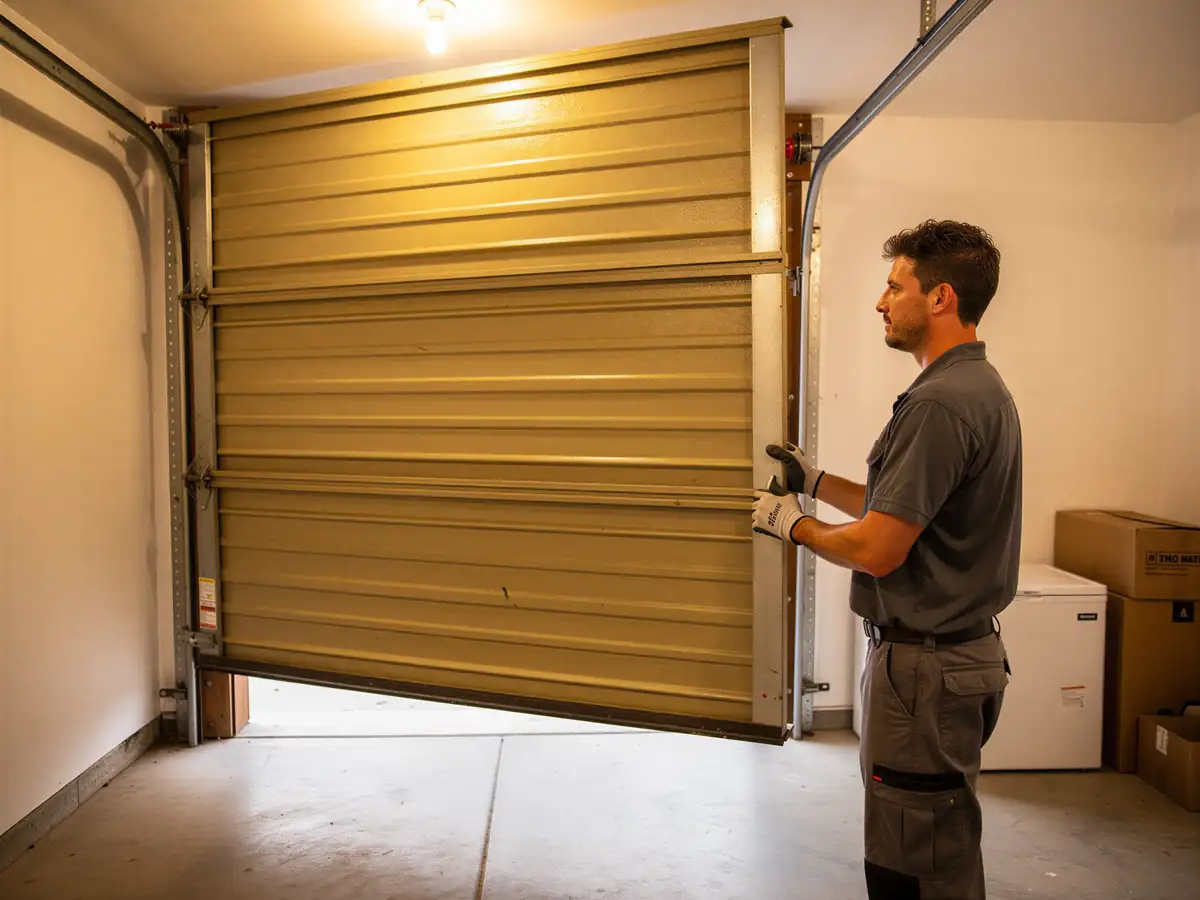
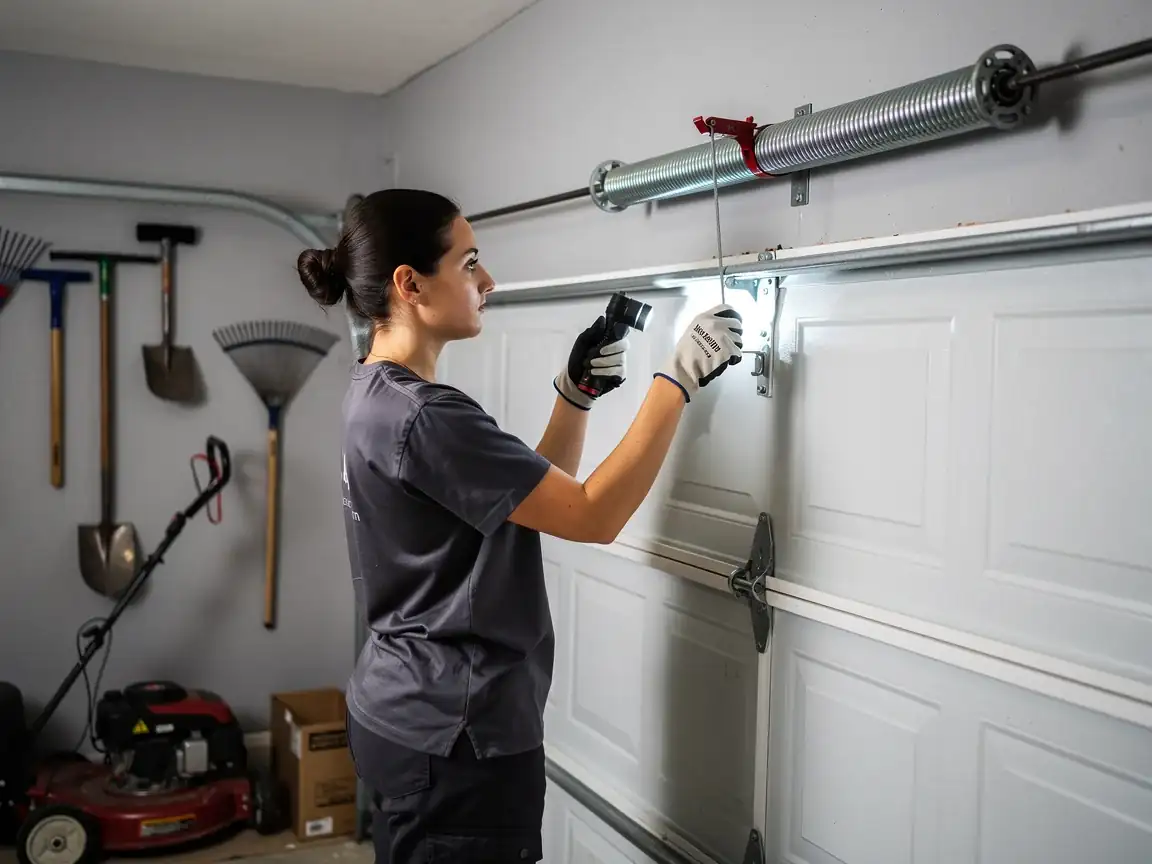
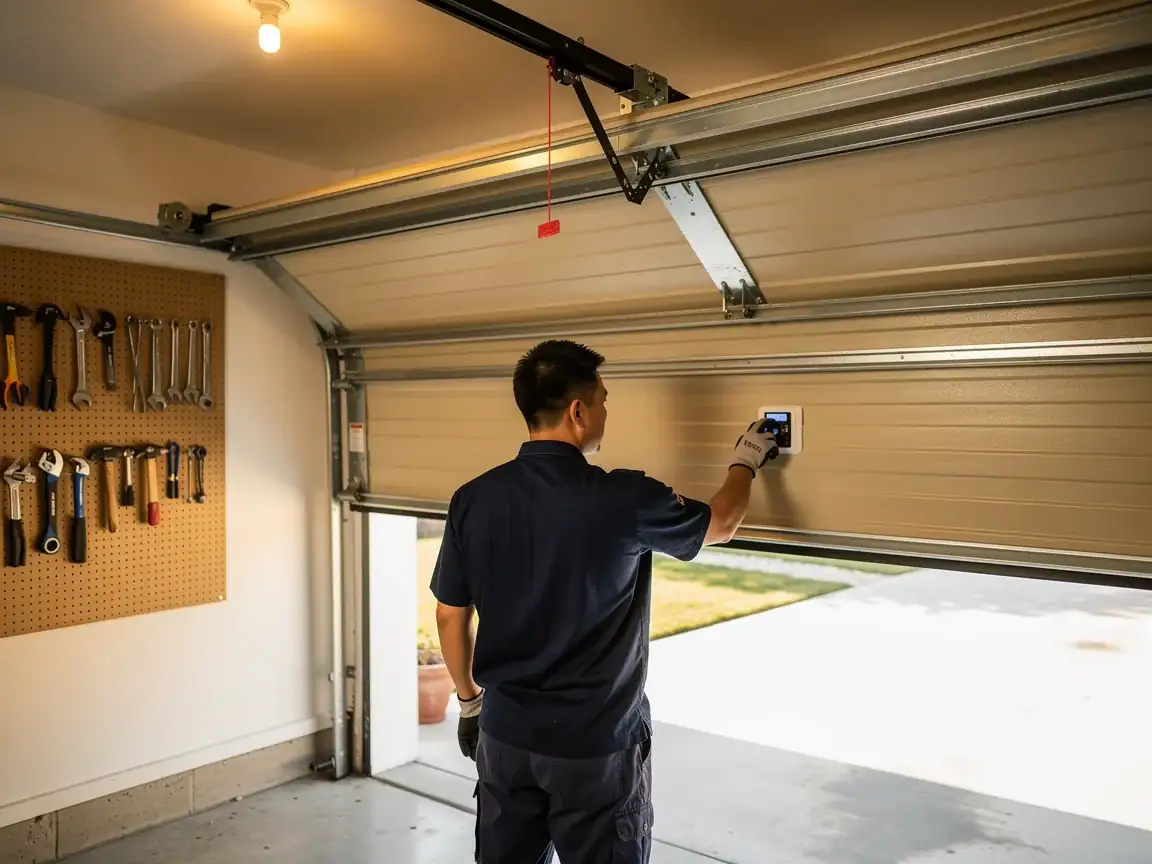
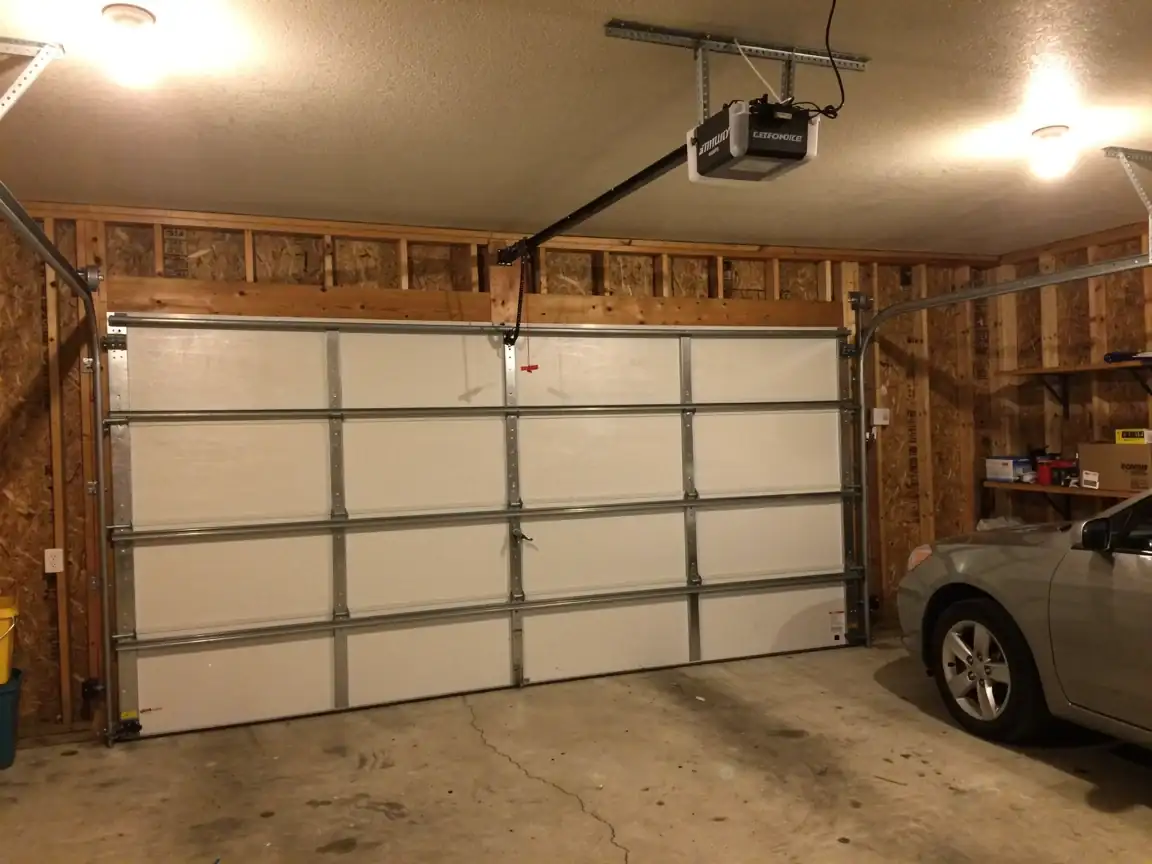
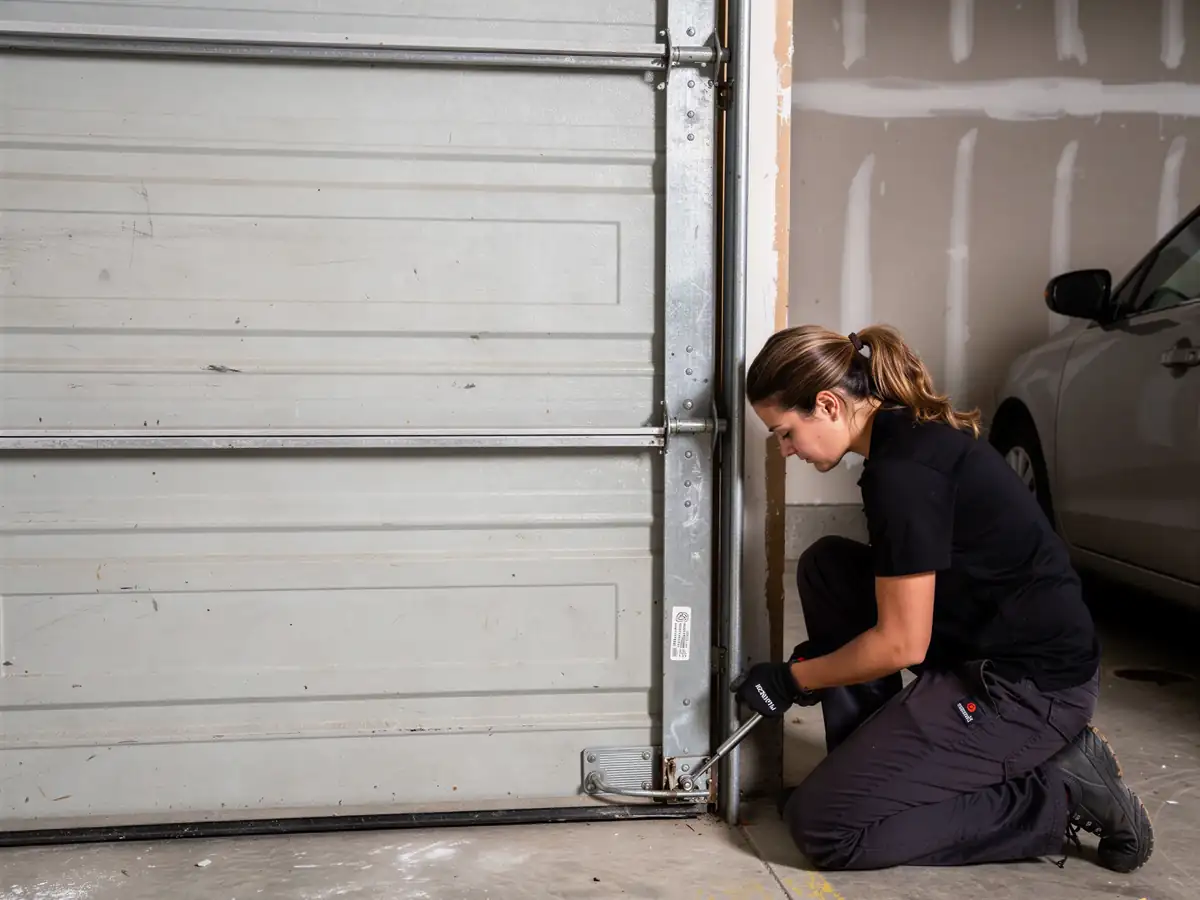
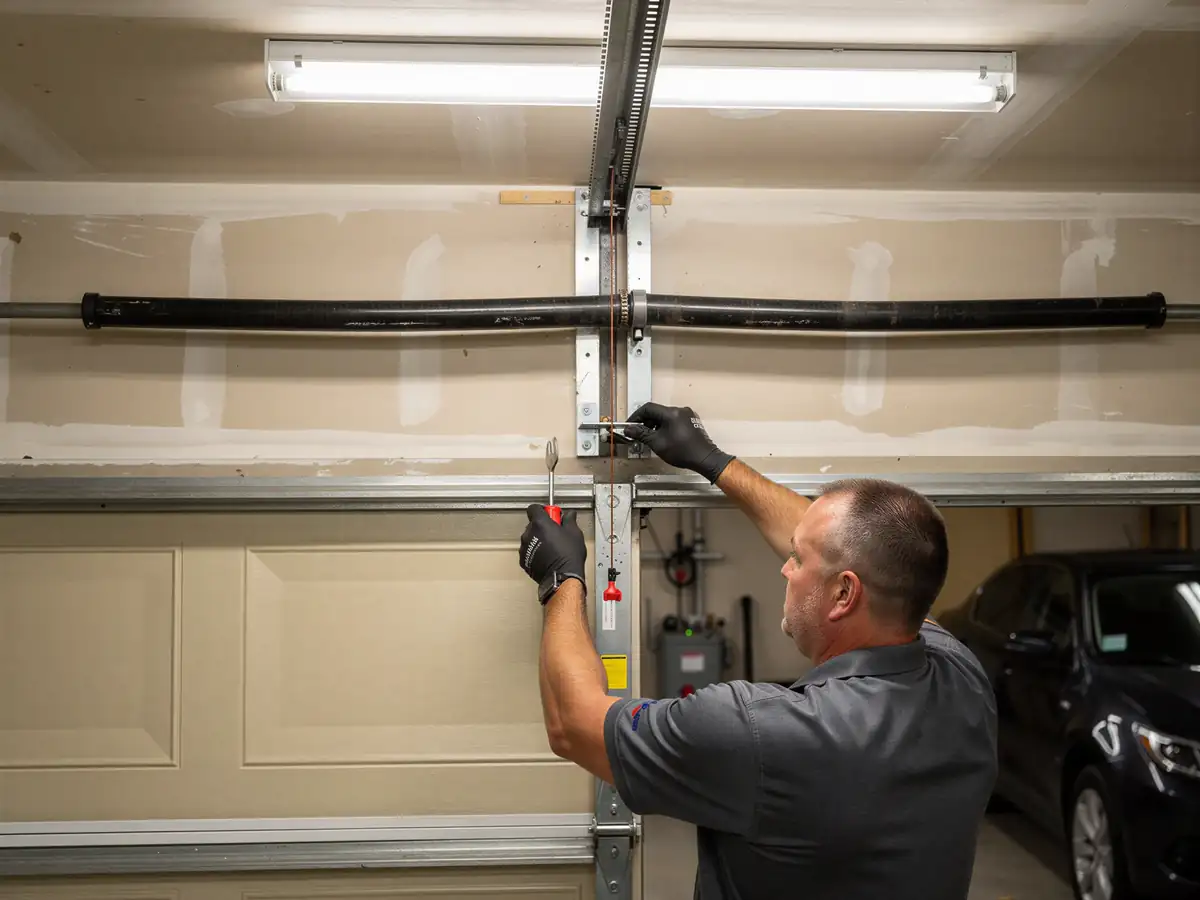
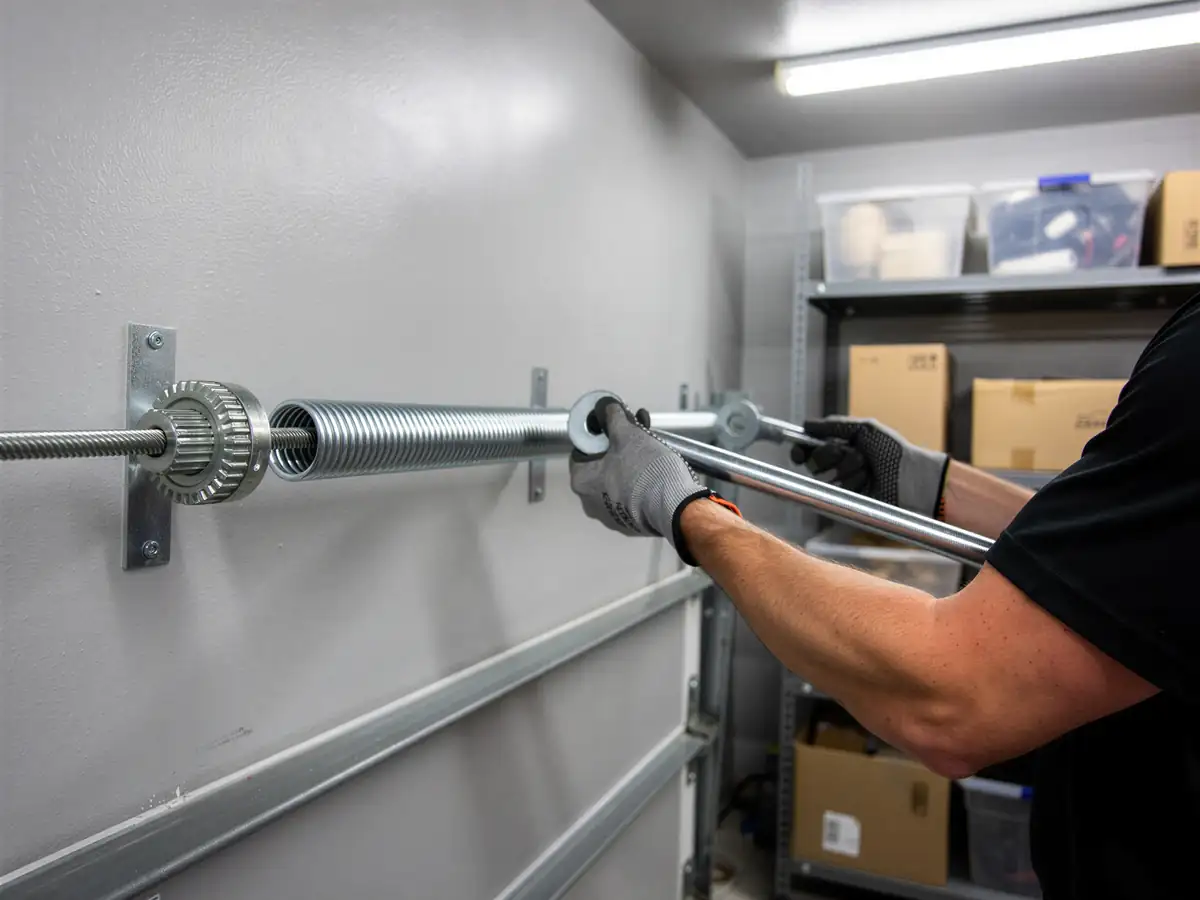
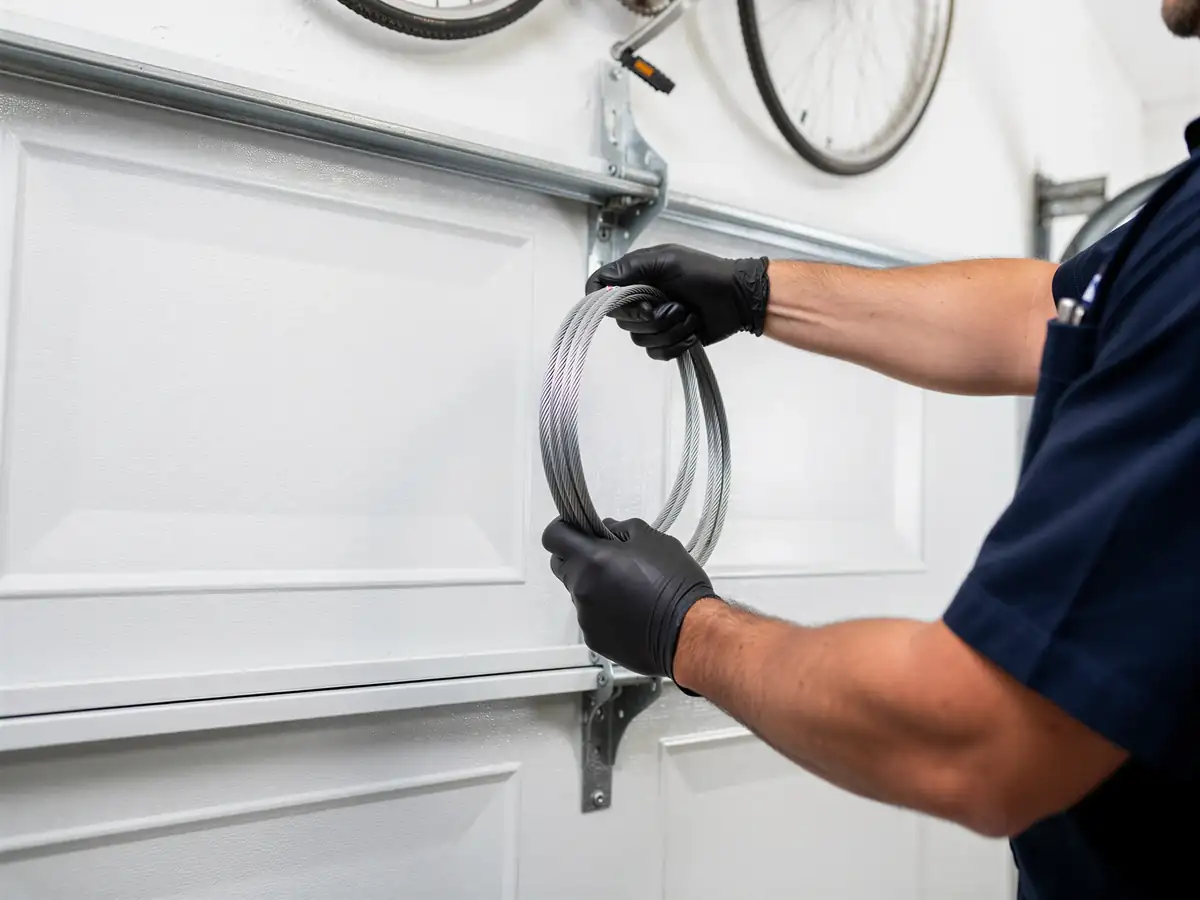
Some of it, yes. If your Gateway home was built around 2003 like most on this side of the service area, you're looking at a steel sectional door on nylon rollers and a torsion or extension spring setup that was standard for that build era. You can safely wipe down and lubricate the tracks, check that the rollers spin freely instead of grinding, and watch for fraying on the lift cables. You can also test the auto-reverse safety feature by setting a 2x4 flat on the ground where the door closes and confirming it reverses on contact. What you shouldn't touch is the spring itself. A torsion spring under tension can do real damage if it lets go while you're working near it, and that's true whether the door is two years old or twenty. If a spring looks stretched, rusted at the coils, or the door feels heavier than it used to on the way up, that's a call, not a weekend project.
How Long You Are Without the Door
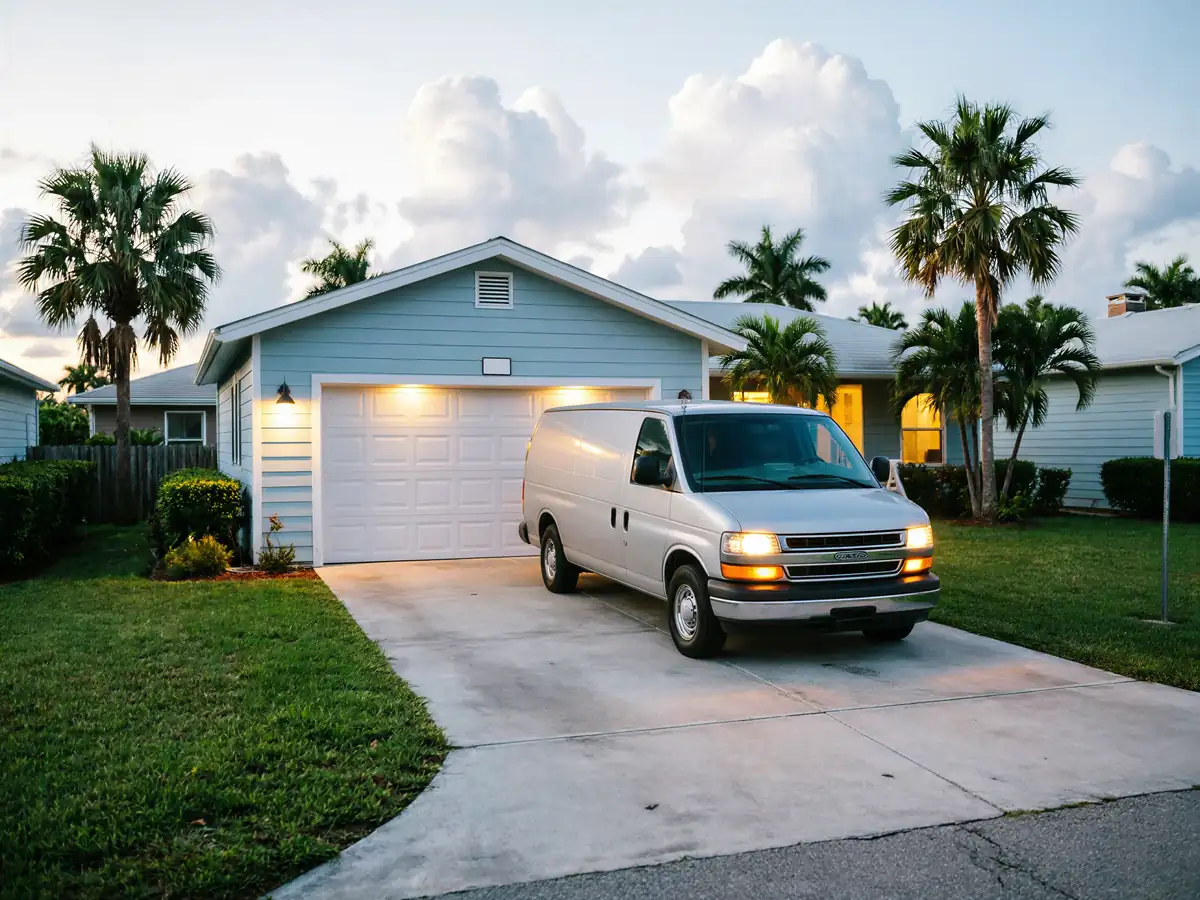
Maintenance visits aren't emergency calls, and we schedule them that way. Gateway sits about 11 miles from our Estero base, which is far enough that we plan the route rather than drop everything the moment the phone rings. That's an honest limitation worth stating up front: we don't offer a same-day guarantee for routine maintenance here the way we might for a job closer to the shop. What that means practically is you book a window, the truck comes out from Estero, and the door stays in normal working order the entire time since nothing is broken yet. Maintenance is the opposite of an emergency repair in that sense. The whole point of getting ahead of wear with a scheduled visit is that you're never standing in the driveway with a door stuck halfway up, waiting on a truck.
How It Shows Up
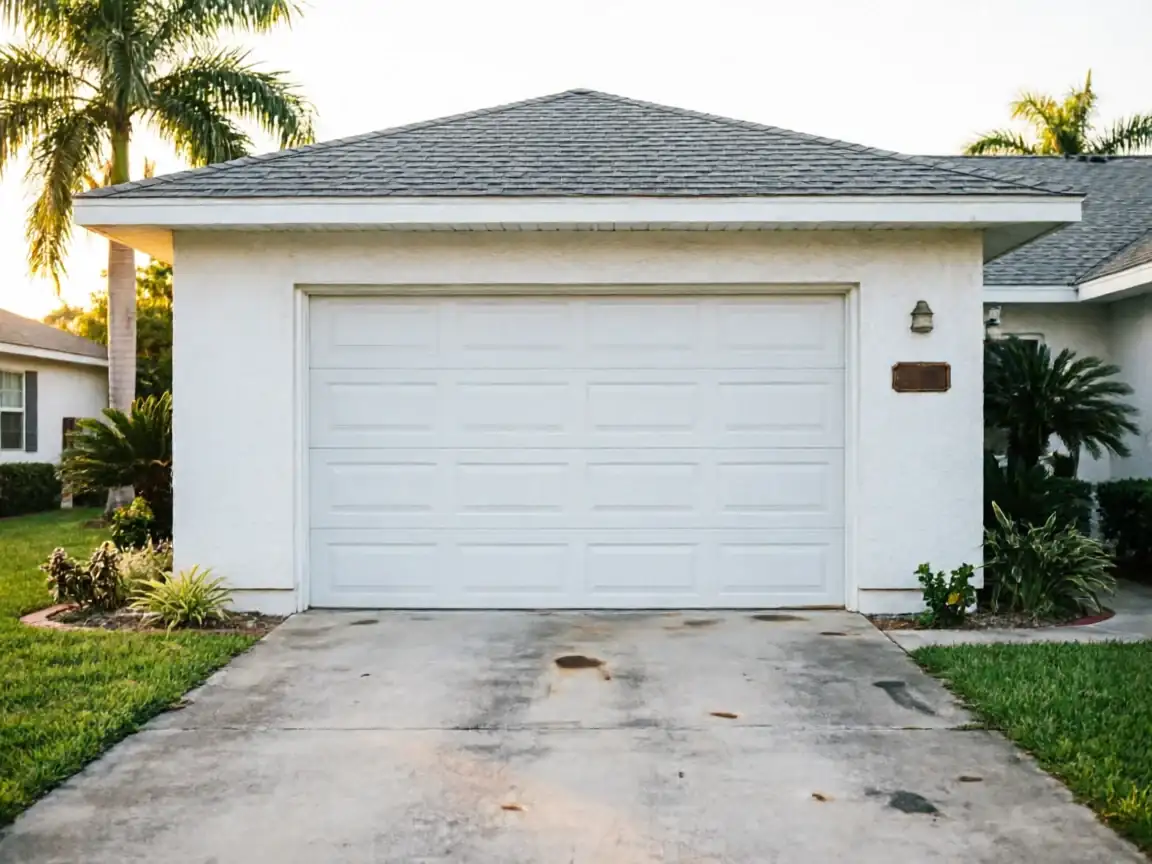
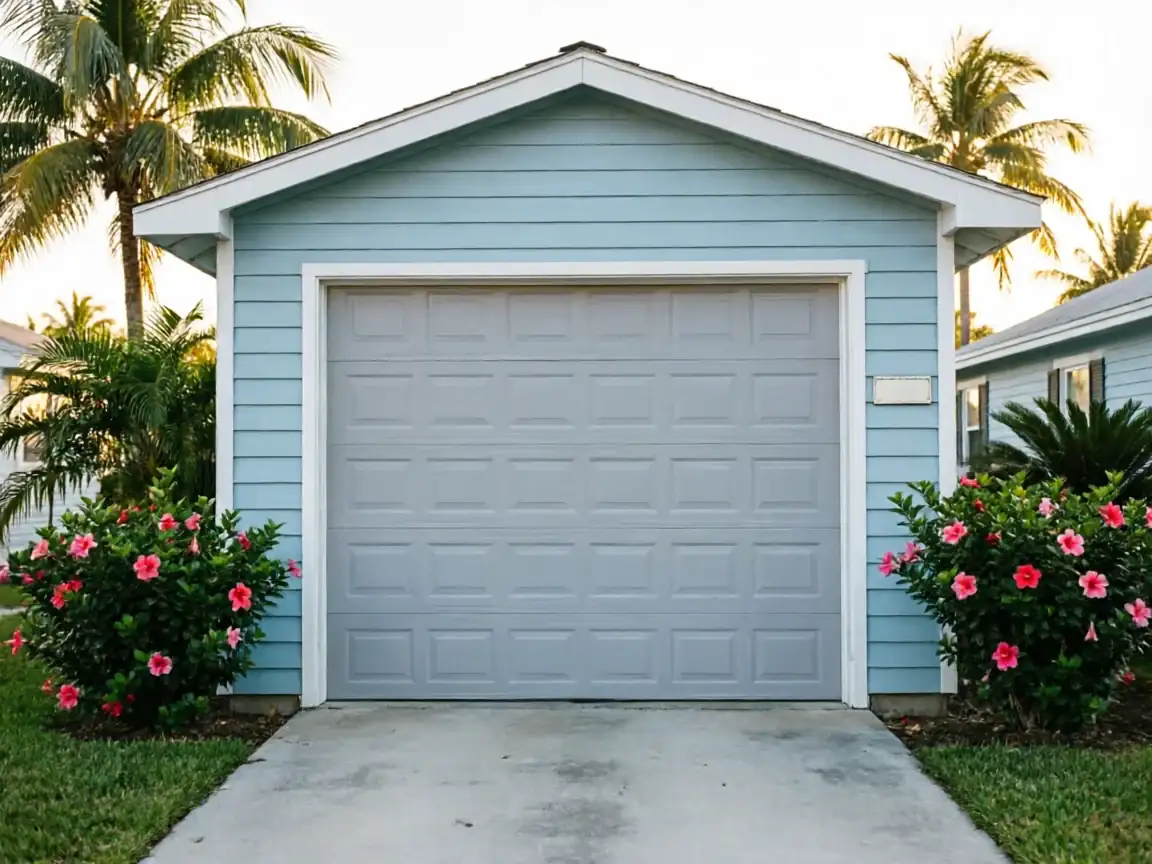
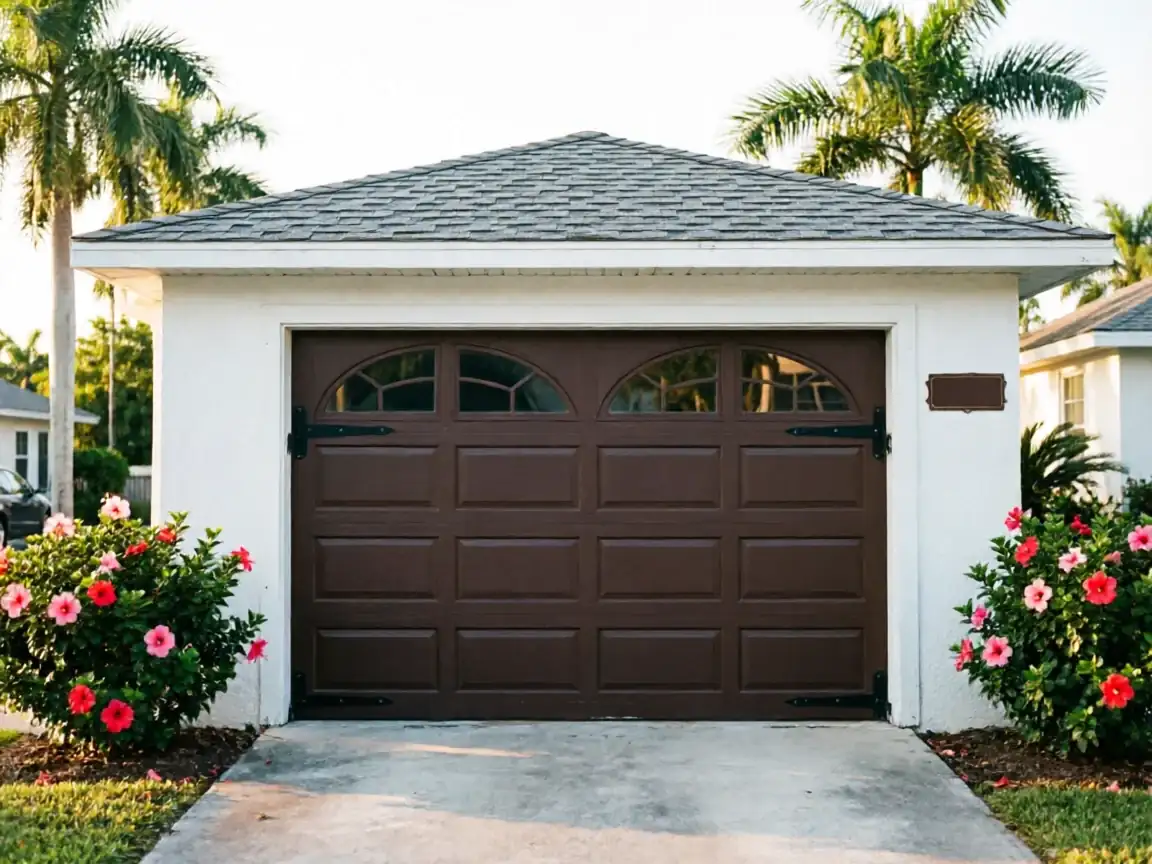
With a median build year around 2003, Gateway's housing stock is some of the newest in the 20 areas we reach from Estero, where the overall median sits closer to 1986. That gap shows up in what breaks. Older stock elsewhere in the service area still runs original torsion drums and hardware from the 1980s and 90s, parts that are genuinely hard to source now. Gateway's doors are a different generation: steel panels, nylon rollers, galvanized tracks, and springs sized for early-2000s door weights. The wear pattern here tends to start with roller noise and track misalignment rather than spring failure, since the springs on a 20-year-old door usually still have cycles left in them if they were sized right to begin with. Mild coastal temperatures mean the hardware isn't fighting hard freezes or extreme humidity swings, so when something does wear out in Gateway, it's almost always mechanical fatigue from use, not weather damage.
How it works
From “it’s stuck” to “it’s fixed”
01
Tell us what’s wrong
Describe the symptom - won’t open, loud bang, opener runs but the door won’t move.
02
On-site diagnosis
A technician tests the door under power and by hand and finds what actually failed.
03
Clear, up-front plan
You get the fix that’s needed and what drives the cost - before any work starts.
04
Repaired & tested
The repair is done, the door is set true and tested, and the work area left clean.
Not sure which repair your door needs in Estero, FL? Describe what it’s doing - every job starts with a diagnosis.
How often should I get my garage door serviced in Gateway?
There's no single number that fits every door, but a yearly check is a reasonable baseline for a door built around 2003, which covers most of Gateway. That visit catches roller wear, loose hardware, and cable fraying before any of it turns into a stuck door or a bigger repair bill.
Is my door too old to maintain instead of replace?
Not likely if your house was built in the Gateway timeframe. Doors from the early 2000s generally still have working torsion hardware and serviceable panels. Replacement starts making more sense once a spring has failed repeatedly or the track is bent beyond adjustment, not just because the door has some years on it.
Can I do garage door maintenance myself?
You can handle lubrication, visual inspection, and the auto-reverse safety test yourself. Spring adjustment and torsion work should go to someone who does it regularly, because a loaded spring can cause real injury if it releases while you're near it.
Does Estero Garage Door Pros have a crew based in Gateway?
No. We work out of Estero and drive to Gateway, about 11 miles each way. We schedule maintenance visits in advance rather than offering same-day service for routine work in Gateway.
Ready to get your garage door sorted?
Tell us what it’s doing and where you are in Estero - we’ll take it from there.