How Long You Are Without the Door
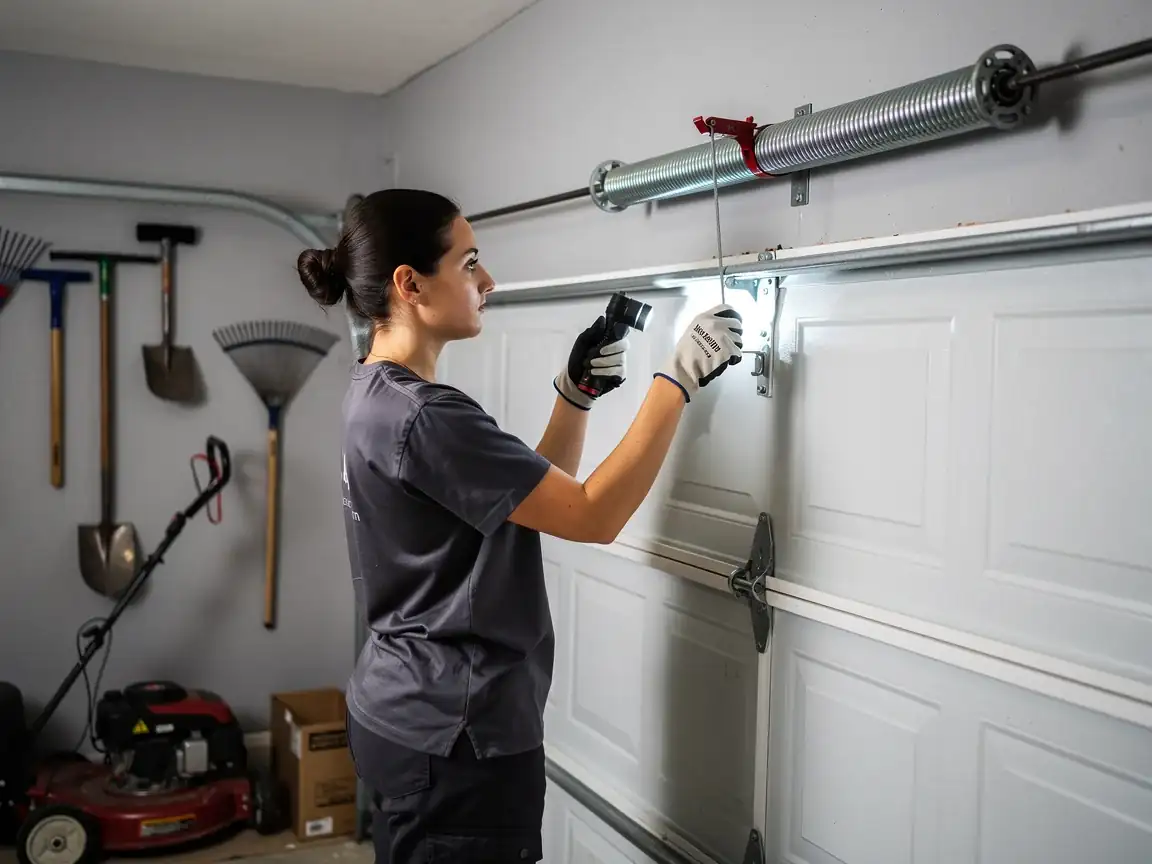
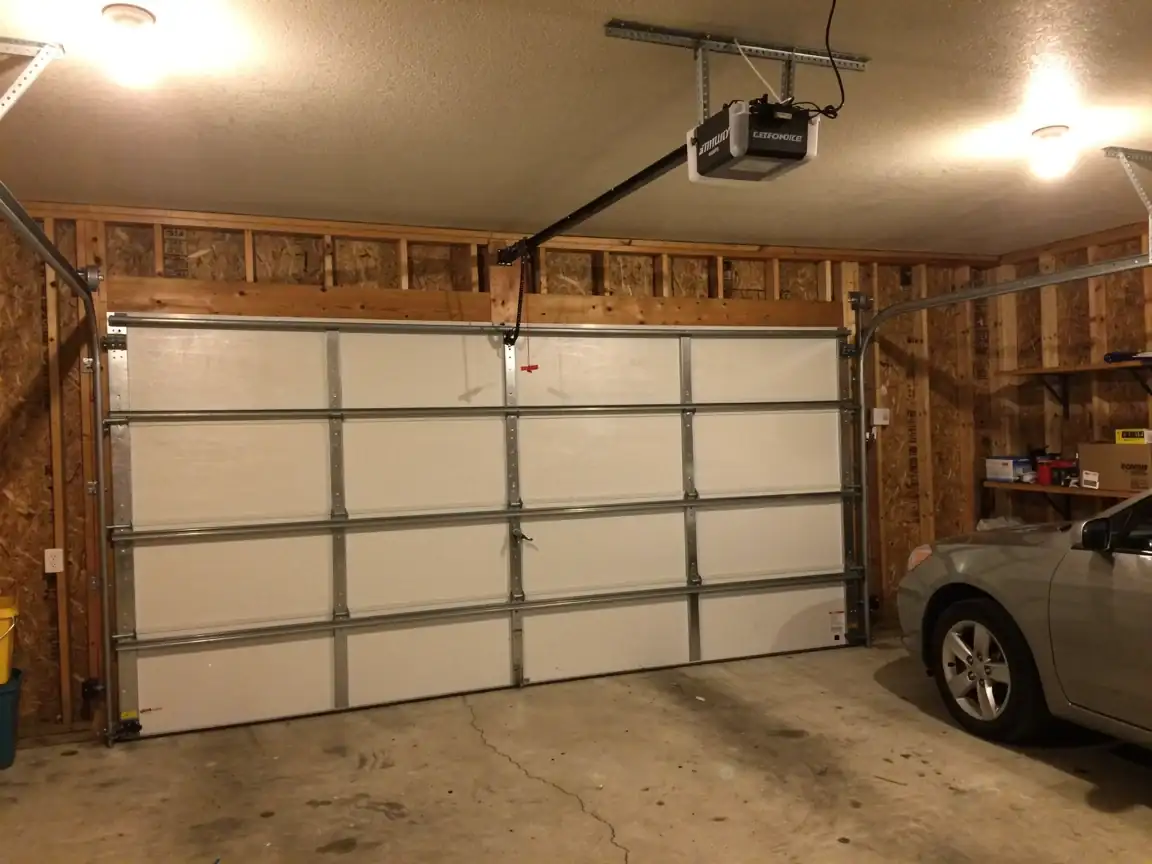
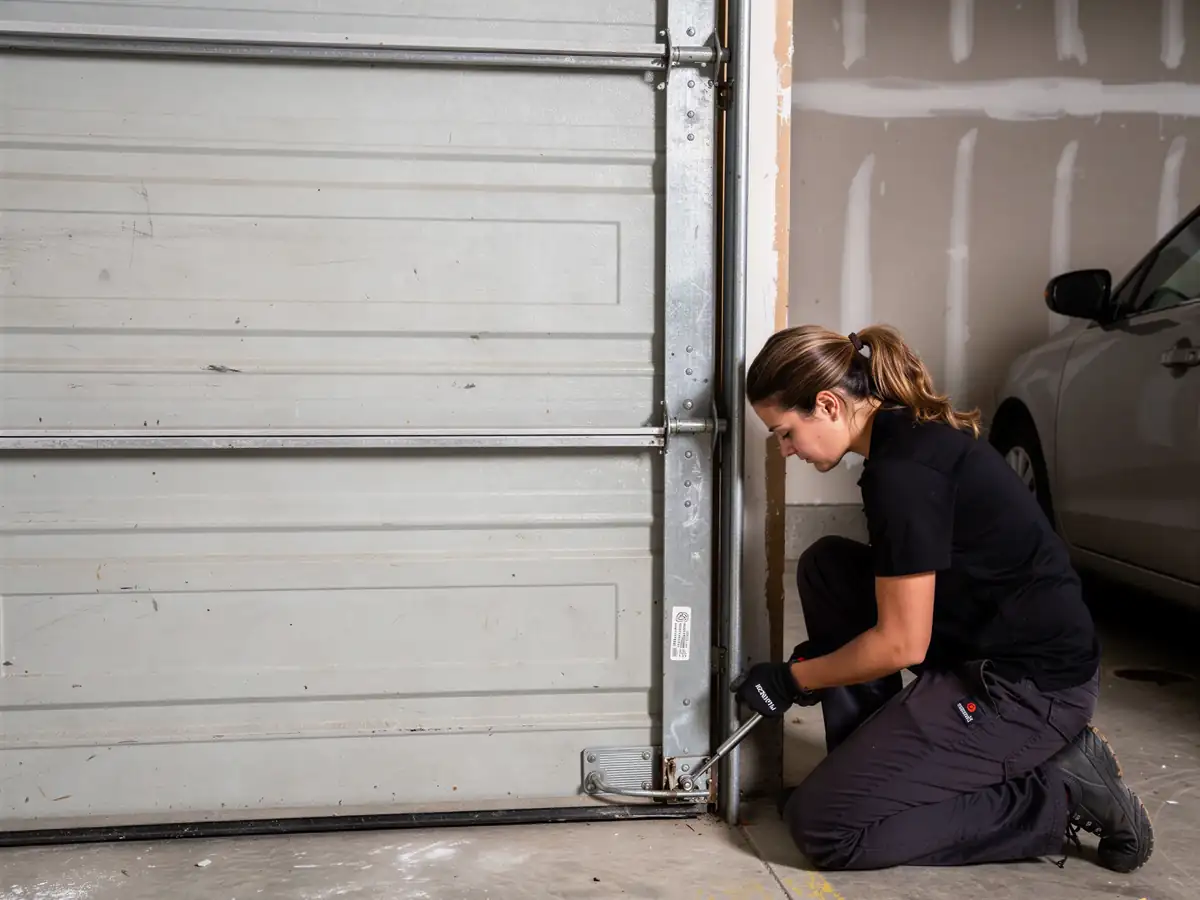
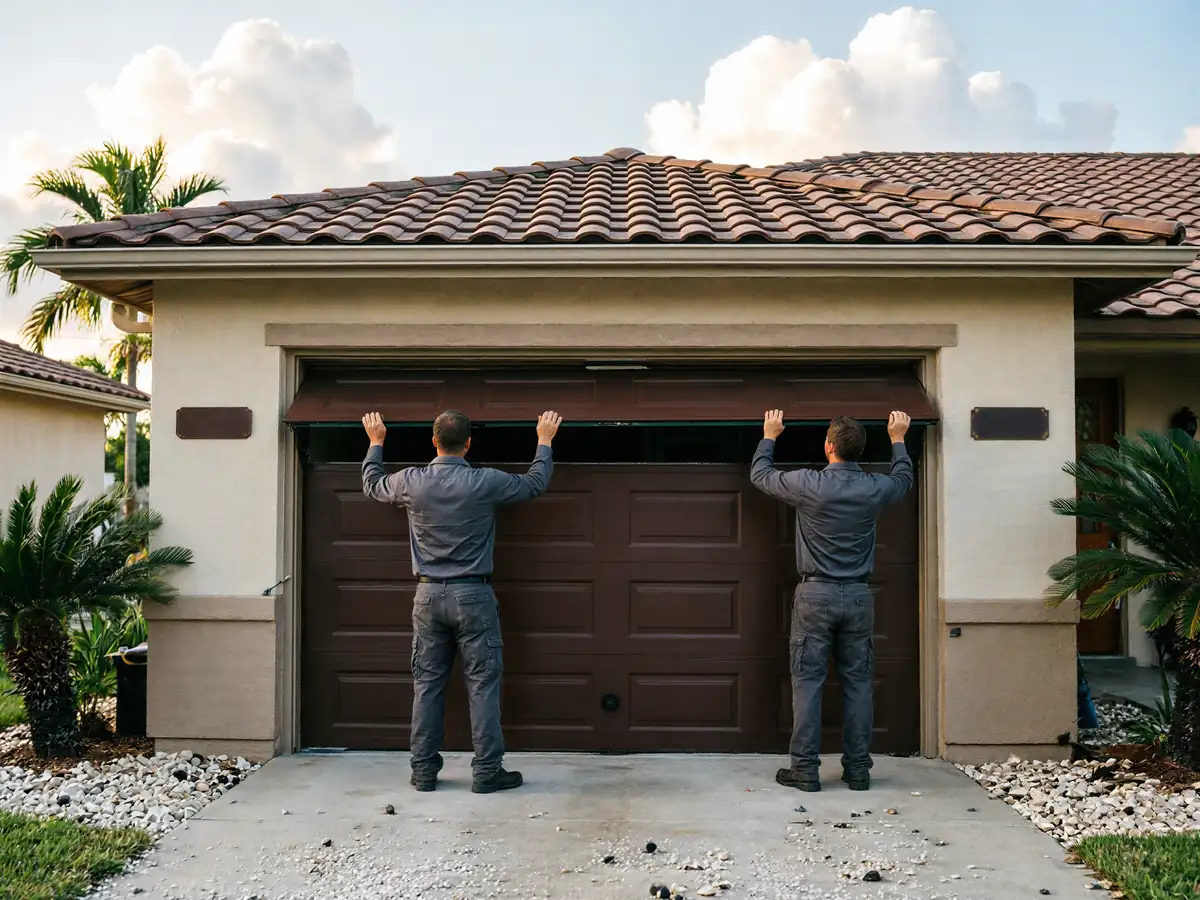
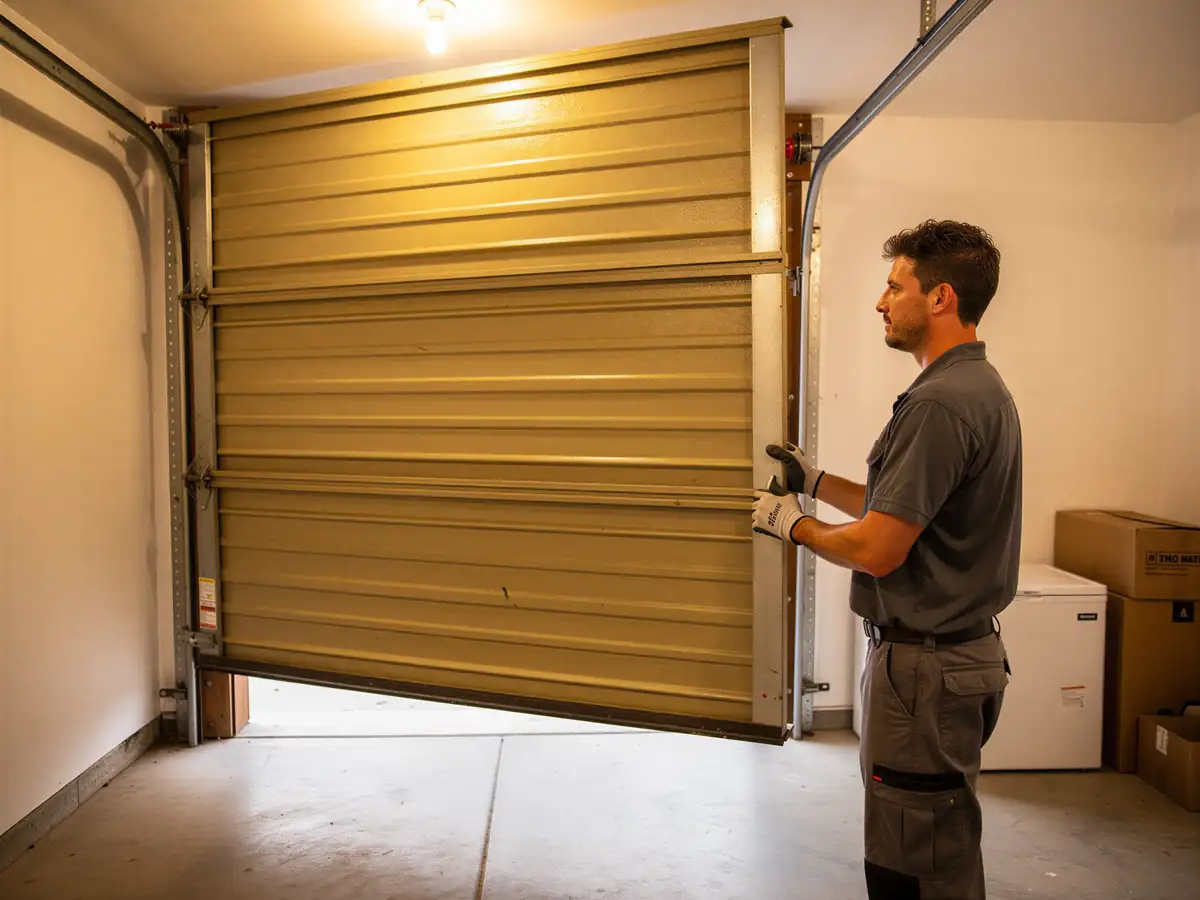
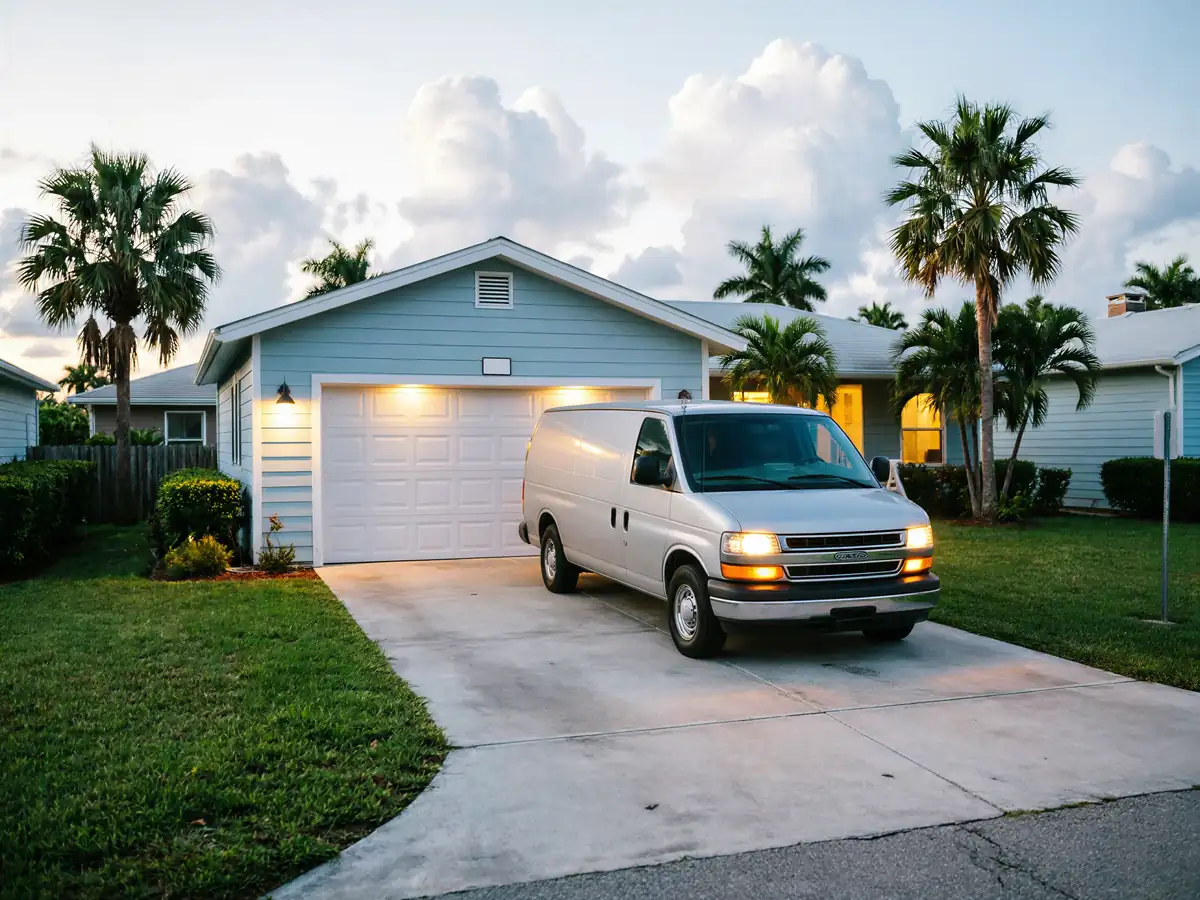
A snapped cable on a torsion system usually means the door won't move at all - it's not a cosmetic fray, it's the door down and staying down until someone deals with it. With about 1,893 households in Buckingham, this isn't a high-call-volume pocket for us, so we're not sitting on standby nearby. We come from Estero, roughly 16 miles out, and that drive is part of the timeline whether the job is a routine inspection or a cable snapped mid-cycle. Once the truck is in your driveway, a single cable swap on a double door is typically finished the same visit. If the drum or the bottom bracket is also damaged - which happens when a cable comes off its drum and the door racks sideways - that adds time, because we won't force a door back into a track that's been bent out of true.
How We Fix It
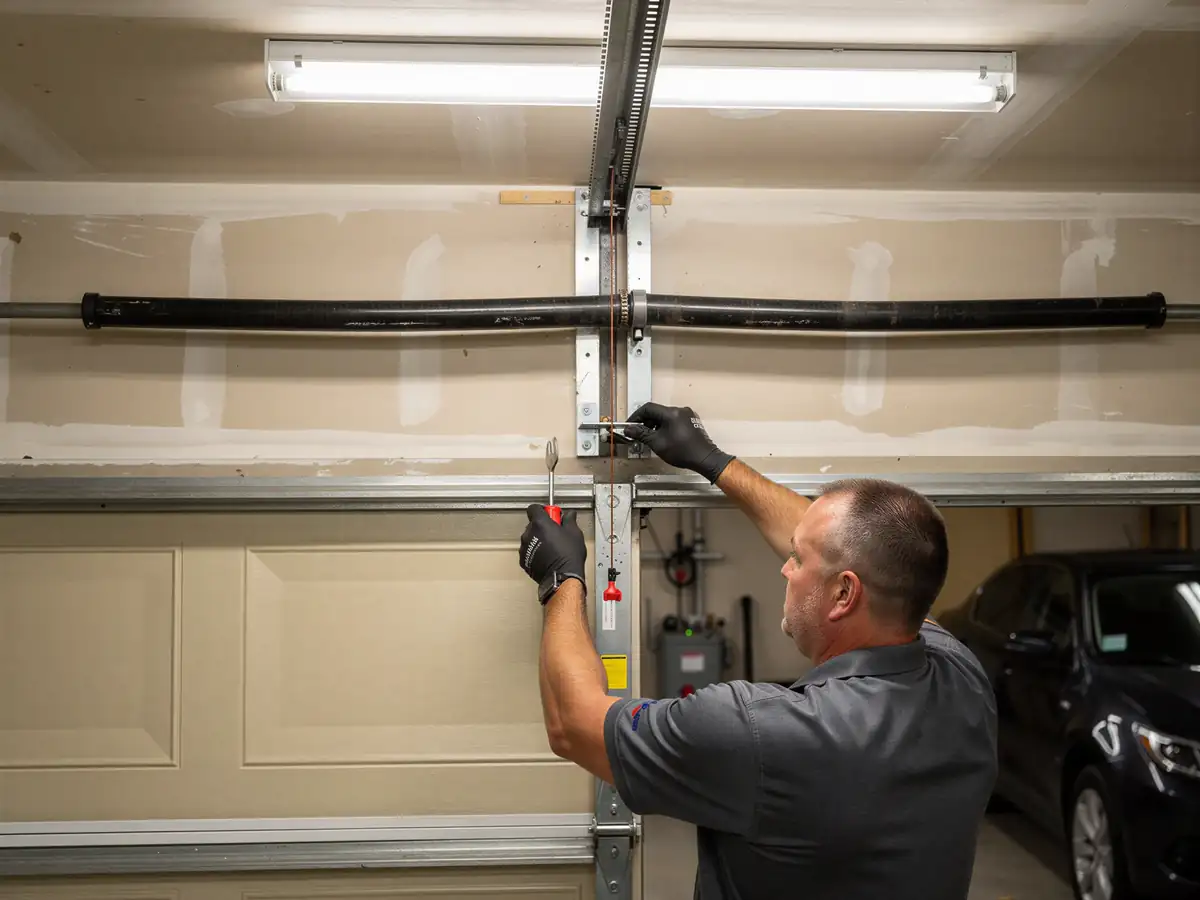
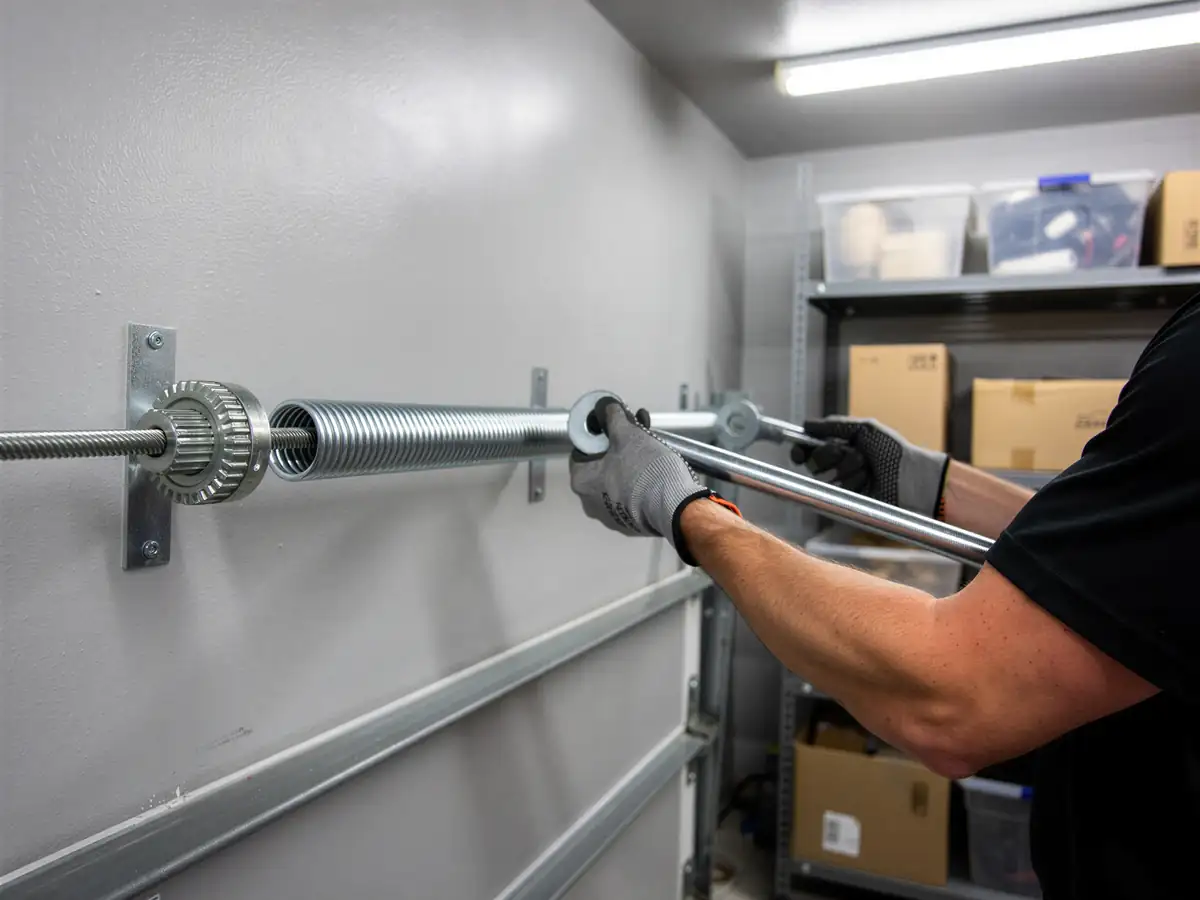
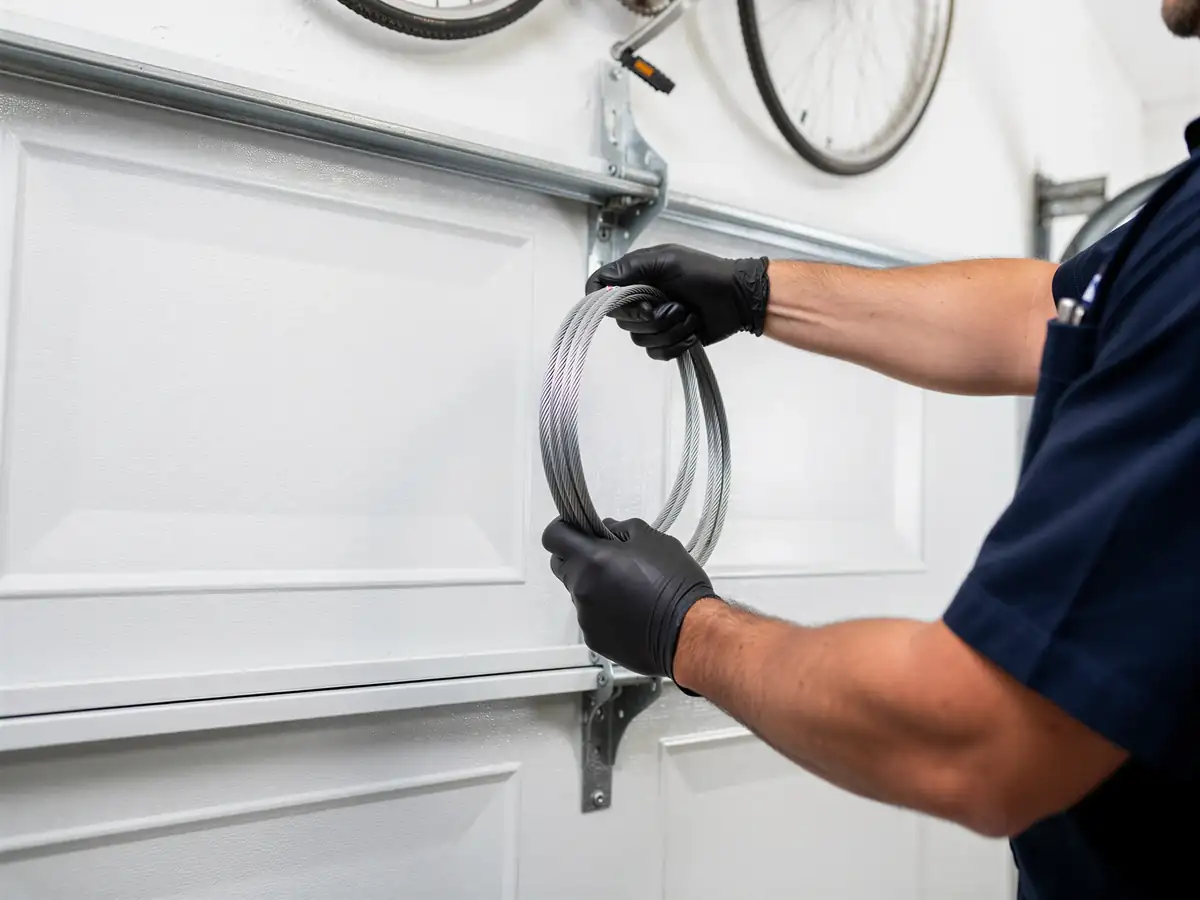
Doors built around when most of Buckingham's housing went up commonly used galvanized steel lift cables paired with torsion springs sized for heavier panel doors than the older stock nearby. We check the cable gauge against the spring and drum setup rather than assuming a standard size, because 1990s-era doors weren't all built to one spec even within the same few years. Florida's mild temperate climate here is easier on cable corrosion than a harsher one would be, but galvanized coating still wears thin at the drum where the cable winds and unwinds thousands of times a year, and that's where we usually find the fray starting. We replace both cables as a pair on a double door, not just the broken one - running a new cable against one that's already stretched or nicked just moves the next failure a few months down the road. One thing we don't do: patch a cable with a crimp or splice. If it's damaged, it gets replaced, full length, drum to bracket.