How Long You Are Without the Door
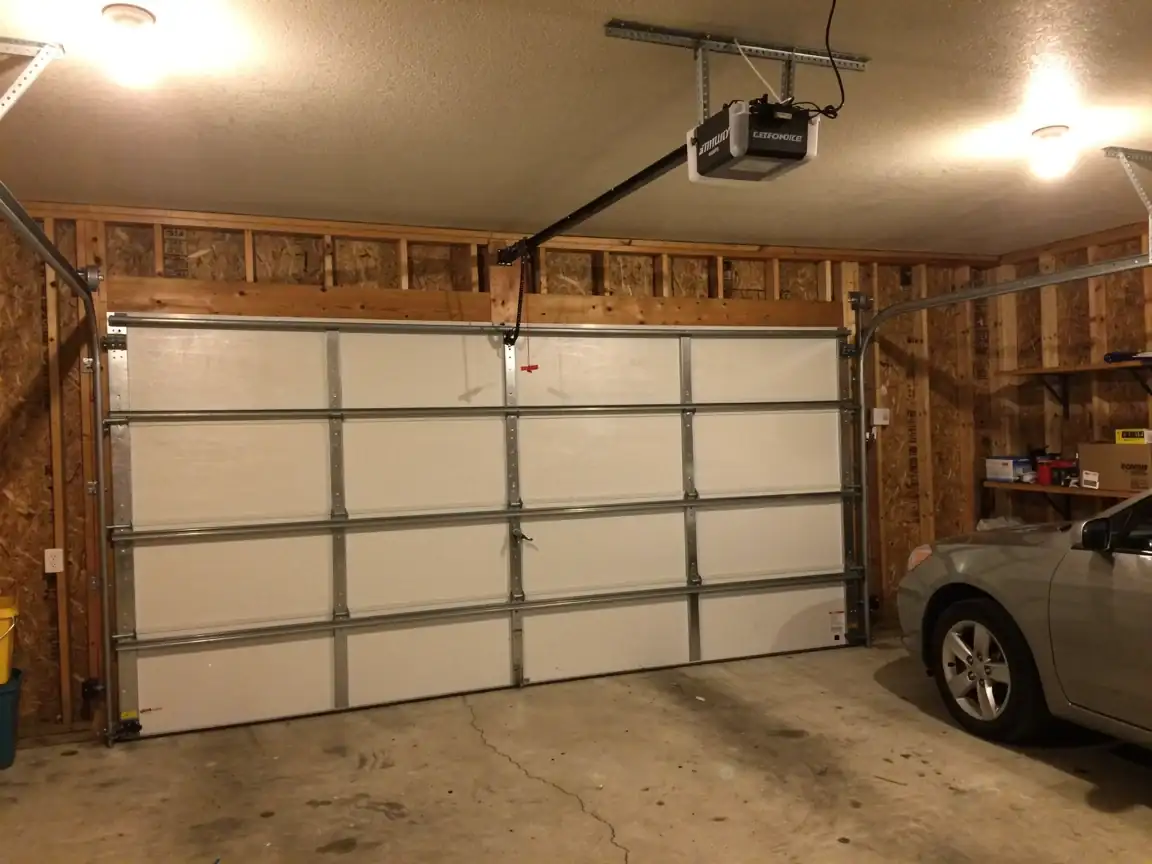
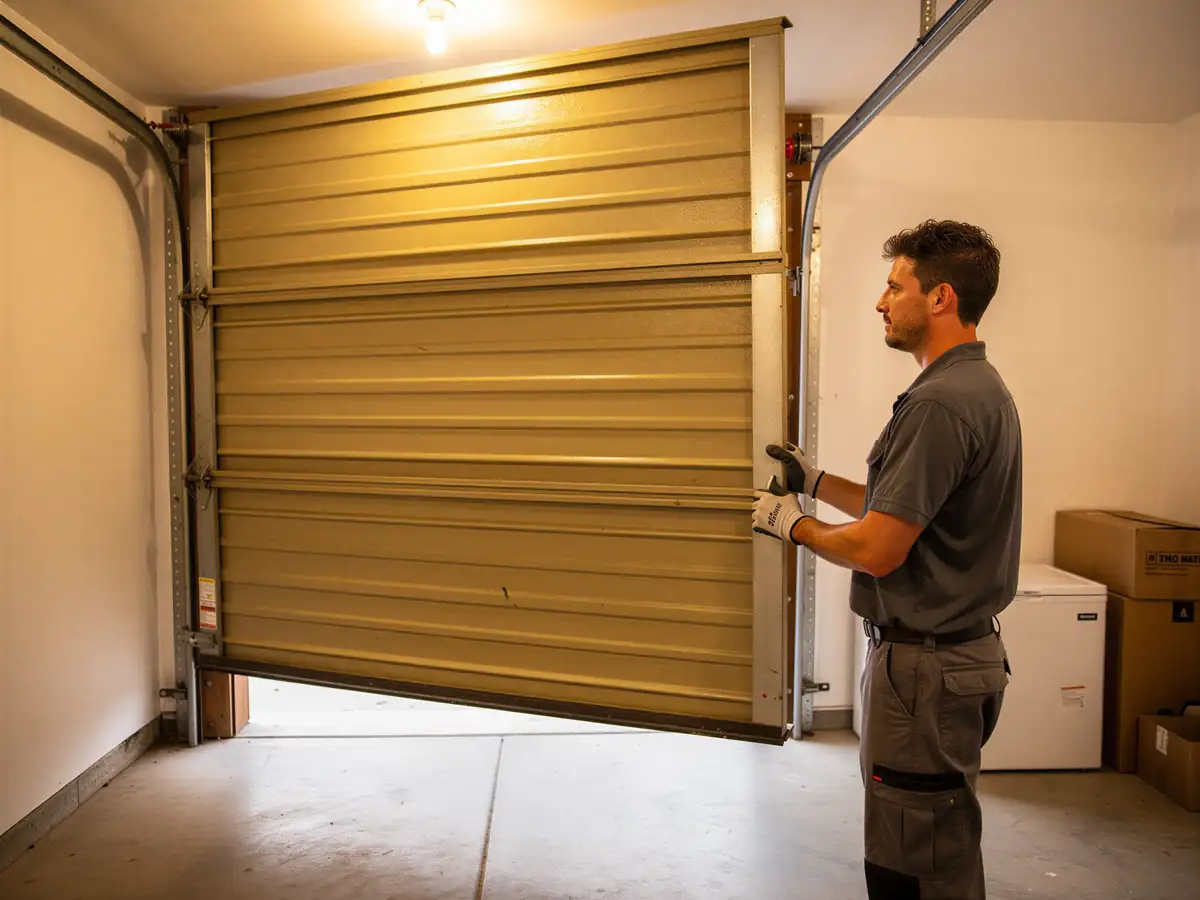
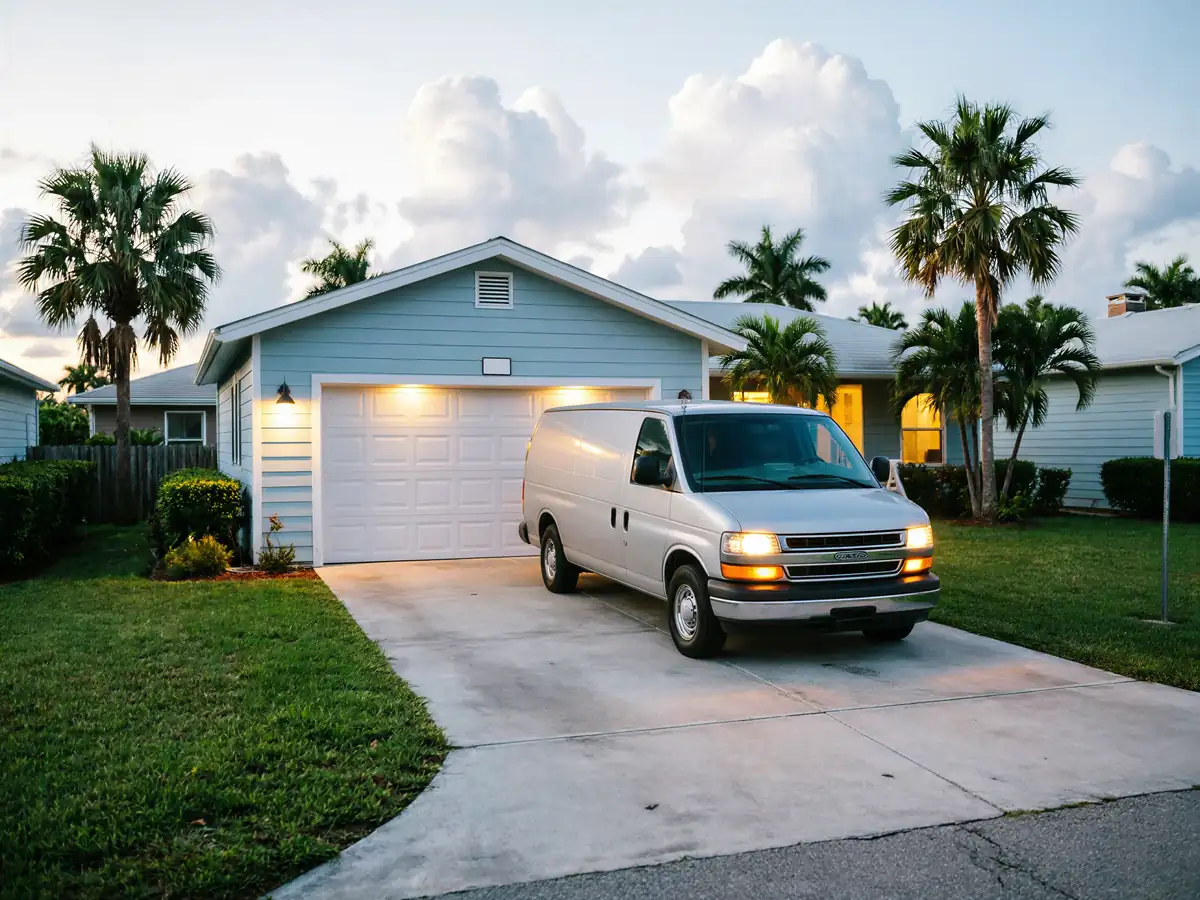
A straightforward spring or cable repair on a 1990s steel sectional door is usually a same-visit fix once we're on-site, parts permitting. What slows things down in Buckingham specifically is less about the climate - it's mild temperate here, not the freeze-thaw cycle that chews up steel elsewhere - and more about parts availability for openers from that era. Chain-drive openers built in the early-to-mid '90s sometimes used logic boards or drive gears that aren't stocked anymore, and if yours has failed outright rather than just tripped a sensor, we may need to order a replacement unit instead of a board. We'll tell you on-site which case you're in rather than guessing over the phone. Either way, we don't leave a door standing open on a service call - if we can't finish same-visit, we secure it before we leave.
How We Fix It
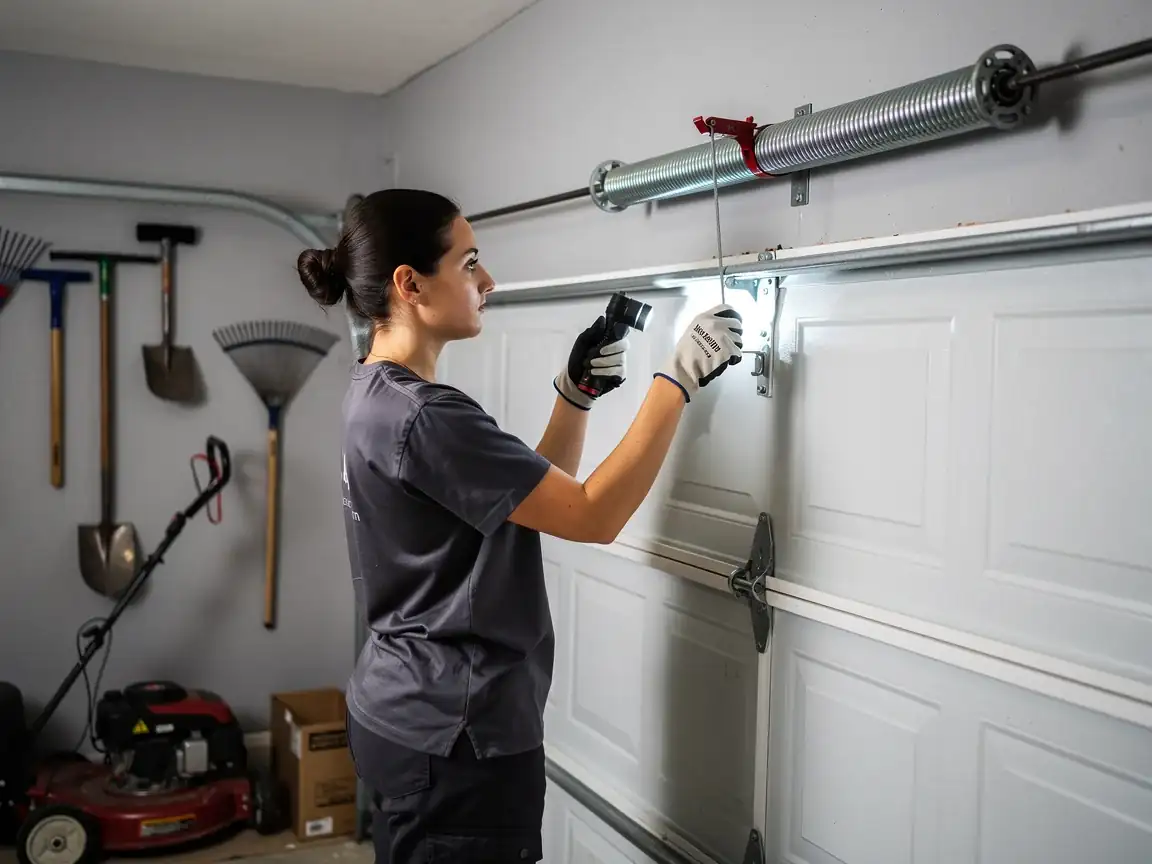
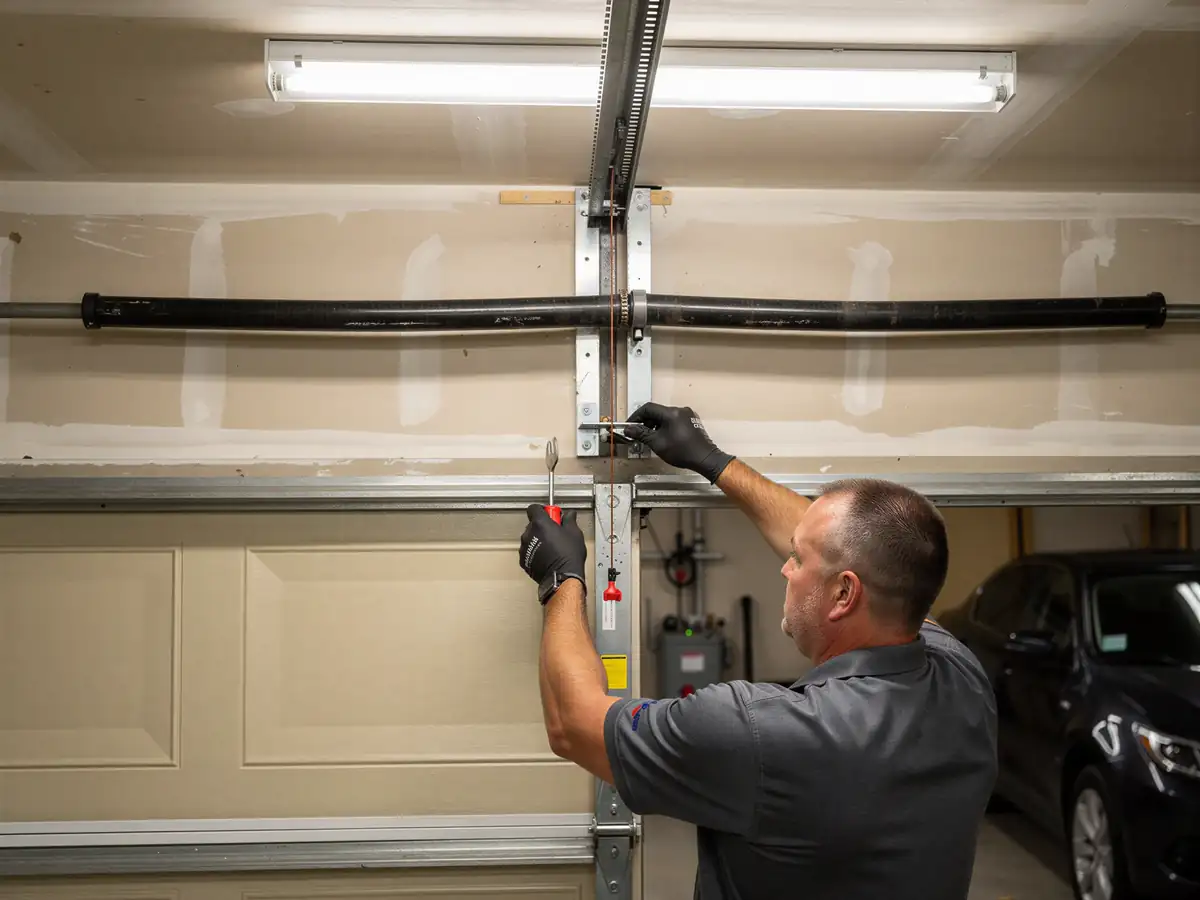
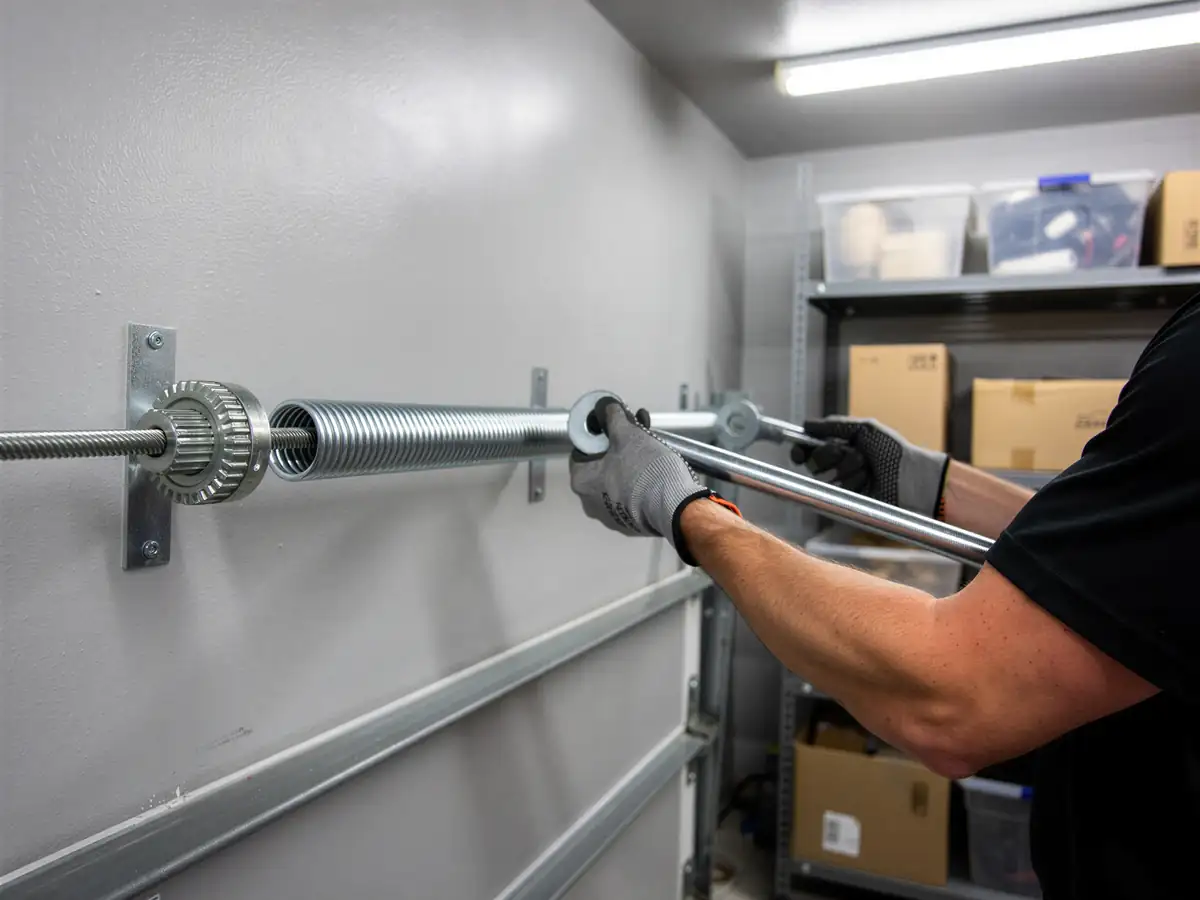
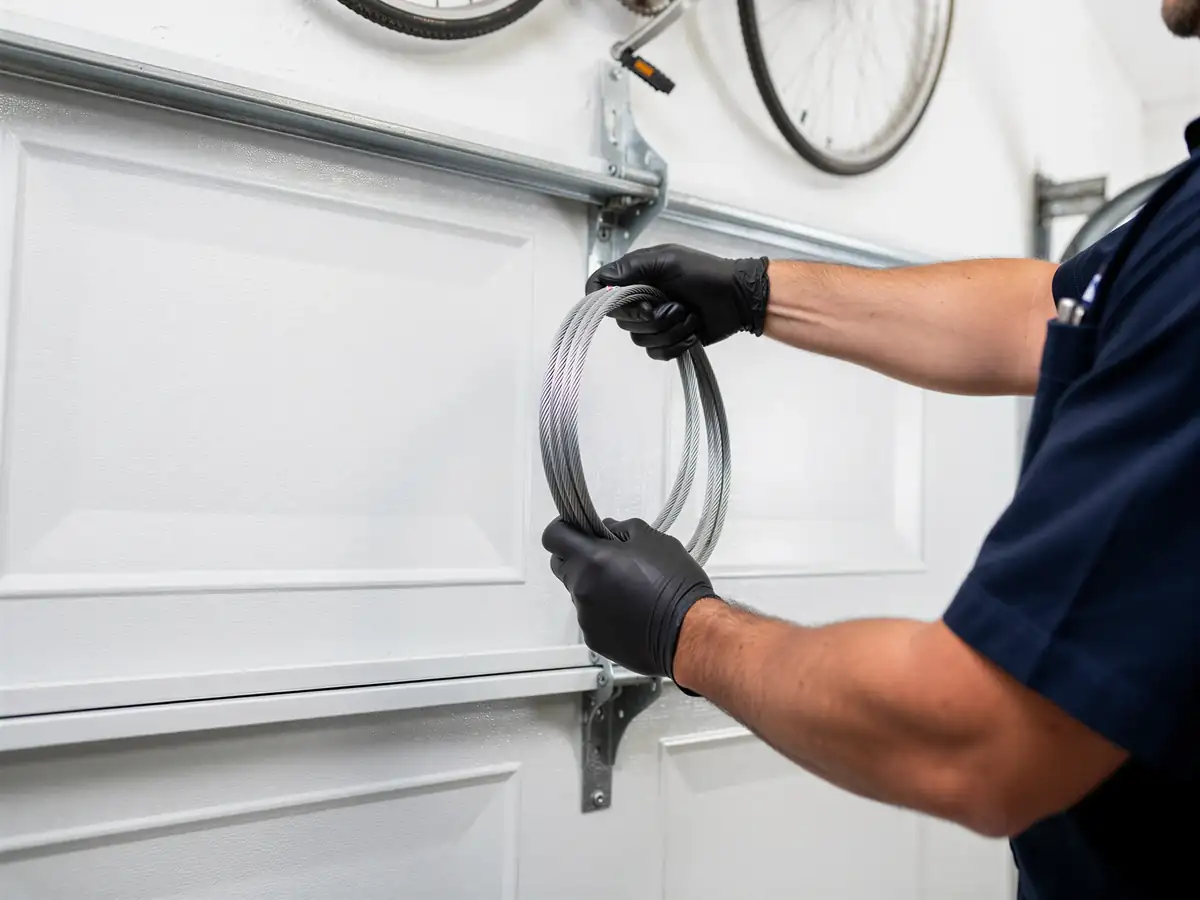
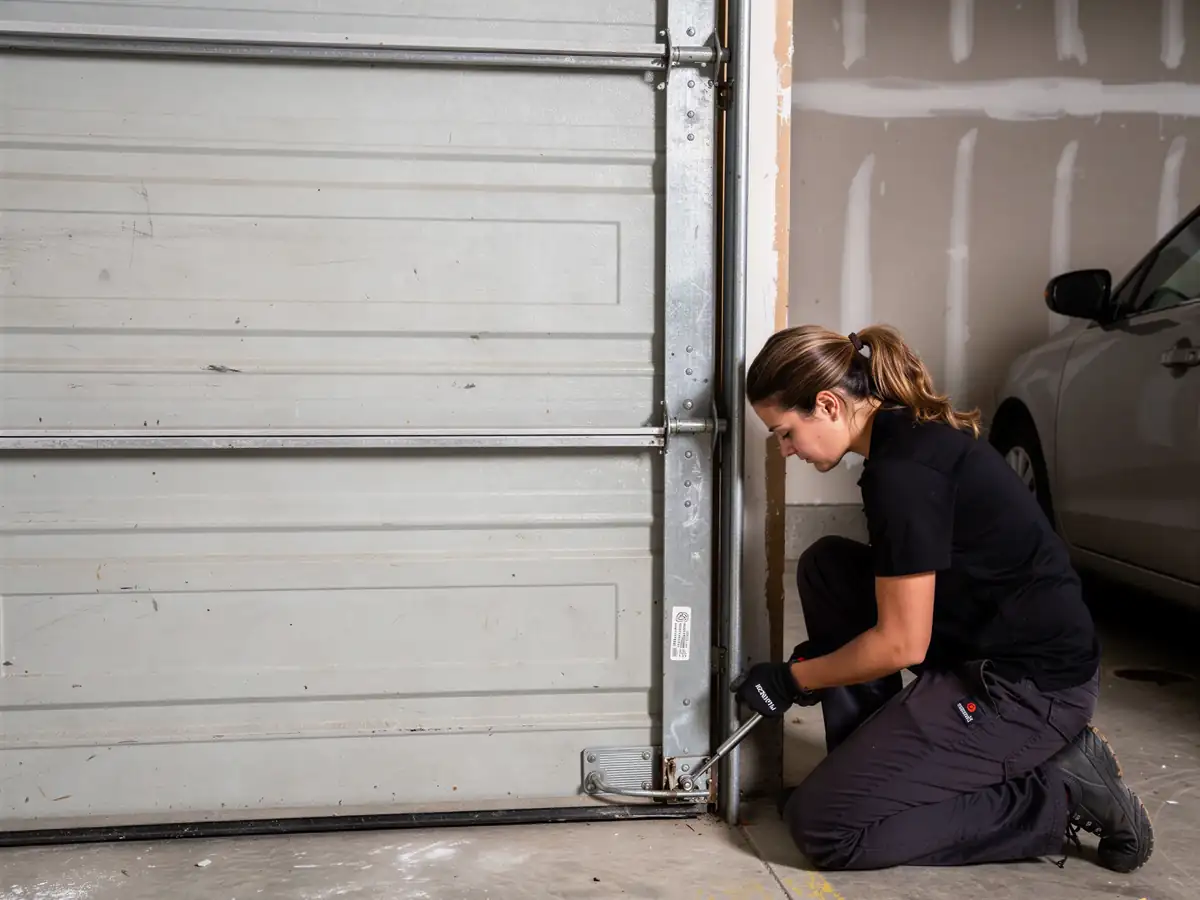
The repair order on a Buckingham call usually starts with the springs, because a door that won't lift or slams down is almost always a spring problem before it's an opener problem. We check cable condition at the same time - original cables on a 1994 door have had three decades of coastal-mild humidity to corrode the strands near the drum, and a cable that looks intact can still be close to failing under load. If the opener itself is the issue, we test the safety reversal sensors first; homes from this build era sometimes have sensors added after the fact rather than installed from new, and a misaligned retrofit sensor is a common, boring cause of a door that won't close. We replace what's actually bad - springs, cables, rollers, the opener logic board or the unit - and we don't sell a full door replacement when the panels and track are still sound. A full teardown is only worth it when the track is bent past adjustment or the panels are rusted through, which is rare on a door this age if it's been kept out of standing water.