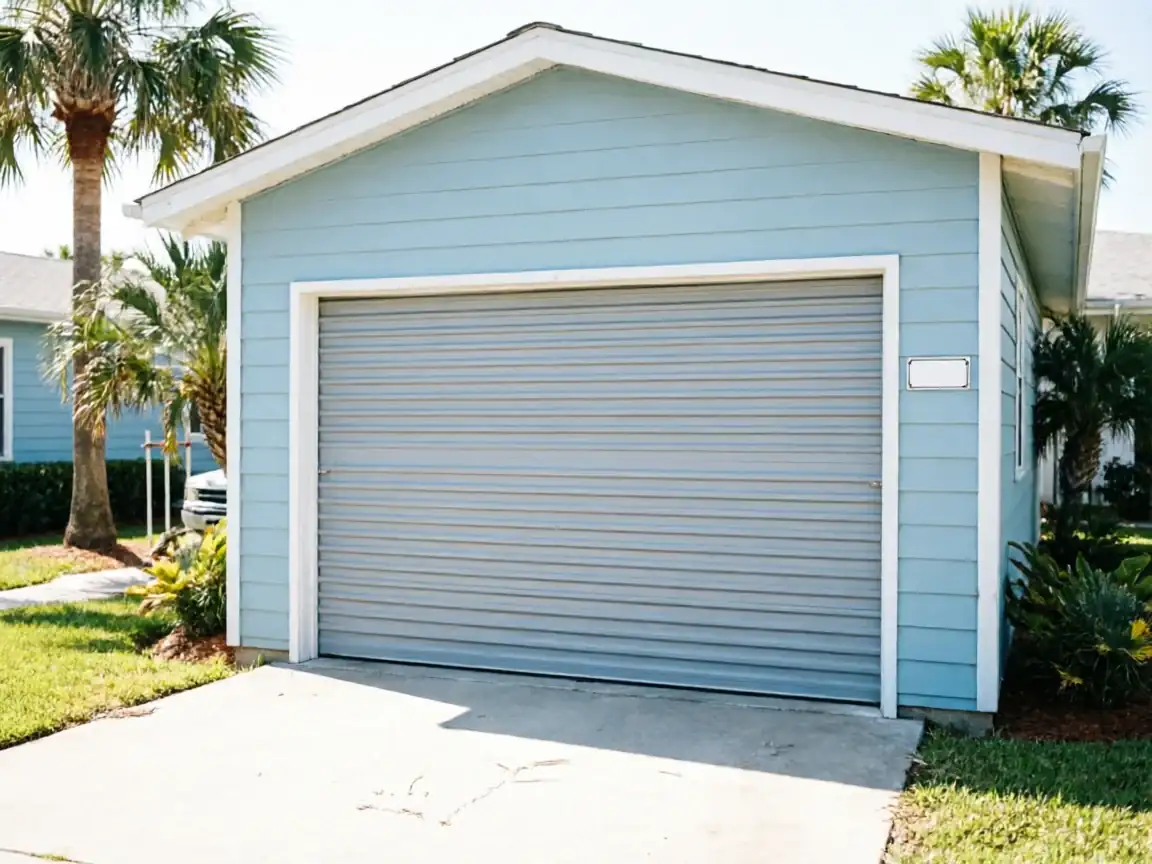
Can You Do This Yourself
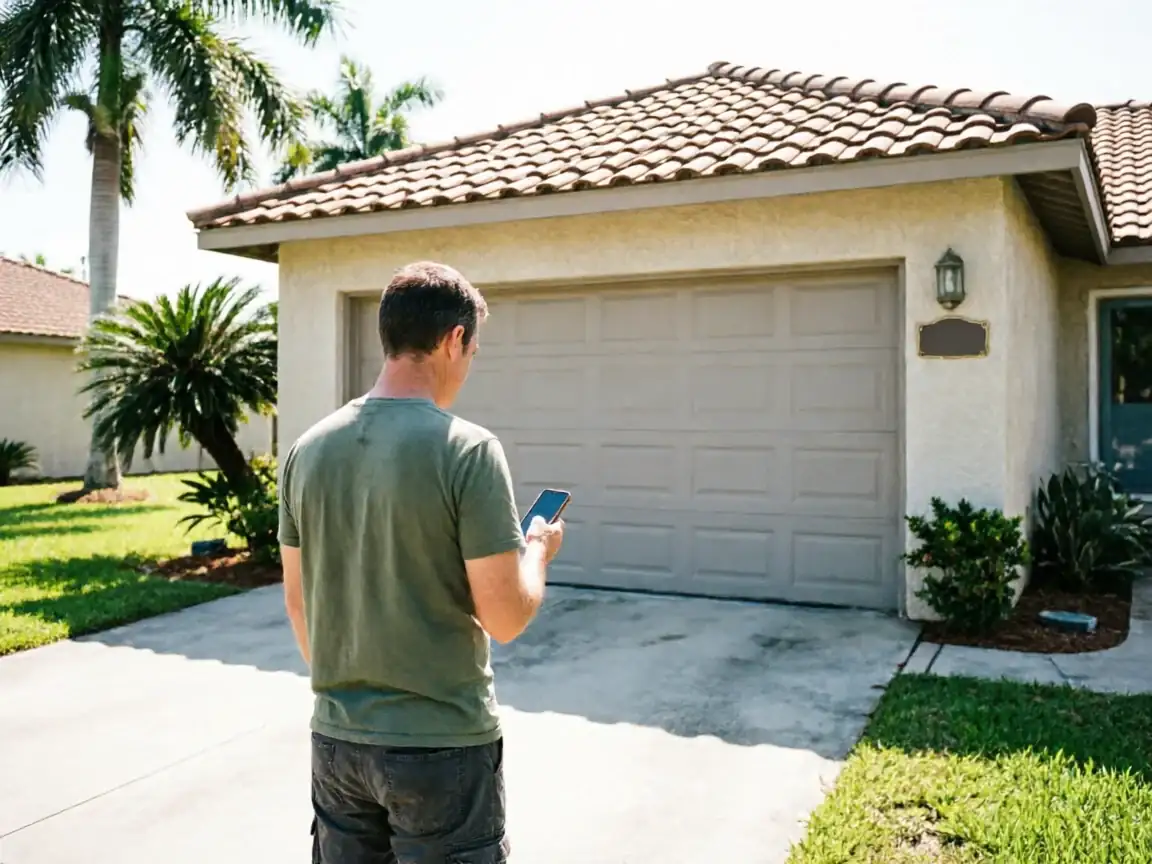
If your door won't move and the opener light is blinking a code
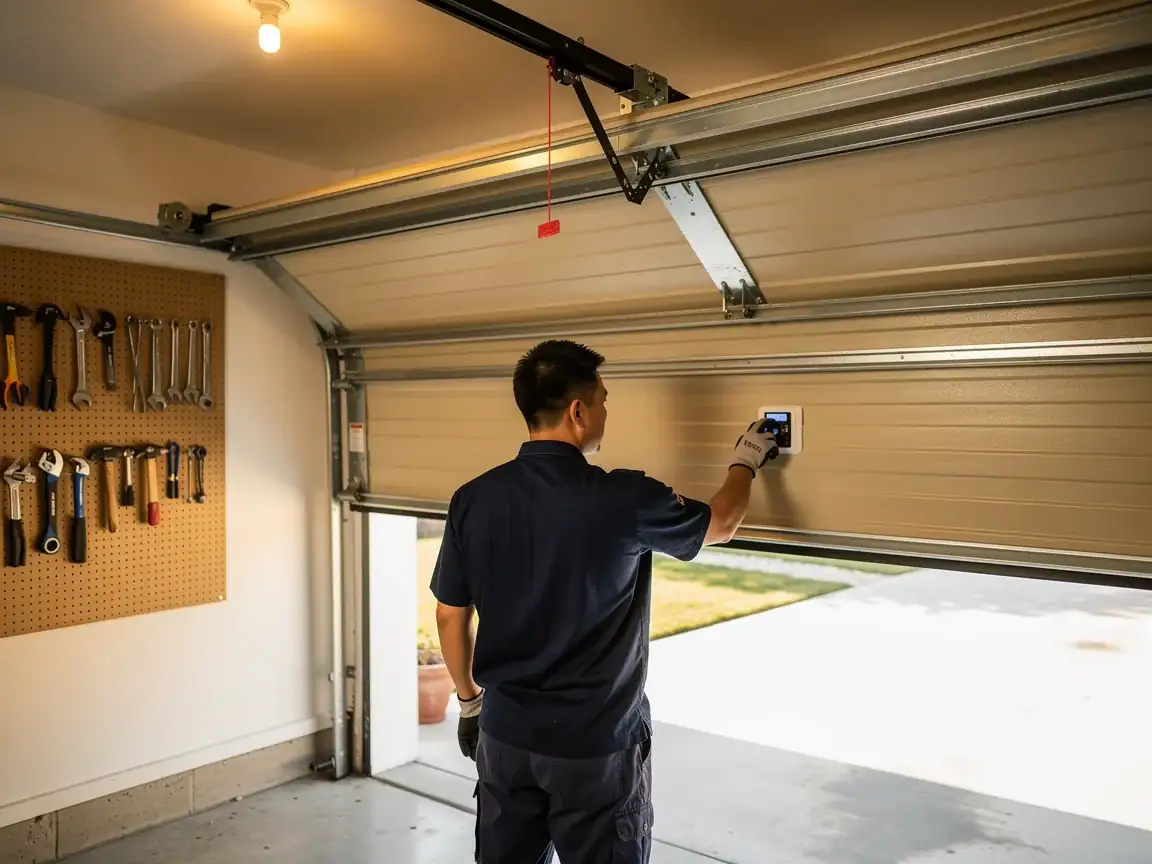
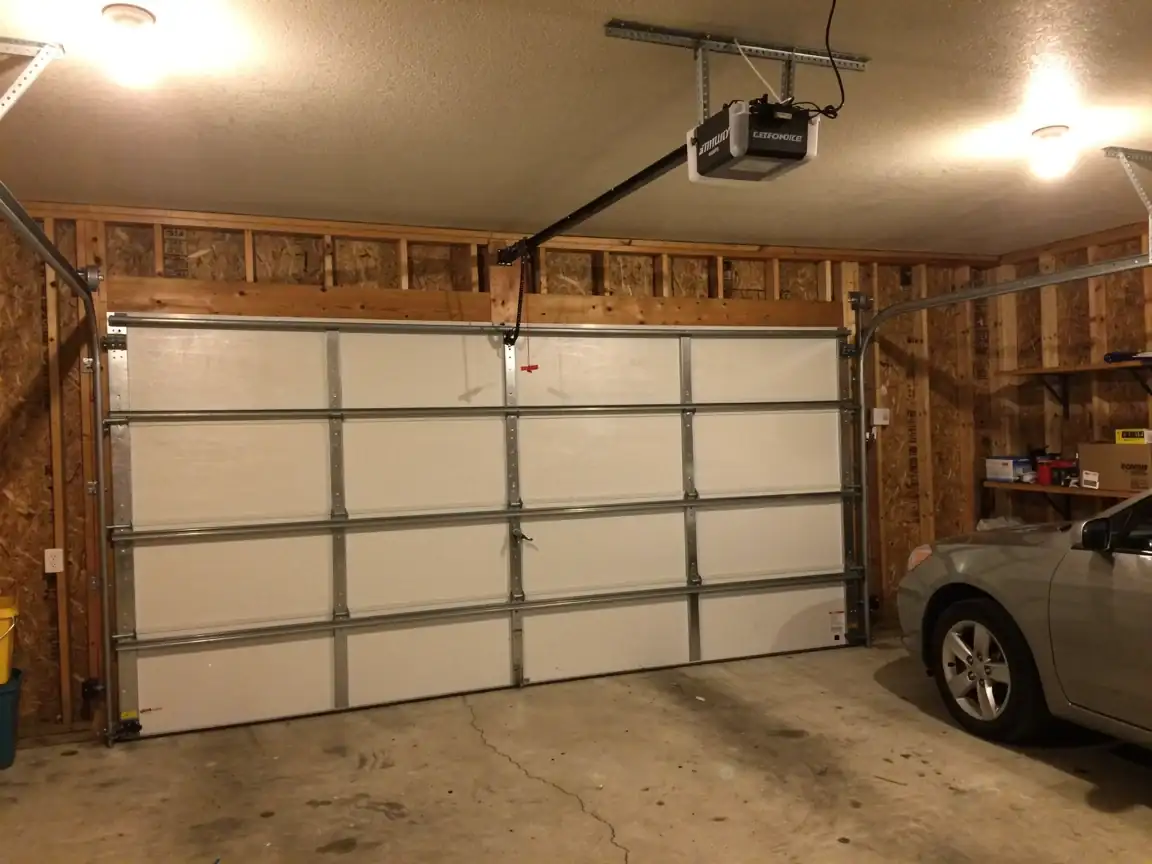
That's a logic board or sensor fault, not something you fix with a can of lubricant. Three Oaks sits on housing stock that's mostly late-1990s to mid-2000s, which means most garages here run belt or chain openers with circuit boards and photo-eye safety sensors rather than the old mechanical relay units you'd find in a much older neighborhood.
What you can check yourself
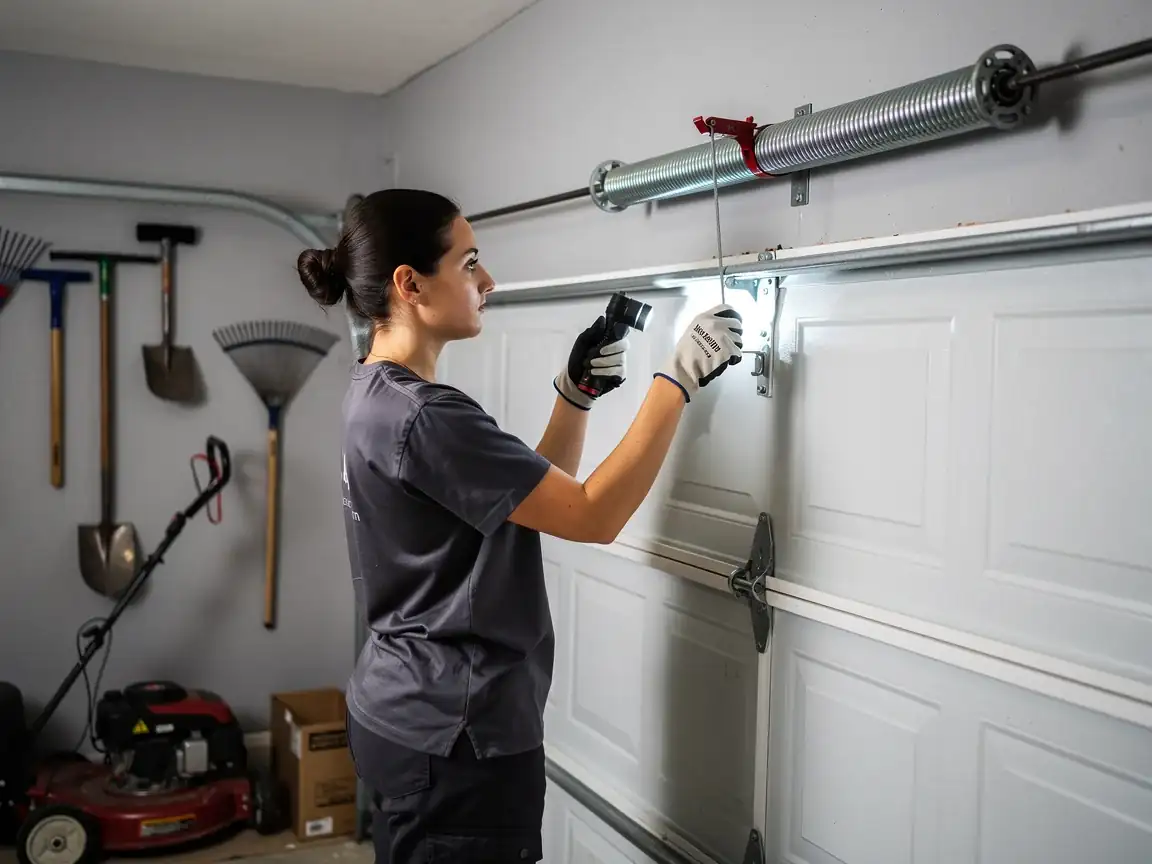
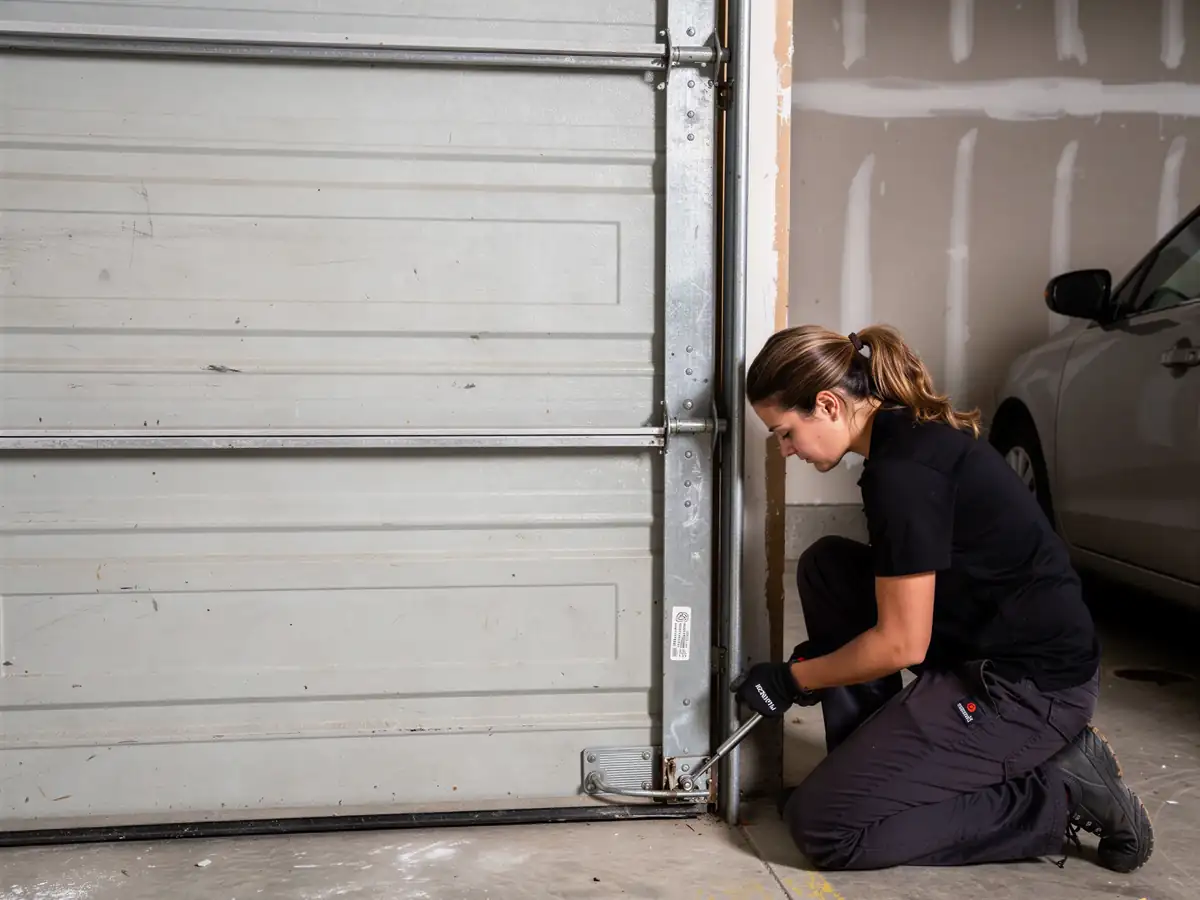
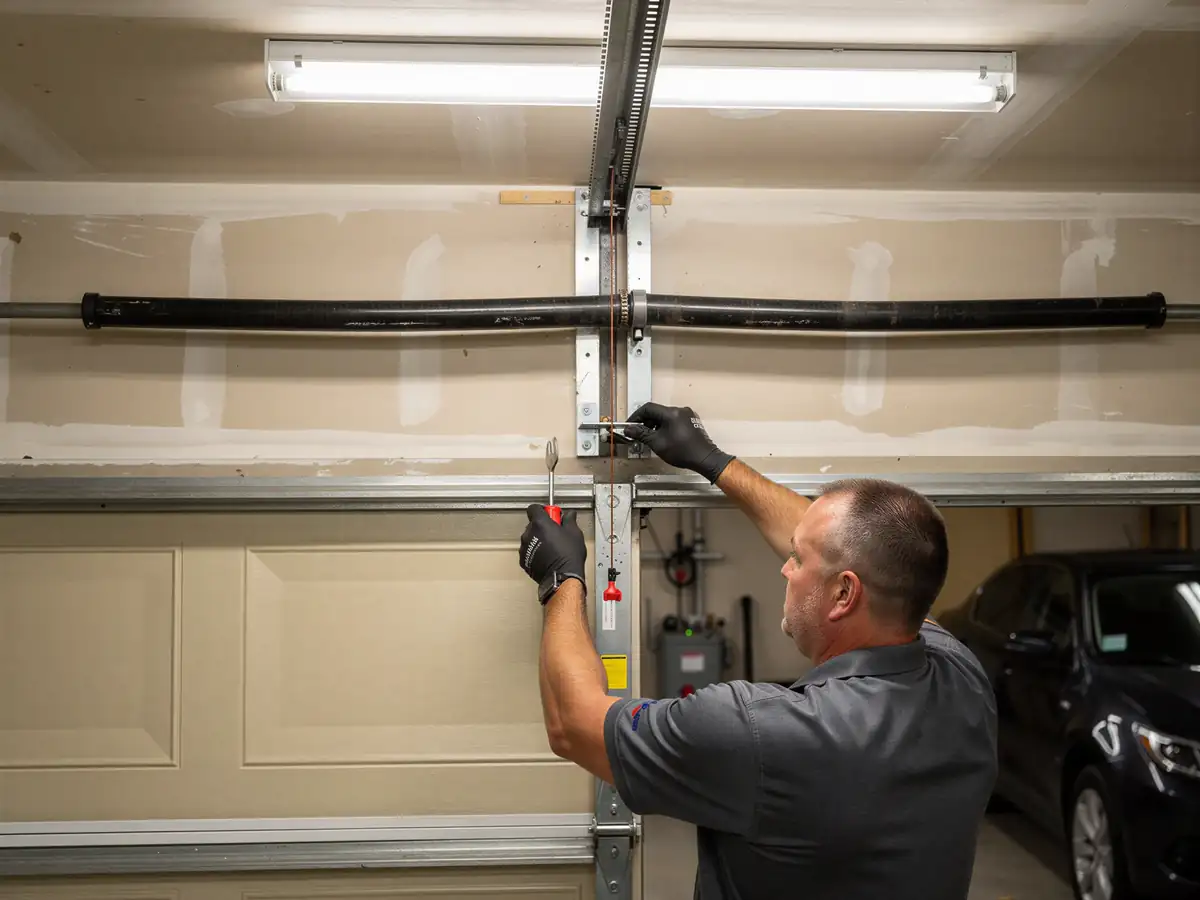
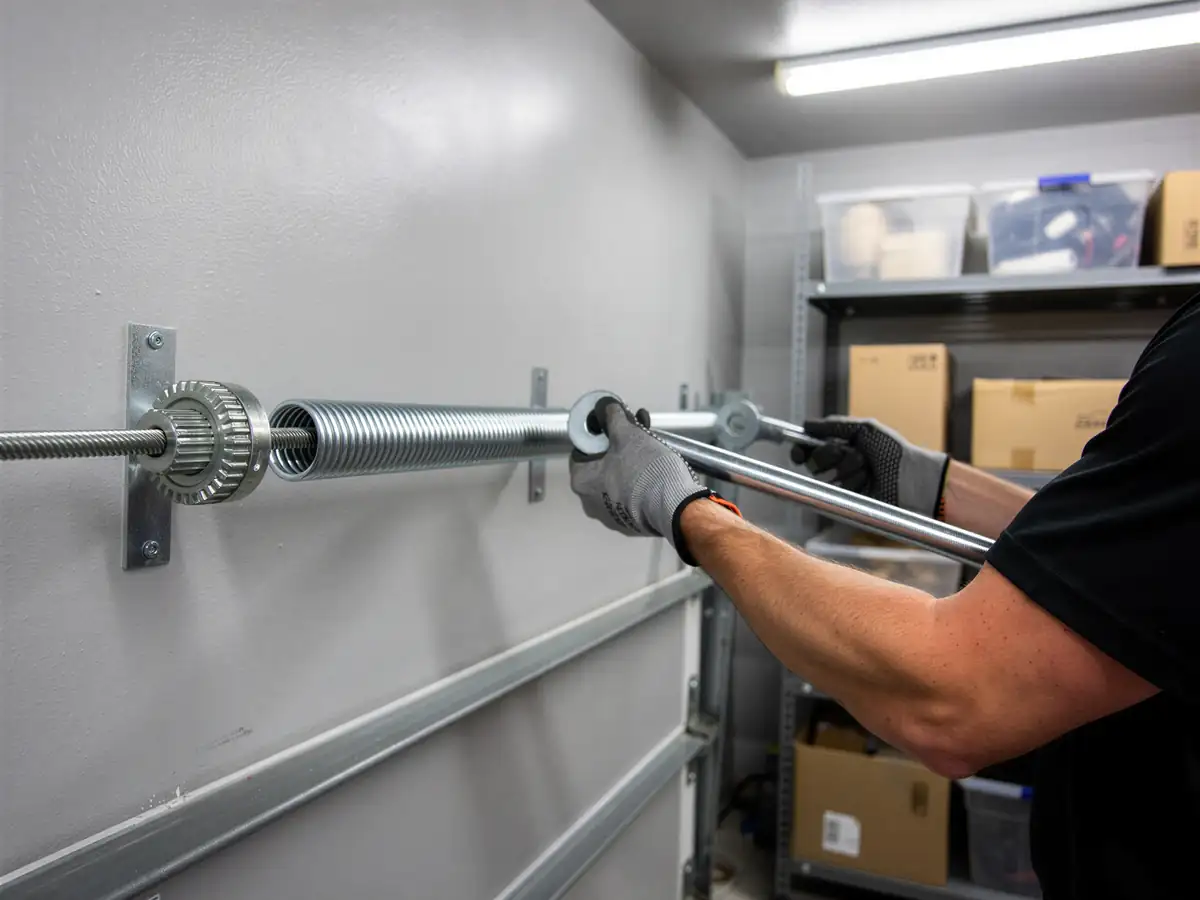
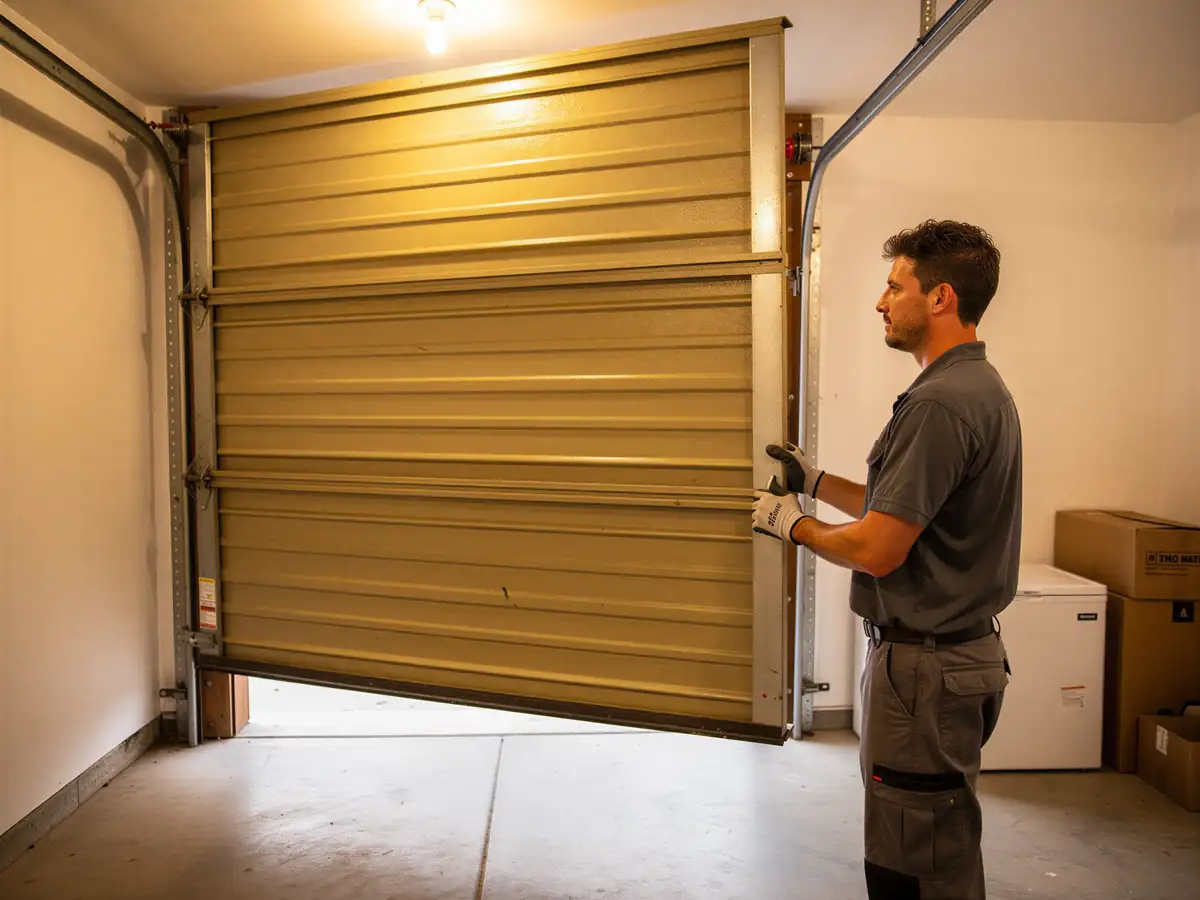
The two photo-eye sensors near the bottom of each track, low and often knocked out of alignment by a stored bike or a kid's ball. If the LED on one is flashing instead of solid, straighten it by hand and see if the door responds. Past that - a dead board, a stripped gear on the opener motor, a broken cable on a double door - stop. Those jobs carry spring tension or electrical risk that isn't worth a trip to urgent care. We don't recommend DIY spring work on any door, new or old; it's the one repair where the margin for error is a broken finger or worse.
What Causes It Around Here
Most Three Oaks houses went up when the area built out in the early-to-mid 2000s, putting them at the newer end of the broader Estero-area housing range (which runs 1970 to 2006 overall). That means fewer old torsion springs rusted solid and more opener electronics reaching the age where capacitors and boards start to fail - usually somewhere past the ten- to fifteen-year mark on a motor that's run daily.
The mild temperate climate here helps on the mechanical side - you don't get the freeze-thaw cycles that crack old rollers or warp panels the way northern climates do. But humidity still gets into opener logic boards and sensor wiring over the years, especially on units mounted near a garage that isn't fully sealed. The other common call from this pocket of the service area: a photo-eye sensor that's drifted out of alignment just enough to make the door reverse or refuse to close, which reads to a homeowner like a much bigger problem than it usually is.
How to Book
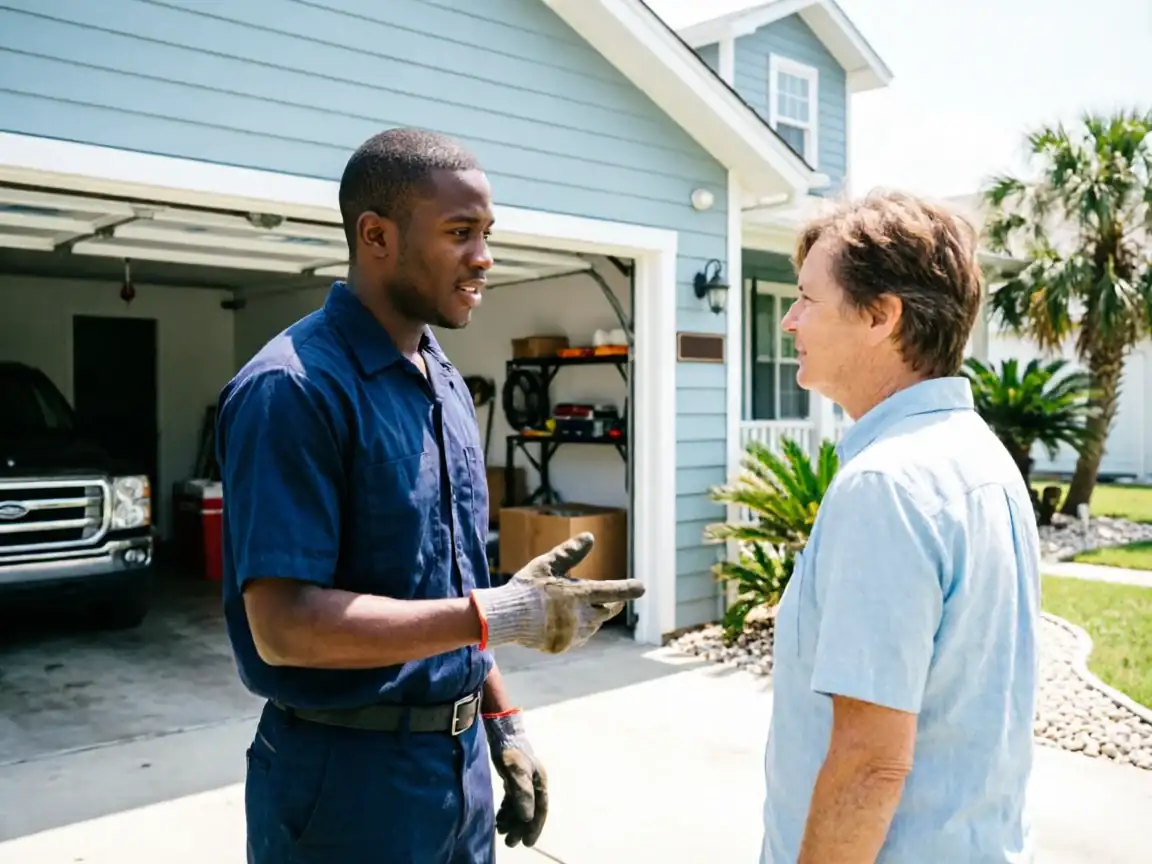
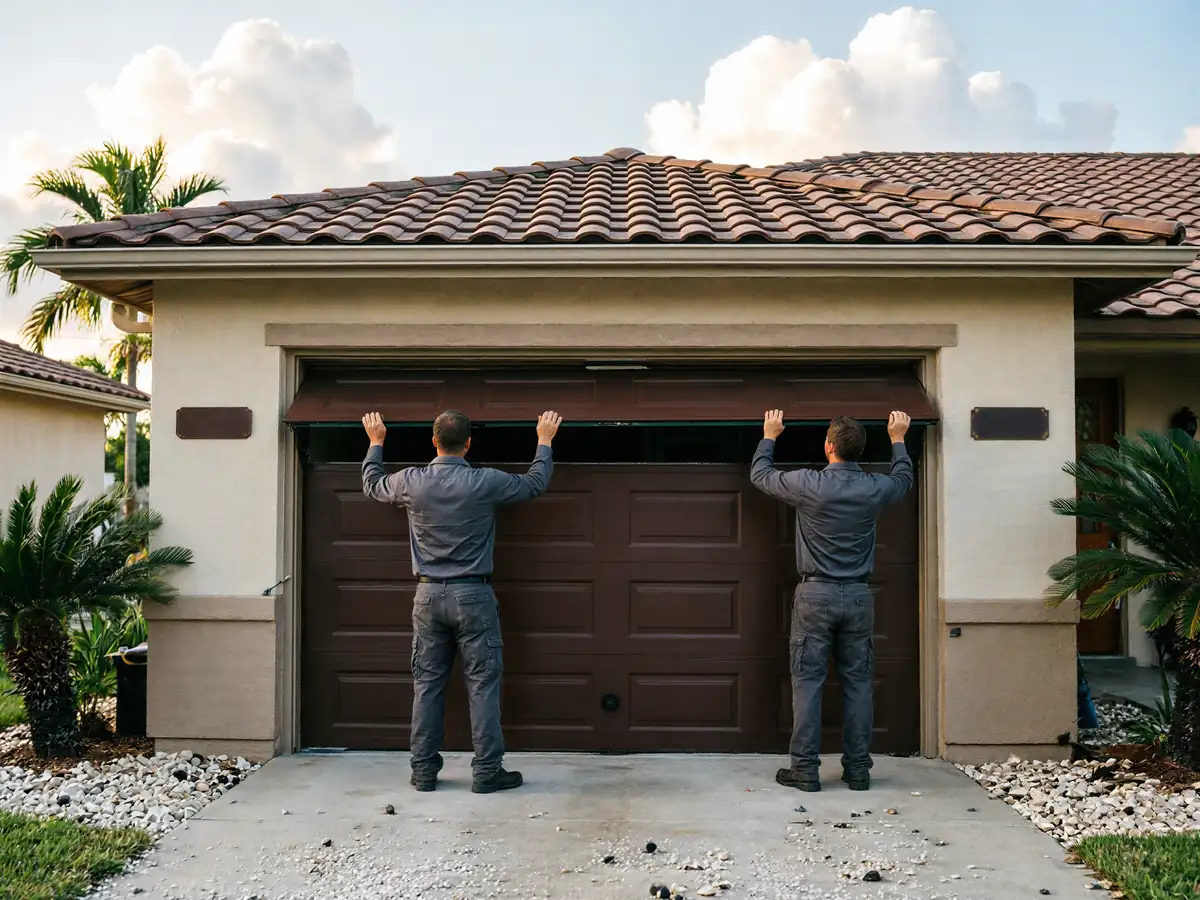
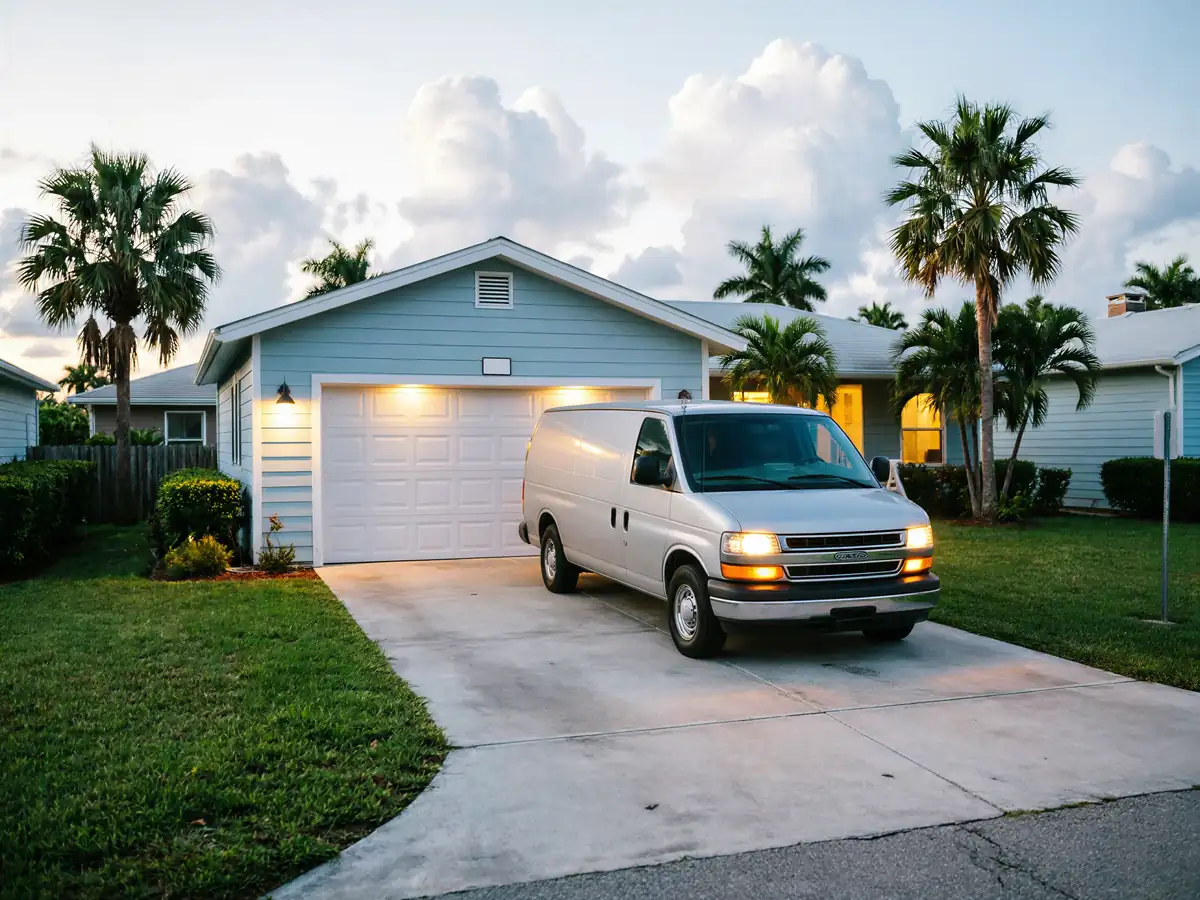
We run out of Estero, about 3 miles from Three Oaks, so there's no separate branch or crew based in town - one call sets up the same truck and the same tech regardless of which side of that line you're on. Tell us the symptom (door won't budge, opener clicks but nothing moves, one side of the door is hanging lower than the other) and we'll tell you honestly whether it's a same-visit fix or a parts order.
For general service that isn't an emergency - routine tune-ups, new installs, scheduled maintenance - use the Three Oaks garage door service page instead; this page is for the door that's stuck right now.
What You Pay
We don't have a published price list for this page
And quoting a number without seeing the door would be a guess, not a fact. What we can tell you is how pricing tends to shake out in a newer-build area like Three Oaks: opener board replacements and sensor fixes are typically simpler, flat-rate jobs because the parts are standard and widely stocked, unlike the obsolete one-piece doors you find on much older housing stock elsewhere in the service area.
The honest limitation here
If your opener is a discontinued model from a builder-grade install, we may need to order a board rather than carry it on the truck, and that adds a day or two. We'll tell you on the spot if that's the case rather than let you wait and wonder.
How Long You Are Without the Door
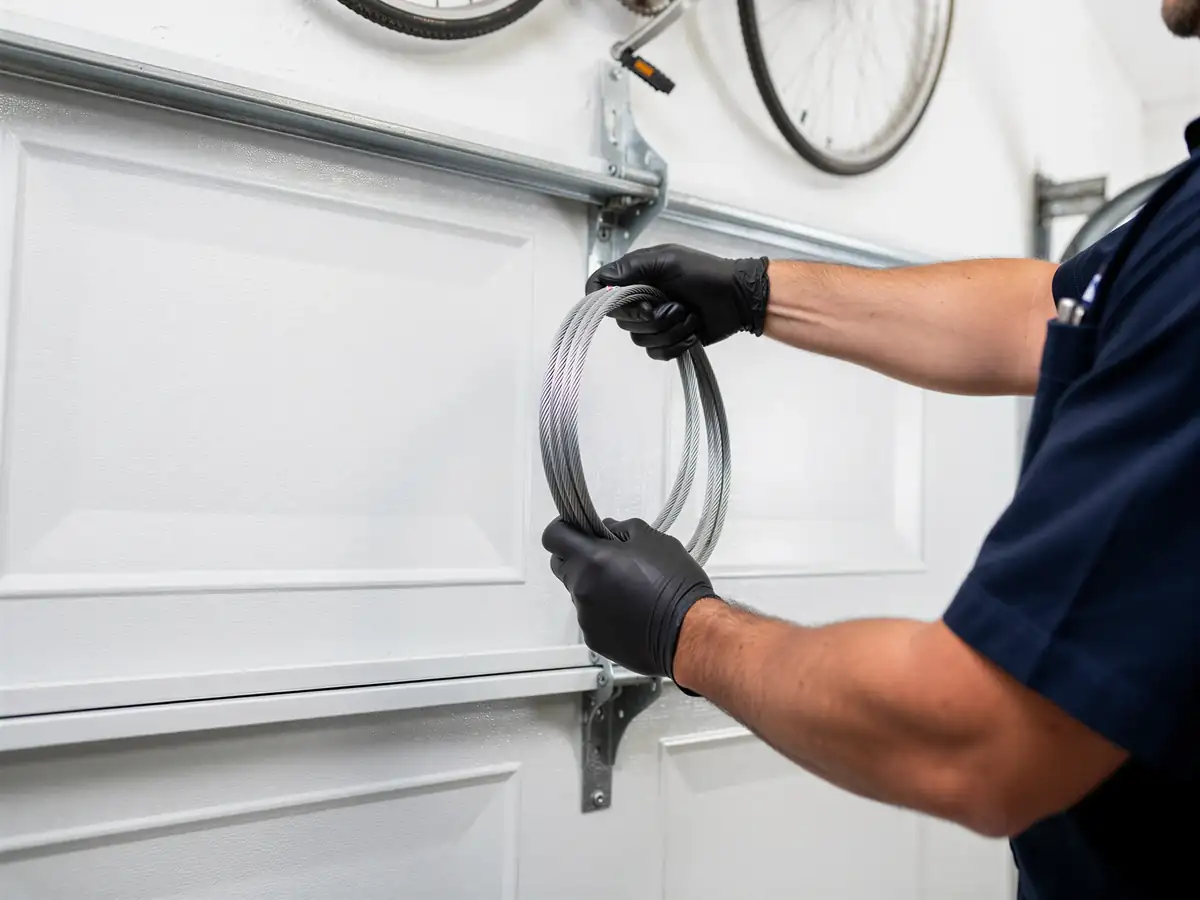
Because we're coming from Estero, about 3 miles out, there's a drive involved - we won't pretend otherwise. Once the tech is on site, most opener board and sensor repairs in a Three Oaks home are same-visit fixes since the hardware is standard for houses built in this era. Cable and spring jobs on a stuck door usually resolve the same day too.
Where it stretches: a specific circuit board for an older or builder-exclusive opener model that has to be ordered. In that case we'll secure the door so it's safe to leave closed and locked, even if it's not operating on the opener, until the part arrives.