How Long You Are Without the Door
The call we get most from San Carlos Park isn't a dead opener out of nowhere
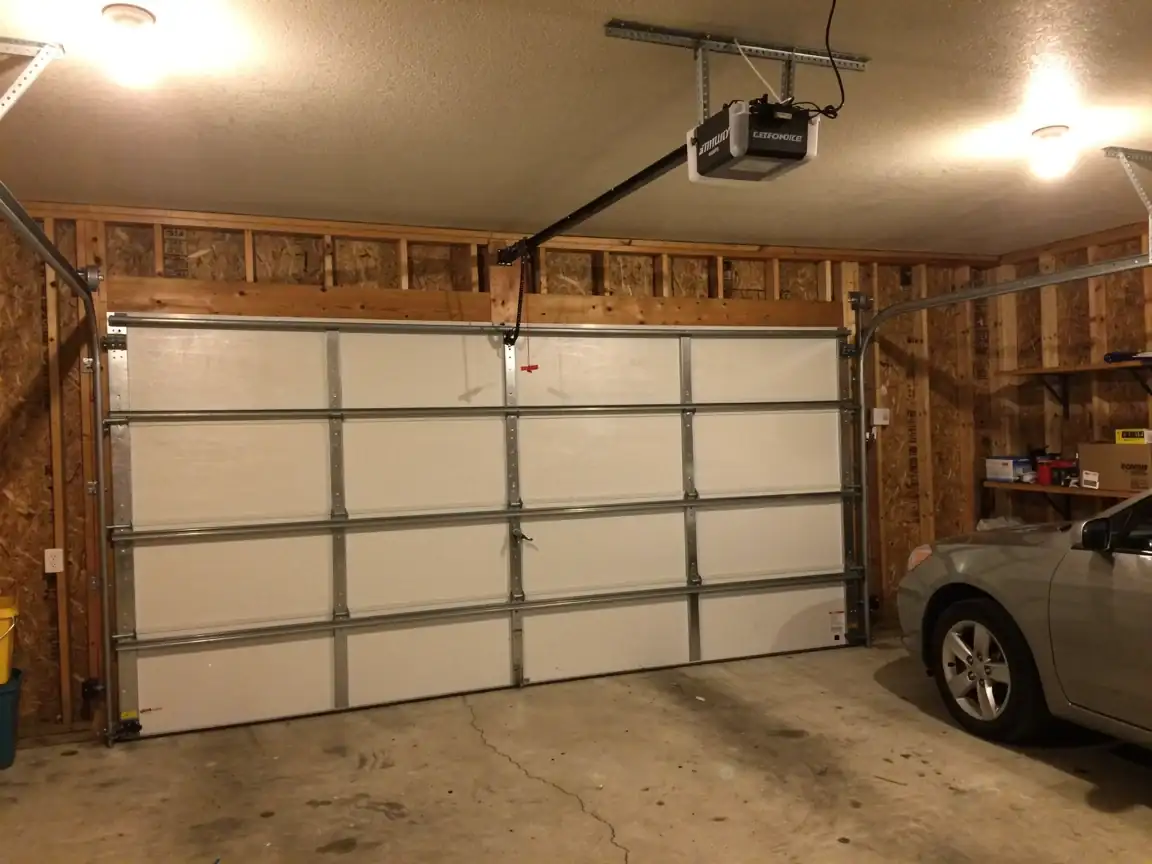
It's one that's been grinding, hesitating, or reversing for weeks before it finally quits mid-cycle, usually with the car half in the bay. With a median build year of 1988 in this pocket, a lot of these houses are on their second or even third opener already, and the oldest survivors are chain-drive units from the late 80s and early 90s that were never meant to run this long.
We come out of Estero, about 4 miles away
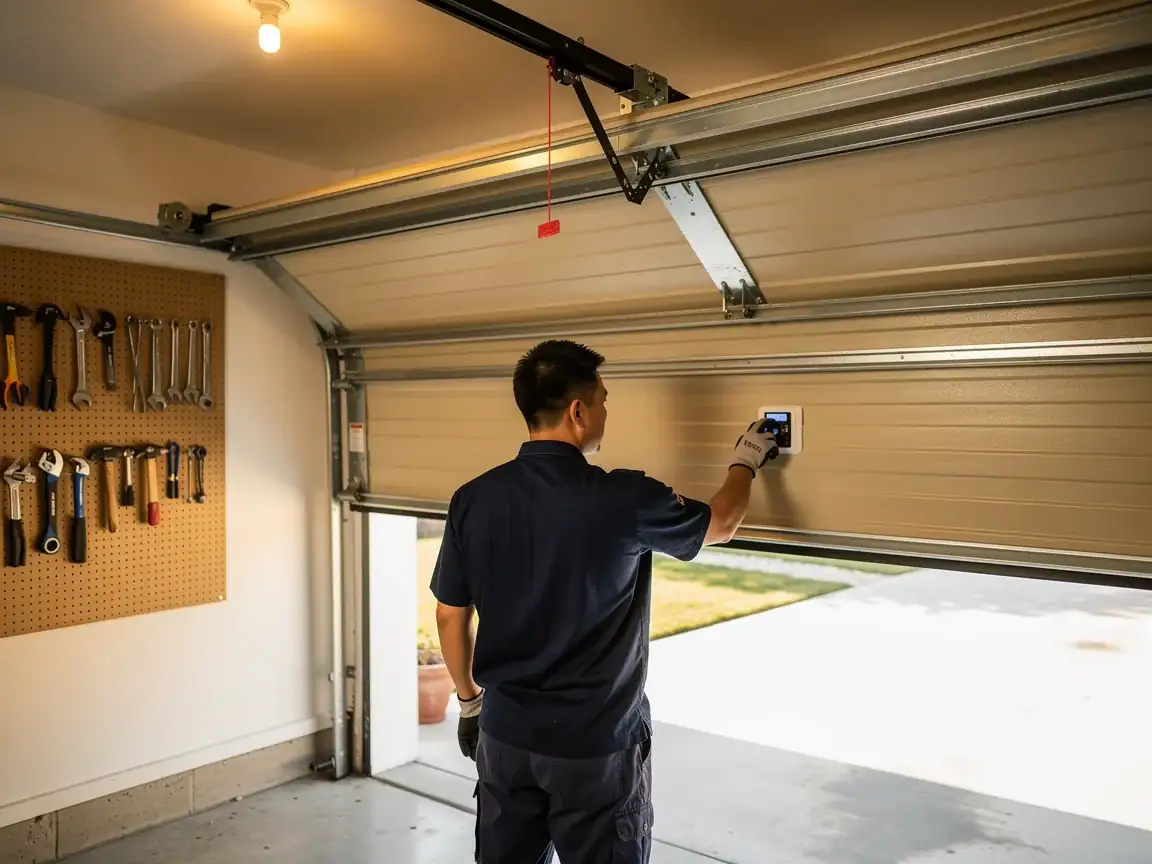
So getting a technician to a San Carlos Park address isn't a cross-town trip. Once we're there, a straight swap - pulling the old unit and hanging a new one on the existing rail and header bracket - is usually a same-visit job. If the header bracket is rotted or the rail itself is bent from age, that adds time, since we have to rebuild the mount before the new opener goes up. We won't quote you a fixed hour count here because that part genuinely depends on what's behind the old unit once it comes down.
- 4 miles
How It Shows Up
On a 1988-era house, the opener problem rarely looks like a dead motor. It looks like a door that opens fine but closes only partway before reversing, or a remote that works from the driveway but not from inside the car. Both point to a worn drive mechanism or a logic board that's past its service life - common on chain-drive units installed in this build era, which is roughly as old as the houses themselves if they've never been replaced.
Because San Carlos Park sits in a mild temperate band rather than a harsh freeze-thaw zone, you don't get the ice-jam failures that crack openers up north. What you get instead is slow electrical drift: capacitors and sensor wiring degrading over three decades of humidity and heat cycling, not sudden cold-snap breaks. That's why these units tend to fail gradually - a stutter, then a skipped cycle, then nothing - rather than all at once. If your opener is original to a house from this era, age alone is doing the damage, not a single bad storm or a single bad day.
What You Pay
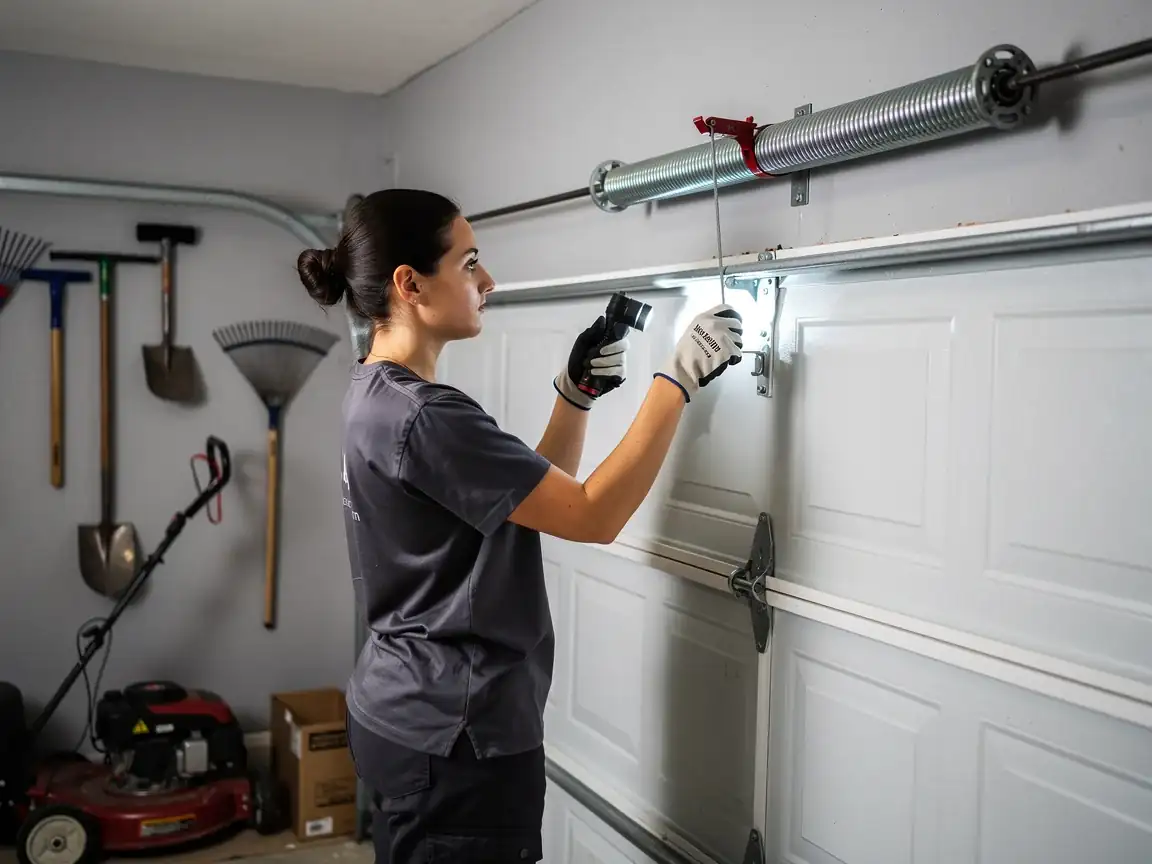
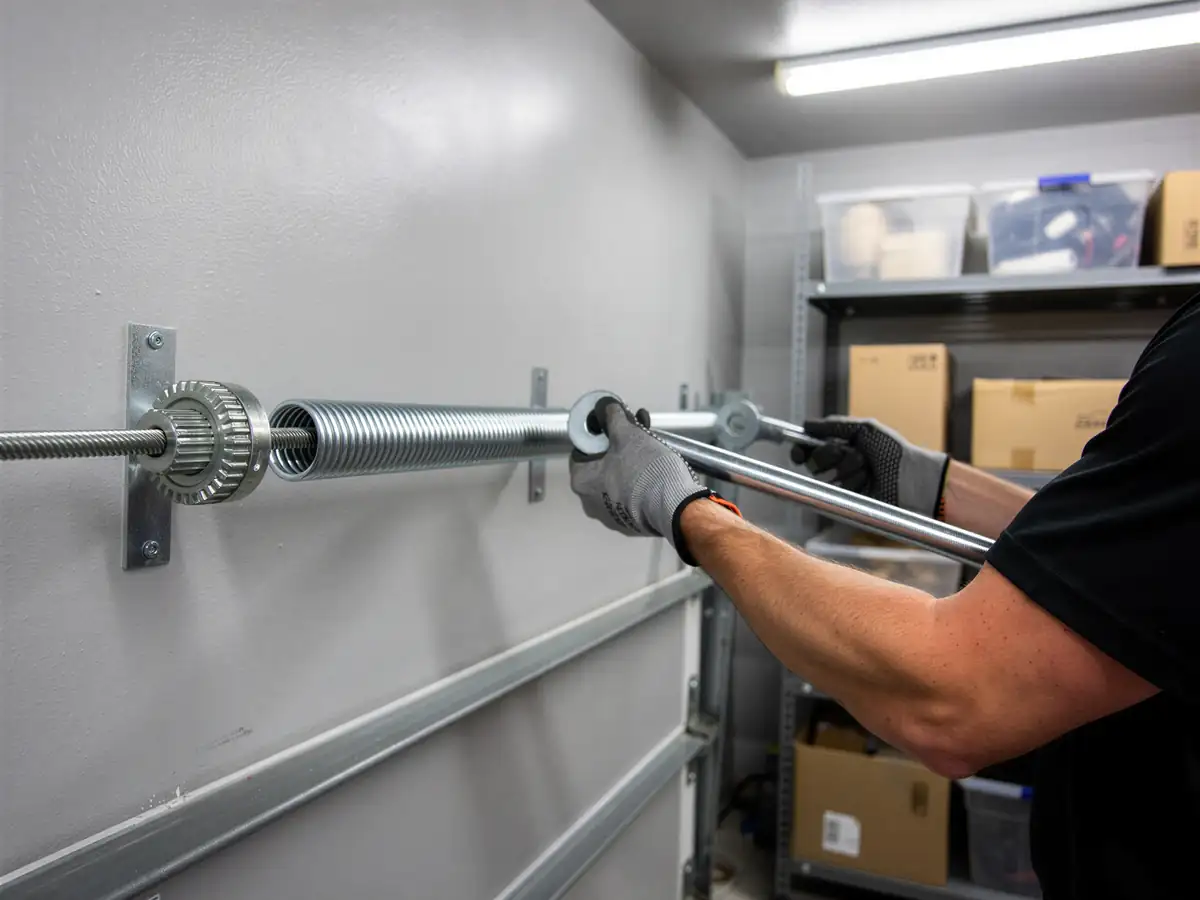
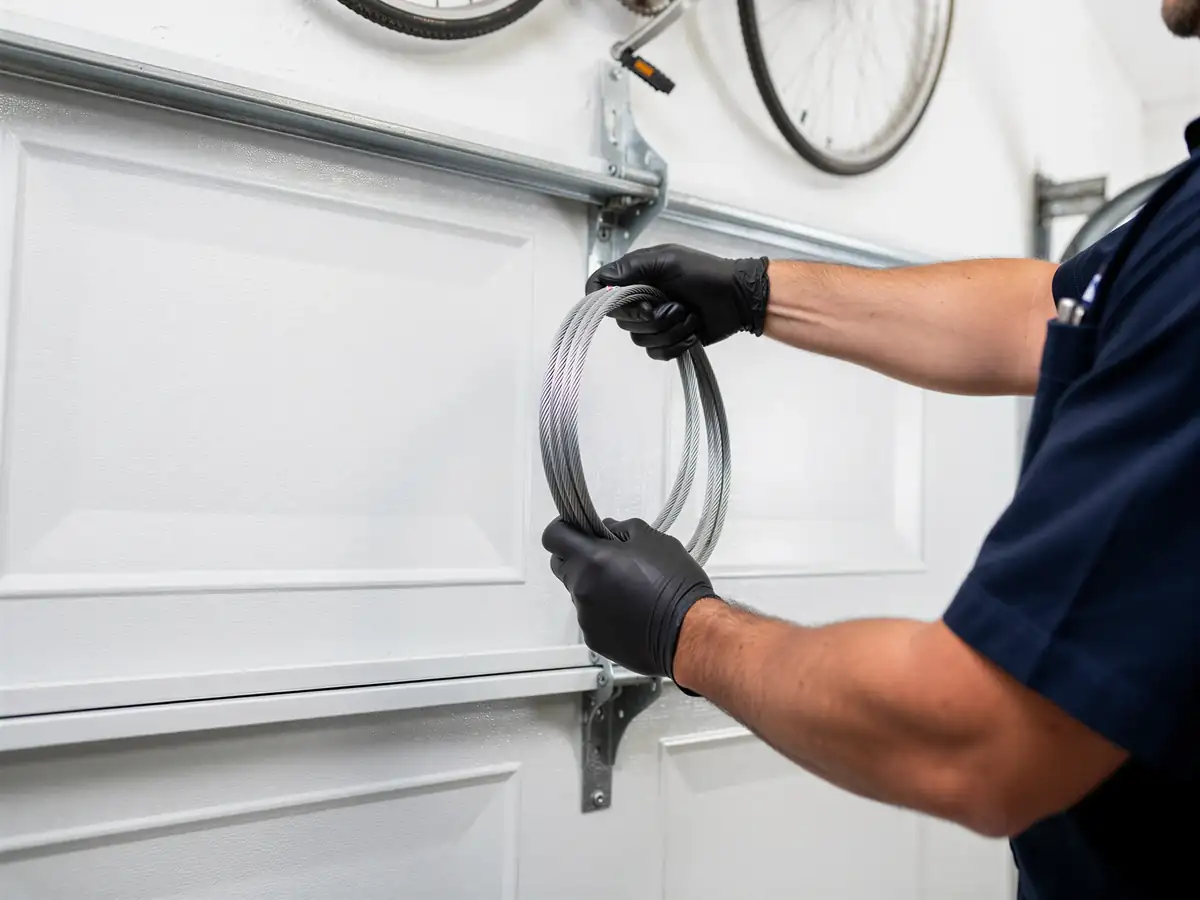
We don't have a fixed price list to hand you here, and we're not going to invent one just to fill the section. What we can tell you is how the job gets priced: unit cost, whether the existing rail and header bracket are reusable, and whether your door's spring and cable setup is original 1988-era hardware or has already been upgraded. Houses built in the 1986-2006 range across this part of the service area went up with a fairly standard torsion setup, which keeps labor predictable when the rest of the hardware is sound.
Where cost climbs is when the header bracket needs rebuilding or the existing wiring to the wall control is too old to trust - both more likely the longer a house has sat with its original opener. San Carlos Park's median household income runs just over $80,000, and most of the jobs we see here are straightforward installs rather than full hardware overhauls, but we size it up in person before we give you a number, not over the phone.
Can You Do This Yourself
Mounting a new opener bracket and running the rail isn't beyond a handy homeowner
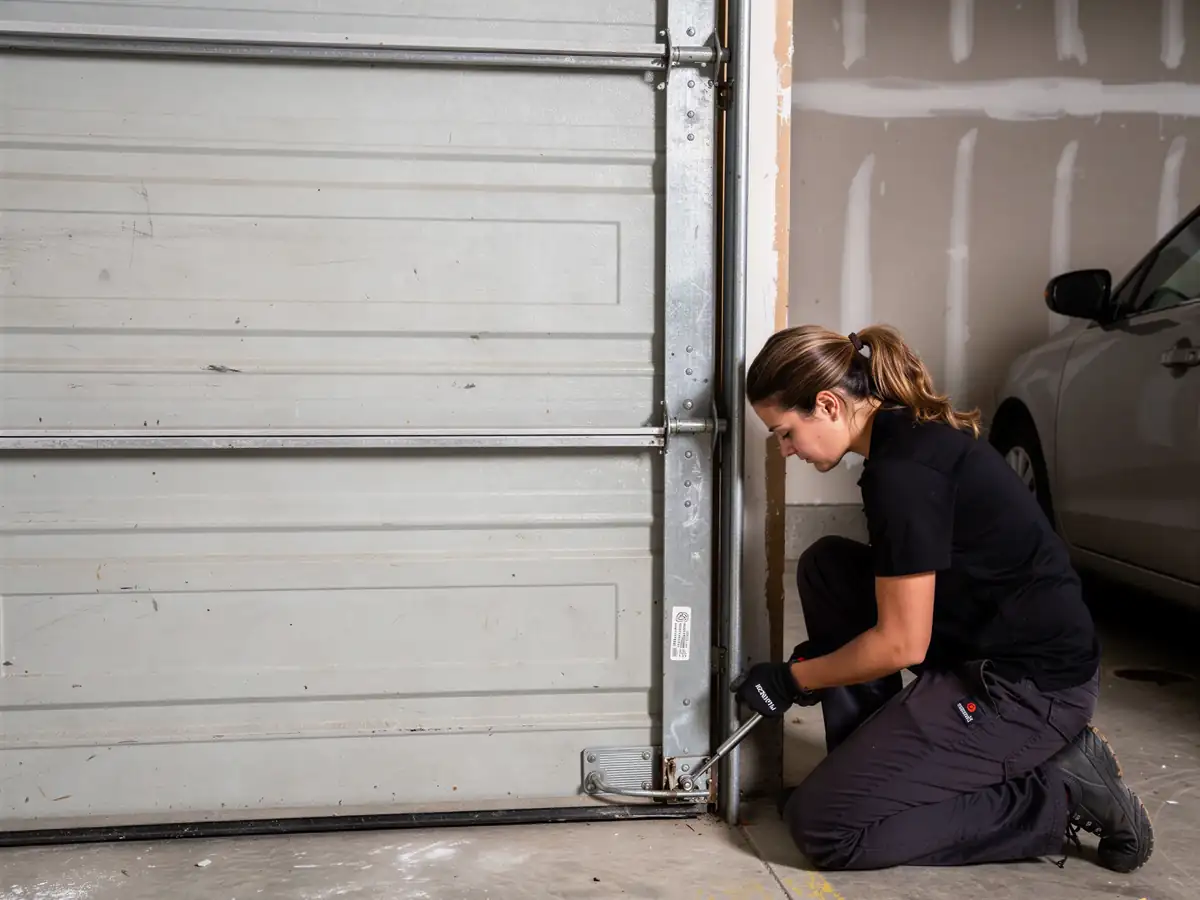
Where people get into trouble is the safety reversal setup and the travel-limit adjustment - get those wrong on a door that's been riding the same tracks since 1988, and you end up with a door that either won't seal at the floor or slams down without stopping. If your house still has the original chain-drive unit, there's also a decent chance the wall wiring predates grounded circuits that modern openers expect, and that's not a DIY electrical call we'd recommend making solo.
Our honest limit: we install and wire the opener itself
But we're not an electrician service, and if your garage needs a new dedicated circuit before a unit can go in safely, that's a separate call to make. For households in the 6,452-count range that make up San Carlos Park, most garages were wired for a single opener outlet from the start, so this usually isn't an issue - but it's worth checking before you buy a unit online and expect a same-day hang.